What factory signage does on a busy site
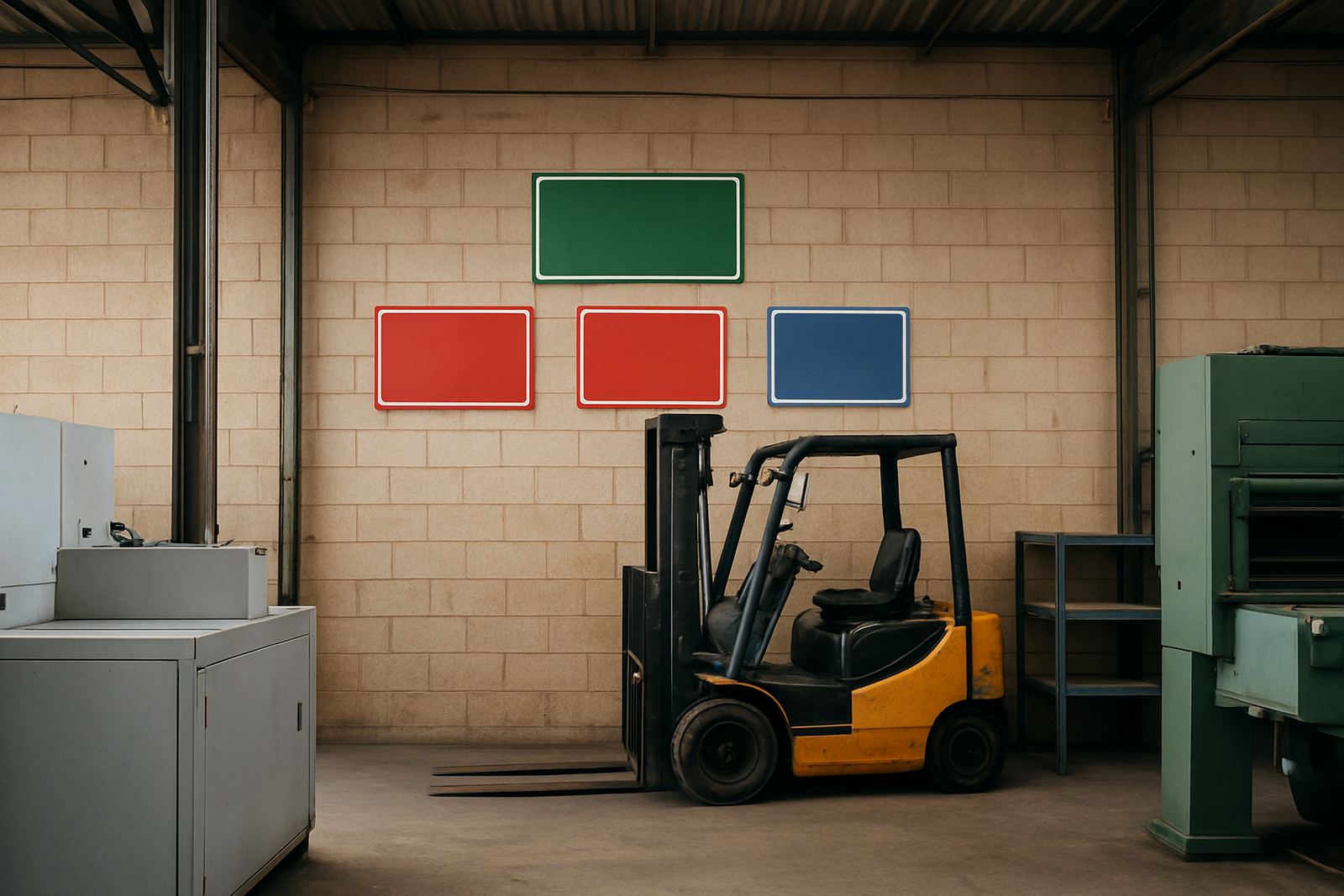
Factory signs do more than put a name on a wall. They guide staff, visitors and contractors through a working space where forklifts move, pallets stack up and different teams share the same floor. In a factory, a sign might mark a machine bay, show an emergency route, identify a raw material store or warn that PPE is required.
At Executive Screen Printers we supply factory signage that is clear from a distance and still readable up close. That includes directional boards, process boards, safety notices, site rules, numbering for bays and doors, and identification for plant rooms, switch rooms and access points. The right layout can save time every shift, and help reduce mix-ups in busy areas.
- Machine and bay identification
- Hazard, caution and PPE signage
- Traffic flow and pedestrian wayfinding
- Store room, loading dock and delivery point markers
Materials, sizes and finish options
Factory signage needs to suit the space it sits in. For indoor use, we often recommend rigid board, aluminium composite, PVC, acrylic or engraved laminate, depending on the application and budget. For areas with dust, heat, moisture or repeated cleaning, we can spec signs that wipe down easily and hold their shape. In coastal or high-humidity conditions, such as parts of Gauteng with wet storage yards or open wash bays, the fixing method matters as much as the face material.
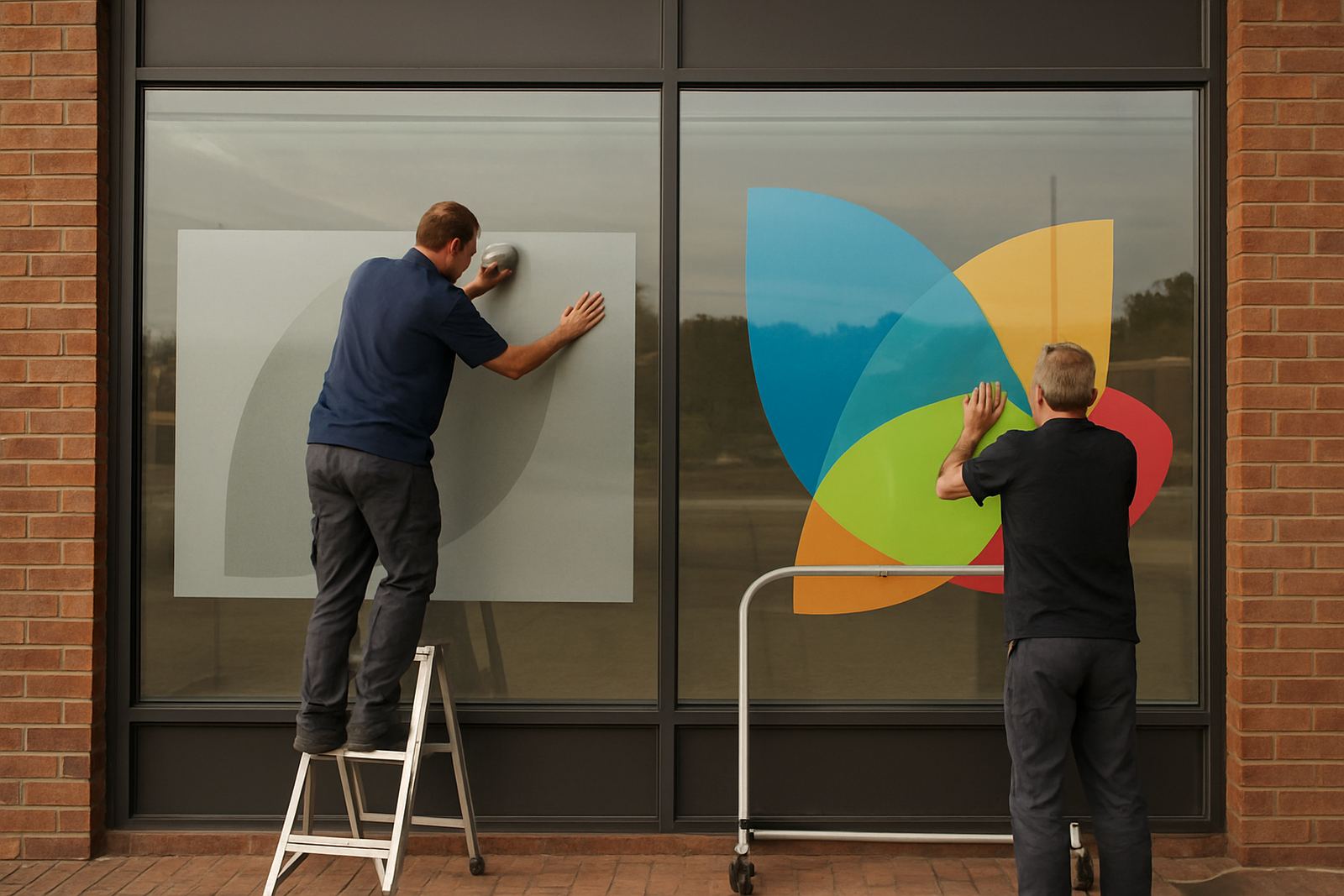
Typical sizes start at small 200 x 50 mm name plates and go up to large 2400 x 1200 mm boards for walls, gates and yard entrances. Reflective finishes can be used where signs need stronger visibility under vehicle lights or in low-light areas. We also do cut vinyl lettering for glass, painted panels and smooth sheeting, plus layered graphics for colour coding and numbering.
- Standard thicknesses: 3 mm, 5 mm and 6 mm for rigid boards
- Common mounting: double-sided tape, stand-offs, screws or standoffs with plugs
- Finish choices: matte, gloss, reflective, laminated and UV-stable print
- Lettering: cut vinyl, printed vinyl or engraved detail
Where factory signs work best
These signs suit manufacturing plants, workshops, warehouses, logistics depots, engineering yards and parts stores. We also supply signs for food handling areas, chemical stores, maintenance rooms, dispatch zones and visitor control points. If a site has separate pedestrian and vehicle routes, the right markers can make day-to-day movement much easier to manage.
In Ekurhuleni, many factories deal with changing shifts, contractors coming in for short jobs and deliveries arriving through different gates. Clear signage helps with that. It is also useful where municipal rules, safety audits or internal compliance checks require certain notices to be visible and in the right place. When a site is spread across multiple buildings, simple numbering and directional signs can cut down on wasted time and confusion.
- Production floors and assembly areas
- Storerooms, packing zones and dispatch areas
- Fence lines, gates and loading bays
- Emergency exits, muster points and first aid points
Installation, fitment and site preparation
We handle site surveys, manufacture and installation. Before fitment, we check the wall surface, fixing points, sign height, viewing distance and whether the area needs any extra protection from heat, impact or vibration. On some sites the best option is direct fixing to masonry or steel. On others we mount onto posts, brackets or gantries so the sign stays visible above machinery and stock.
Electrical power is only needed if the sign includes illumination, which is not required for most factory signage. If a project involves illuminated panels, we will confirm the circuit, isolation point and any site rules before installation. Gas is not normally needed for factory signs, though some factories have hot works rules that affect access and timing during fitment. For active plants, we often work around shift changes, start-up times and loading windows so operations do not stop.
- Site survey before manufacture where needed
- Measured fitment for walls, gates, fences and internal frames
- Safe access planning around forklifts and live production areas
- Installation available across Boksburg, Benoni, Germiston, Kempton Park, Alberton, Springs, Edenvale and Midrand
Care, cleaning and ongoing servicing
Most factory signs are low maintenance, but they still need the odd check. Dust, oil mist, forklift knocks and UV exposure can shorten a sign’s life if it is in the wrong position. A quick wipe with mild soapy water is usually enough for printed or laminated signs. Avoid harsh solvents on vinyl graphics and do not scrub reflective surfaces too hard, as that can dull the finish.
If a sign gets damaged, faded or partly hidden by new shelving or racking, it should be replaced or moved. We also do maintenance visits, vinyl removal and sign refurbishment for sites that change layout often. That is especially useful in factories where departments move around, new machines come in or a production line is reconfigured. One small issue can become a bigger safety problem if a notice is no longer visible.
What to check before ordering factory signage
Good factory signage starts with a few practical choices. Think about who must read it, how far away they will stand, and whether it needs to be seen by drivers, staff on foot or visitors arriving at the gate. You should also decide whether the sign must follow a colour code, use wording from your safety file or include arrows, icons or bilingual text.
When you place an order, it helps to have the measurements, fixing surface and location ready. If you need a sign to fit between pipes, under a beam or across a roller door, tell us the exact opening size. Where the site is outdoors, note if it faces strong sun, rain or wind. On some premises the wall is uneven, the gate is moving, or the access road is tight, and that can affect the choice of material and mount.
- Exact size and preferred viewing distance
- Indoor or outdoor location
- Wall, fence, post or gate mounting point
- Safety wording, colour code or numbering required
- Any site rules for access, timing or permits