





Sign Notes
Home / Notes

Sign Notes

These articles answer common client questions about signs, boards, garments and installation choices. They are written in plain language for Gauteng businesses planning practical branding work.

Outdoor Sign Materials

Outdoor Sign Materials

Different outdoor boards and panels suit different budgets, weather exposure and project durations.

Indoor Sign Options

Indoor Sign Options

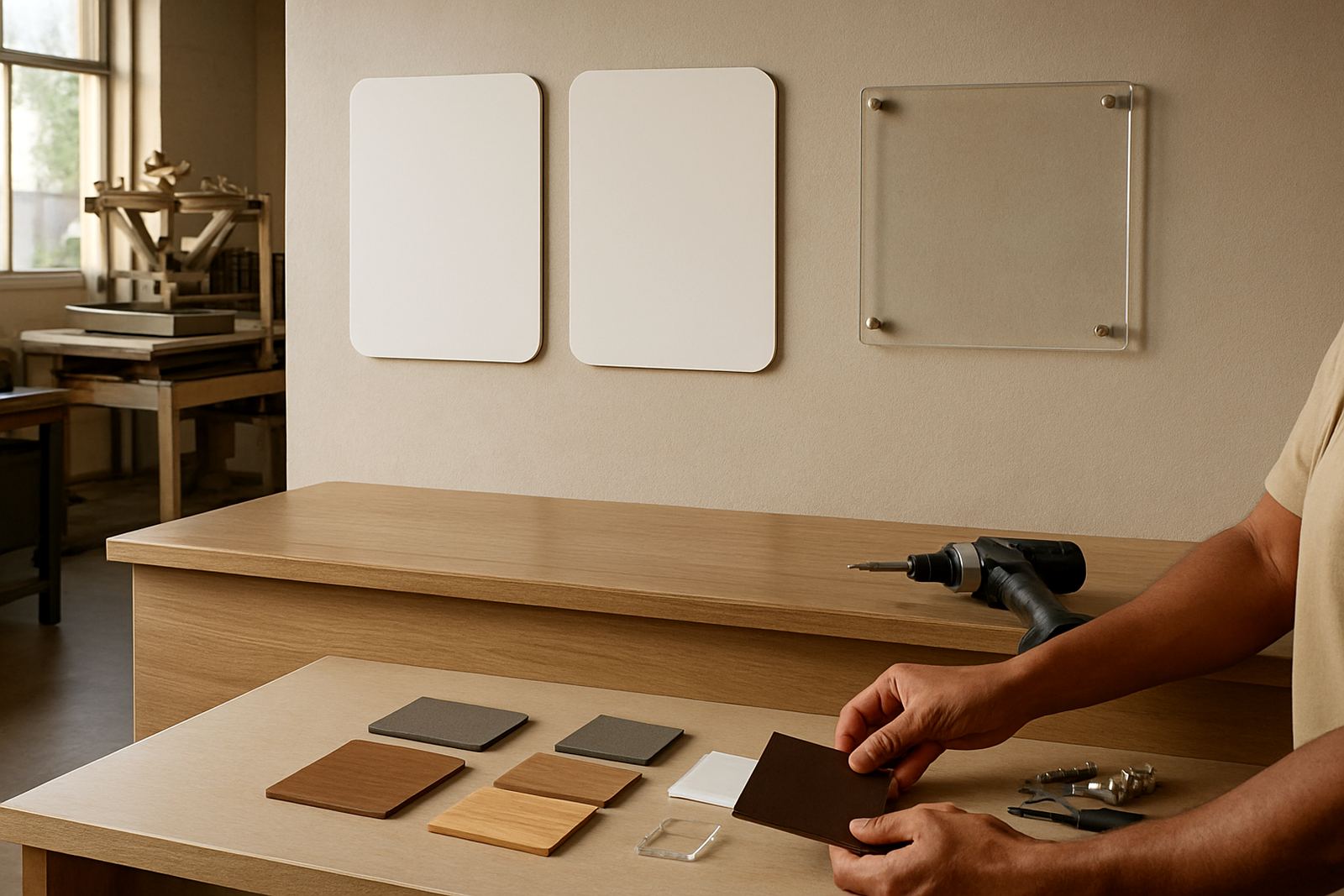
Interior signs can be simple, polished or highly directional depending on the space.

Shopfront Visibility Tips

Shopfront Visibility Tips

Size, contrast and placement matter when trying to improve street-level visibility.

Choosing Safety Signs

Choosing Safety Signs

Safety signs work best when matched to site risks, movement patterns and viewing distances.

Fleet Branding Basics

Fleet Branding Basics

Consistent graphics across vehicles make even small fleets look more established.

Vinyl vs Paint

Vinyl vs Paint

Vinyl graphics often provide cleaner detail and easier changes than painted lettering.

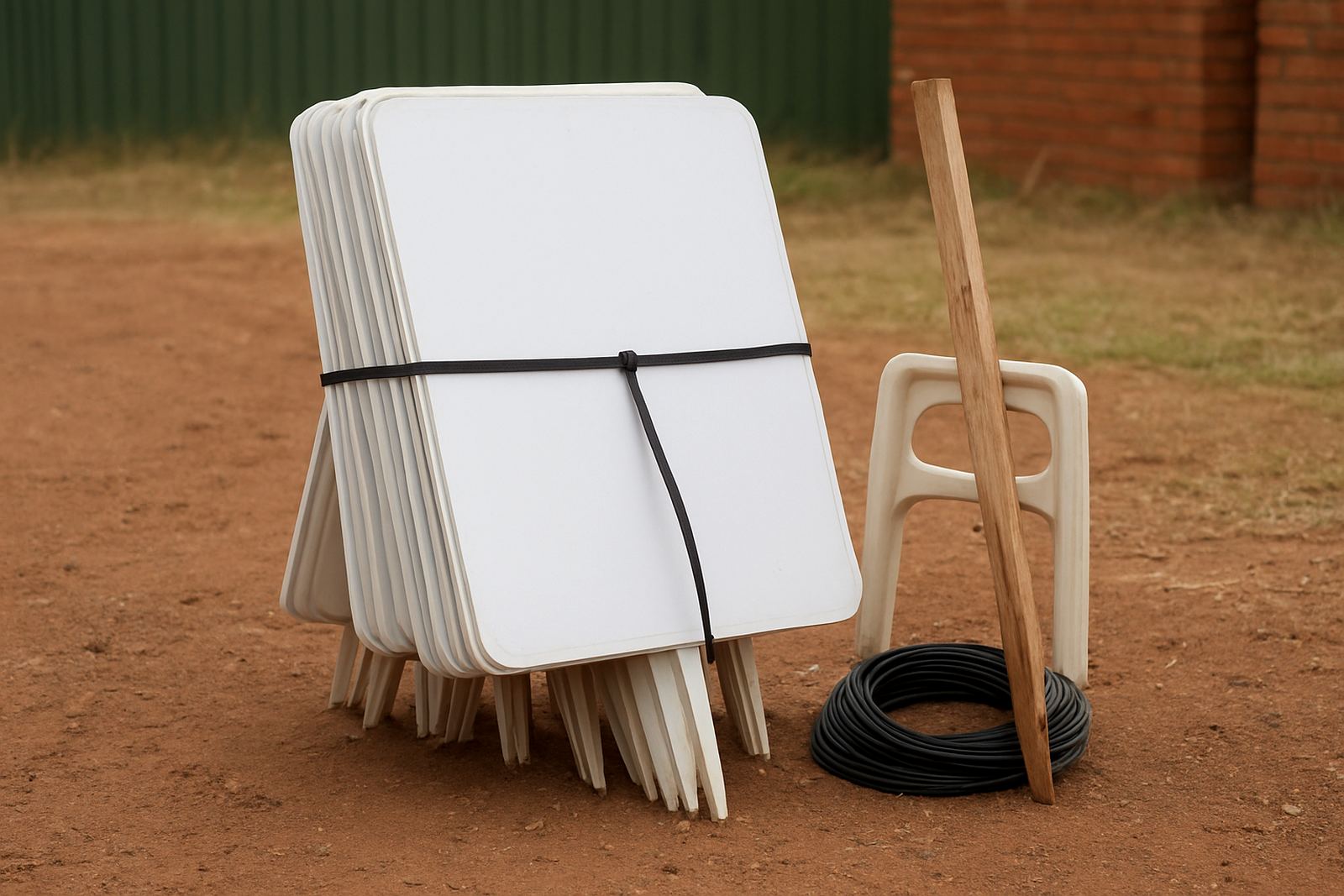
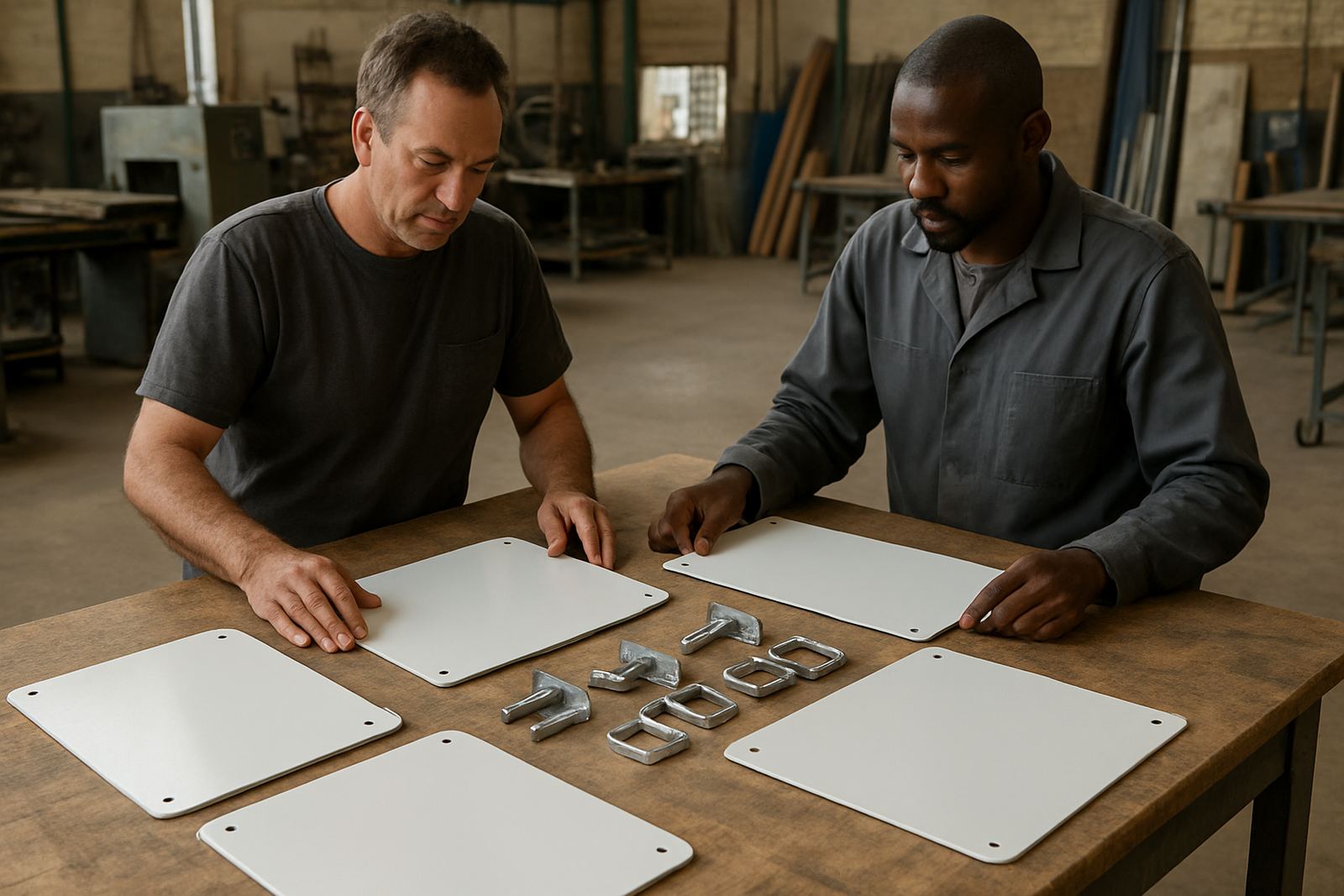
Temporary Board Choices

Temporary Board Choices

Short-run site and event signs need lightweight materials that are still fit for purpose.

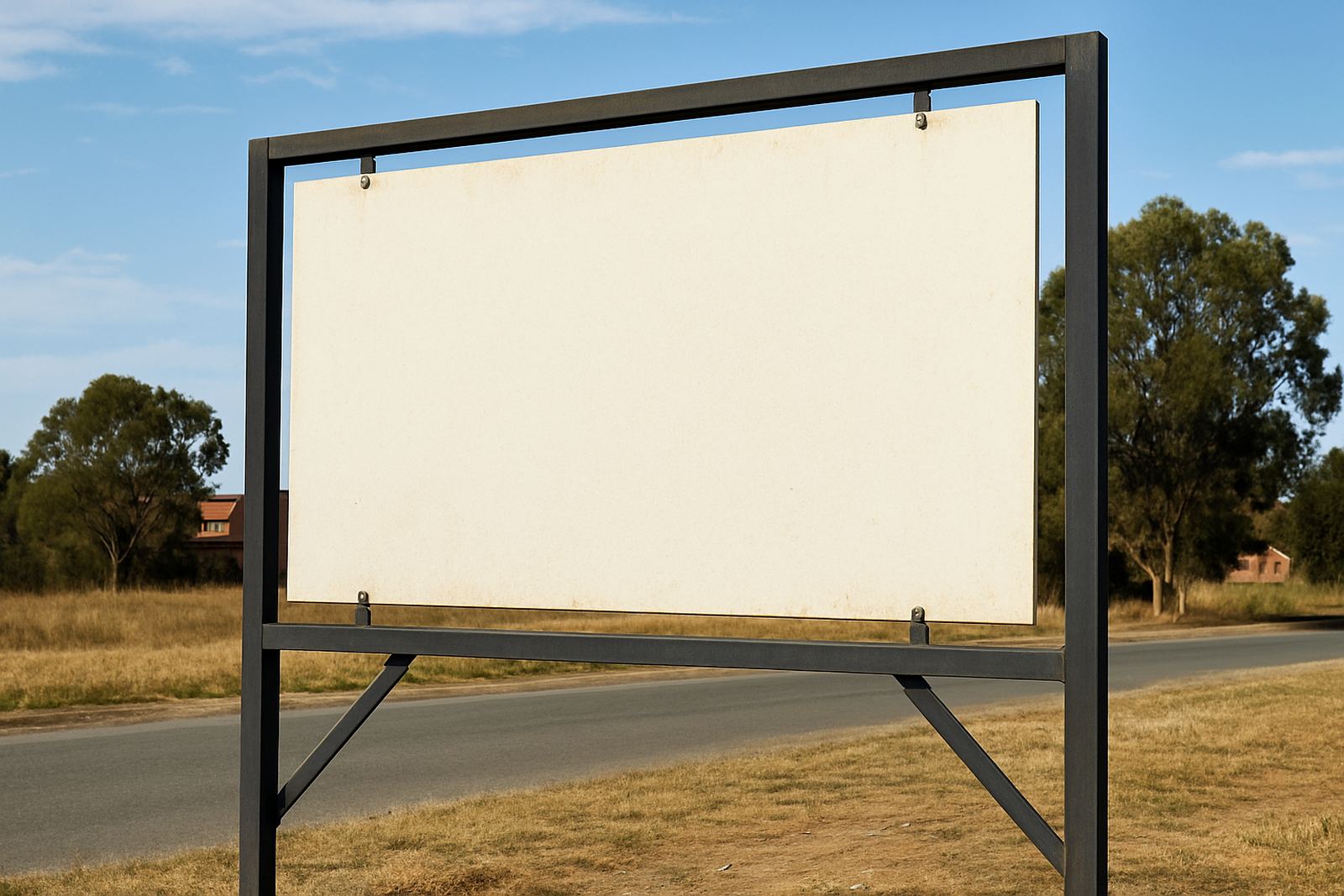
Long-Term Board Choices

Long-Term Board Choices

For longer outdoor use, board rigidity, coating and fixing detail become more important.

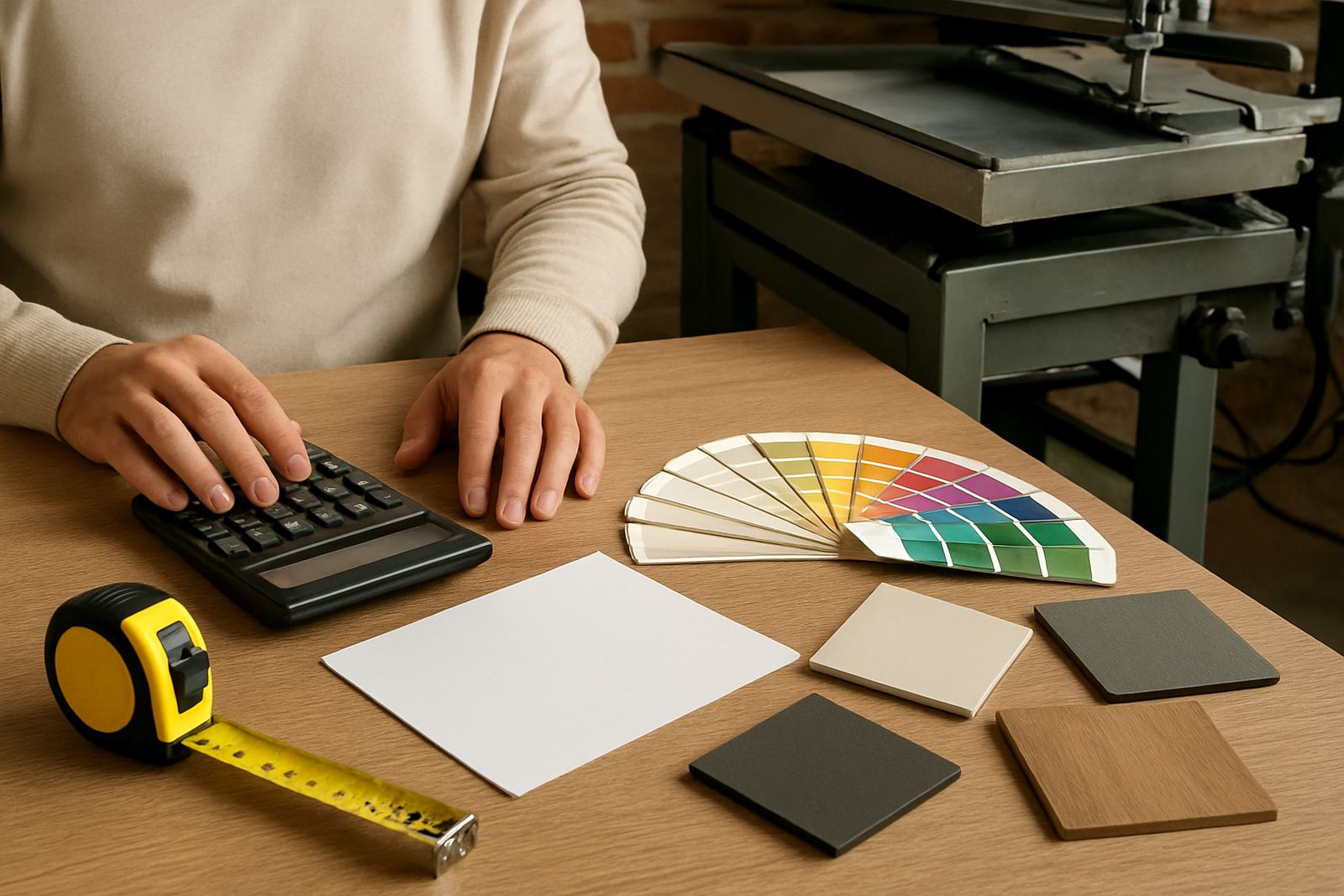
How Signs Are Priced

How Signs Are Priced

Price depends on size, material, finishing, artwork readiness and installation access.

Preparing Logo Files

Preparing Logo Files

Clear original artwork helps avoid delays, redraw costs and production quality issues.

Best Sign Font Sizes

Best Sign Font Sizes

Readable lettering depends on distance, speed of passing traffic and sign purpose.

Colour Contrast Matters

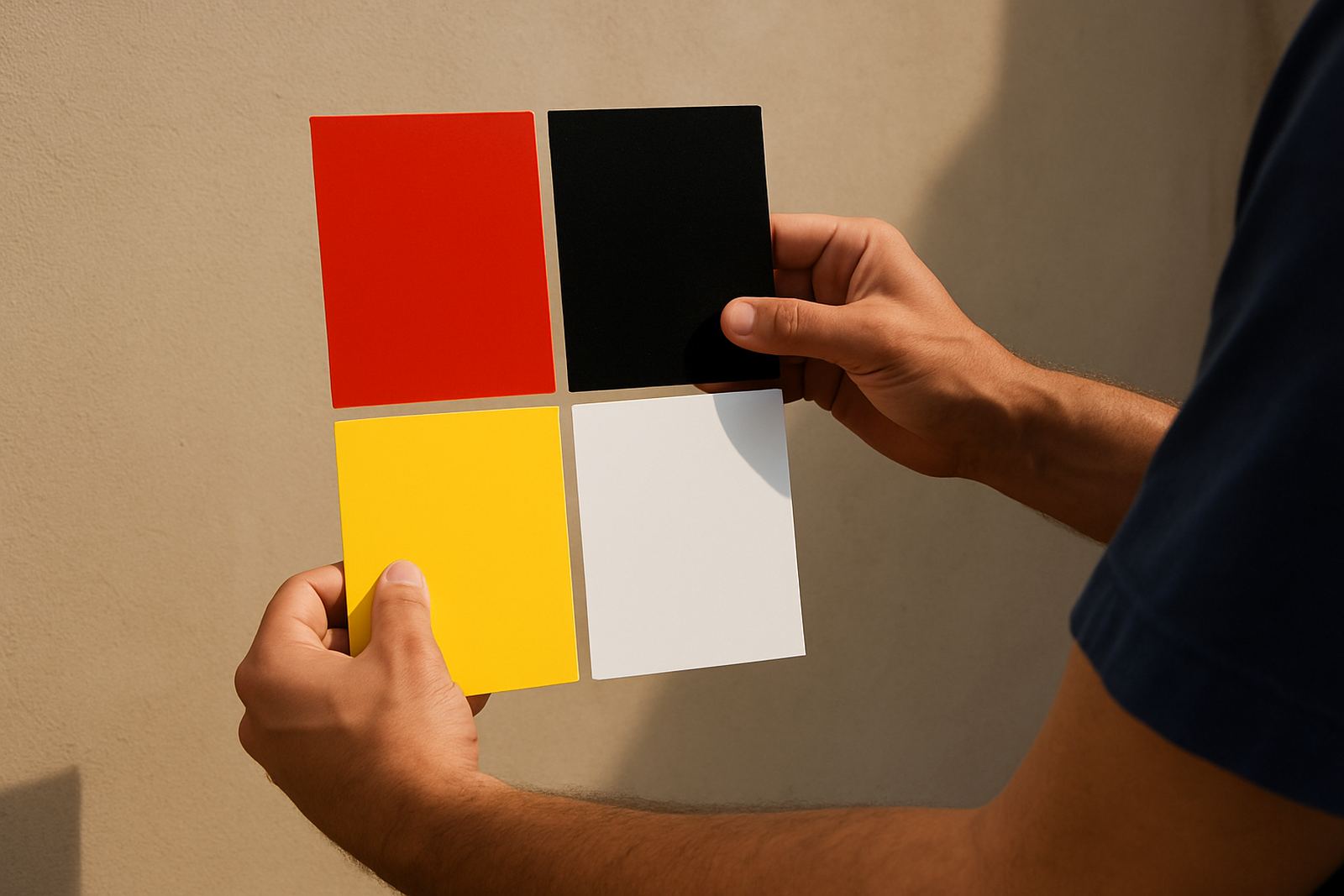
Colour Contrast Matters

Good contrast often improves legibility more than adding extra wording.

Where To Place Signs

Where To Place Signs

Placement should follow real movement paths, sight lines and practical fixing positions.

Weather On Signs

Weather On Signs

Sun, rain and wind all affect how long outdoor signage keeps its appearance.

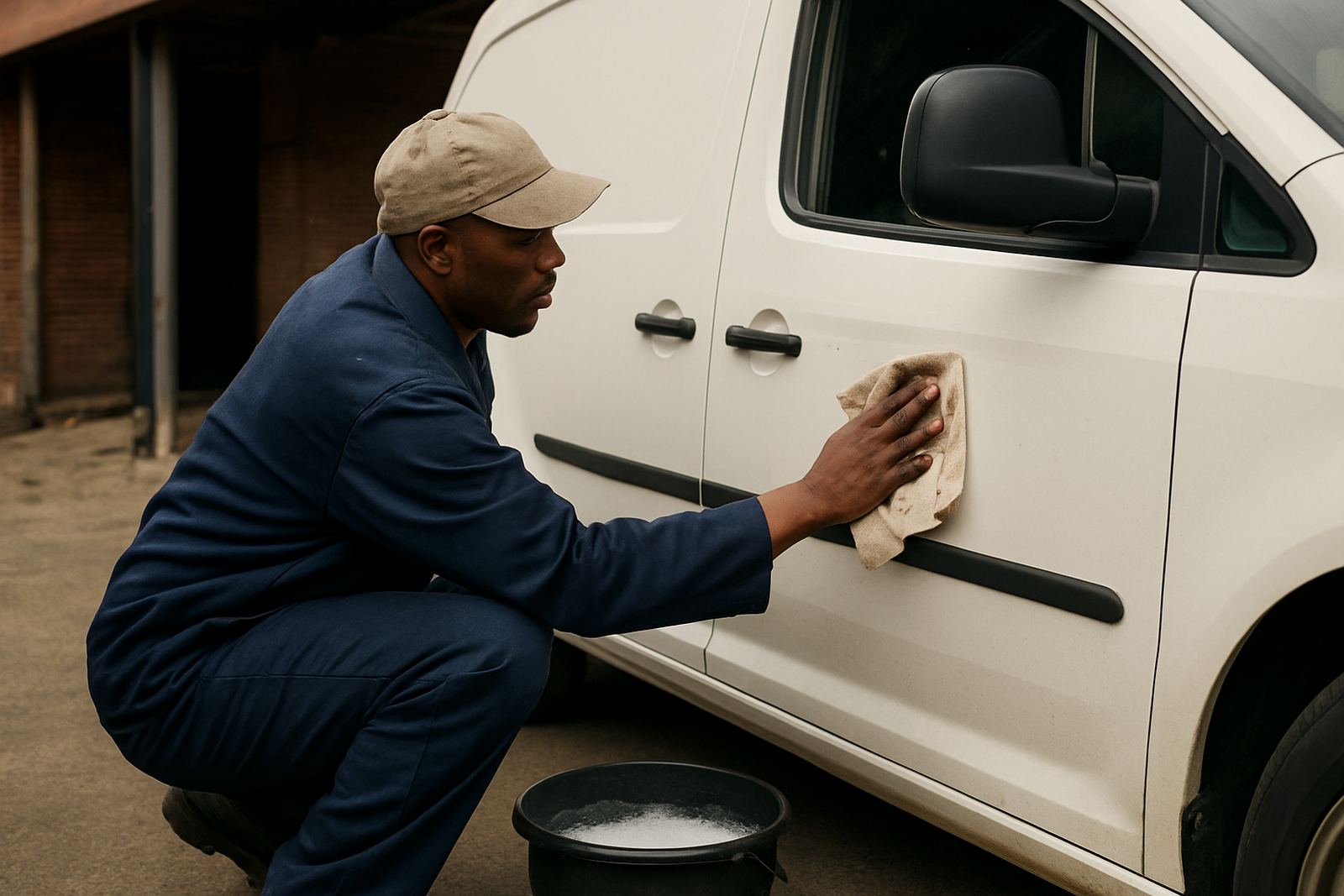
Cleaning Vinyl Graphics

Cleaning Vinyl Graphics

Gentle cleaning methods help vehicle and window graphics stay presentable for longer.

When To Replace Signs

When To Replace Signs

Fading, peeling and outdated contact details are common triggers for replacement.

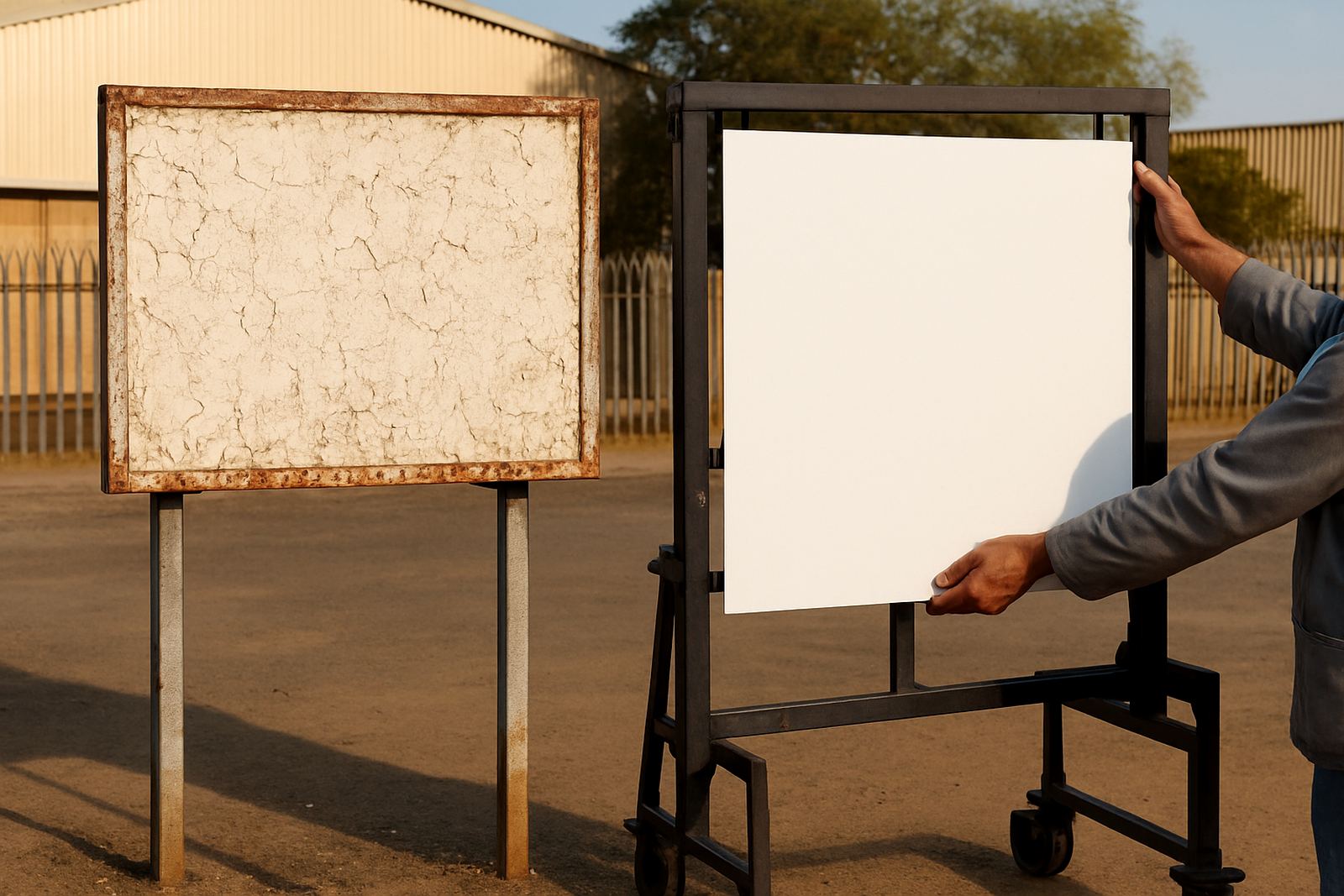
Rebranding Existing Signs

Rebranding Existing Signs

Many sign structures can be reused if the base remains sound and accessible.

Property Board Lifespans

Property Board Lifespans

Board life depends on material choice, handling and how long the board stands outdoors.

Site Board Checklist

Site Board Checklist

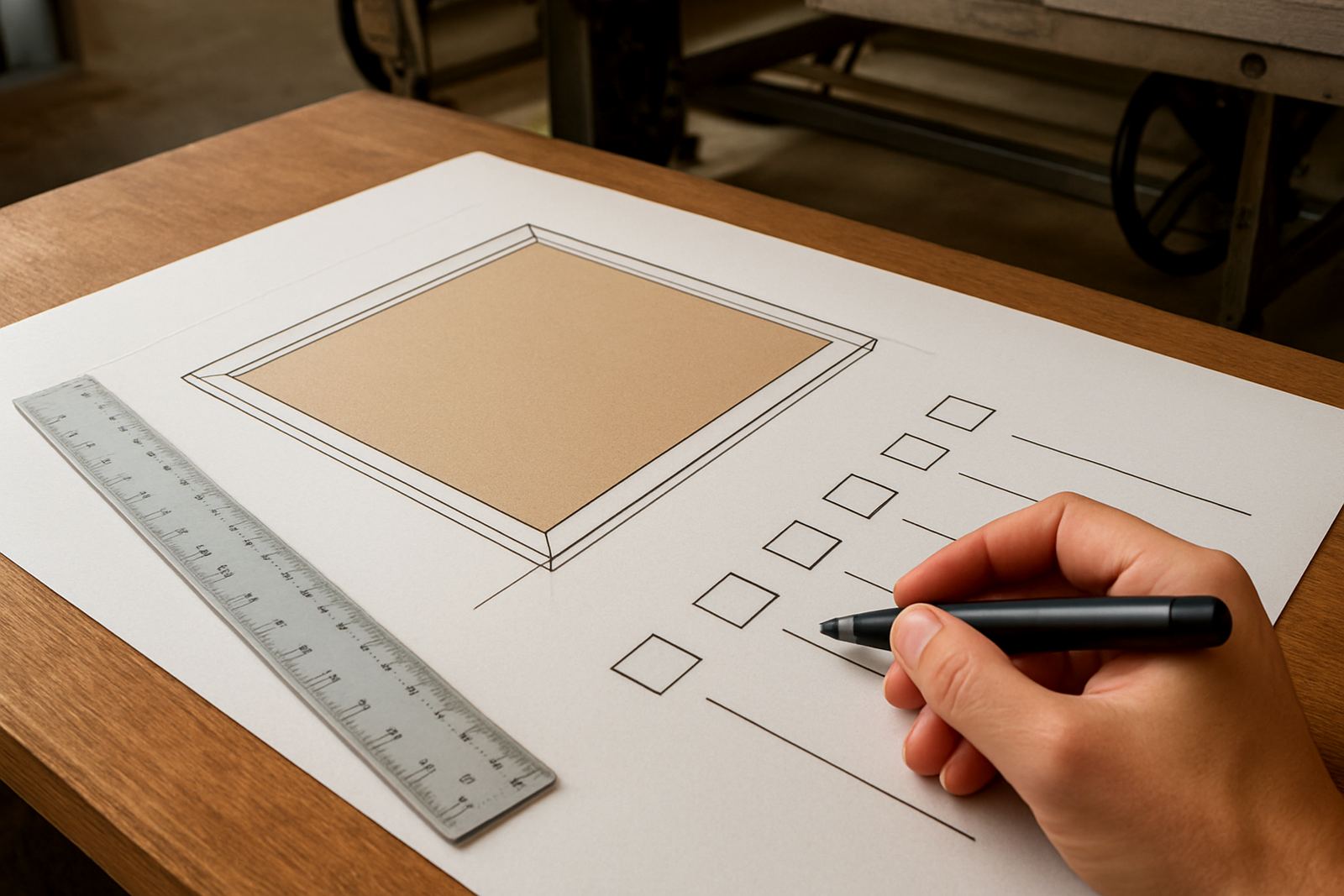
A basic checklist helps make sure important project information is not left off.

Window Privacy Ideas

Window Privacy Ideas

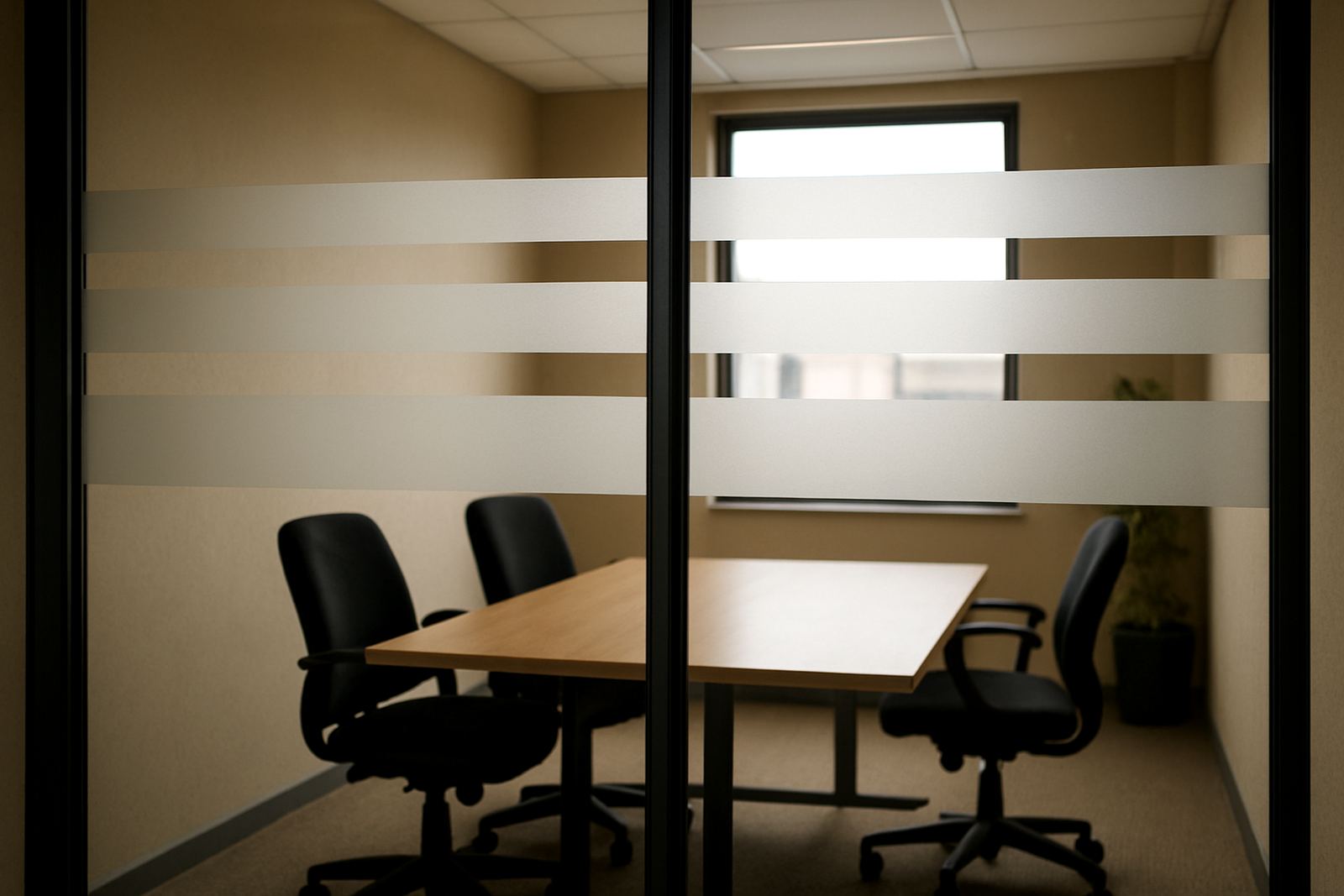
Frosted and patterned vinyl can improve privacy without losing all natural light.

Reception Branding Ideas

Reception Branding Ideas

Reception walls can be kept simple or layered for a stronger first impression.

Banner Useful Limits

Banner Useful Limits

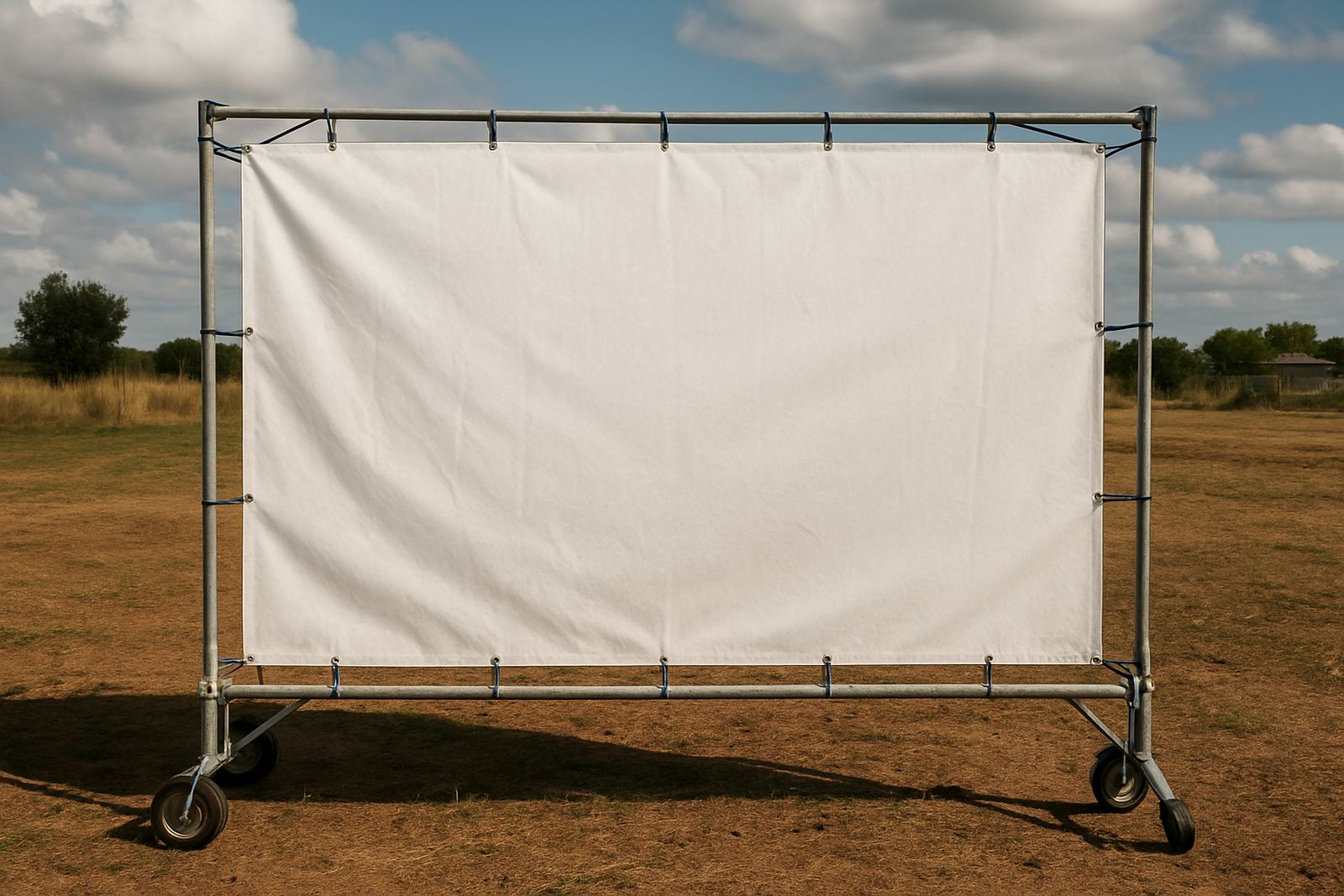
Banners are flexible and affordable, but not every site suits them well.

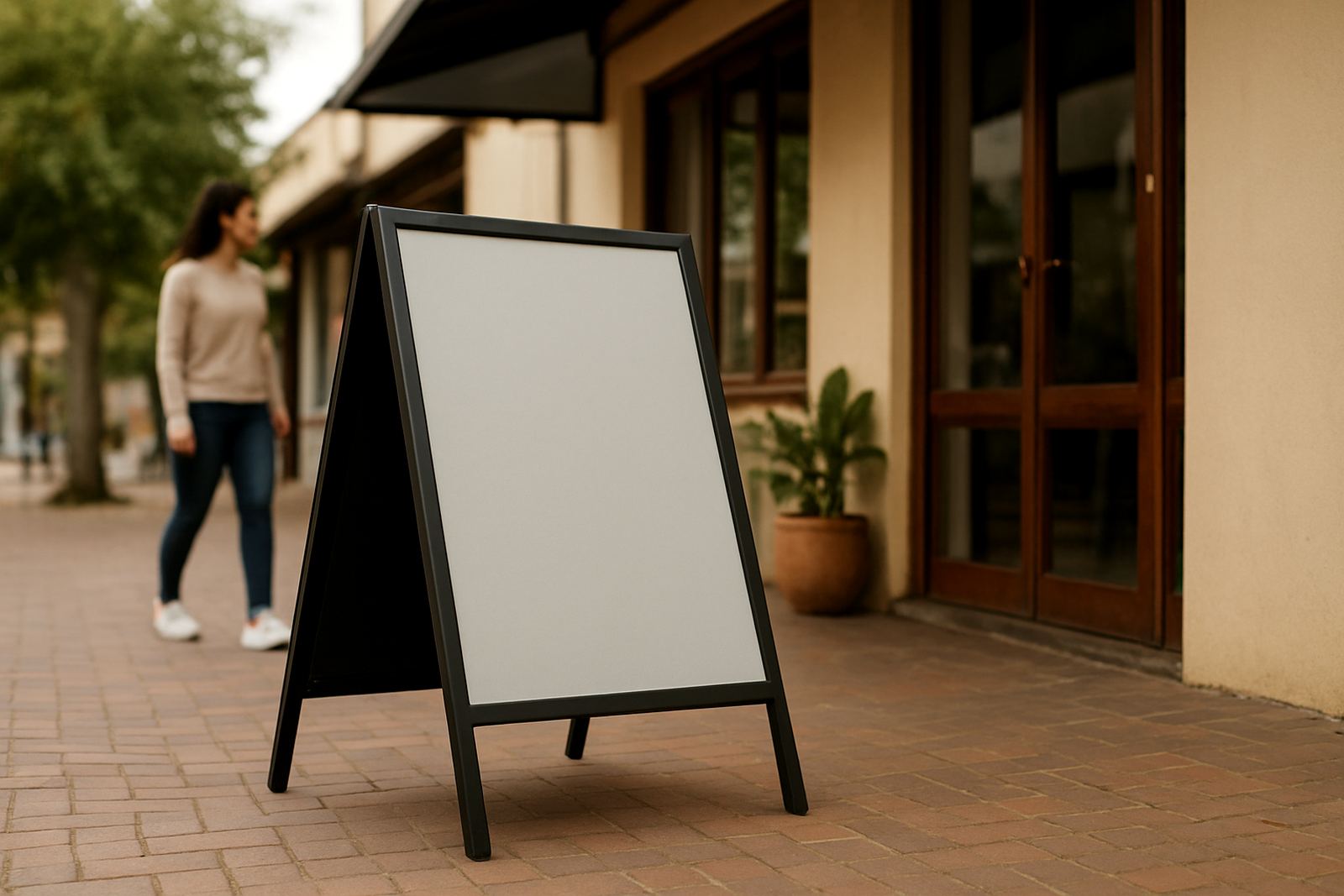
A-Frame Practicality

A-Frame Practicality

Pavement signs work best where foot traffic is close and local rules allow them.

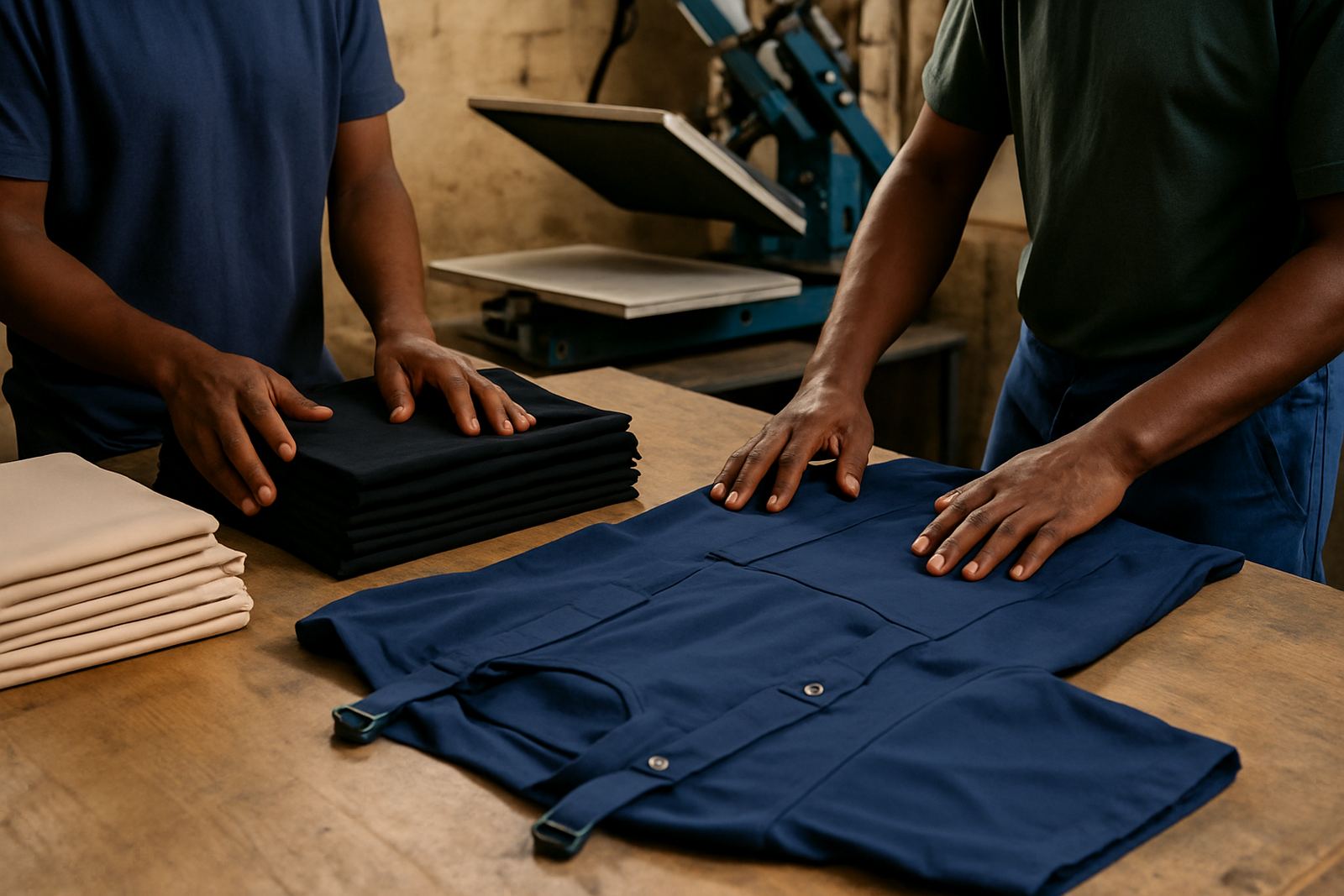
Garment Printing Uses

Garment Printing Uses

Printed garments support staff identification, campaigns, events and practical workwear branding.

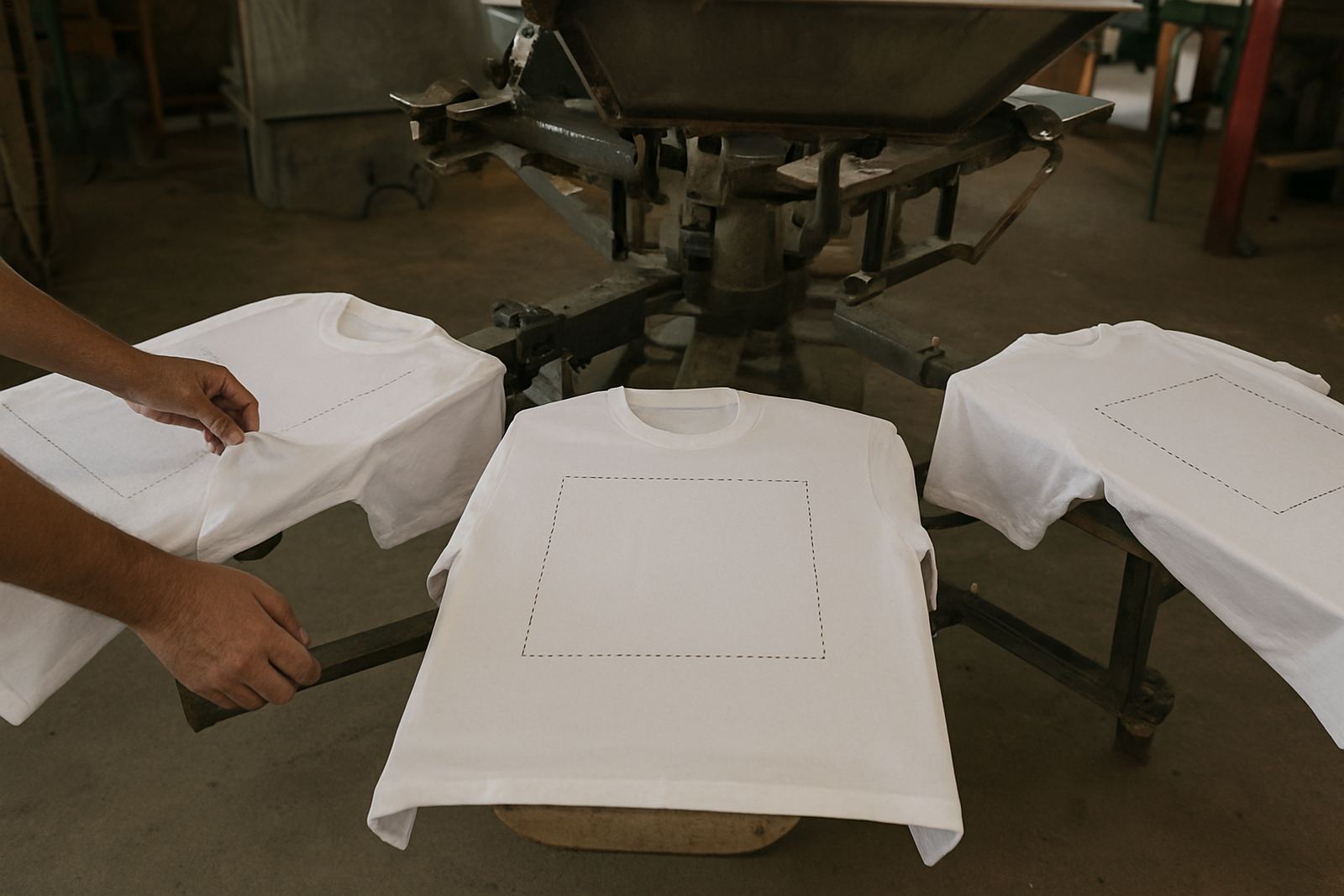
T-Shirt Print Placement

T-Shirt Print Placement

Chest, sleeve and back placements each serve different branding purposes.

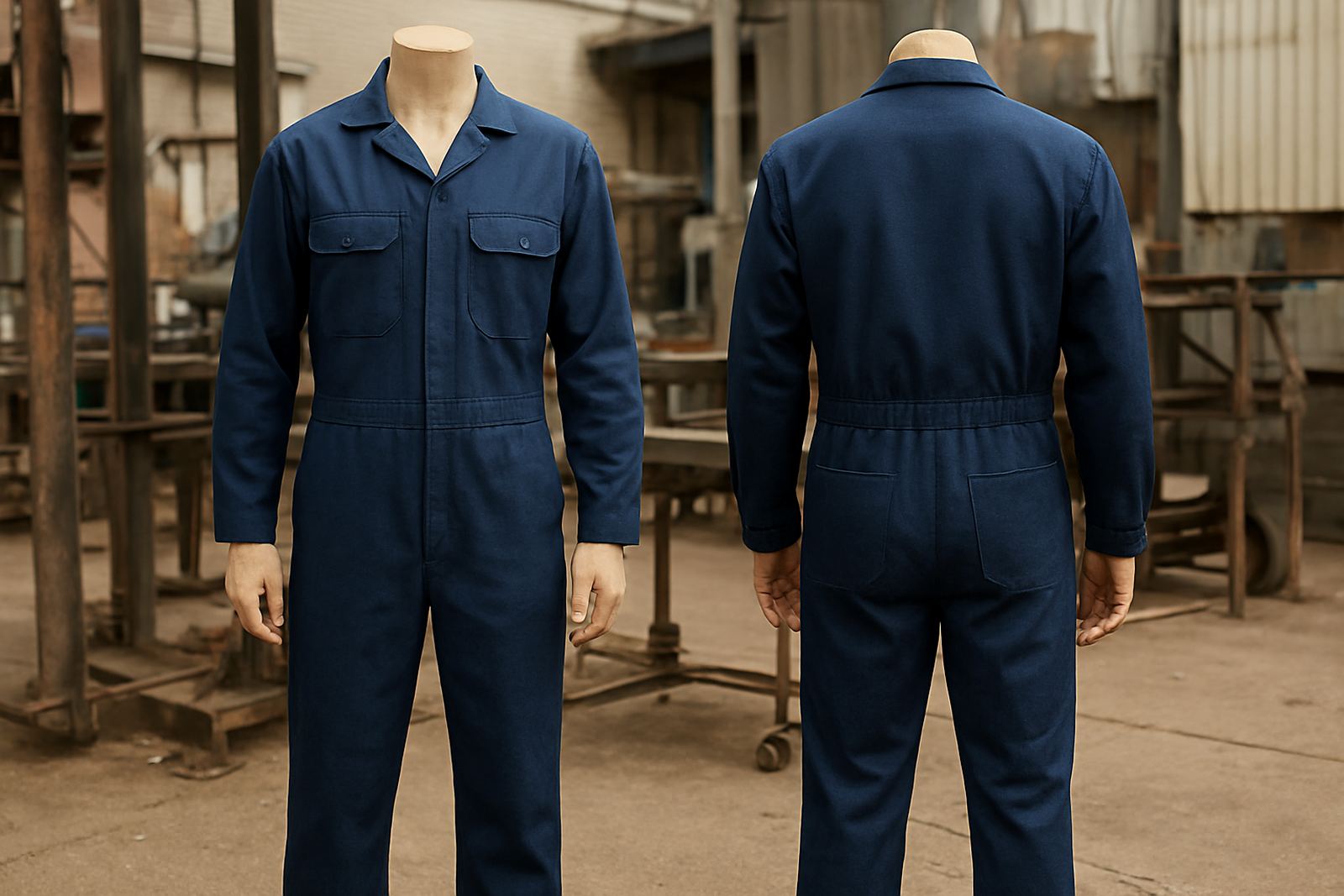
Overall Branding Tips

Overall Branding Tips

Workwear prints should be sized for visibility without affecting comfort or garment use.

Ribbon Printing Ideas

Ribbon Printing Ideas

Branded ribbon is useful for ceremonial openings, hampers and premium packaging touches.

Gift Branding Small Runs

Gift Branding Small Runs

Small branded gift orders can still create a polished event or client handover.

Vehicle Graphics Downtime

Vehicle Graphics Downtime

Planning fitment windows properly helps reduce disruption to working vehicles.

Partial vs Full Wraps

Partial vs Full Wraps

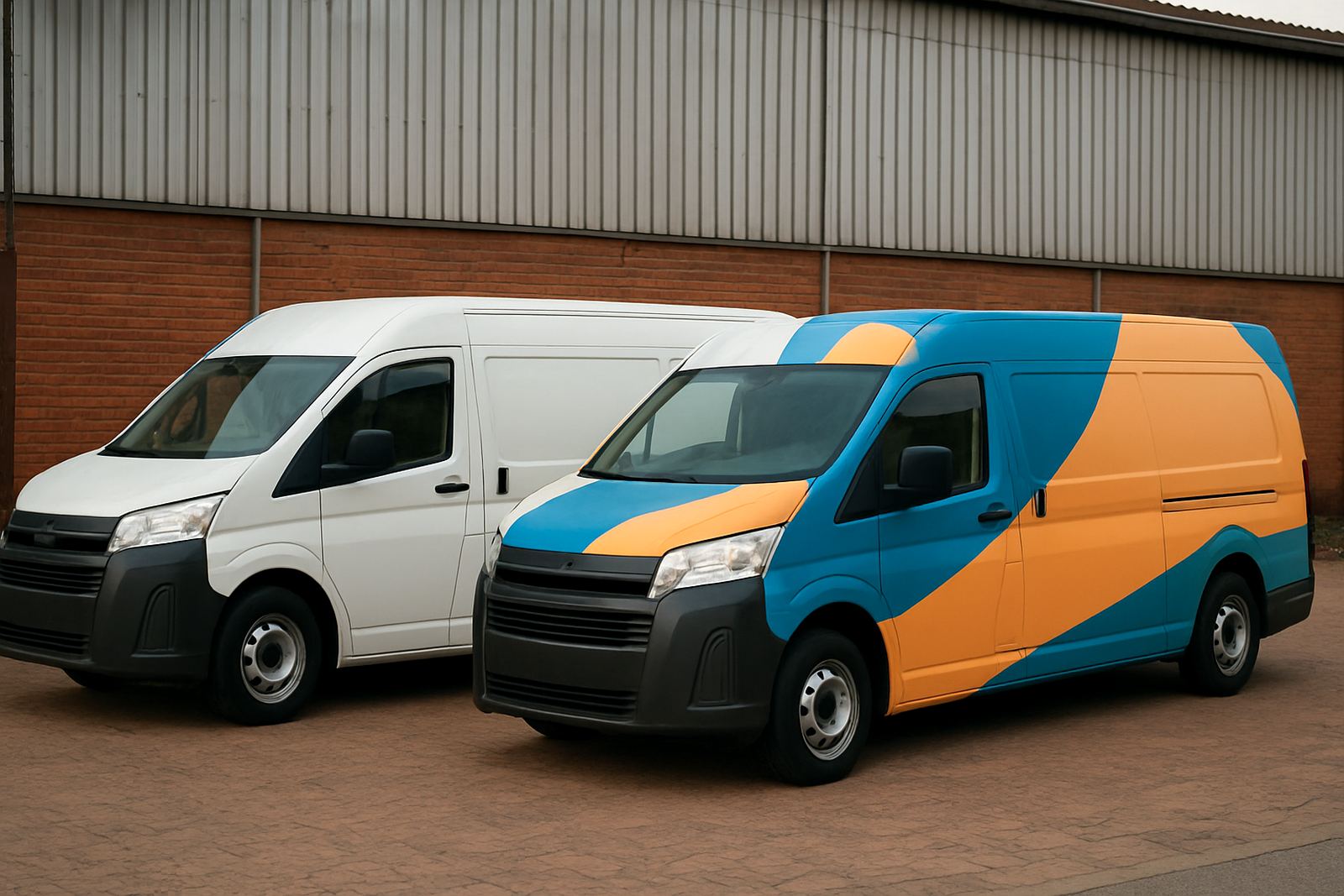
Many fleets get good results from partial coverage without paying for full wraps.

Window Hours Lettering

Window Hours Lettering

Trading hours and contact details should be neat, current and easy to find.

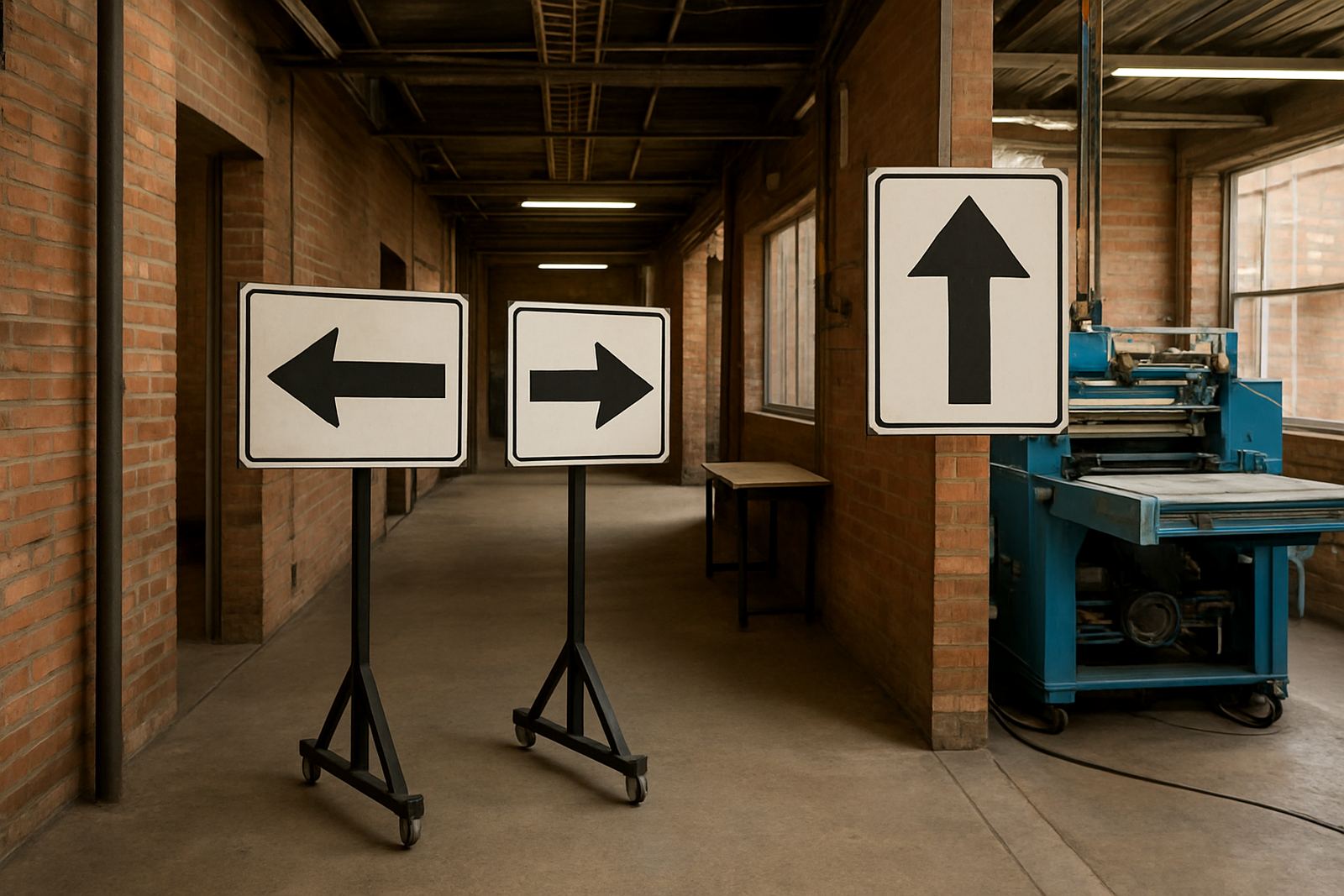
Wayfinding Common Mistakes

Wayfinding Common Mistakes

Poor arrow direction and late placement cause confusion even with attractive signs.

Multi-Site Sign Consistency

Multi-Site Sign Consistency

Consistent sizes, colours and wording help businesses look unified across locations.

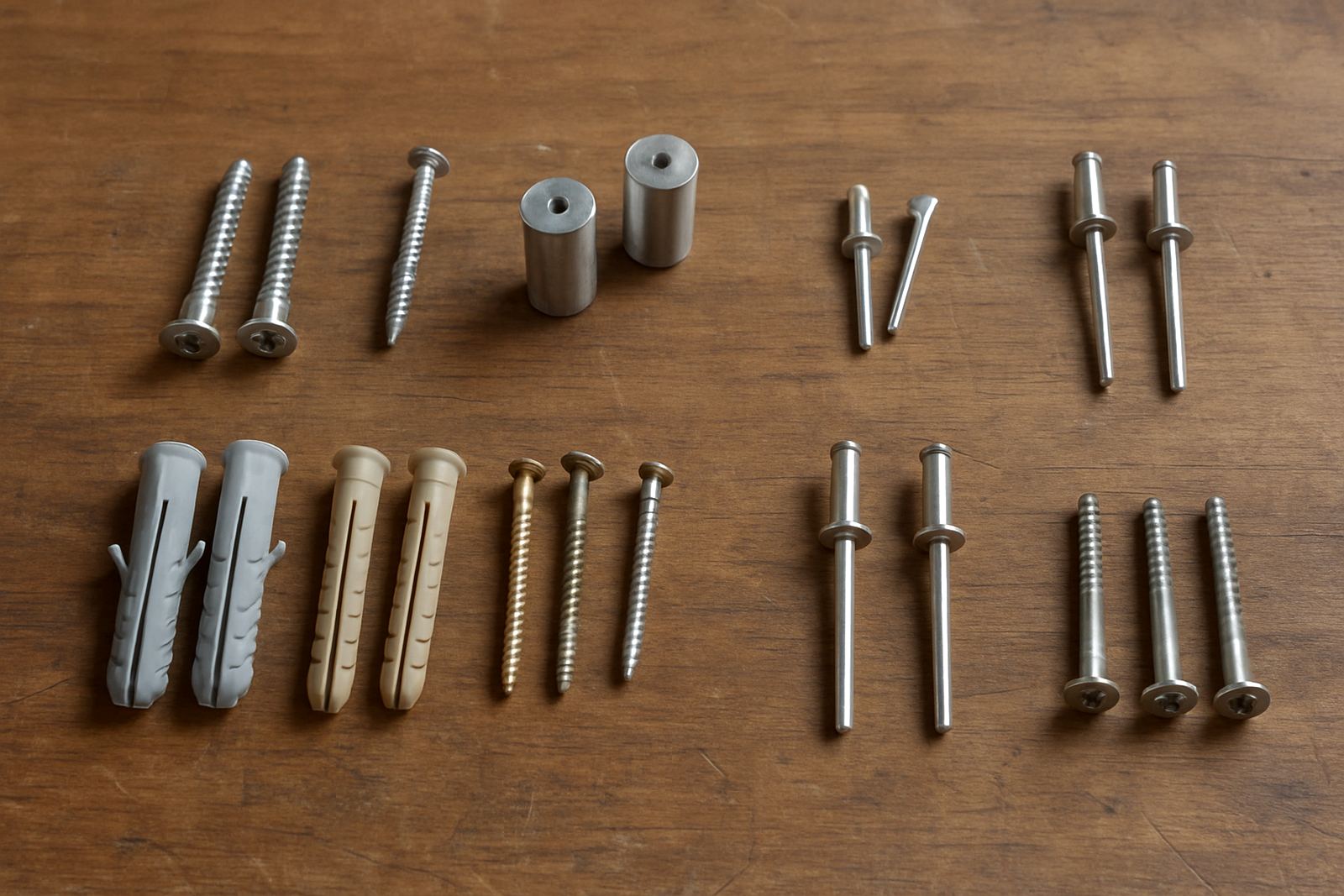
Sign Fixings Explained

Sign Fixings Explained

Fixings vary by wall type, panel weight, wind load and access conditions.

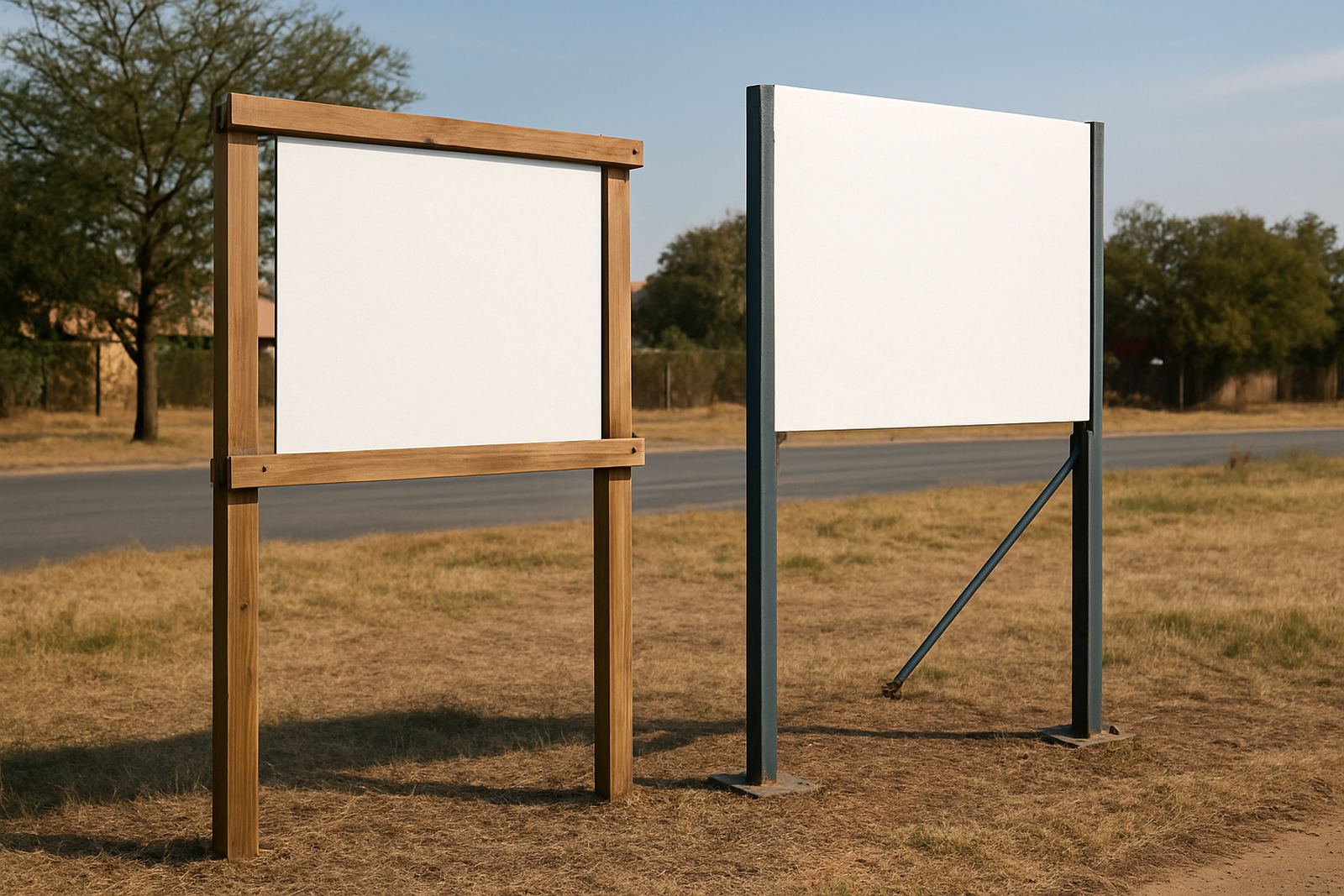
Steel Or Timber Posts

Steel Or Timber Posts

Board supports should match the board size, ground conditions and expected lifespan.

Reflective Sign Uses

Reflective Sign Uses

Reflective elements can improve visibility for traffic, yards and low-light access points.

How to choose the right sign for your site or business

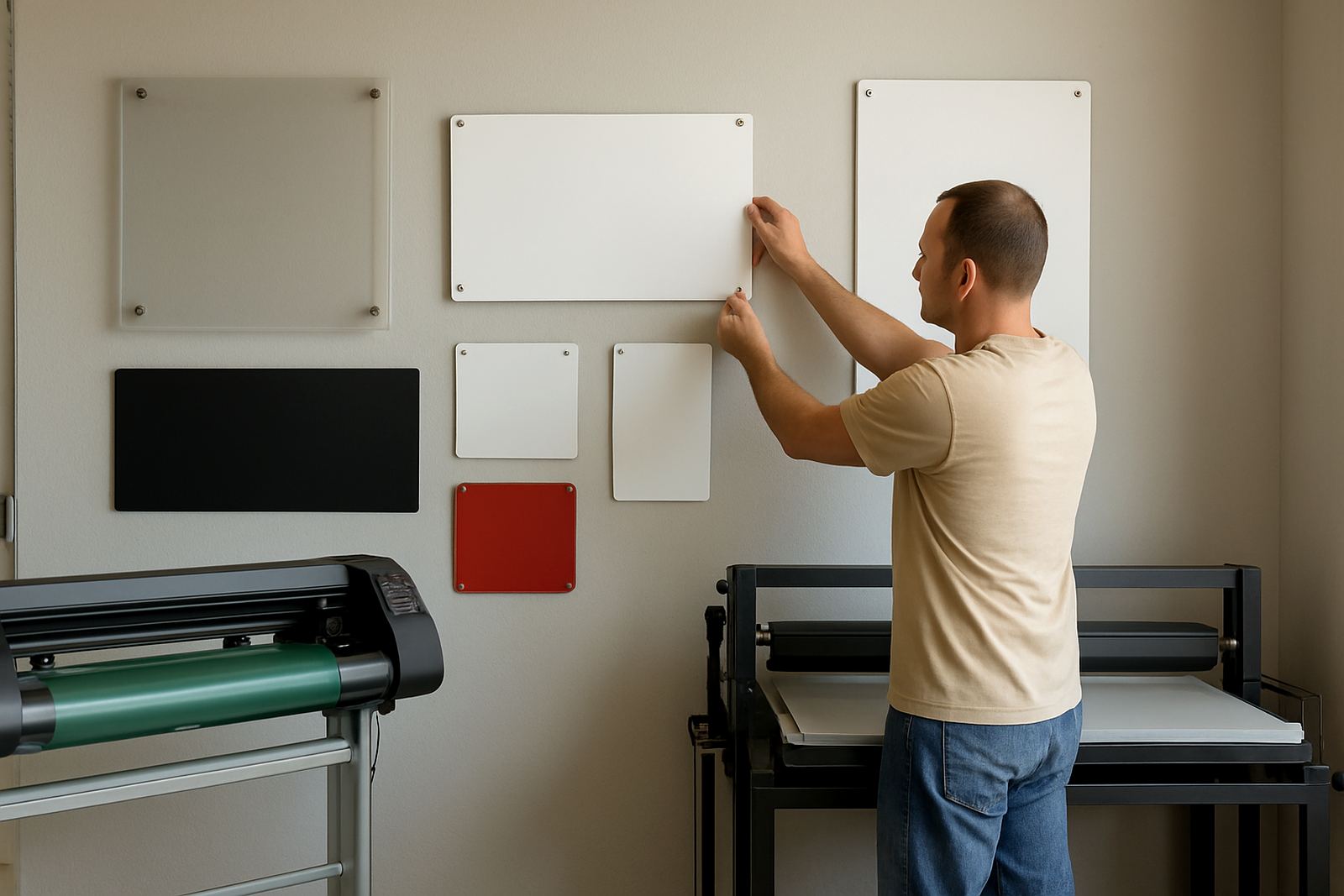
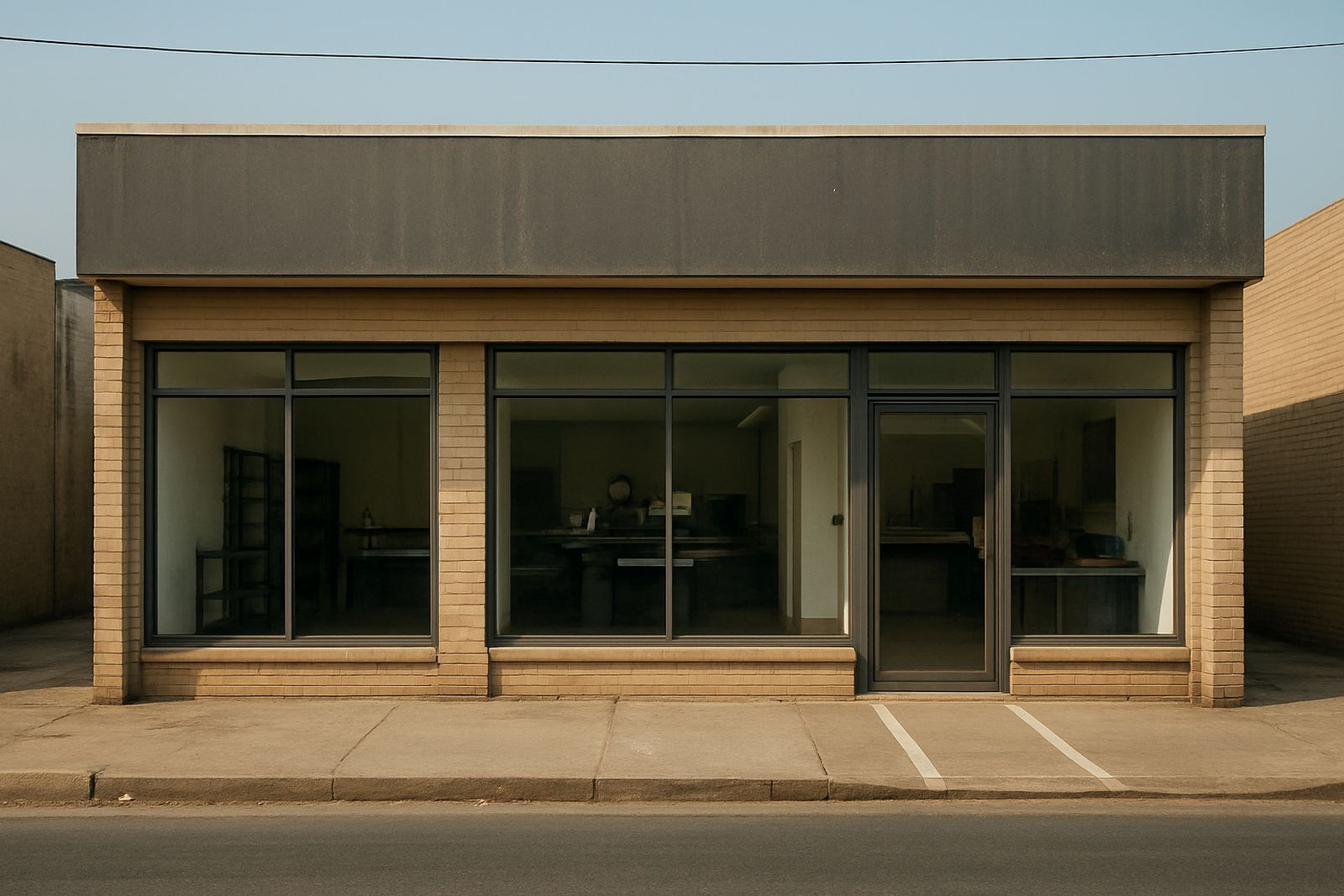
Start with where the sign will live. A roadside board in Boksburg needs different material and fixing to an indoor name plate in Germiston or a shopfront panel in Kempton Park. Sun, dust, wind and municipal by-law limits all matter, as does whether the sign must be seen from 5 metres or 50 metres.

For many businesses the choice comes down to three things: how long the sign must last, how often the wording changes, and whether the surface is flat or uneven. A simple cut vinyl panel may suit a gate sign or office door, while a printed board is better for full colour artwork and larger messages. If the site gets afternoon heat or coastal-style humidity from warehouses and wash bays, ask about the fixings too.

  • Use cut vinyl for clear wording, arrows, opening hours and unit numbers.
  • Use printed boards for logos, photos, safety notices and estate-agent boards.
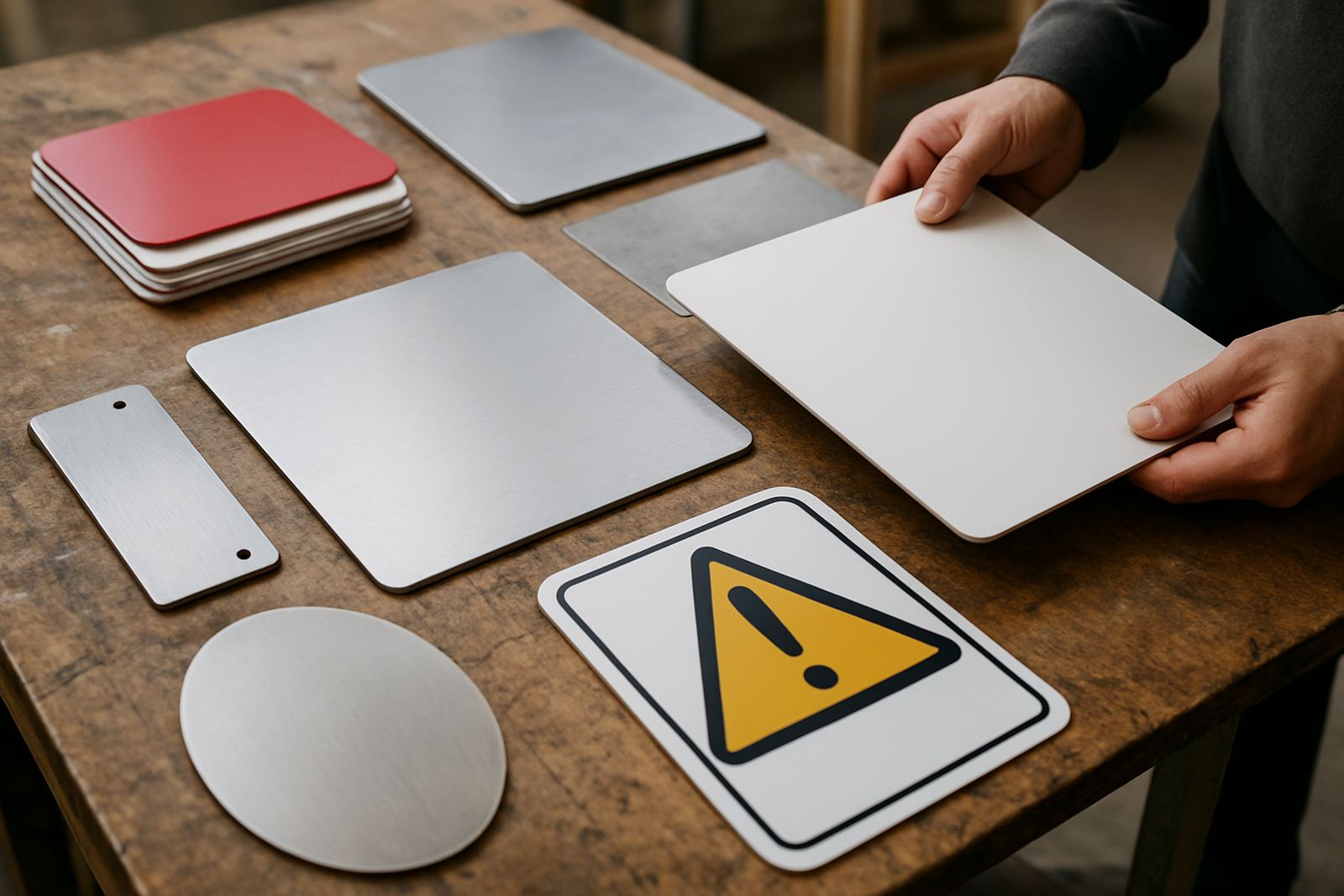
  • Use metal or rigid board where wind, traffic or repeated handling is expected.
  • Choose removable lettering if lease rules or tenant changes are likely.

Boards, lettering and vehicle marking explained simply

Many clients want to know whether to use a board, vinyl lettering, or full fleet marking. The answer depends on distance, movement and budget. Boards are best when the message stays in one place. Vinyl lettering works well on windows, walls, doors and smooth panels. Vehicle marking needs careful measuring so the layout sits square on doors, tailgates and canopies.

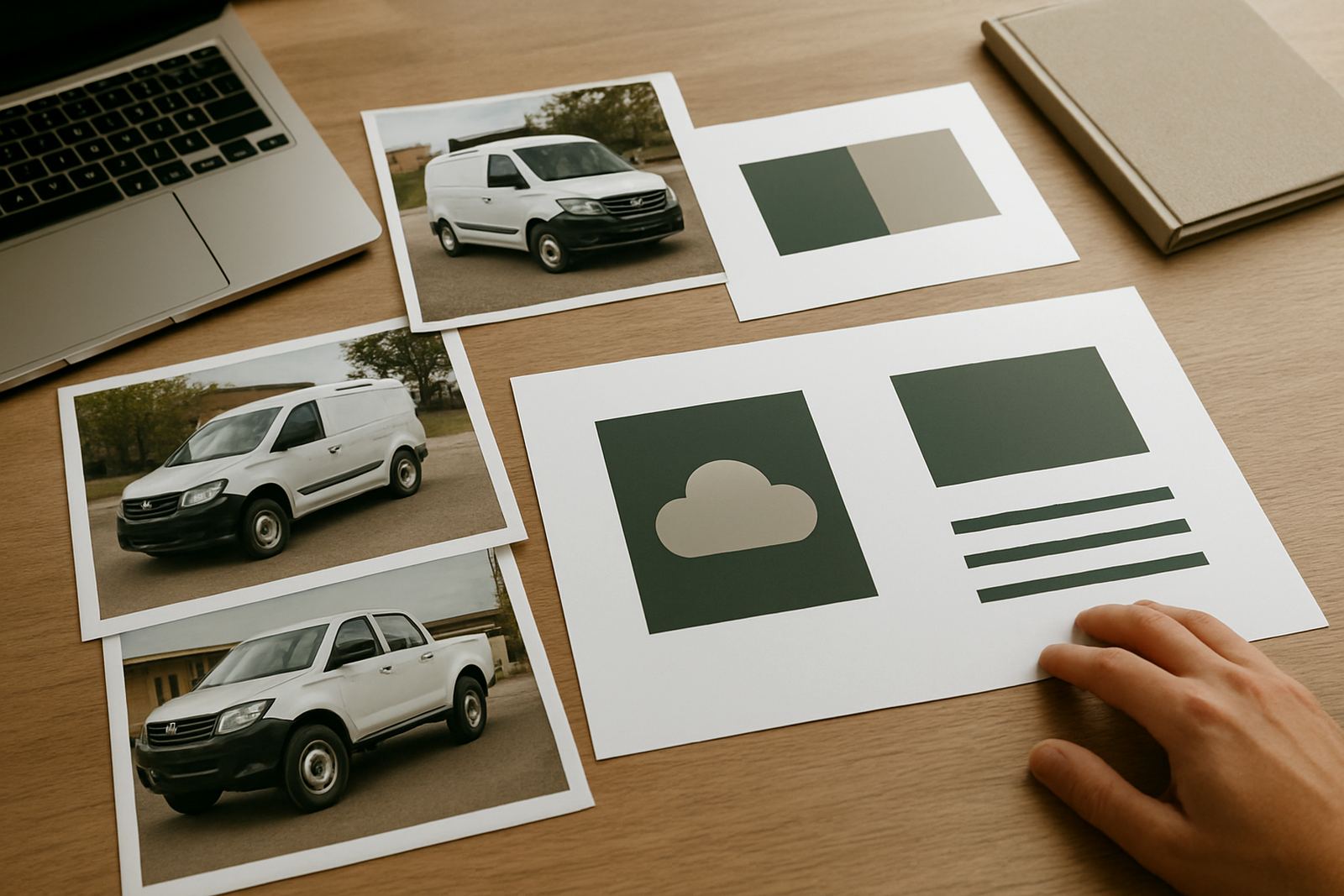
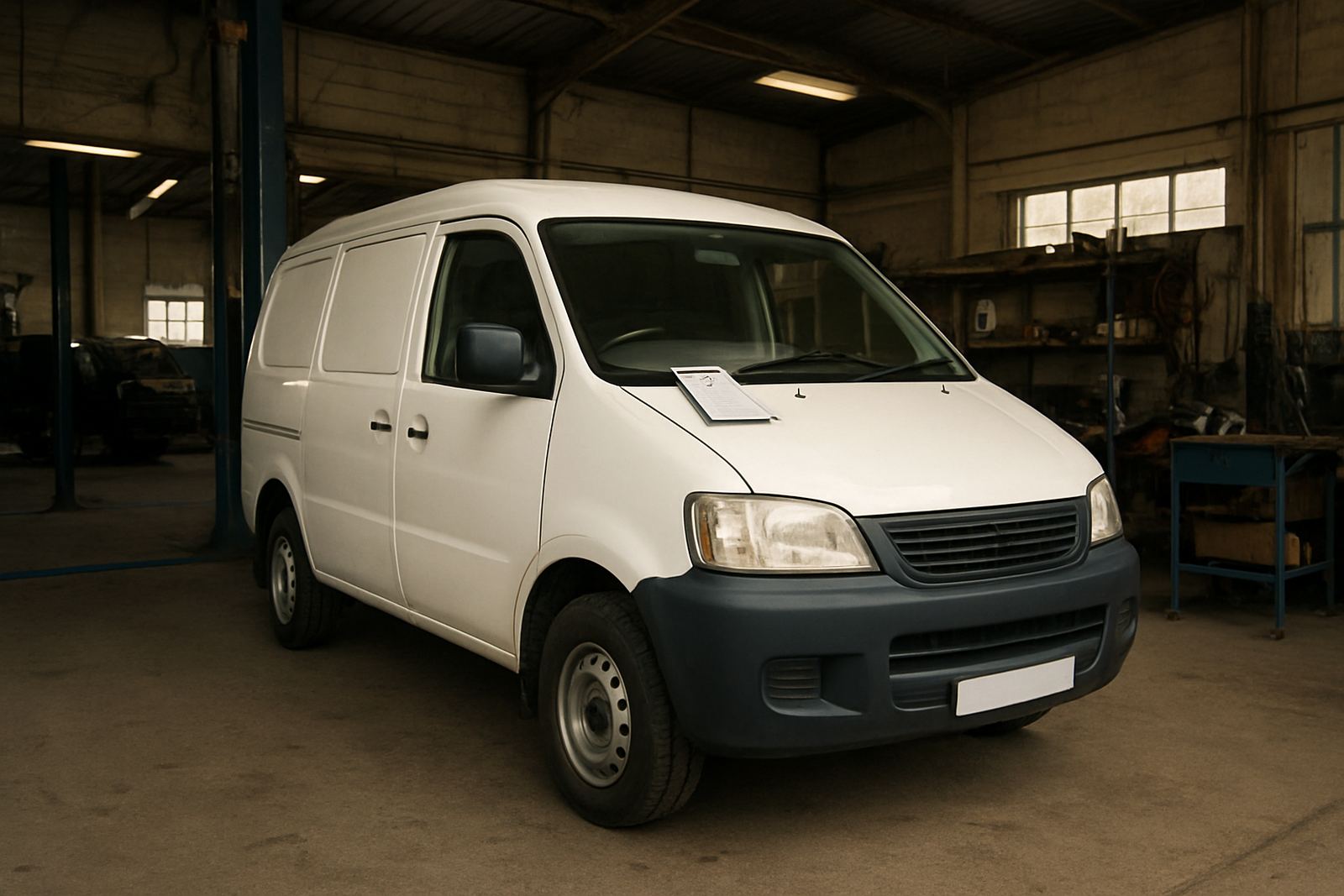
For company vehicles, we usually look at the panel size, the paint finish and whether the fleet runs day and night. Bright artwork helps in traffic, but on white or silver vehicles a smaller, cleaner layout can be easier to keep neat. If a bakkie is used on construction sites or in the rain, the edges and corners need proper prep, otherwise the film lifts. That part is often where rushed jobs fail.

  • Board mounting suits permanent messages and street-facing signs.
  • Vinyl cutting suits letters, numbers and simple logos.
  • Vehicle fitment suits cars, vans, bakkies and light trucks.
  • Refurbishment helps when a sign is still sound but faded or dirty.

What to expect from a site survey and artwork setup

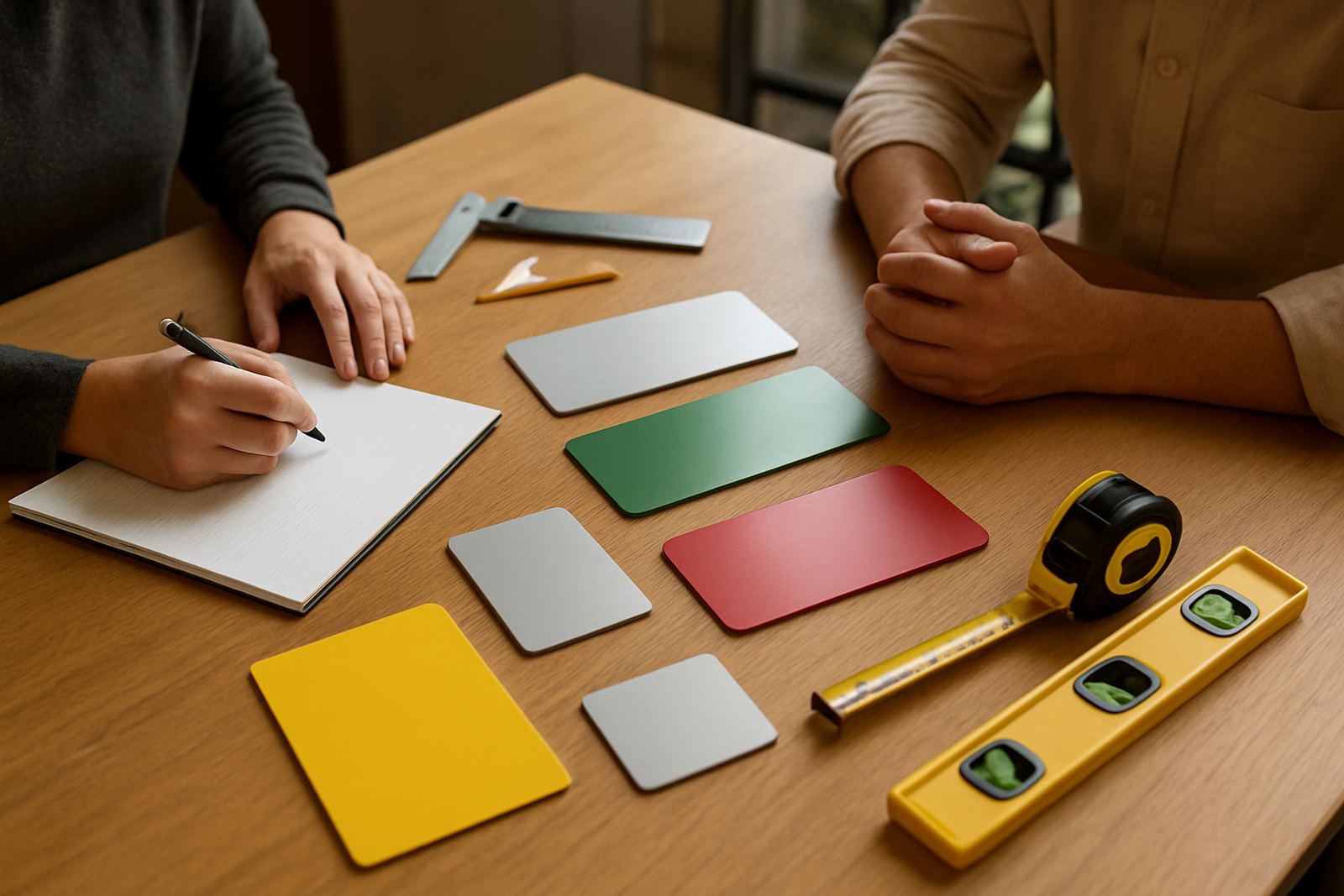
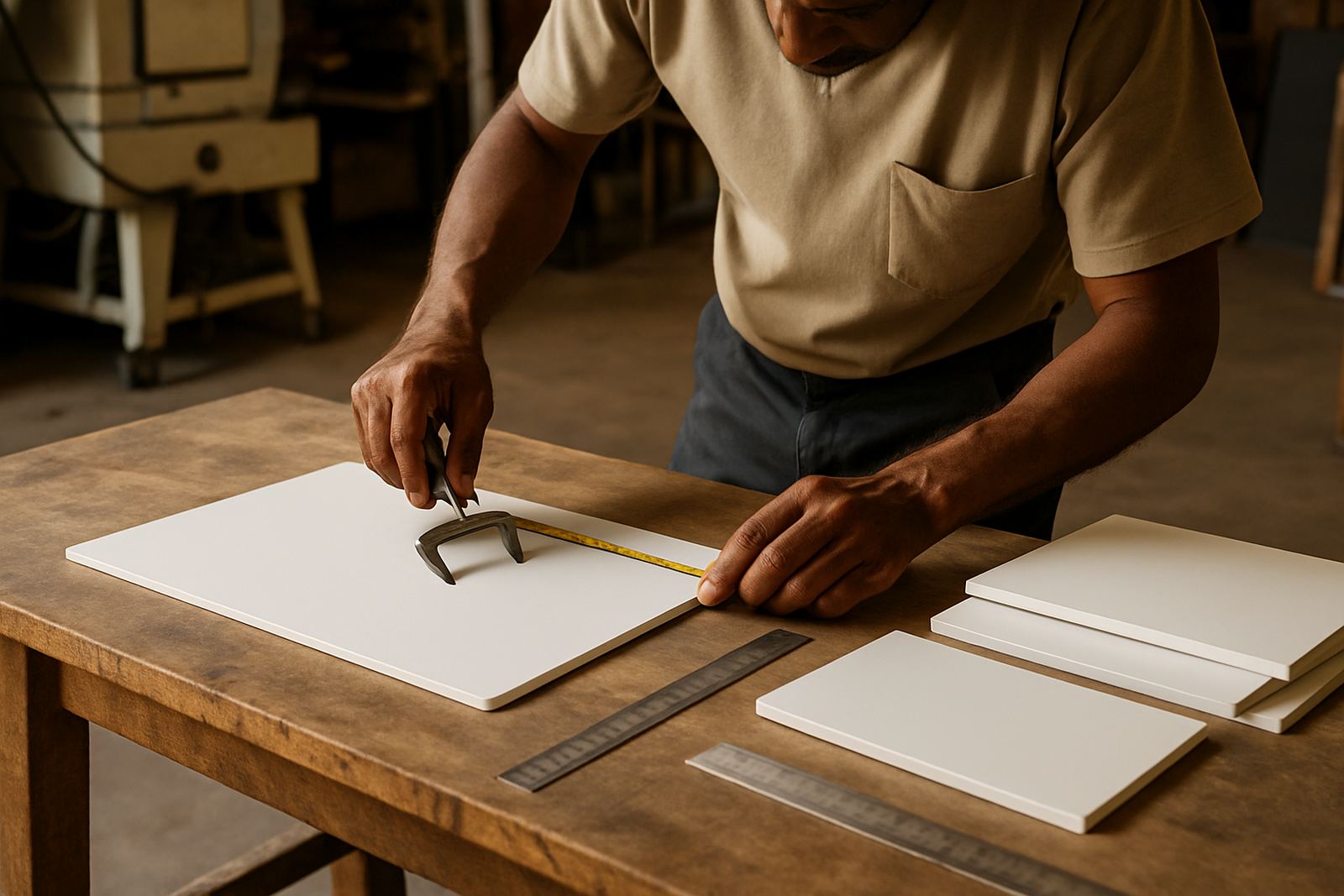
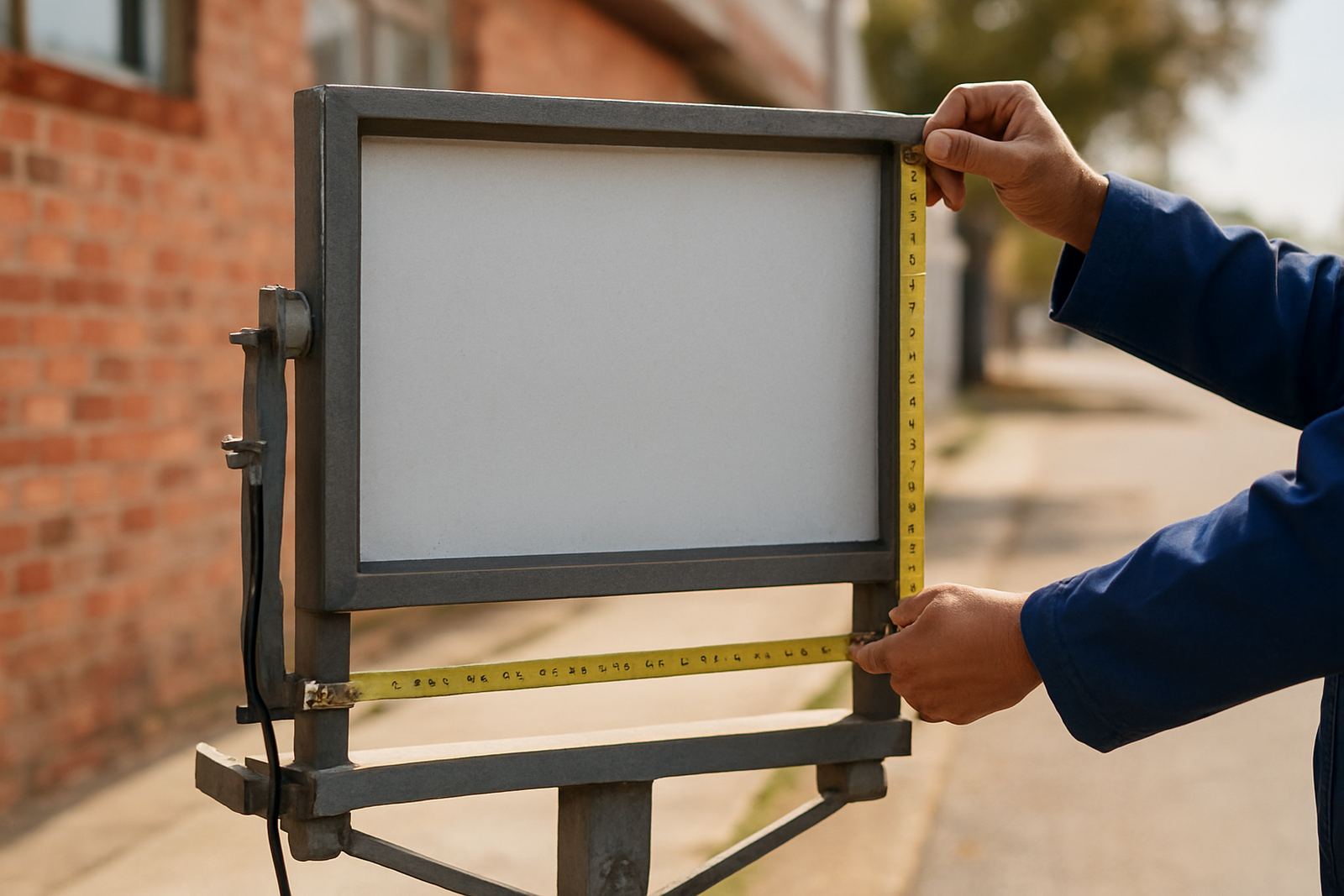
A proper site survey saves time later. It tells us where the sign can go, what size will read well, and whether there are power points, pipes, awnings or uneven walls in the way. In Ekurhuleni some sites also need confirmation before drilling into a shared wall or fitting anything that faces a public pavement.

Artwork setup is more than moving a logo around. Text must be readable at the right distance, colours need enough contrast, and the file must suit the print or cutting method. If the client only has a low-resolution logo, it may still be workable after cleanup and layout changes. We keep it practical and if a design will cost more to make or install, we say so before the job starts.

  • Measure the wall, gate or vehicle panel before approving the final size.
  • Check access for ladders, scaffolding or a cherry picker if needed.
  • Confirm whether the sign is for inside use, outside use or both.
  • Ask for a layout that shows wording, sizes and mounting position.

Printing for T-shirts, overalls, ribbons and gifts

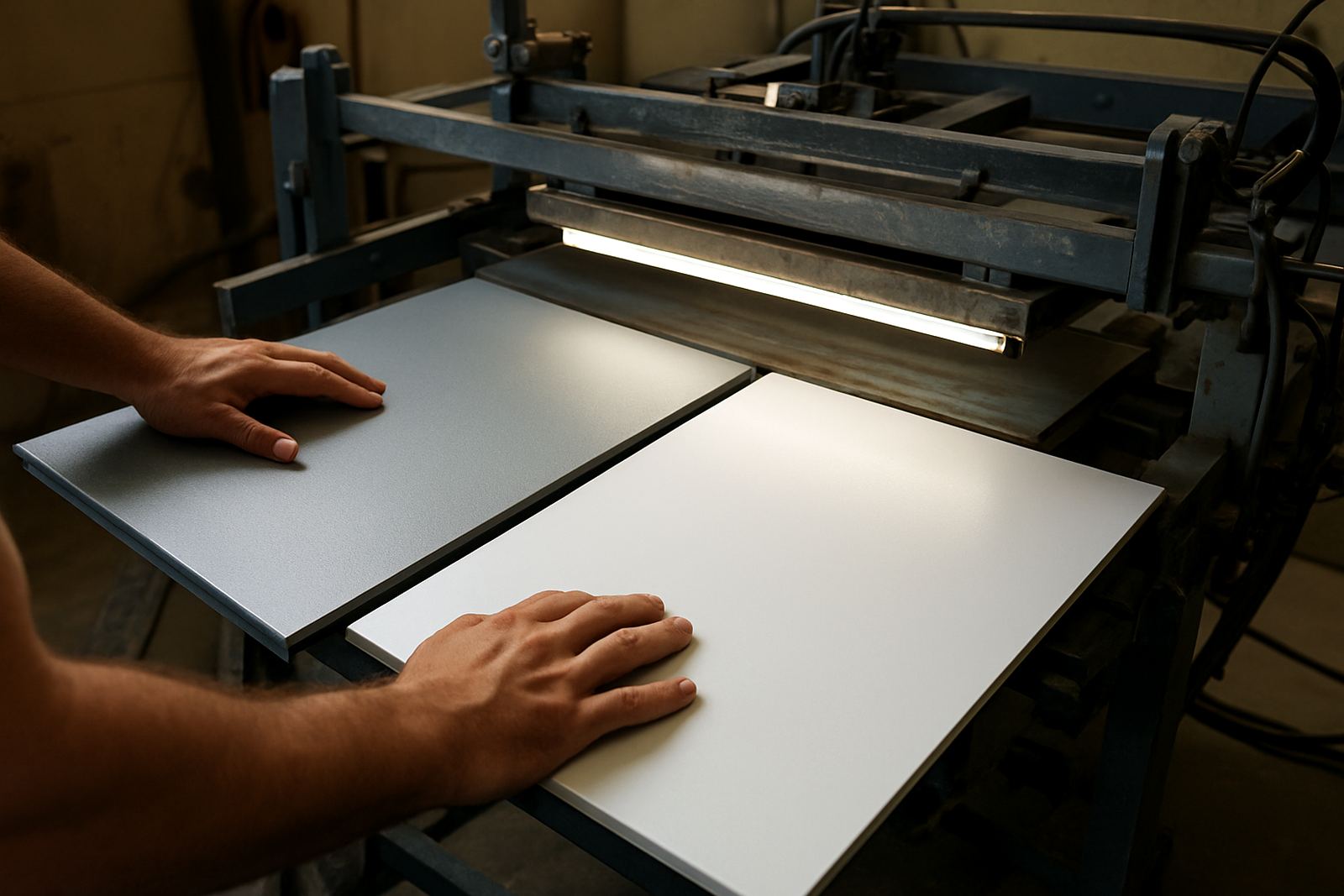
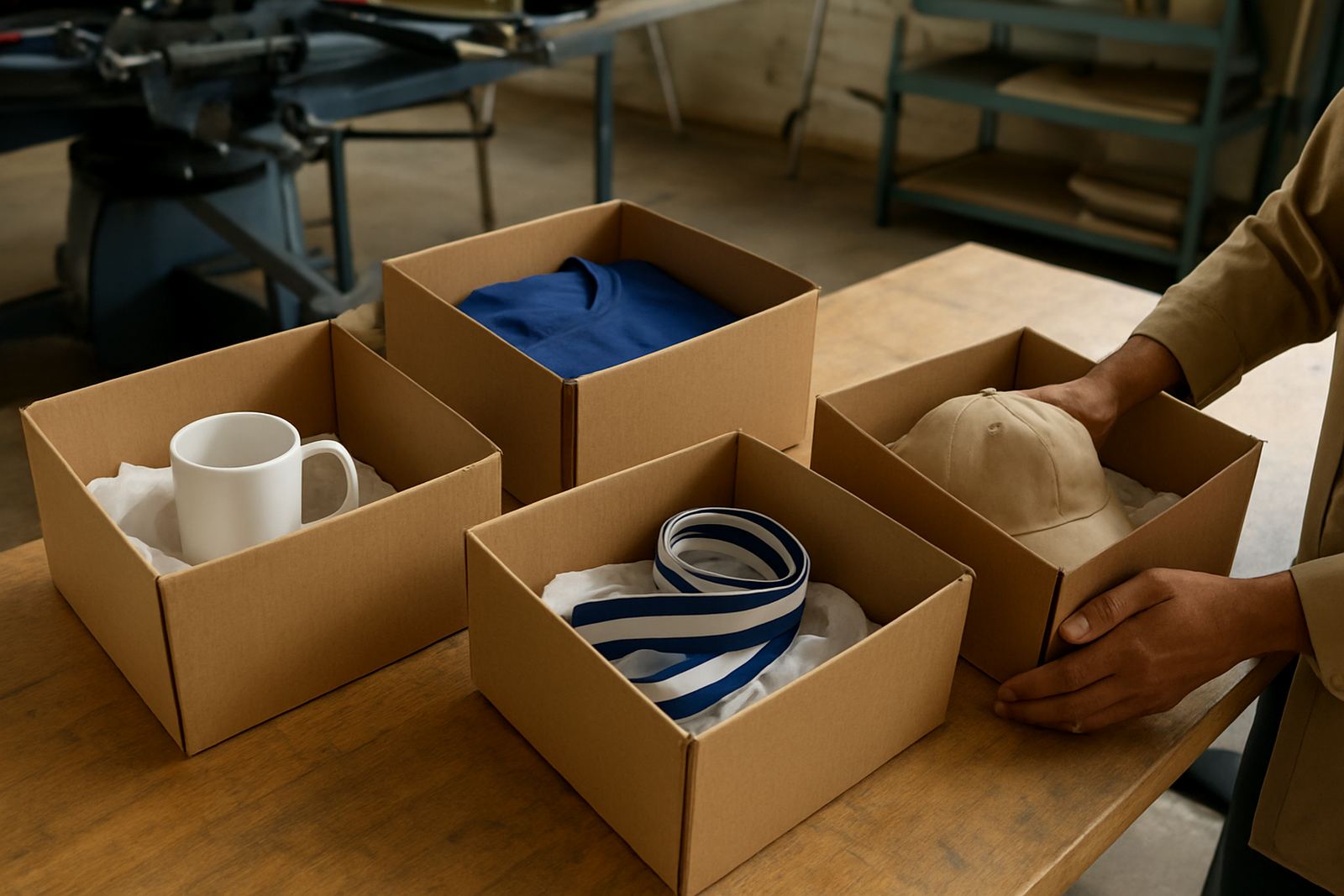
Silkscreen printing is still the right choice for many practical items. It is commonly used for staff T-shirts, work overalls, event ribbons and corporate gifts where you need repeat quantities and consistent colour. For businesses in Boksburg, Benoni and Springs, it works well when the branding has to look tidy on a working garment, not just on a sample.

The item type matters. Heavy cotton overalls take ink differently to lightweight T-shirts, and small lettering on a ribbon needs sharper spacing than a logo on a gift bag. If the garments will be washed often or worn in workshops, choose a print position that avoids heavy wear on elbows, pockets and seams. That small detail helps the print last longer and saves re-ordering too soon.

Questions we get asked

Do you help with sign choice if we are unsure what fits our site?

Yes. We look at the site, the viewing distance, the surface and the budget, then recommend the most practical option for that job.

Can old signs be cleaned up or changed instead of replaced?

Often yes. If the board or frame is still sound we can look at refurbishment, vinyl removal, repainting or new lettering, depending on the condition.

Do you handle installation across Gauteng or only in Boksburg?

We make and install signs across Ekurhuleni and greater Gauteng, including areas such as Benoni, Germiston, Kempton Park, Alberton, Springs, Edenvale and Midrand.

Planning something? Send the team a message.

Contact form