
Estate signage that keeps movement clear
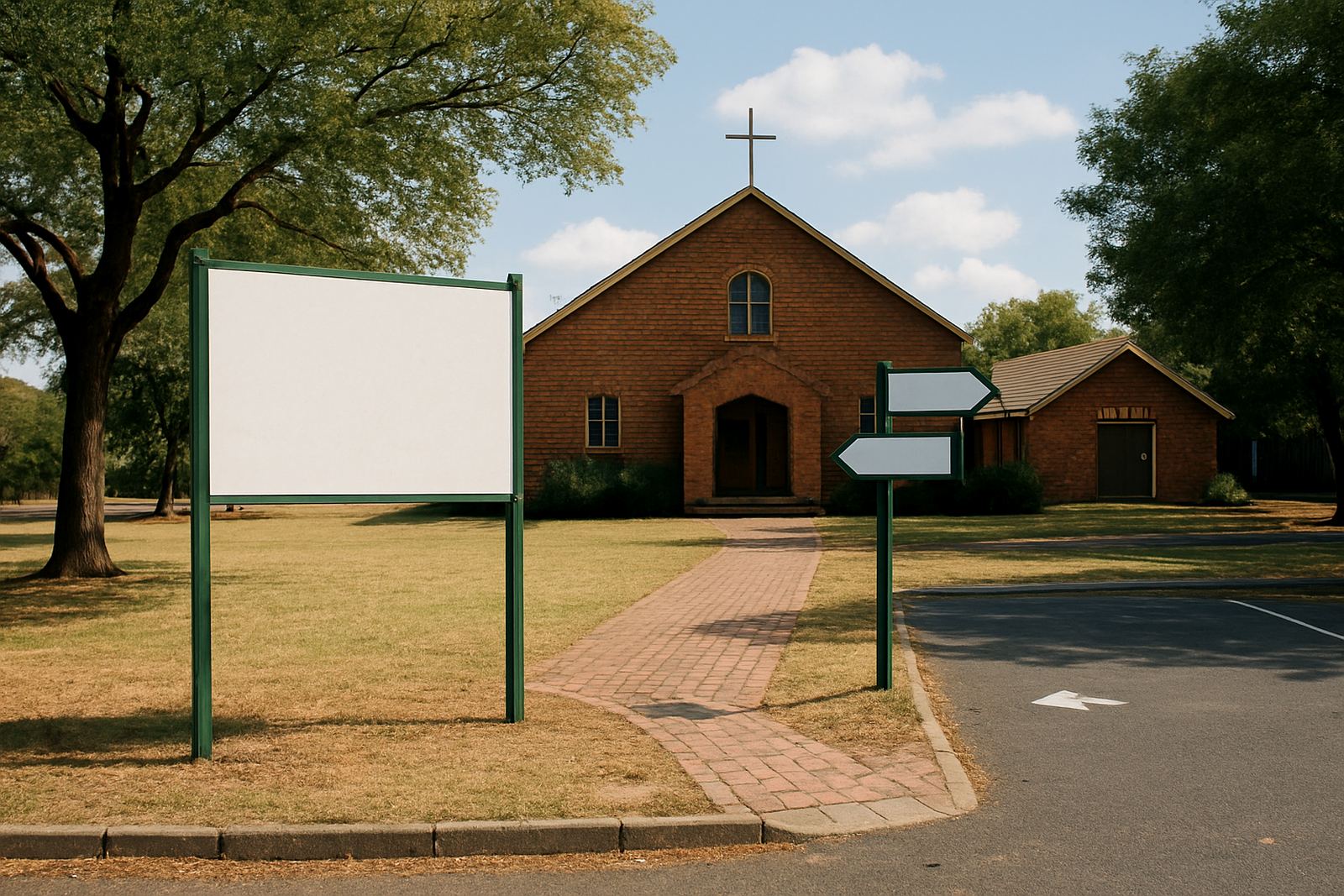
In an estate, every sign has a job. Residents need to know where to turn, visitors need to find the right house, and security staff need clear information that can be read quickly from a car window or on foot. Good estate signage reduces confusion at deliveries and helps the whole property feel ordered from the first point of entry.
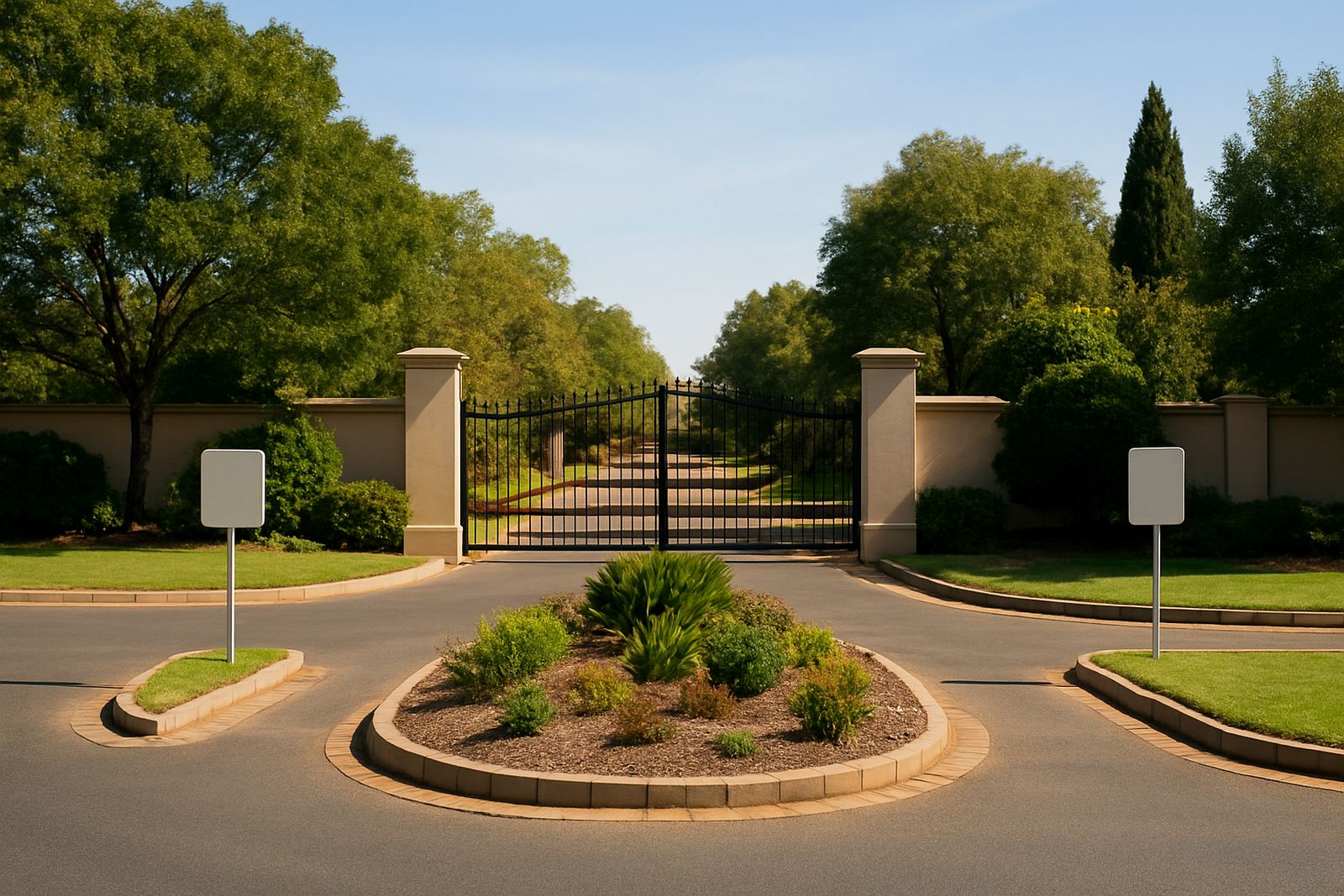
We make signage for gated communities, townhouse complexes, sectional title schemes and larger residential developments. That includes entrance boards, wayfinding signs, rules panels, braille where required, parking notices, pool and clubhouse signs, speed limit boards and directional arrows. For estates with multiple phases or entrances, we can match the style across all boards so the site looks consistent, not pieced together over time.
- Entrance identity boards
- Visitor and resident directional signs
- House numbering and street identifiers
- Parking, speed and access control signs
- Amenity signs for pools, gyms, play areas and clubhouses
Typical sign set for a residential estate
Most estates do not need one big sign only. They need a set of smaller signs that work together from the boundary wall to the internal roads and shared spaces. We normally start with the traffic flow, then add the information people need once they are inside. If the estate has strict security access, signs should also support the guardhouse process and visitor instructions.
Common materials include aluminium composite boards, flat cut lettering, perspex faces, safety vinyl, reflective film for low-light visibility and posts or wall mountings where a board must stand clear of landscaping. In coastal parts of Gauteng, or where sprinklers and humidity are a factor, we advise finishes that hold up well and won’t rust quickly. For estates that rely on evening access, reflective or illuminated options may be worth considering, especially at busy entrances and bends.
- Board sizes from small wall plates to large gateway panels
- Vinyl lettering for rules and unit markers
- Reflective elements for speed and stop instructions
- Durable fixings for brick, plaster, palisade or steel frames
- Optional maintenance visits for cleaning, tightening and replacement
Layout and planning advice before anything goes into production
Estate signage works best when the layout is planned from the user’s point of view. A visitor arriving for the first time should know where to stop, where to sign in and which road leads to the correct section without needing to reverse or ask twice. That means thinking about sight lines, turning radius, gate position, street naming, lighting and where residents naturally look while driving.
We usually recommend a site survey before manufacture. It helps with measurements, mounting points and the right sign sizes for the distances involved. It also avoids a common problem where a board looks fine on paper but ends up hidden by a tree, too close to a boom gate, or too small for fast-moving traffic. Good planning also means checking estate rules, municipality requirements and any approval process the body corporate or managing agent needs before installation.
When multiple signs are required, we can help set the hierarchy so the most important message is seen first. Gate instructions should not compete with amenity notices, and directional signs should not be crowded by too much wording. Short, direct wording usually works best.
Common mistakes that cause problems later
We often see estates that started with a few quick signs and then had to patch the system later. The result is mixed colours, different letter heights and boards that conflict with one another. That can make an otherwise neat property look untidy, and it often confuses delivery drivers and new residents. It also creates extra replacement cost when one sign fails and the rest no longer match.
Another mistake is overloading a sign with too much text. If a rule notice tries to cover every possible scenario, nobody reads it. Better to split the information into a main rule board, a separate parking notice and a small sign for special instructions. Poor placement is also common. A sign behind shrubs or under a dark overhang will not do its job, even if the artwork is perfect.
- Using one-off styles instead of a consistent estate standard
- Mounting signs too low, too high or behind landscaping
- Choosing materials that fade, warp or rust too quickly
- Mixing fonts and colours across different entrances
- Leaving out visitor flow signs at the gatehouse
Budget ranges for estate signage in Rand
Budget depends on size, material, quantity and whether installation is included. A small estate might only need a handful of boards for the entrance and internal rules, while a larger development may need dozens of signs across several streets and common areas. We can work from a simple replacement list or from a full estate signage schedule if the development is being updated in stages.
As a guide, smaller flat signs and simple vinyl panels can start in the low hundreds per item, while larger gateway boards, reflective boards and custom mounted units can move into the thousands. A practical starter package for a compact estate may fall in the R3 500 to R12 000 range, while a more complete signage rollout for a medium to large estate can run from about R15 000 to R60 000 or more depending on quantity and finish. If you need removal of old boards, maintenance visits or repeated fitments across phases, we can price those separately.
For body corporates and managing agents, it is often better to phase the work by entrance, then by internal roads and facilities. That keeps disruption low and helps spread the budget without compromising on the main access points.
How we handle manufacturing and fitment
Our team in Boksburg handles site surveys, artwork setup, sign manufacture, vinyl cutting, board mounting, installation and follow-up maintenance. Michael Johannes van der Merwe oversees the business, with Lerato Mokoena managing sales, Johan Pretorius supervising production, Nokuthula Dlamini leading client care, Sibusiso Khumalo handling installations, Ayesha Patel coordinating artwork and Pieter Erasmus in the workshop. That means one team can take a project from measurement to fitment without unnecessary handovers.
We work across Boksburg, Benoni, Germiston, Kempton Park, Alberton, Springs, Edenvale and Midrand, as well as the wider Ekurhuleni and Gauteng area. If your estate needs new boards, replacement lettering or an updated sign schedule after a revamp, you can reach us through the enquiry form on our contact page. We can also advise on lead times, installation access and any timing around residents, security shifts or municipal restrictions. For estates with load-shedding concerns, durable non-electric options are often the most practical choice.