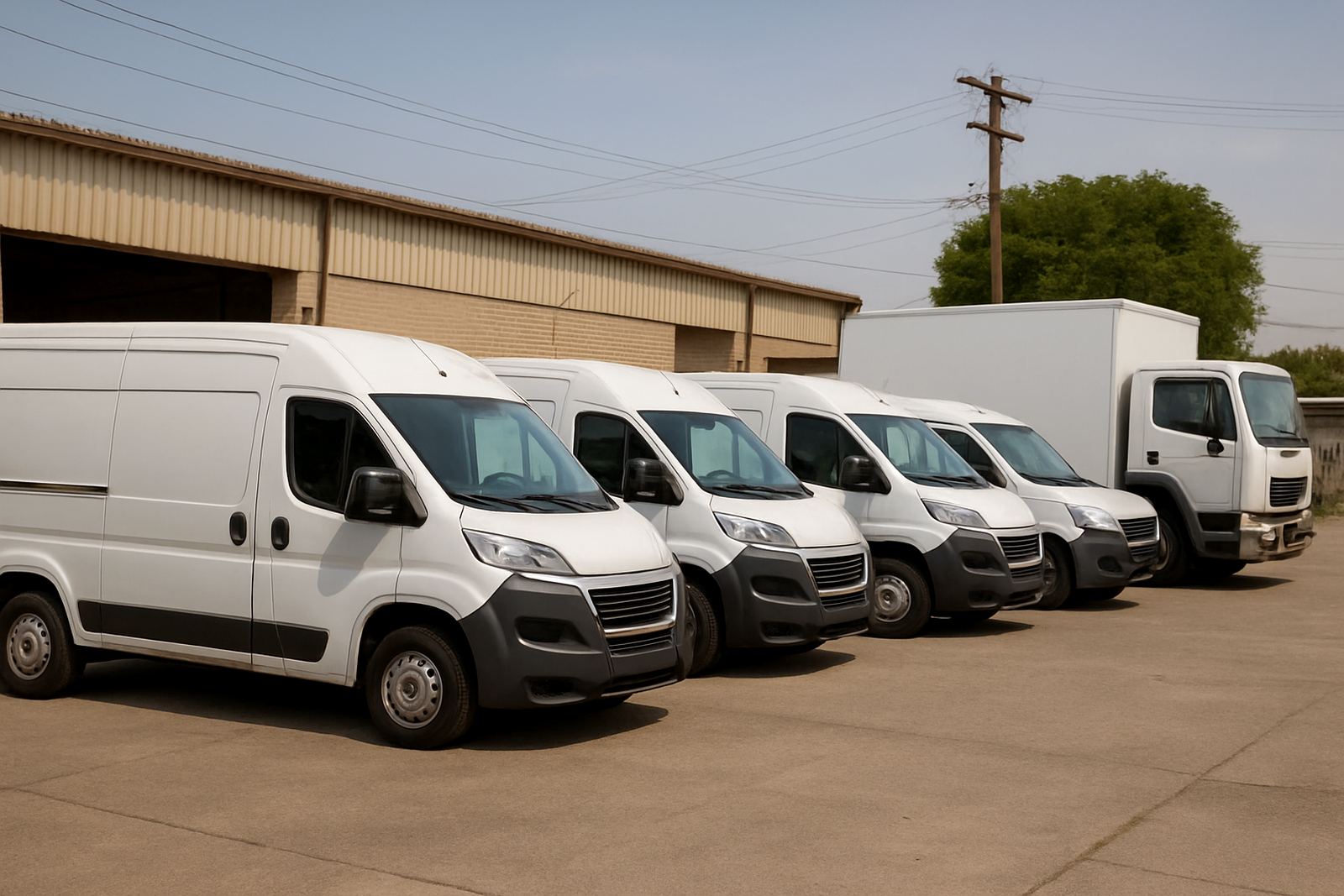
Why fleet branding matters for daily work vehicles
When a van, bakkie or service truck arrives at a site, it is carrying your name before the crew even steps out. That first impression affects how people treat your team, and in busy areas like Boksburg, Benoni, Germiston and Kempton Park it can also help with access control at factories, estates and municipal premises.
Good fleet branding is not only about looking neat. It helps with identity, security, repeat recognition and practical contact details when a vehicle is parked at a job. If your fleet is spread across different routes, drivers and shift patterns, standardised markings keep the business looking organised instead of patched together.
For companies working in building maintenance, plumbing, electrical, logistics, security or service support, branded vehicles also reduce confusion when several contractors are on one site. A clearly marked fleet is easier to manage and it often gives clients more confidence in who is on their property.
What we usually fit on vans, bakkies and trucks
The right sign set depends on the vehicle size, paint colour and how long the vehicle stays in service. Some clients want full side branding, while others prefer a cleaner layout with doors, tailgate and rear panels only. We can also work with mixed fleets where some vehicles are older, some are new, and all still need to match.
- Cut vinyl company names, contact details and service descriptions
- Door logos, bonnet markings and rear vehicle panels
- Reflective safety chevrons for service trucks and roadside work
- Magnetic panels for temporary use or short term branding
- Numbering, asset codes and branch identifiers for fleet control
- Trailer and canopy graphics for bakkies and light commercial units
Where needed, we can also fit safety wording, load notices, hazard markings and site access information. For coastal or high-sun conditions we recommend materials and finishes that hold colour better, because heat and UV can shorten the life of cheaper film. On vehicles washed often, especially municipal or service fleets, adhesion and edge sealing need proper attention or the corners start lifting.
Planning the layout before anything is cut
A proper fleet layout starts with the vehicle dimensions, body shape and the way the doors, handles and curves break up the side panels. A panel that looks fine on paper can sit awkwardly over a fuel flap or moulding, so we usually plan the artwork around the actual vehicle, not just a generic template.
For larger fleets, we often standardise the whole group in one direction: same logo placement, same font style, same phone block, same colour order. That way the fleet stays recognisable even when the vehicles are different models. It also makes reordering easier when a vehicle is replaced or repaired after an incident.
Good planning also means thinking about where the vehicle parks after hours. If it sits in open sun, under trees or near the coast, the finish may need a slightly different material choice. If it works at night, reflective elements can be worth adding. And if the vehicle is used on construction sites, the signage should avoid fragile edges where pressure washers or toolbox doors might catch it.
- Measure each vehicle properly before artwork approval
- Keep important text large enough to read from a few metres away
- Match colours to the fleet, not just to a single unit
- Allow for curves, handles, trims and fitted canopies
- Leave space for registration numbers and safety labels
Common mistakes that cost money later
One common mistake is trying to fit too much information onto one vehicle. When text gets too small, drivers on the road cannot read it and the whole job loses impact. Another problem is mixing fonts, colours and logo versions across the fleet, which makes the business look disjointed. In practice, less clutter usually works better.
Another issue is choosing the wrong finish for the job. Some vehicles need more durable markings because they are washed often or spend long hours in the sun. Others need vinyl that can be removed later without damaging the paint. If you know the vehicle may be sold or reallocated, that should be part of the planning from the start.
Installation timing matters too. If a vehicle has fresh paint, body repairs or ongoing mechanical work, the vinyl can fail if it is fitted too early. We usually check the surface condition, cleaning method and drying time before fitting starts. Skipping those steps often leads to bubbling, edge lift or peeling after a few weeks.
- Using lettering that is too small for fast reading
- Changing the logo style from one vehicle to the next
- Fitting over dirt, wax or moisture on the panel
- Ignoring curved areas and door gaps during layout
- Choosing a temporary solution for a long term fleet
Budget ranges for fleet branding in Rand
Fleet branding can be planned in stages, which helps when a business wants to brand new vehicles first and bring the rest in later. A basic set of door logos and simple contact details is usually the lowest cost option. Mid level branding with side text, rear markings and a stronger visual layout sits in the middle, while full coverage work with larger graphics and reflective additions costs more.
As a practical guide, smaller vehicle branding jobs may start from about R1,500 to R3,500 per vehicle for simple cut vinyl. More detailed work on bakkies, vans and service trucks often falls in the R3,500 to R8,500 range depending on size and design. Larger commercial units, reflective safety additions or more complex artwork can run from about R8,500 to R20,000 or more per vehicle. The final figure depends on the amount of material used, the number of sides fitted, the condition of the vehicle and whether removal of old vinyl is needed first.
If you are branding a full fleet, the cost per unit may come down a bit once the layout is approved and the same artwork is repeated across multiple vehicles. We also handle maintenance visits, vinyl removal and refurbishment when a fleet is refreshed after a rebrand or ownership change. That keeps the vehicles looking tidy without unnecessary repainting.
How Executive Screen Printers handles fleet work in Gauteng
We work from Boksburg and support fleet branding across Ekurhuleni and greater Gauteng, including Benoni, Germiston, Kempton Park, Alberton, Springs, Edenvale and Midrand. The process usually begins with a site survey or vehicle check, then artwork setup, approval, manufacture and fitment. If the vehicles need to stay in service, we can often plan the work in batches so the fleet is not off the road all at once.
Our team handles sign manufacture, vinyl cutting, vehicle fitment, board mounting and installation on commercial vehicles of different sizes. Lerato Mokoena manages sales enquiries, Ayesha Patel coordinates the artwork, Johan Pretorius oversees production, Sibusiso Khumalo leads installation, Nokuthula Dlamini manages client care and Pieter Erasmus handles workshop technical work. Michael Johannes van der Merwe directs the business and keeps the job moving in the right sequence.
Clients can reach us through the enquiry form on our contact page when they want pricing, a layout discussion or a fleet visit. If you need one van branded or a whole group of service trucks matched properly, the aim is the same: clear markings, durable fitment and a vehicle presentation that works in the real world.
- Site surveys for mixed fleets and new vehicle rolls-outs
- Artwork setup for consistent logos and contact details
- Vehicle fitment and installation on light and medium commercial units
- Maintenance visits for damaged or fading markings