
Boards That Work on Busy Streets and Quiet Cul-de-sacs
Property boards are often the first thing a buyer, tenant or contractor sees, so the message must be clear from 20 to 40 metres away. In Boksburg, Benoni, Germiston, Kempton Park and Alberton, that usually means a simple layout with one main offer, a contact route and a strong visual hierarchy. Too much detail gets lost when drivers pass at 40 km/h, especially near school zones, shopping routes and corners with parked cars.
For residential sale and rental boards, we often keep the wording short and direct. Development boards can carry more information, such as phase numbers, stand details and directional arrows, but the reading order still matters. If a board is meant to sit for months in heat, dust and heavy rain, the material and fixing method matter just as much as the artwork.
Common Board Types and What They Are Used For
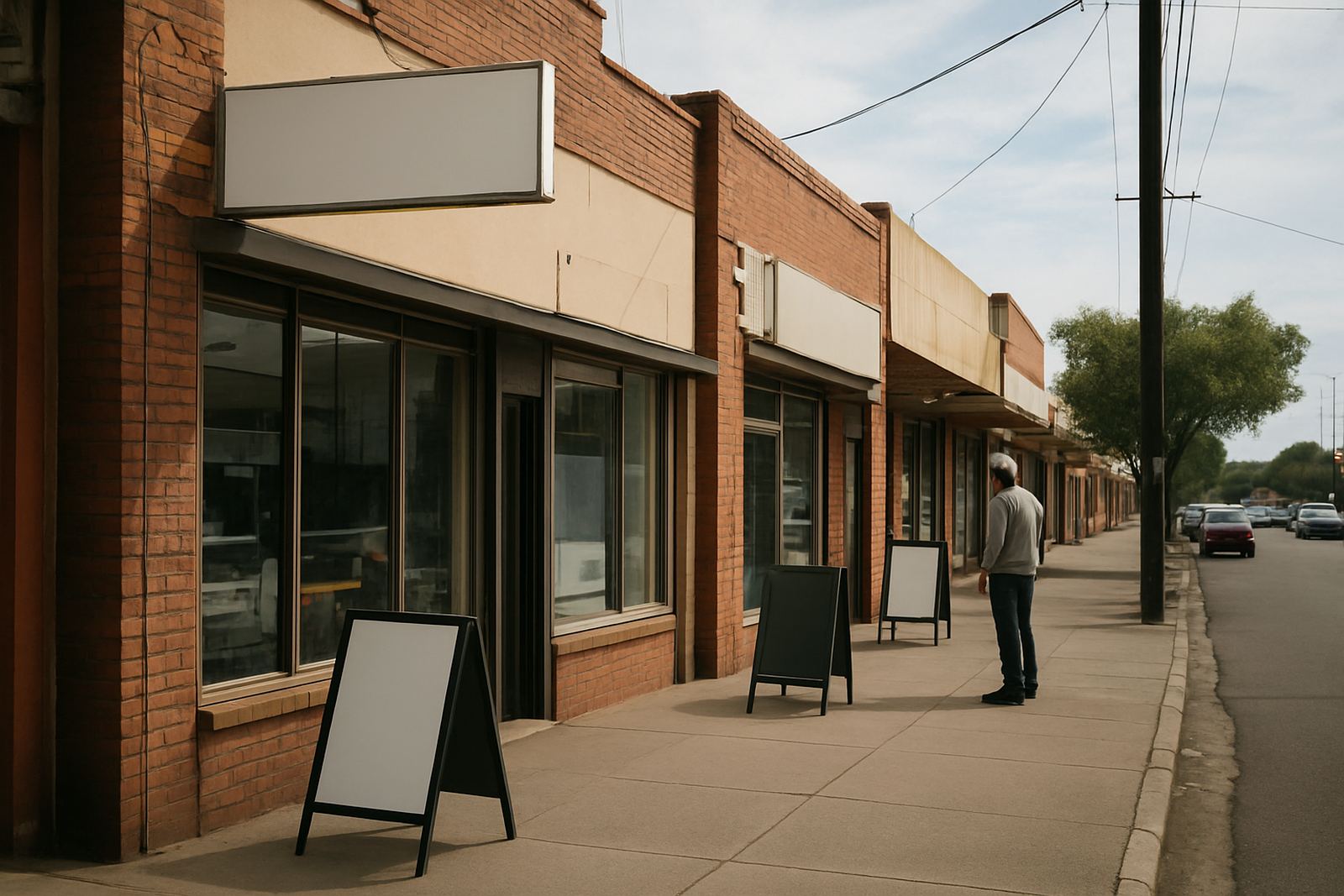
Different sites call for different construction. A small rental board on a boundary wall is not the same as a large development board on open ground next to a main road. We plan the size, fixing points and finish according to the site conditions and the length of time the board must stay up.
- Foam PVC boards for short to medium term listings on walls and fences
- Correx style fluted boards for lighter duty promotions and quick turnarounds
- Aluminium composite boards for a neater finish and longer outdoor life
- Cut vinyl graphics for lettering, arrows and property details
- Double sided boards for sites that need visibility from both directions
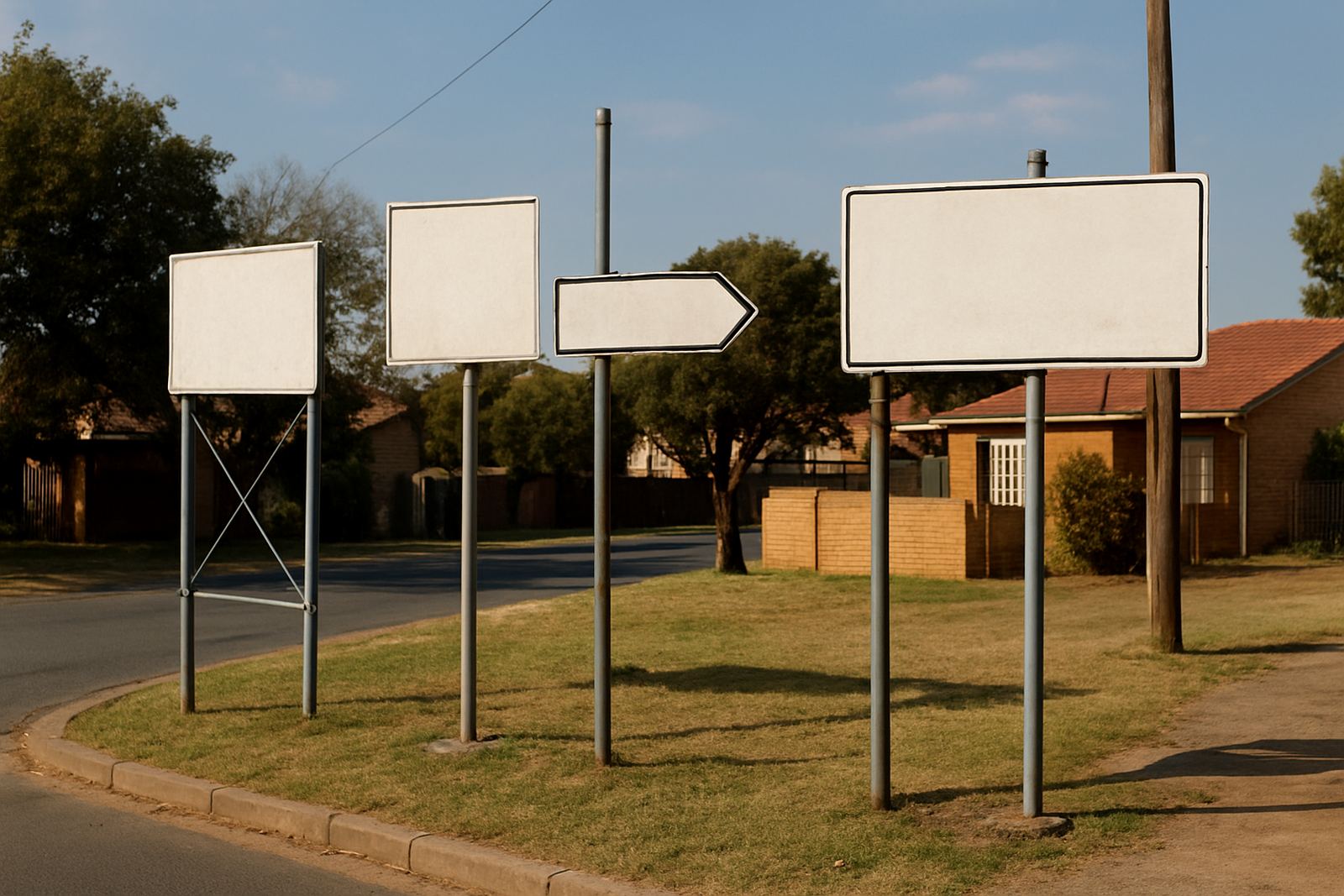
- Post mounted panels for vacant land, new developments and roadside visibility
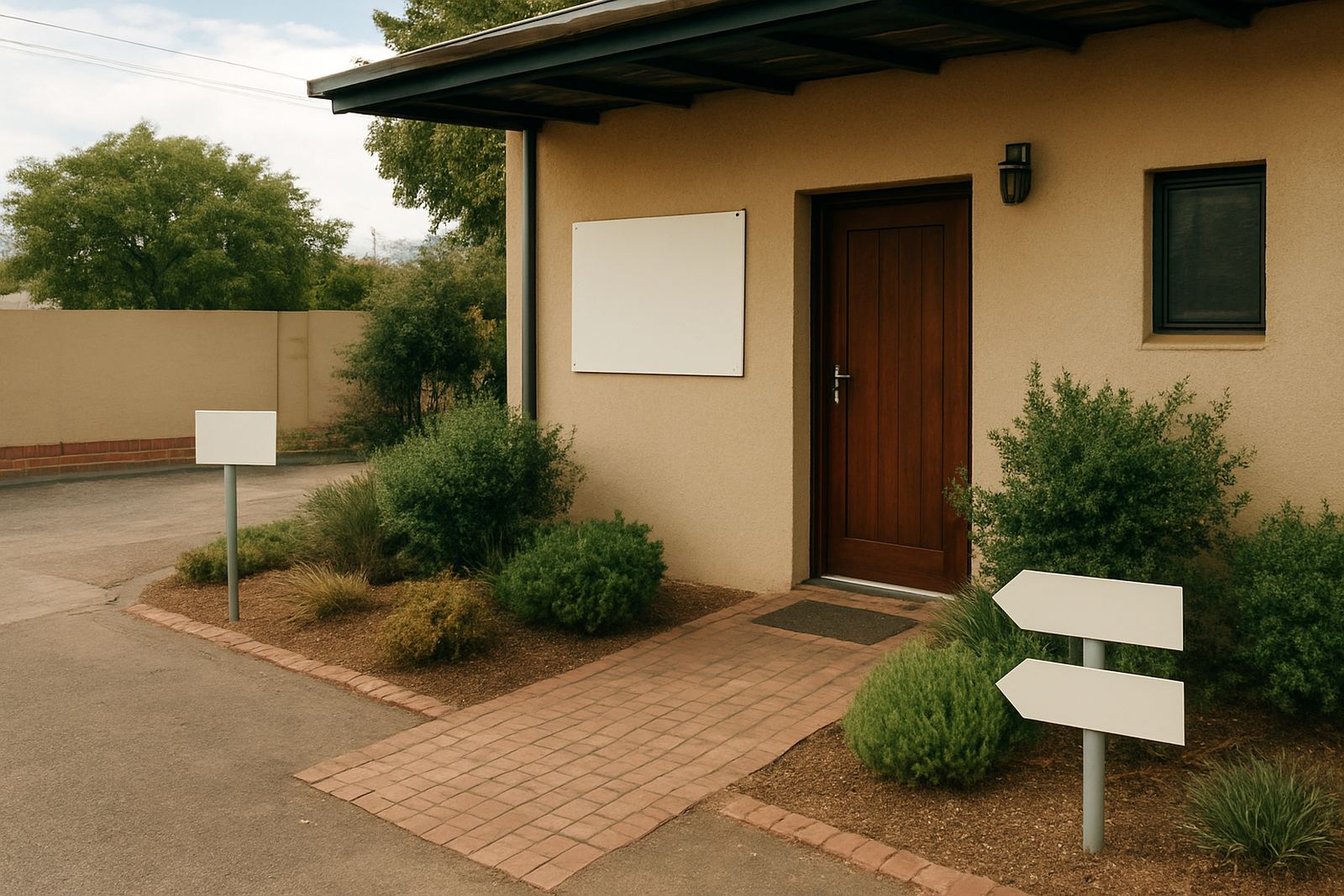
We also handle site specific additions such as reflective lettering, developer logos, QR codes and temporary changeable panels. For estates and sectional title sites, it helps to match the board style to the body corporate rules so the final result does not look out of place.
Planning the Layout Before the Board Goes to Print
Good property board layout starts with the site conditions, not with the artwork. We look at viewing distance, mounting height, the direction of traffic and whether the board will face morning sun or afternoon sun. In the East Rand, glare can be a real problem on pale backgrounds, and if a board is mounted too low it disappears behind hedges or brick walls.
When we set up the artwork, we normally separate the information into three levels: the main property message, the action line, and any smaller details such as stand number or office use. That keeps the board readable at speed and makes installation simpler too.
- Use large lettering for the main offer, especially for sales on busy roads
- Keep contact details to one clear line, not three or four scattered blocks
- Allow enough blank space so the board does not feel crowded
- Choose colours with strong contrast for overcast days and evening viewing
- Confirm the final wording before manufacture to avoid reprints and delay
We can also advise on board orientation. A landscape format suits most roadside sites, while a tall narrow board can work better on narrow boundary walls or gate pillars. If the site has load shedding related access issues, it helps to do the fitment when the agent or site contact can open gates and switch lights on if needed.
Installation Details That Save Time and Rework
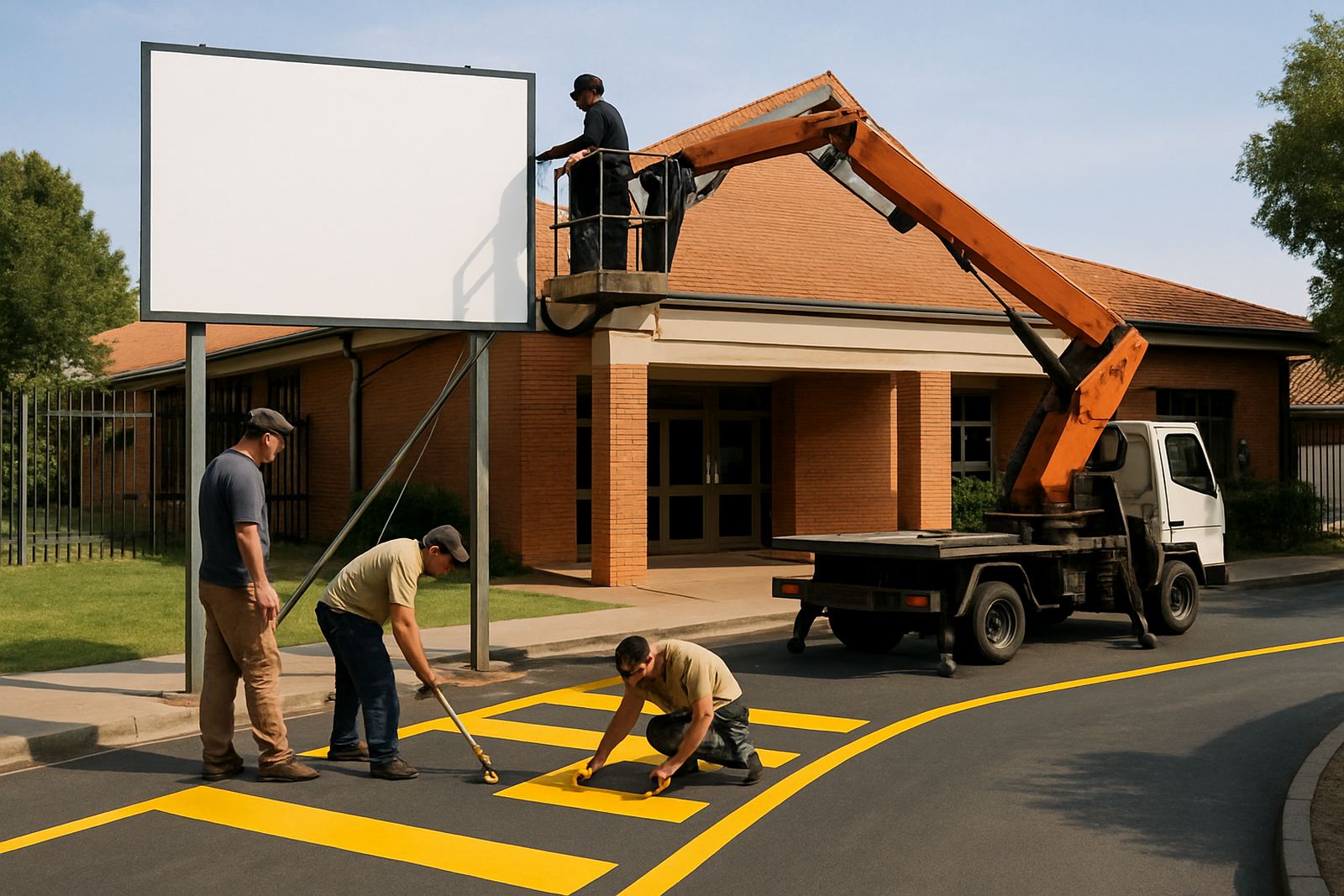
Property boards fail when they are fixed with the wrong brackets, the wrong screws or simply placed where wind can catch them. In Gauteng summer storms, a loose board can twist within a day. Near the coast humidity is more of a concern, but even inland dust and sun will age poor fixings quickly. We use the right mounting method for the site, whether that means drilling into brick, securing to poles, tying to fencing or fitting onto a frame.
For roadside developments, we often check the ground first. If the soil is soft, a post may need extra support. If the property wall is old or cracked, we may suggest a different fix rather than forcing the issue. Small details like level alignment and neat edge finishing make a big difference to how professional the board looks from the street.
Our team handles site surveys, manufacture and installation across Boksburg and surrounding areas, including Kempton Park, Edenvale, Springs and Midrand. That keeps the process practical. One person checks the site, another prepares the board, and the installation foreman makes sure the finished result is secure and straight.
Typical Budget Ranges in Rand
Property board pricing depends on size, material, print method, quantity and installation difficulty. A simple temporary board is very different from a large double sided roadside panel with posts and mounting hardware. The more time spent on site, the more the installation cost moves up, especially if access is awkward or the board needs reinforcement.
As a broad guide, smaller single sided property boards can start from about R450 to R1 200 each, depending on size and material. Mid sized sale or rental boards with custom lettering often fall between R1 200 and R3 500. Larger development boards, especially those with post mounting, can range from R3 500 to R12 000 or more, depending on structure and installation requirements.
For landlords, agents and developers working on multiple sites, there is usually better value in ordering a batch. Standardising sizes and finishes makes reordering simpler and keeps the look consistent across suburbs. It also helps when boards need to be replaced after weather damage, theft or a tenant move out.
Mistakes We Often See on Property Sites
Most board problems are avoidable. The biggest issue is overloading the design with too much text. A motorist should not need to slow down just to understand who the property belongs to or what type of listing it is. Another common mistake is choosing a board that is too small for the site, especially where hedges, walls or parked vehicles block part of the view.
We also see boards placed without checking municipal or estate rules, which can lead to removal or complaints. In some areas, there are limits on size, placement near verges and the length of time a board may stay up. It is better to check before printing than to pay for a second board later.
- Using low contrast colours that disappear in sunlight
- Fixing a board too low behind vegetation or boundary walls
- Leaving out the most important detail, like the property type or direction
- Choosing a cheap material for a board that must last many months
- Ignoring wind load on larger panels and posts
We can also assist with vinyl removal and refurbishment when an old board needs updating rather than replacing. That is often the smarter route for estate agents who want to refresh a listing quickly and keep costs controlled.