Retail Signs That Work At Street Level
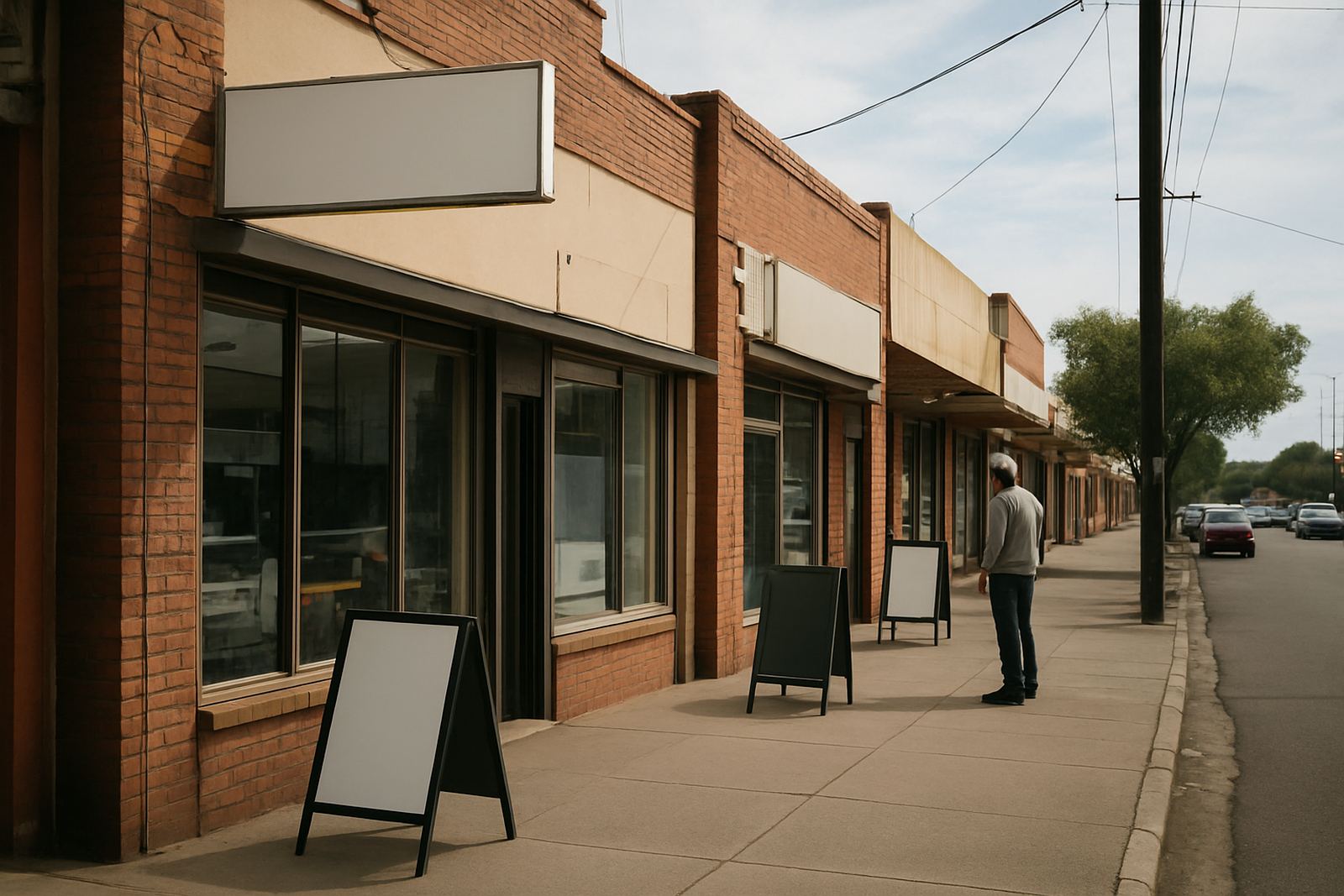
In retail, people decide fast. A sign has to catch the eye from a passing car, the mall walkway, or the pavement outside your shop, then still look tidy once someone stands at the door. For that reason, retail signage is rarely just one board. It is usually a mix of fascia signs, window graphics, promo boards and directional pieces that work together. In Boksburg and the wider East Rand, dust, sun, load-shedding and busy traffic all play a part in what lasts and what stays legible.
We work with independent shops, retail chains, pharmacies, forecourts, convenience stores and service counters across Ekurhuleni and greater Gauteng. Some need a full frontage refresh after a tenant change. Others only need a few sale boards and neat vinyl lettering on glass. The best result is practical: clear branding, simple messaging and a finish that looks intentional rather than rushed.
- Shopfront fascia boards for names and trading hours
- Window vinyl for promos, privacy or branding
- Internal directional signs for counters, fitting rooms and payment points
- Seasonal special boards for price drops and launches
Typical Retail Signage Equipment We Use
The right material depends on where the sign sits and how often the message changes. A store on a windy corner in Boksburg North needs a different build from a small kiosk inside a centre. We often combine rigid boards, cut vinyl, printed panels and mounting hardware so the sign stays secure and easy to service later. If the site has bright sun on one side, or if the glass gets heat build-up, we plan for that too.
Common retail sign items include:
- Aluminium composite boards for fascia and price messaging
- PVC or foam board for temporary promotions
- Self-adhesive cut vinyl for doors, hours, and lettering
- Printed film for window graphics and full coverage panels
- Perspex name plates for counters and internal notices
- Metal or acrylic safety and compliance signs for staff areas
For branded retail fleets, we also fit vinyl to delivery bakkies and panel vans, which helps keep the whole customer experience consistent from the road to the shopfront. Where there is repeat use, such as weekly promotions, we can set things up so the messages are simple to change without redoing the whole sign every time.
Planning The Layout Before Production Starts
A good retail sign starts with layout, not printing. If the name is too small, the special offer is buried, or the colours are too close together, the sign will not pull its weight. We normally begin with a site survey and a quick check of viewing distance, wall size, glass area, vehicle access and any municipal or centre rules. In shopping centres, there are often strict size limits, material rules and approval steps. Free-standing boards near roads can also need to respect local signage regulations.
Before manufacture, we look at:
- What must be seen first: brand name, offer or entrance
- How far away the customer is likely to read it
- Whether lighting is needed for late trading or winter afternoons
- How the sign will be mounted, cleaned and maintained
Clear hierarchy matters. A retail frontage should not try to say everything at once. One strong message at eye level usually beats three competing messages. If you run specials, the permanent branding should stay fixed while the promo area can change with the stock. That saves money and keeps the frontage neat, especially where the manager wants a tidy finish for the corporate image.
Retail Mistakes That Cost Time And Money
Most retail sign problems come from trying to save a few Rand up front and then paying again to correct the job. The common issues are easy to spot: low contrast, weak fixing, poor artwork sizing, and using a temporary material where a longer life product was needed. Another mistake is placing sale messages too close to door handles, hinges or security bars. The sign then gets scuffed within days.
We also see work that ignores practical shop operations. If a window must be cleaned every morning, the vinyl should not make that awkward. If a sign is near an aircon outlet or exposed to coastal humidity on the East Rand side of the route, the fixing method matters. In some cases, cheaper film will curl at the edges or fade unevenly. That looks untidy and makes the store feel less cared for, which is the opposite of what retail needs.
- Using indoor print where outdoor exposure is expected
- Overcrowding the frontage with too much text
- Skipping a site survey and guessing the size
- Mounting boards without allowing for maintenance access
Budget Ranges For Retail Signage In Rand
Retail signage budgets vary a lot because the job can be as small as a door vinyl or as large as a full shopfront package. A simple vinyl hours notice or small directional sign may start from a few hundred Rand. Window lettering or a single promo board often sits in the lower thousands. A more complete shopfront with rigid boards, multiple windows and installed fixing can run into several thousand Rand, while larger retail frontage work, illuminated elements or multi-site rollouts can cost more again.
As a practical guide, many retail clients plan around these ranges:
- Small vinyl and notices: from about R350 to R1 500
- Promo boards and window graphics: about R1 500 to R6 000
- Shopfront sets with installation: about R6 000 to R25 000
- Multi-branch retail rollouts: quoted per site after survey
The final price depends on size, material, print method, mounting height and whether old signage must be removed first. We can also handle refurbishment, which is often cheaper than starting from scratch if the frame is still sound. That is useful for landlords and tenants who need a cleaner look without overspending.
How Executive Screen Printers Handles Retail Work
Because retail work often happens in busy trading spaces, the schedule has to be managed carefully. Our team in Boksburg handles site surveys, artwork setup, sign manufacture, delivery, installation and maintenance visits across Ekurhuleni and greater Gauteng. Lerato Mokoena manages sales queries, Ayesha Patel coordinates artwork, Johan Pretorius supervises production, Sibusiso Khumalo leads installations, Nokuthula Dlamini handles client care, and Pieter Erasmus supports workshop work and finishing. Michael Johannes van der Merwe oversees the business and keeps the practical side moving.
For a store opening, refurbishment or tenant handover, we can work through the sign list step by step: check the site, confirm sizes, prepare the layout, manufacture the boards, fit the signage and tidy up the old vinyl where needed. If the retail site is in Boksburg, Benoni, Germiston, Kempton Park, Alberton, Springs, Edenvale or Midrand, the process stays the same. The aim is a clean customer-facing finish that helps the shop look open, organised and ready for trade.