Start with the sign’s job, not the material
Before you choose between foam board, PVC, ACM, or perspex, work out what the sign must do. A temporary estate board on a corner site has a very different brief from a shop fascia facing sun, wind and dust all day. In Ekurhuleni, the best material is usually the one that matches the location, the expected lifespan and the way the sign will be mounted.
As a rule, ask three questions first: Is it indoors or outdoors? Will it be moved often? Does it need to stay neat through rain, sun and occasional cleaning? If the answer is yes to longer term outdoor use, then lighter display board is often the wrong choice. For site boards, fleet markings, safety signs and name plates, the substrate must suit the surface and the fixing method too.
- Short term promotion: choose something economical and easy to replace.
- Mid term outdoor use: choose a board that resists moisture and warping.
- Long term installation: choose a material that stays flat and takes vinyl or print well.
Common board materials and where they work best
Different boards behave differently in heat, damp and direct sun. In Boksburg and the wider Gauteng area, summer heat and dust can make cheaper boards bow, peel or mark up faster than expected. We normally compare materials by strength, finish, weight and how they take printing or cut vinyl lettering.
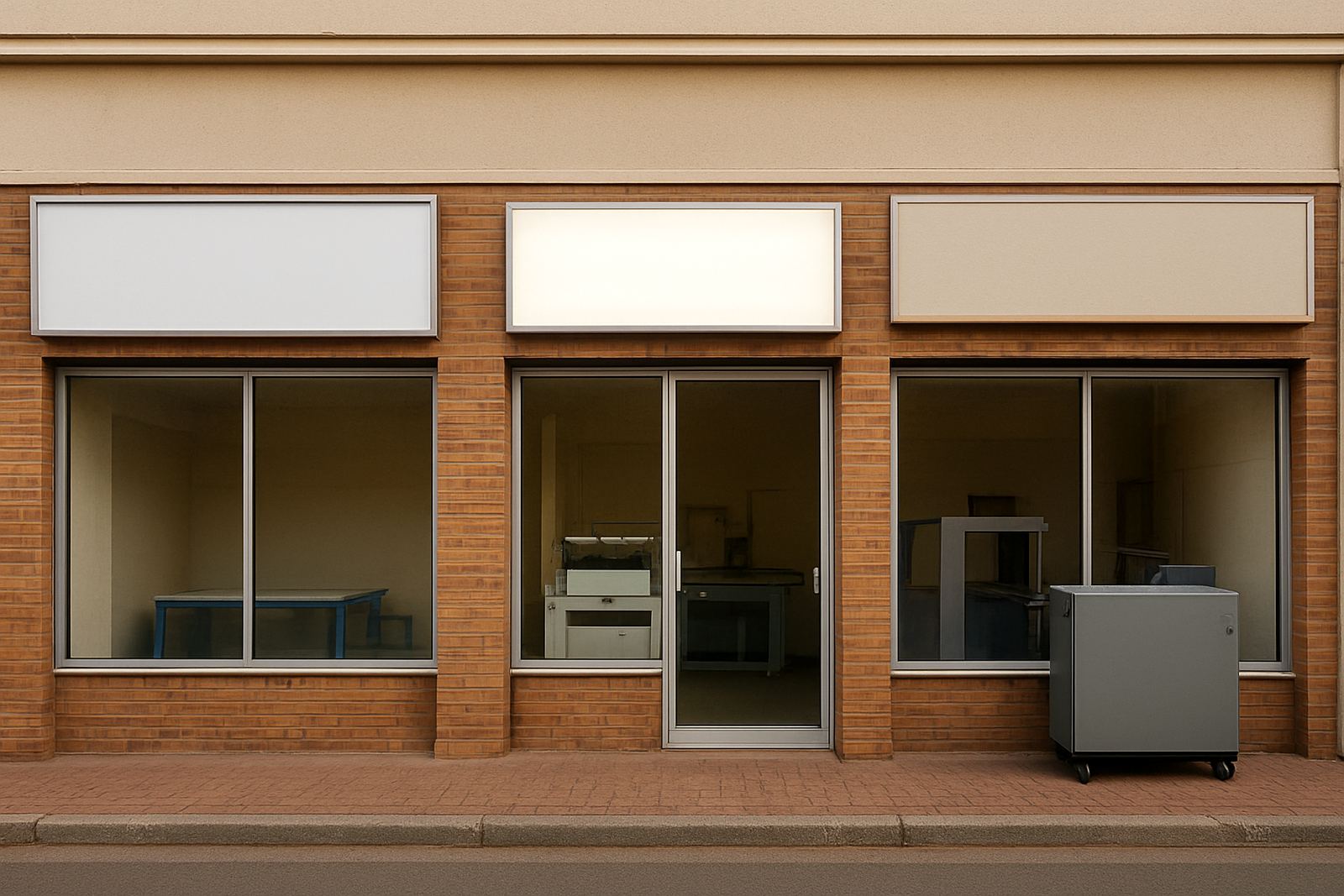
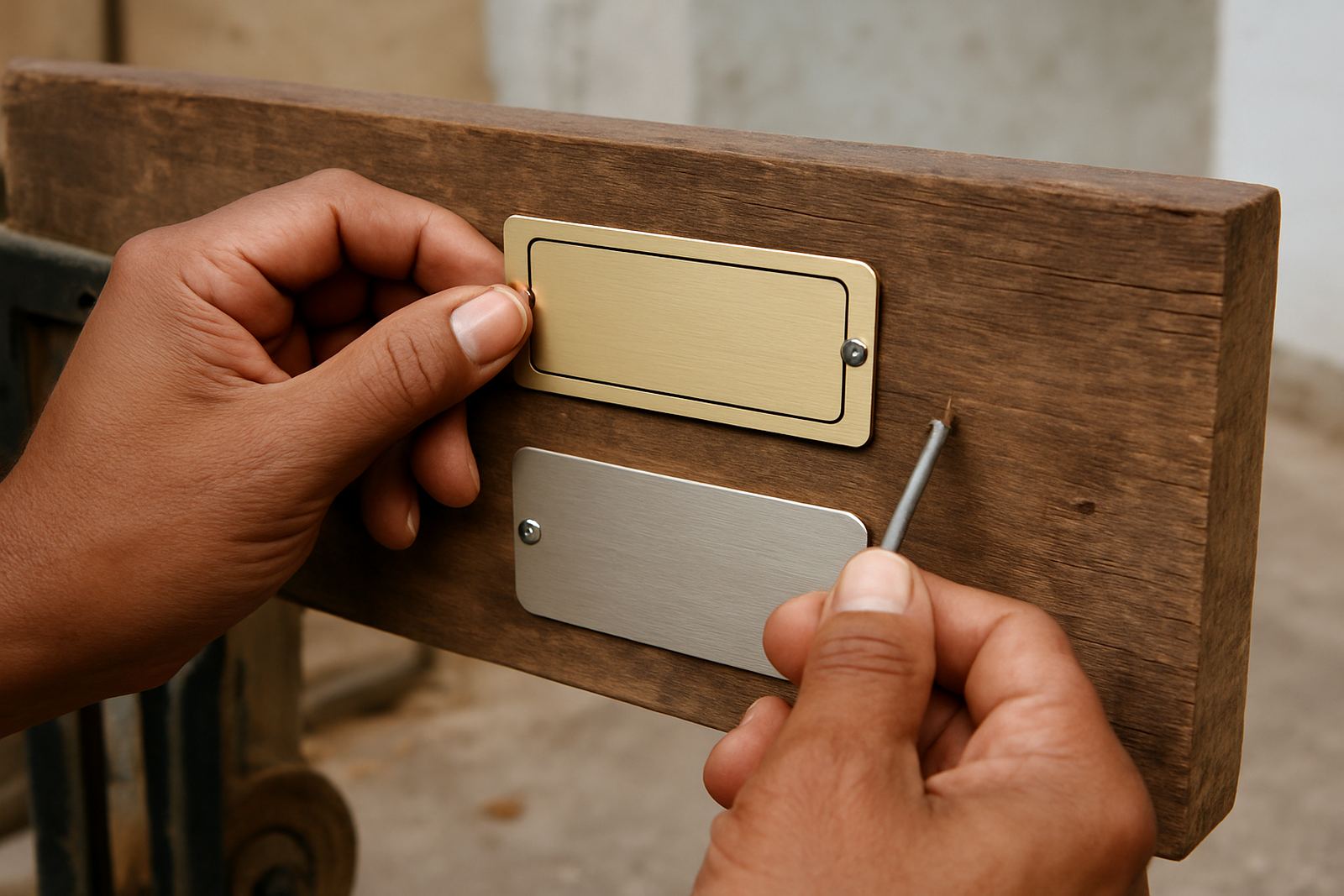
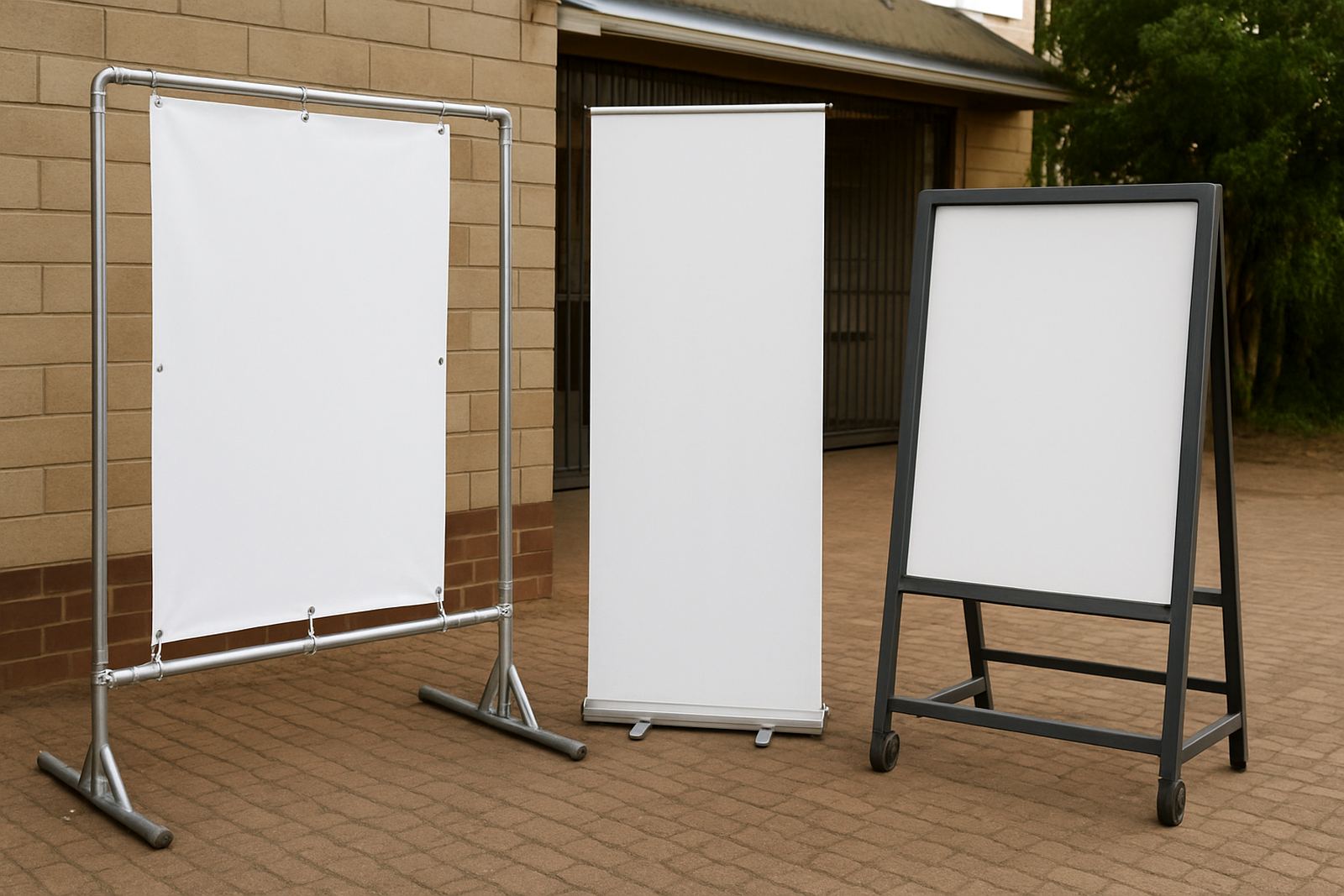
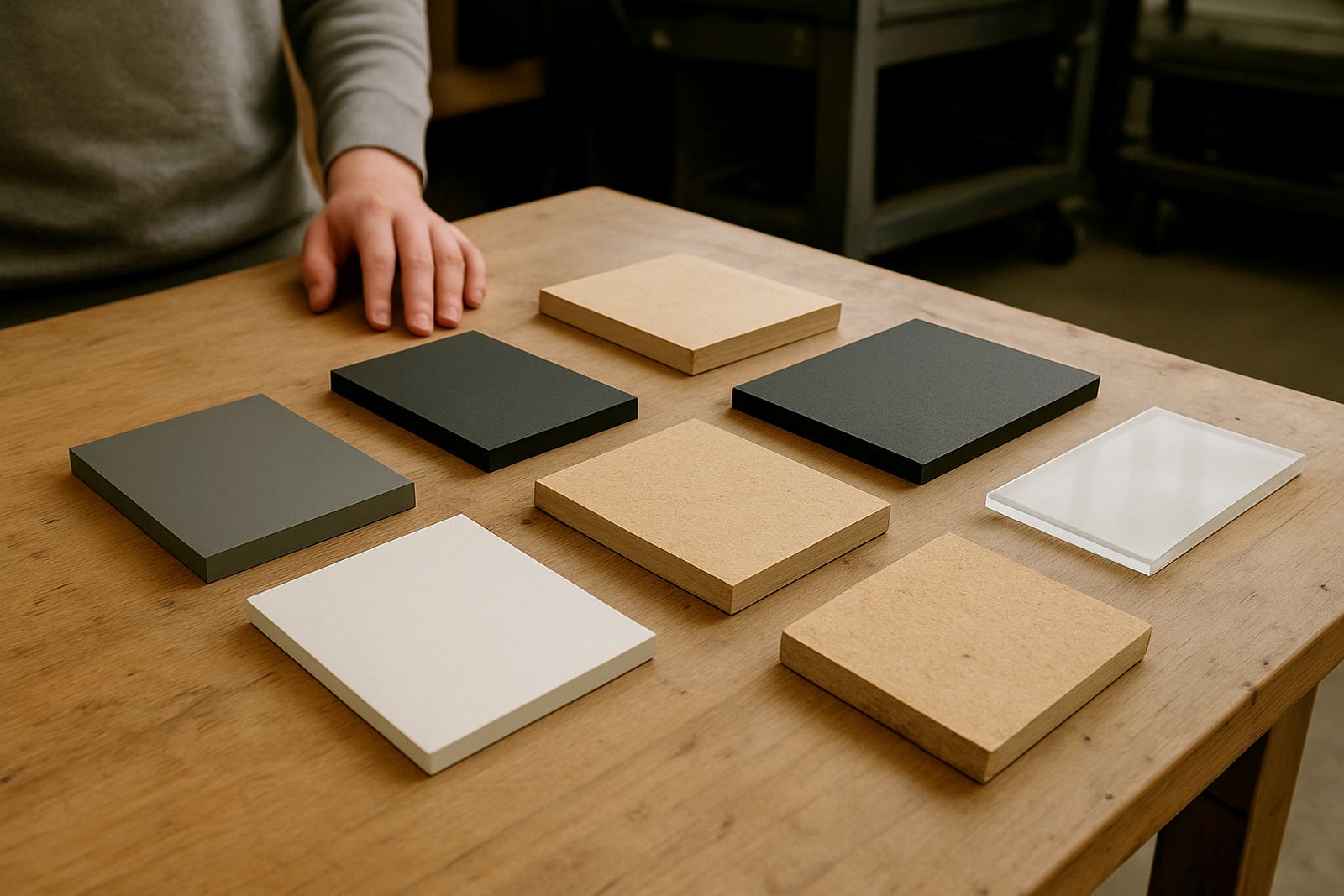
Foam board is light and tidy for indoor promotions, exhibition panels and short term displays, but it is not a good choice for exposed exterior use. Correx style fluted board is light and low cost for temporary boards, especially on construction sites, yet it can flex in strong wind. PVC foam board gives a cleaner finish and better moisture resistance, which makes it useful for indoor signs and some sheltered outdoor applications. Aluminium composite board is more expensive, but it stays flat, handles weather well and suits shop fronts, directional signs and durable estate boards. Perspex or similar clear and coloured sheet material is often used for name plates, premium office signs and face panels where a neat gloss look is wanted.
- Foam board: indoor only, light duty, low cost.
- Fluted board: temporary outdoor signs, site boards, budget friendly.
- PVC foam board: versatile for indoor and sheltered use.
- Aluminium composite board: durable, flat and weather resistant.
- Perspex sheet: neat finish for name plates and display signs.
How Gauteng weather changes the choice
Heat, dust and wind matter more than many people expect. A board that looks fine in the workshop can still fail once it sits on a fence line in Germiston, an open verge in Benoni or a shop wall in Kempton Park. Direct sun can cause cheap boards to fade, twist or let go at the edges. Moisture can creep behind graphics and make certain materials bubble or swell.
If the sign will face weather, think about edge sealing, the weight of the panel and the fixing points. Coastal humidity is not a daily issue in Boksburg, but rain, washing and condensation still affect exterior boards. For long term work, we often recommend a material with a stable core and a printed or laminated face that can handle regular cleaning. If the site is windy, avoid oversized lightweight boards unless the mounting plan is strong enough.
- Open sites: choose a stiffer board and stronger fixings.
- Wet areas: avoid materials that absorb moisture.
- Hot sun: use print and laminate that resist fading.
- Wind exposure: allow for flex and proper support.
Match the board to the finish you want
The final look matters as much as the board itself. Some materials take vinyl cutting neatly, while others are better for direct print, silkscreen printing or mounted graphics. A smooth, even surface gives cleaner lettering, sharper edges and fewer surprises during installation. If the sign needs a professional corporate finish, the board should support the finish not fight it.
For crisp cut vinyl lettering, a flat and clean substrate gives the best result. For printed signs, make sure the surface accepts the ink or adhesive system properly. If the job includes overlaminating, drilling or standoff mounting, check that the board can handle the fixing method without cracking or fraying. For aluminium composite and rigid PVC, edge finishing is usually tidy and practical. For lighter boards, the cutting and mounting need to be handled carefully to avoid damage on site.
- Cut vinyl: best on smooth, flat boards.
- Printed graphics: choose a surface suited to the print method.
- Mounted boards: check thickness and screw holding power.
- Premium name plates: choose a material that keeps its edges neat.
A practical checklist before you approve the board
Once the size and wording are fixed, use a simple checklist before you place the order. This helps avoid the common mistake of choosing the cheapest board when the sign really needs a longer life. It also helps when you are comparing quotes from different sign makers across Gauteng.
- Where will the sign be installed, indoors or outdoors?
- How long must it last before replacement or refurbishing?
- Will it be mounted on brick, steel, glass, fencing or a vehicle?
- Will it need drilling, adhesive fixing or bracket support?
- Is the area exposed to sun, rain, dust or regular cleaning?
- Does the board need to carry printed graphics, cut vinyl, or both?
- Will the sign be moved often or stay in one place?
If you are unsure, ask for a site survey. At Executive Screen Printers, we check the site, the fixings and the viewing distance before recommending a material. That saves time and helps the sign last longer, especially on busy roads or exposed corners where poor board choice shows up quickly.
Choosing value without buying twice
Cost is important, but the cheapest board is not always the best value. A board that warps after a few months or needs early replacement often ends up costing more than a stronger option. For site boards, fleet marking support panels, safety signs and long term shop signage, we look at the full working life of the material rather than just the purchase price.
Michael Johannes van der Merwe and the team at our Boksburg workshop handle material advice, manufacture and installation across Ekurhuleni and greater Gauteng. Lerato Mokoena assists clients with the right board choice, Johan Pretorius checks production details, and Sibusiso Khumalo leads installations that need proper mounting and finish. If the job is a one off sign in Midrand or a batch of directional boards in Springs, the same principle applies: choose a board that suits the site, the use and the budget.
When you are ready, send through the enquiry form on our contact page and we can talk through the options, from low cost temporary boards to durable exterior panels. The right choice is usually the one that stays straight, reads clearly and does the job without extra maintenance.