Start With The Place It Will Be Used
The first question is simple: where will the name plate sit, and what will it face every day? A plate for an indoor office door in Boksburg does not need the same build as one fixed to a gate in Kempton Park or a factory wall in Germiston. Sun, dust, rain and cleaning chemicals all affect how long the plate stays neat. If the plate is going near the coast by way of a truck route or courier run, moisture becomes a factor too.
Before you choose anything, write down the job in plain terms. Is it for a reception door, a boardroom, a staff locker, an estate gate, a machine, or a memorial plaque? Then ask who must read it, from what distance and in what light. A small plate in a dim passage needs stronger contrast than a large one at eye level. For outdoor use, avoid finishes that fade quickly in direct sun or peel under heat.
Pick The Material That Fits The Environment
Material choice is where most good decisions are made. For indoor office use, engraved plastic or printed acrylic can work well if you want a clean finish at a fair price. For general commercial use, brushed metal, aluminium or acrylic are common because they hold up well and look tidy. For harsh sites, coastal humidity or industrial areas, aluminium with a durable print or engraved face is usually a better choice than softer materials.
Different jobs call for different thicknesses and mounting methods. A light indoor plaque may be fine at 1.5 mm to 3 mm thick, while larger outdoor boards often need a thicker base or a stiffer backing. If the plate will be cleaned often, choose a surface that can take wiping without the lettering lifting. In some cases the safest option is a two layer build with a faceplate and a backing plate, especially where the wall is uneven.
- Indoor door plate: engraved plastic, acrylic, brushed metal
- Outdoor wall plate: aluminium, thicker acrylic, composite backing
- Industrial label: chemical resistant face, strong adhesive or screw fixing
- Decorative plaque: printed or engraved metal with neat edge finishing
Choose The Fixing Before Production Starts
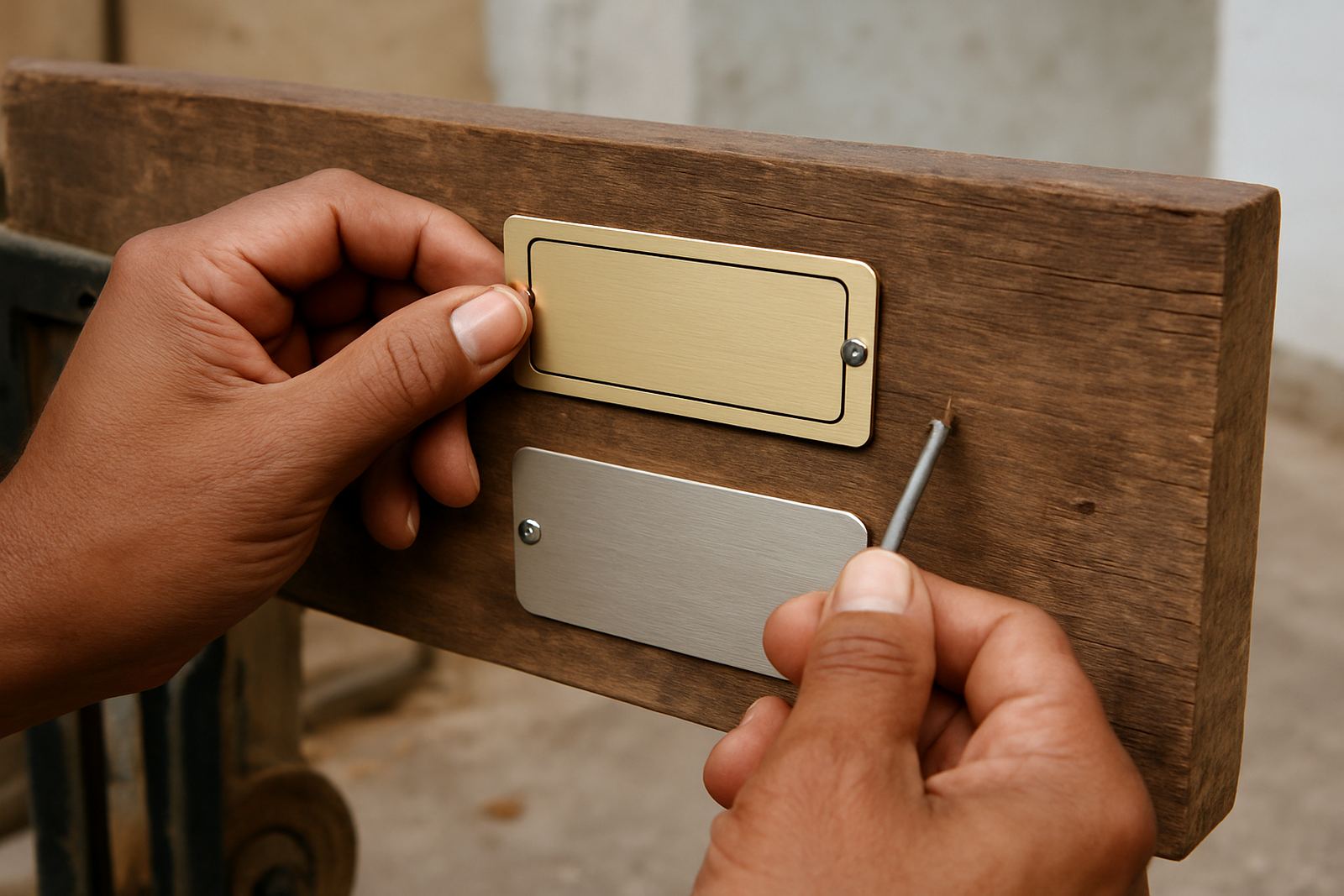
Fixing choice matters as much as the plate itself. A beautifully made plate can still fail if it is stuck to a dusty wall or screwed into weak plaster. For smooth indoor surfaces, double sided tape or adhesive pads may be enough, but only if the wall is properly prepared. For heavier plates, exterior use or high traffic areas, screws and caps are usually safer. On textured walls, stand off fixings can help the plate sit evenly and read better.
If the plate must be removed later, say for tenant changes or office moves, ask for a fixing that can be released without damaging paint or glass. That may mean hidden screws, removable adhesive or a carrier strip. For municipal or shared premises, it is also worth checking whether the plate can be mounted without drilling into protected surfaces. That saves time and keeps the site manager happy.
- Use adhesive only on clean, flat and dry surfaces
- Use screws for heavier plates and exterior areas
- Use stand off mounts where depth and shadow help visibility
- Use removable fixings if the name changes often
Make The Text Easy To Read At A Glance
Name plates are small, so the layout must work hard. Keep the wording short and direct. A full name, job title, unit number or department is usually enough. If the plate has too much text, the lettering gets cramped and the plate looks messy. Use simple type, enough spacing and a size that matches the viewing distance. A receptionist plaque seen close up can be smaller than an outdoor unit marker or gate label.
Colour contrast is also important. Dark text on a light face is easier to read for most uses, while reflective or glossy finishes can become hard to read in bright sun. If the plate is for load-shedding conditions or a poorly lit corridor, avoid faint colours that disappear at dusk. For safety related plates, keep to clear wording and standard symbols where needed.
It helps to check the following before ordering:
- Correct spelling of names, titles and room numbers
- Enough contrast between background and text
- Legible size from the expected viewing distance
- Whether the plate needs braille, arrows or symbols
- Whether the plate must match existing signs on site
Plan For Installation And Maintenance
Good name plates should stay neat after installation, not just on day one. If the plate is going onto a busy site in Boksburg, Benoni or Alberton, think about how often it may be brushed past, cleaned or touched. On factory sites, oil and dust can collect around the edges so the fixing should allow proper cleaning. On office doors, fingerprints and polish marks can be a problem if the finish is too shiny.
We also recommend checking access before the job starts. A plate near a gate may need ladder access or a safe working area. A plate on a glass panel may need special care so the surface is not scratched. If the site has security rules or after-hours access limits, it is best to plan the visit in advance so the work gets done once, properly. That saves time and avoids repeat callouts.
Maintenance can be simple if the right material is chosen. Wipe with a soft cloth and mild cleaner. Avoid harsh scouring pads. If a plate starts to lift at the corners, it usually means the surface was not prepared well enough or the adhesive was not suited to heat and dust.
Use This Quick Ordering Checklist
When clients contact us for name plates, the fastest way to get the right result is to send the basics in one go. That helps with artwork setup, material selection and fixing advice before production starts. It also avoids confusion when there are multiple doors, floors or staff names.
- Where the plate will be used: indoor, outdoor, vehicle, gate or machine
- Size needed, or the space available on the wall or door
- What must appear on the plate: name, title, number, warning or department
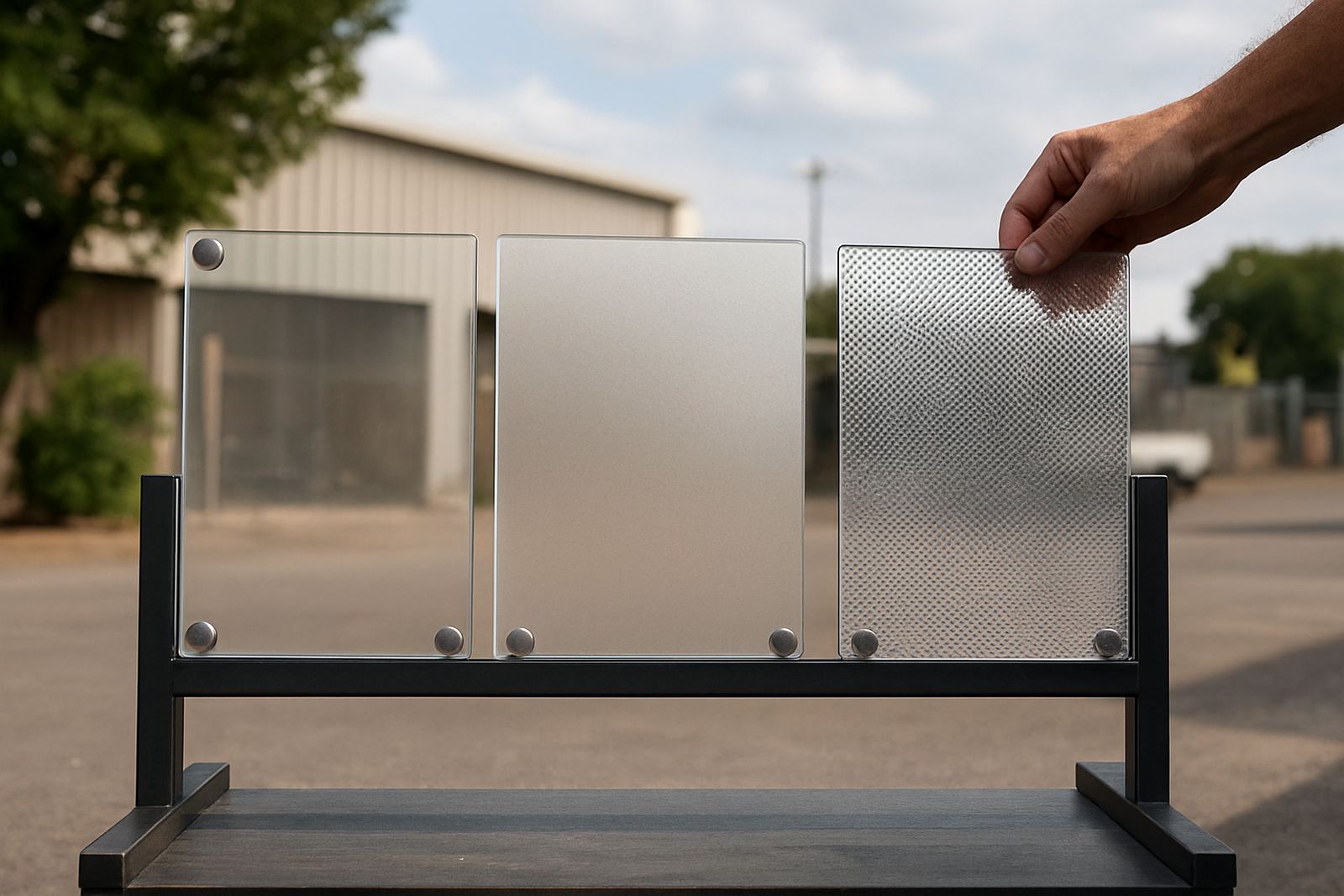
- Preferred finish: brushed, coloured, clear, matte or glossy
- Fixing preference: adhesive, screws, stand off or removable
- Any site restrictions, including drilling limits or access times
- Whether you need a single plate or a repeat order for several rooms
For businesses across Ekurhuleni and greater Gauteng, this simple checklist keeps the job moving. It also helps when a site has multiple branches, such as offices in Midrand, Edenvale or Springs that must all use the same style.