Start With the Risks on Your Site
Before you choose a sign, walk the site and note where people, vehicles and machinery cross paths. A goods-receiving bay in Boksburg, a factory floor in Germiston or a construction entrance in Kempton Park all have different risks, so the sign mix should match the actual hazards. Think about blind corners, loading bays, wet floors, overhead movement, electrical rooms, storage cages and access points used by contractors.
A proper site survey helps you avoid over-signing one area and missing another. It also shows where signs will face dust, sunlight, oil spray, vibration or regular cleaning. Those conditions matter because a safety sign that peels, fades or gets blocked by pallets wont help anyone.
- List every area where people enter, work or unload.
- Mark moving vehicles, lifting gear and restricted zones.
- Note areas with poor light, glare or heavy dust.
- Check where signs need to be read from 2 metres, 5 metres or more.
Match the Sign Type to the Message
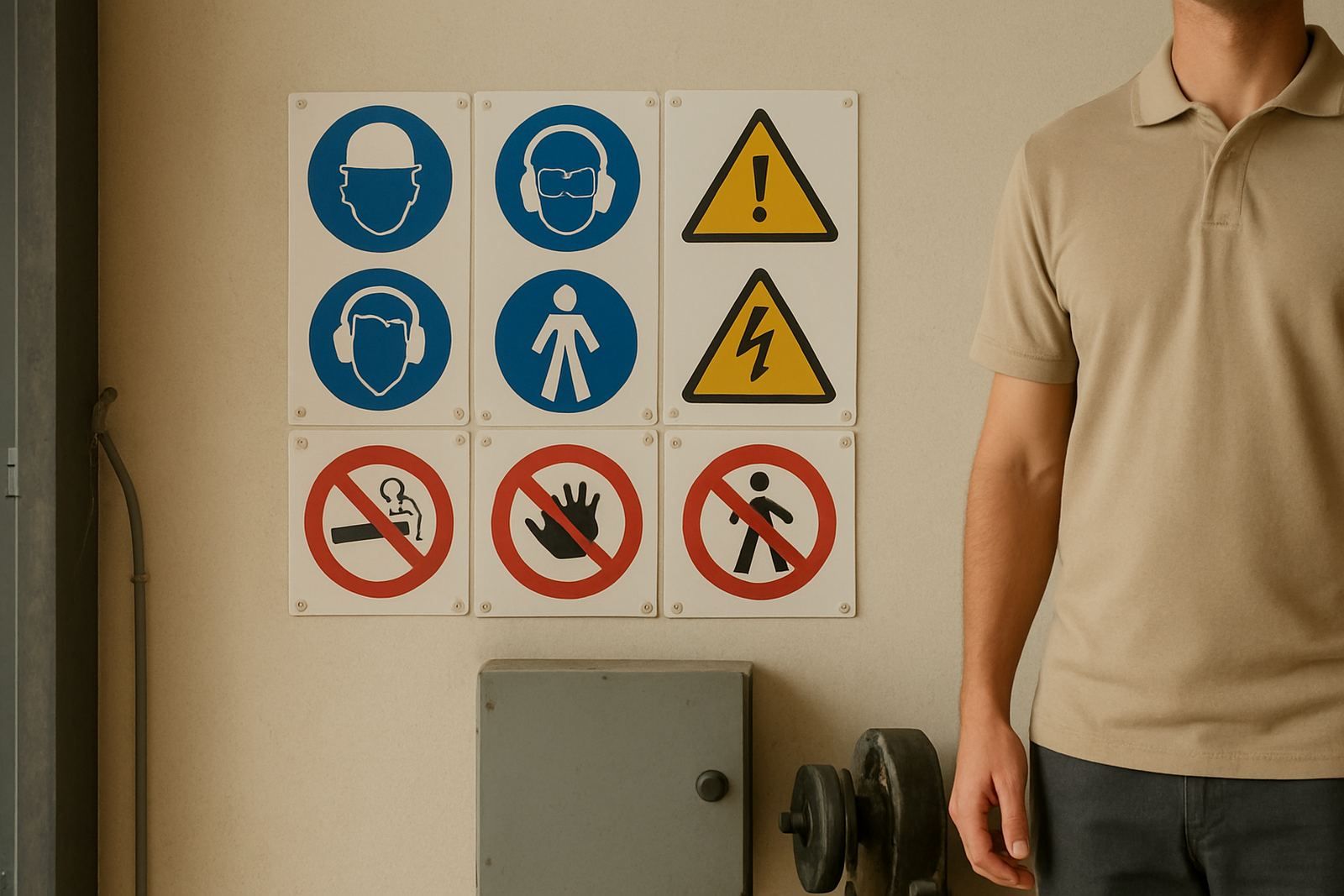
Different tasks call for different sign categories. Warning signs alert people to a hazard. Mandatory signs tell staff what protective gear or action is required. Prohibition signs set hard limits, such as no smoking or no unauthorised entry. Emergency information signs show exits, assembly points, first aid and firefighting equipment. Directional signs help visitors and drivers move through the site without confusion.
For active industrial sites, that mix should be simple and direct. A forklift lane needs a different sign from a chemical store, and a generator room needs a different message from a pedestrian walkway. If the wording is too long, the message gets lost. Keep it short, bold and readable at a glance.
- Warning: danger ahead, moving equipment, overhead load.
- Mandatory: hard hat, safety boots, eye protection, hearing protection.
- Prohibition: no smoking, no unauthorised access, no entry.
- Emergency: exit, first aid, fire point, muster area.
Choose Materials That Can Handle Industrial Conditions
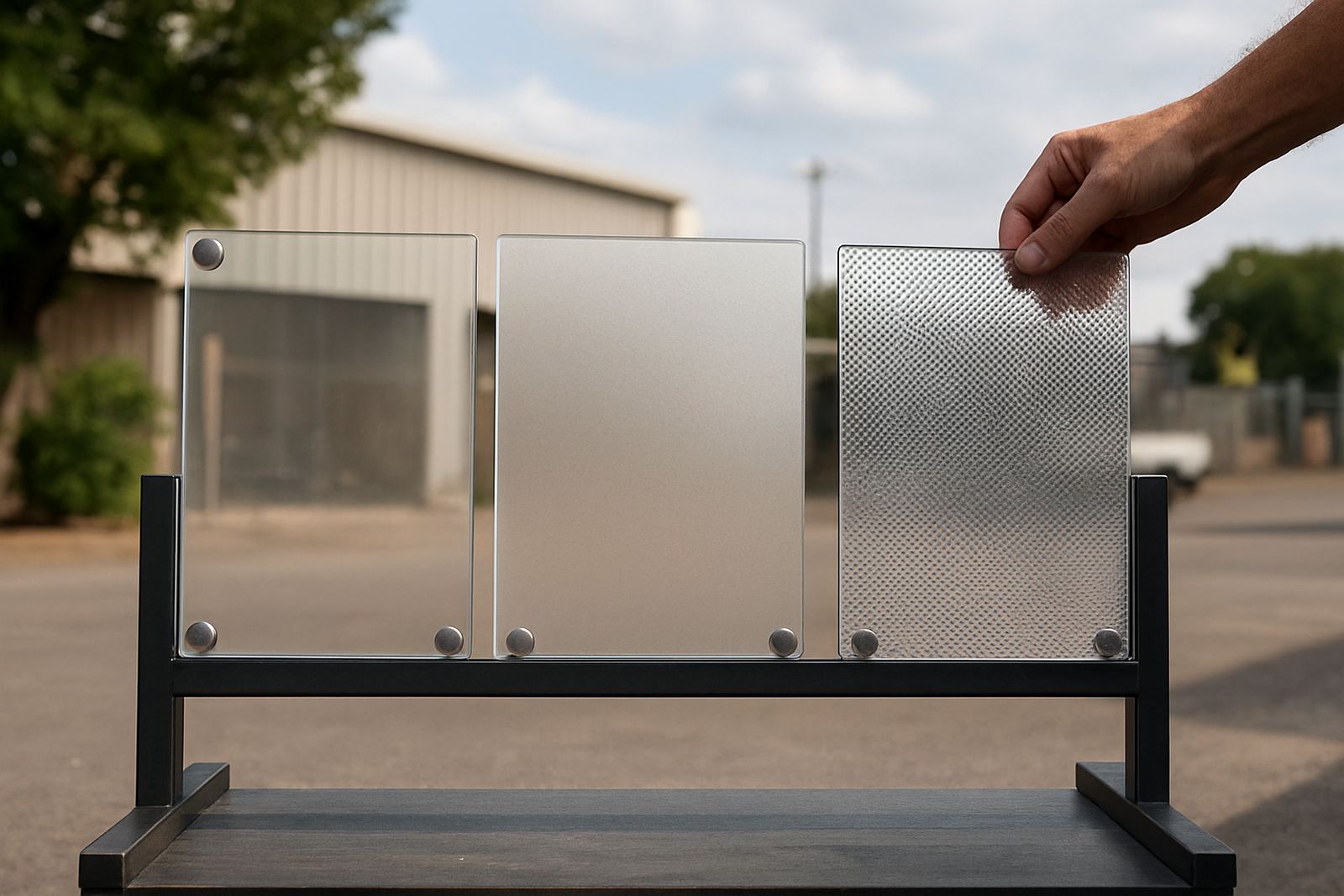
Material choice matters, especially in South African weather. In a humid coastal store room, on a dusty yard in Springs or on a sun-exposed fence line in Alberton, the wrong material can warp or fade quickly. Indoor signs can often use lighter boards, while outdoor signs need tougher backing, good print quality and strong fixing methods.
For long-term use, think about where the sign will sit and how often it may be touched or cleaned. A board near forklifts should be mounted securely and high enough to avoid damage. A sign on a gate should cope with movement and vibration. We also consider whether the sign must stay legible after rain, sun and load-shedding related darkening of the area. Visible signs save time when a site is busy and people are rushing.
- Outdoor boards should resist sun, rain and wind.
- Indoor signs should stay clear under poor lighting.
- Adhesive vinyl suits smooth panels, doors and windows.
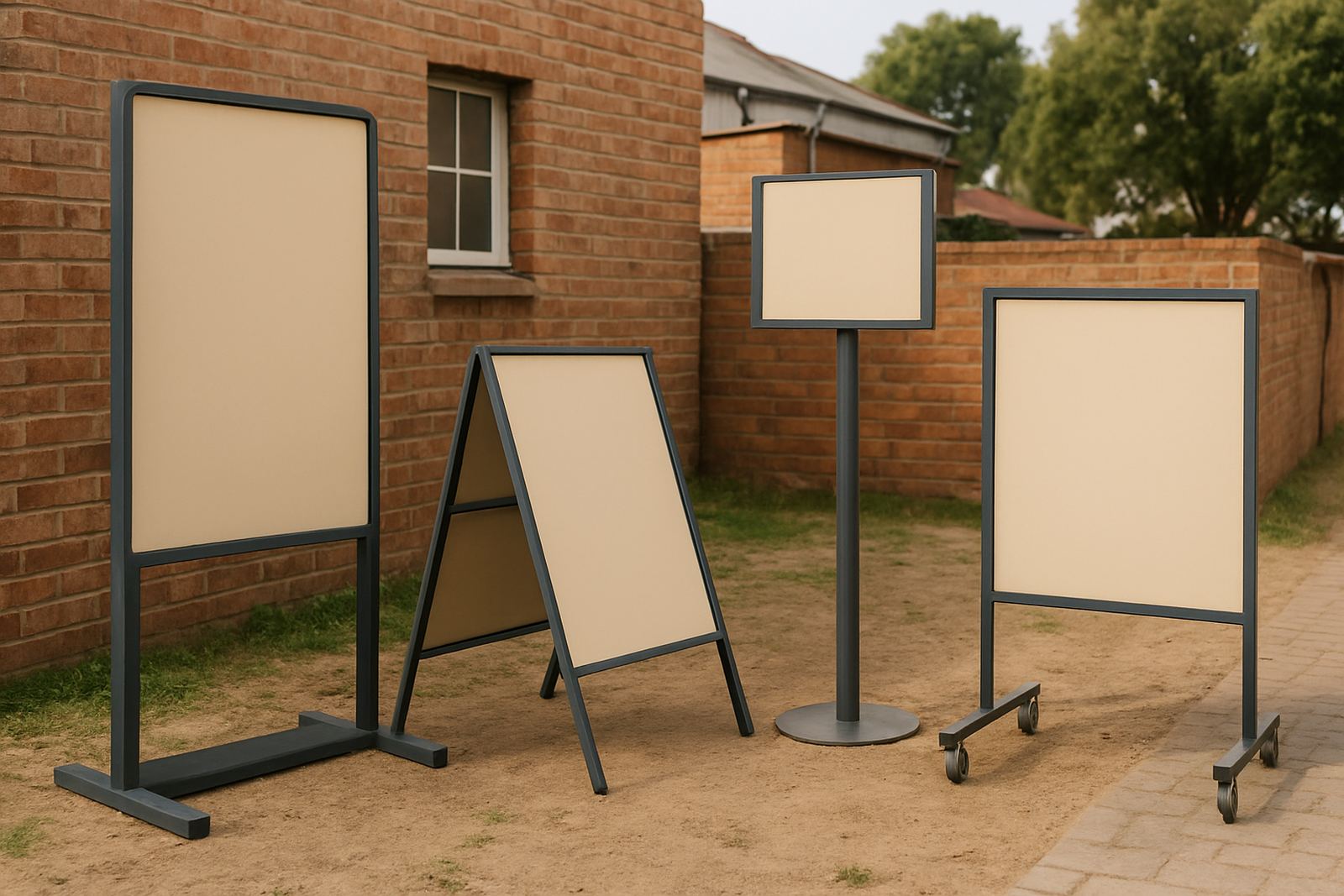
- Rigid boards suit walls, fences and entrances.
Place Signs Where People Actually Look
Even a good sign fails if it is hidden behind racking or fixed too high. Signs must sit at the decision point, not far from it. Put entry warnings at the gate, PPE requirements at the doorway and direction signs where a driver or visitor needs to turn. In warehouses, eye level for a walking person and cab level for a vehicle driver are not the same thing, so placement should suit the user.
Also consider distance and approach. A sign for reversing trucks needs to be seen before the vehicle moves into the area. An emergency exit sign should be visible from the route people will take in smoke or low light. If a wall is cluttered, use fewer signs but make each one count. Poor placement leads to ignored rules, and that can become a hazard very quickly.
- Fit signs before the hazard, not after it.
- Keep them clear of pallets, pipes and stored stock.
- Use larger panels for driveways and long sight lines.
- Check visibility from both pedestrian and vehicle routes.
Use a Simple Checklist for Each Area
A quick checklist makes sign selection easier. It also helps site managers, safety officers and contractors agree on what is needed before manufacture starts. For example, a workshop in Boksburg may need warning signs at grinders, mandatory PPE signs at the entrance, fire point markers near extinguishers and directional signs for visitors. A retail yard may need more customer-facing notices and less machine-specific wording.
Work through the checklist one zone at a time. That keeps the order neat and reduces the chance of missing a required sign. It also helps with budget planning because you can separate urgent signs from general information signs. If a panel is only needed for a short period, such as during maintenance visits or site changes, a temporary option may be enough.
- What is the hazard or instruction?
- Who needs to see it: staff, visitors, drivers or contractors?
- How far away must it be read?
- Will it face sun, rain, dust or cleaning chemicals?
- Does it need fixing, replacement or a removable format?
Keep Signs Legible and Up to Date
Safety signs should be checked regularly, not only when something goes wrong. Damaged corners, faded print, loose fixings and dirt build-up can all make a sign useless. In active sites, stock changes, routes shift and new equipment arrives, so the sign plan should be reviewed with the same care as the work area itself. A sign that was correct last year may no longer match the current layout.
We also recommend maintenance visits for sites with ongoing wear and tear. That can include replacing faded boards, removing old vinyl, updating directional information and tightening loose mountings. If a sign no longer reflects the real hazard, remove it. Mixed messages create confusion, and confusion slows people down.
At Executive Screen Printers in Boksburg, we manufacture and install safety signs across Ekurhuleni and greater Gauteng, from Benoni and Germiston to Kempton Park, Edenvale, Springs, Midrand and Alberton. If you need a practical sign plan for a warehouse, factory or active site, use our enquiry form and we will help you work through the right categories, sizes and fixing method.