A Fast Turnaround for a Busy Isando Yard
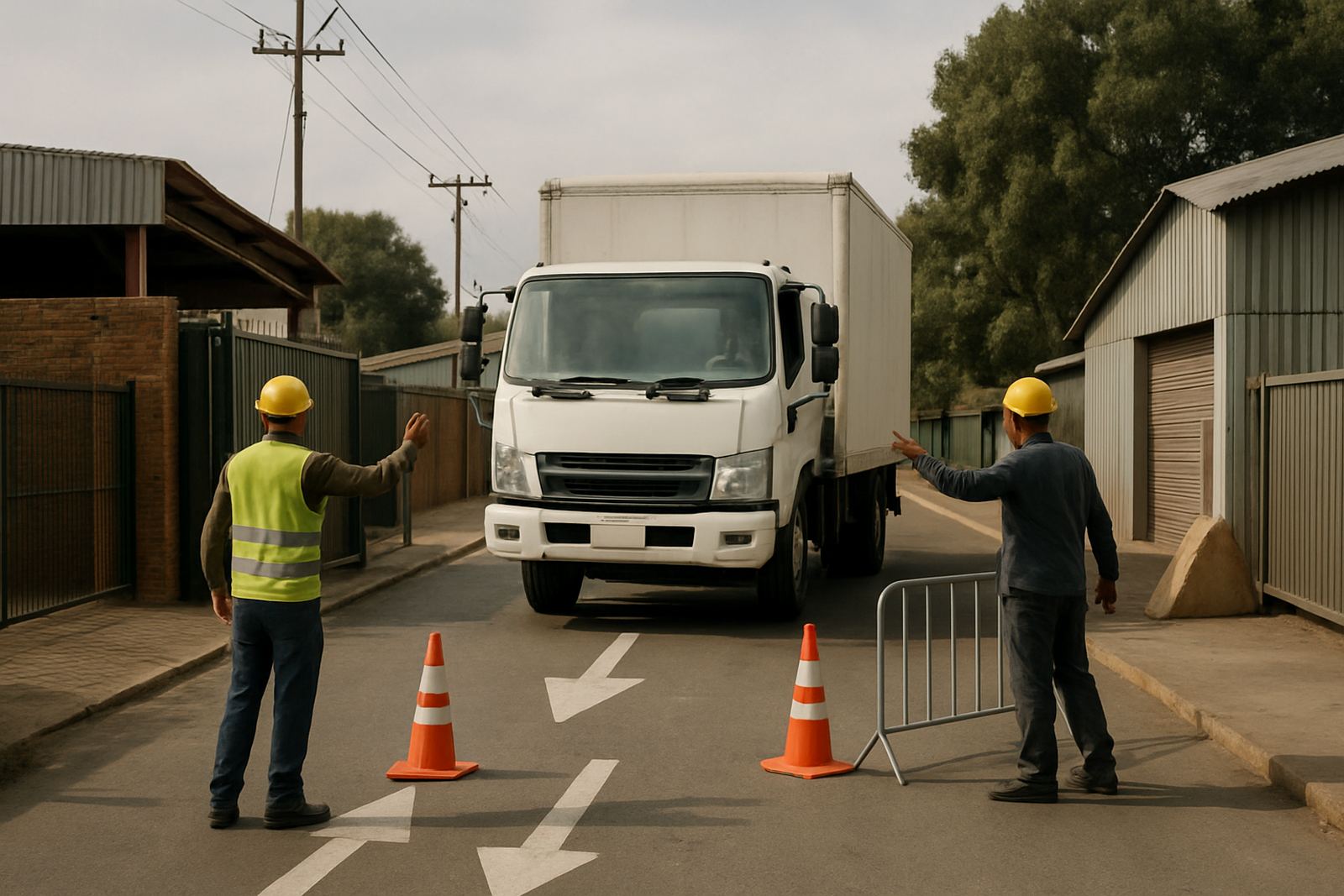
This project came from an industrial client in Isando, on the edge of Kempton Park and close to the freight routes that keep the East Rand moving. The yard handled deliveries, forklift movement and contractor access every day, so the brief was simple: make the site safer, make the rules obvious and get the work done without interrupting operations for long.
The client needed a practical signage package that could stand up to dust, sun and the stop-start wear that comes with a busy logistics yard. The signs had to cover vehicle movement, pedestrian routes, PPE requirements, restricted areas and gate access, all with enough size and contrast to be seen quickly. There was also pressure to complete the job fast because the site was preparing for an audit and the safety team wanted the missing signs in place before the next delivery cycle.
We started with a site survey and checked entry points, turning space, blind corners and loading areas. In yards like this, a sign that is too small or placed too high can be ignored, so we planned each board around the actual line of sight. The client did not want decorative work, just clear information that would last and could be maintained easily.
What the Brief Called For
The request covered heavy-duty traffic signs, PPE notices and access control boards, with a few extra items for the workshop edge and pedestrian walkways. Because the yard is exposed to weather and regular vehicle wash-downs, we recommended materials and fixings that would hold up well in a working industrial setting. The main challenge was not just making the signs, but making sure they were grouped and mounted in a way that made sense to people entering the site for the first time.
- Vehicle entry and exit signs for gate control
- PPE requirement boards for high-vis, safety boots and hard hats
- No unauthorised entry and visitor reporting signs
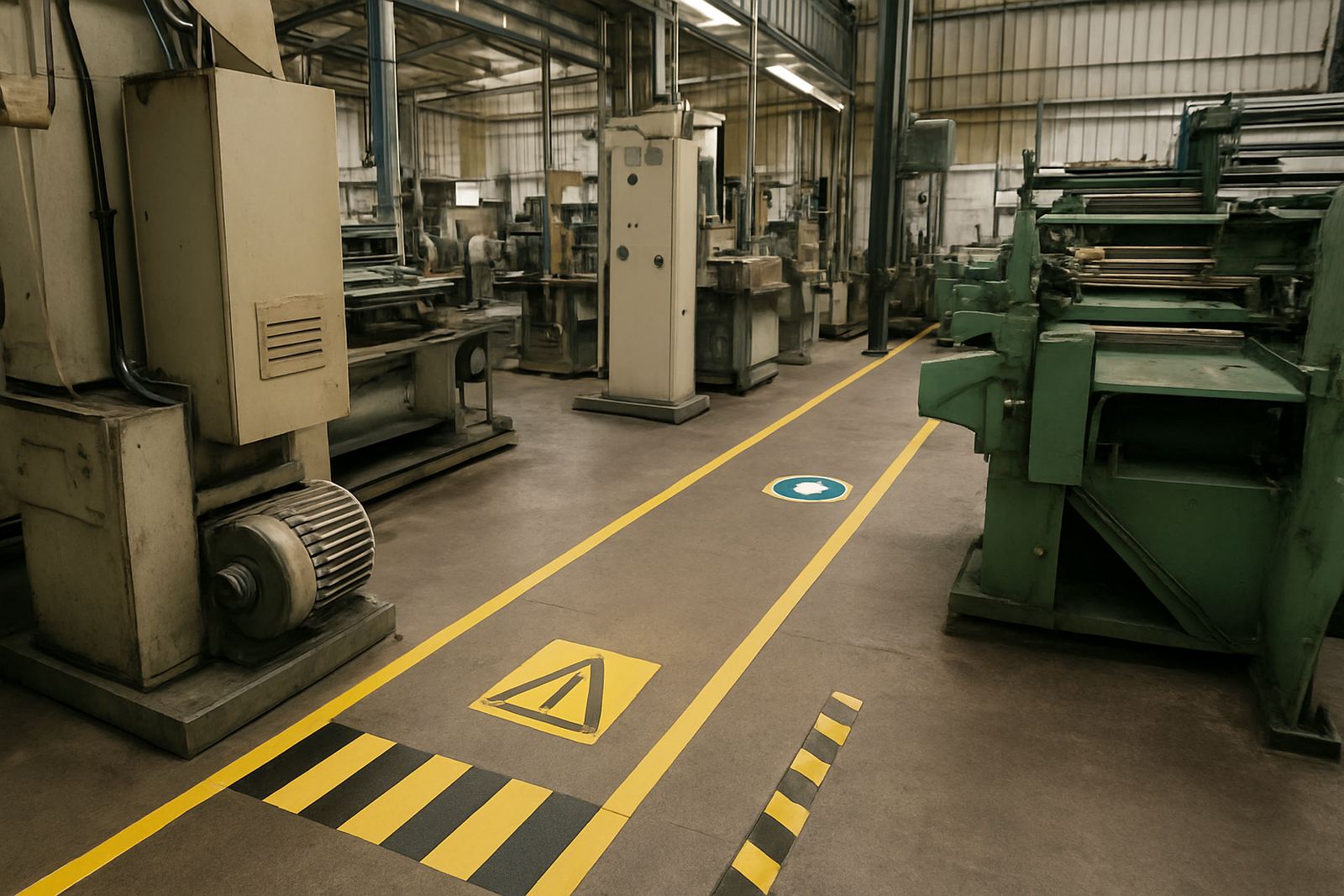
- Pedestrian walkway and forklift caution boards
- Directional signs for loading, dispatch and workshop access
- Boarding for fixed mounting on walls, gates and steel posts
We also had to consider visibility during early morning starts and late shifts. That meant strong contrast, large lettering and layouts that could be read from a moving bakkie or truck cab. The client wanted the site to feel orderly and compliant, not overcrowded with too much wording, so we kept the messages short and direct.
Manufacture and Fitment in Two Weeks
From approval to completion, the job ran over two weeks. The first few days were used for final artwork setup, sign sizing and production planning. Once the client signed off the layout, we moved into manufacture and then scheduled installation around site activity to avoid blocking access during busy hours.
The signage was produced on durable boards suited to an industrial environment, with bold lettering and straightforward pictograms where needed. We used materials suitable for outdoor exposure and high-touch areas, and where signs needed extra protection we applied mounted fixings that reduced the chance of movement in wind. For access control points, we made sure the boards were fixed securely and aligned properly so they would not look crooked after a few weeks in the weather.
- Site survey and measurements completed first
- Artwork approved before production started
- Boards cut to match each mounting point
- Installation done with minimal disruption to operations
- Final check carried out for legibility and alignment
There were a few tight moments around deliveries and equipment movement, but that is normal on a live yard. We worked around the schedule and kept the installation moving. No one wants installers in the way of forklifts and trucks, so timing matters as much as the signmaking itself.
Why the Sign Set Needed to Be Heavy Duty
Yard safety signage in Isando has to deal with practical problems that are easy to overlook. Dust builds up quickly, sun can fade poor-quality print, and constant vehicle movement means signs can get bumped or obscured. The site also had a few older boards that had become worn, so part of the job involved replacing damaged items and matching the new signs to the overall safety layout.
We supplied a mix of new boards and replacement items for key points around the property. The access control signs were placed at the main gate and secondary entry points, while the PPE boards were mounted near walkways, the workshop and loading areas. Directional boards helped visitors find reception and dispatch without needing to ask at every turn. That sounds minor, but on a working site it cuts confusion and keeps traffic moving better.
For the client, the value was not just in having new signs on the walls. It was in getting the site to a stage where the safety instructions were visible, consistent and easy to follow. A yard with clear instructions is usually calmer, and that matters when contractors, staff and delivery drivers all share the same space.
Results on Site After Installation
Once the signs were up, the yard had a clearer flow. Drivers could see where to stop, visitors knew where to report and staff had reminders in the places where they actually needed them. The client also reported that the site looked more organised for inspections, which is often where good signage pays for itself.
The finished work gave the yard a better safety profile without slowing operations. That is the balance most industrial clients are after. They do not want a lot of fuss, just signage that works every day and still looks decent after rain, sun and regular handling. The boards were mounted square and positioned with enough breathing room, so they did not get lost among the existing structures and equipment.
- Clearer gate control for vehicles and visitors
- Better visibility of PPE and restricted area rules
- Improved wayfinding for deliveries and contractors
- Cleaner overall site presentation for audits
- Reduced confusion at walkways and loading zones
For a yard like this, even one missed sign can create a weak point. With the new setup in place, the client had a practical system that supported day to day safety rather than relying on memory or verbal instructions.
What We Would Repeat on the Next Yard Project
If we were doing the same type of job again, we would keep the same order of work: survey first, then sign schedule, then production and fitment. That sequence saves time and avoids rework. We would also keep the messages short and the boards large enough for moving traffic, because overloading a yard sign with too much text just makes it harder to use.
For an industrial site in Isando or anywhere in Ekurhuleni, we would always recommend reviewing the access points, pedestrian routes and emergency exits before printing anything. It is also worth checking how the signs will be cleaned and whether they sit near heat, moisture or regular impact. A sign that looks fine on the workshop floor can fail quickly if it is fixed in the wrong spot.
This project suited the way we work at Executive Screen Printers in Boksburg. We handle site surveys, artwork setup, sign manufacture, board mounting and installation across Ekurhuleni and greater Gauteng, so clients can deal with one team from start to finish. For yards, factories and depots, that makes the whole process simpler and usually faster too.
Key facts
| Project type | Industrial yard safety signage |
|---|---|
| Location | Isando, Kempton Park, Ekurhuleni |
| Turnaround | 2 weeks from approval to installation |
| Core items | Traffic, PPE and access control signs |
| Mounting | Wall, gate and steel post fixed |
| Service scope | Survey, artwork, manufacture and fitment |