What aluminium signs are used for
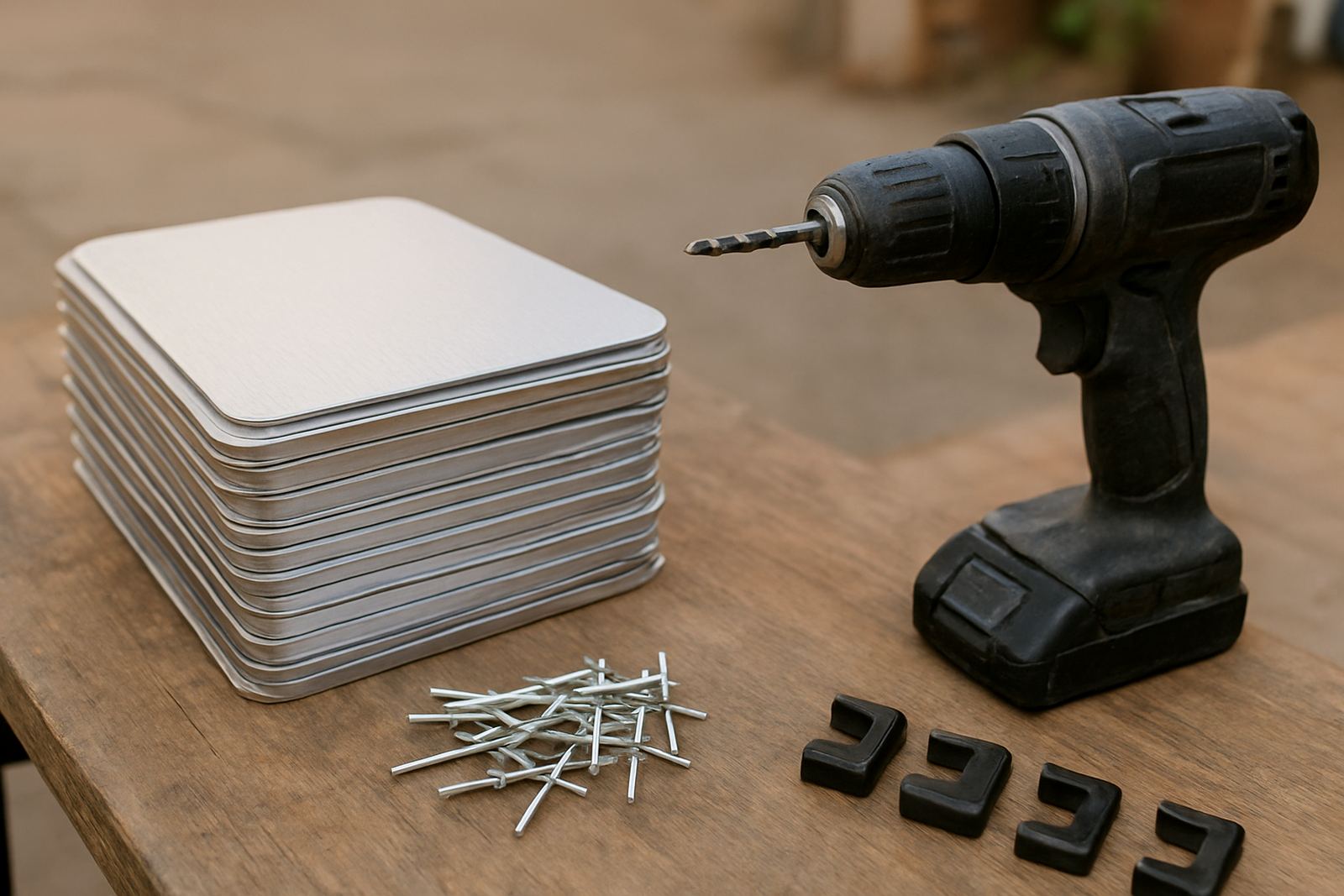
Aluminium signs are rigid boards made from flat aluminium sheet or composite aluminium panel, depending on the finish and the size needed. They are chosen when you want a sign that looks smart, stays straight, and handles weather better than many lighter board types.
At Executive Screen Printers in Boksburg, we make aluminium signs for entrances, reception walls, loading bays, workshop zones, parking areas, and street facing branding. They work well for both one off signs and repeat site signage across multiple branches.
Common uses include company name boards, directional signs, unit numbers, compliance boards, machine notices and estate agent boards. If you need lettering, logos or safety messages applied cleanly, aluminium gives a flat surface that takes vinyl, print and mounting hardware neatly.
Sizes, thicknesses and finish choices
Most aluminium signs are made to order in the size that suits the space. Smaller boards are often used for name plates and directions, while larger panels suit wall branding, outdoor notice boards and site identification. We can also work from standard sheet sizes where that helps keep costs down and reduce waste.
- Typical thickness: 0.9 mm to 3 mm, depending on size and fixing method
- Common formats: portrait, landscape, square and custom cut shapes
- Finish options: brushed metal, painted face, printed face, or plain aluminium with applied vinyl
- Mounting options: drilled holes, stand-off fittings, adhesive backing or frame fixing
For larger signs, it is important to think about rigidity. A small board can be mounted directly, but a wider panel may need extra support so it does not flex in wind. If the sign is close to the coast or in a damp area, we can advise on a finish that gives better long term protection against corrosion.
Where aluminium signs suit best
These signs suit almost any business that wants a clean, long wearing result. They are commonly used at warehouses, factories, office parks, medical rooms, schools, retail entrances and construction sites. They also work well indoors in areas where a neat finish matters, such as corridors, meeting rooms, reception areas and internal wayfinding.
Aluminium is a good choice for Ekurhuleni sites where signs must cope with dust, summer heat and occasional power interruptions that can affect building access and lighting. The board itself does not need electricity or gas to function, which keeps it practical for low maintenance branding. If the design includes illumination, that is a separate discussion and may need electrical points and an installer on site.
- Outdoor branding for gates, walls and boundary lines
- Indoor wayfinding and room identification
- Safety and compliance notices on workshops and plant areas
- Estate, site and contractor boards that need to stay tidy for longer
Installation, fixing methods and site access
Installation depends on where the sign must sit and what the wall or structure is made of. A brick wall, steel gate, cladding panel or fence line each needs a different fixing method. Our team can do site surveys, check measurements and confirm whether the board needs drilling, standoffs or a support frame.
For vehicle branding or temporary site boards, we also look at access, height and any municipal or estate rules that apply. In some areas, boards facing a public road must be sized and placed carefully, especially where visibility, building lines or advertising restrictions come into play. It is better to check before manufacture than to redo the whole sign later.
Aluminium signs do not require gas or special utility connections. If the sign is purely a printed or cut-letter board, installation is mechanical only. If lighting, timers or illuminated edges are added, then power points and safe cable routing must be planned in advance. Our installation foreman will normally confirm these details before the board goes into production.
Artwork, lettering and print options
Aluminium signs can carry cut vinyl lettering, printed graphics, safety symbols and full colour branding. For simple names and directional wording, cut vinyl gives a neat edge and is easy to read at a distance. For more detailed logos or colour blocks, a printed face may be the better option.
Before making the sign, we check the artwork setup so the final board reads clearly from the intended viewing distance. Small text, thin lines and crowded layouts are often the first things to cause trouble, especially on outdoor signs where glare or shade can affect legibility. A clean layout with enough space is usually the best choice.
- Company names and logo panels
- Safety wording, arrows and statutory notices
- Directional boards and bay identification
- Numbered panels for offices, units and parking
Care, servicing and refurbishment
Aluminium signs are easy to maintain, but they still need occasional cleaning. A soft cloth, mild soap and water are usually enough. Harsh solvents, steel wool and abrasive pads can scratch the face or lift vinyl edges. In dusty industrial areas, a simple wash every few weeks keeps the sign looking tidy.
If the board is outdoors, check the fixings now and then for movement or wear. Strong sun, vibration from gates, and coastal air can all shorten the life of fasteners before the aluminium itself becomes a problem. We also do maintenance visits, vinyl removal and sign refurbishment where the panel is still sound but the branding has aged or changed.
For businesses with changing tenants, updated safety rules or new corporate details, refurbishment can be more cost effective than replacing the whole sign. In many cases we can reuse the base board and fit fresh graphics over it, which saves time and keeps the site presentable.
What to check before you order
A few details make the order process much smoother. First, confirm the exact size and where the sign will be placed. Then check whether it is for indoor or outdoor use, and whether it must be read from close range or across a driveway or road. That affects text size, finish and fixing method.
You should also check the following:
- Final wording, spelling and capital letters
- Logo files or reference artwork
- Mounting surface and available fixing points
- Exposure to sun, rain, dust or chemicals
- Whether the sign must match existing branding on other branches
If you are ordering for more than one location in Boksburg, Benoni, Germiston, Kempton Park, Alberton, Springs, Edenvale or Midrand, we can keep the layout consistent across all sites. That helps with brand recognition and makes future replacements easier.
Clients can send an enquiry through our contact page, and we will take it from there. For aluminium signs that need to look sharp and last, the best result starts with correct sizing, a clean layout and the right fixing method for the job.
Key facts
| Material | Aluminium sheet or composite aluminium panel |
|---|---|
| Typical thickness | 0.9 mm to 3 mm |
| Use | Indoor and outdoor signage |
| Finish options | Plain, painted, brushed, printed or vinyl applied |
| Fixing methods | Drilled holes, standoffs, adhesive or frame mount |
| Service area | Boksburg, Ekurhuleni and greater Gauteng |