
What a pavement sign is and how it works
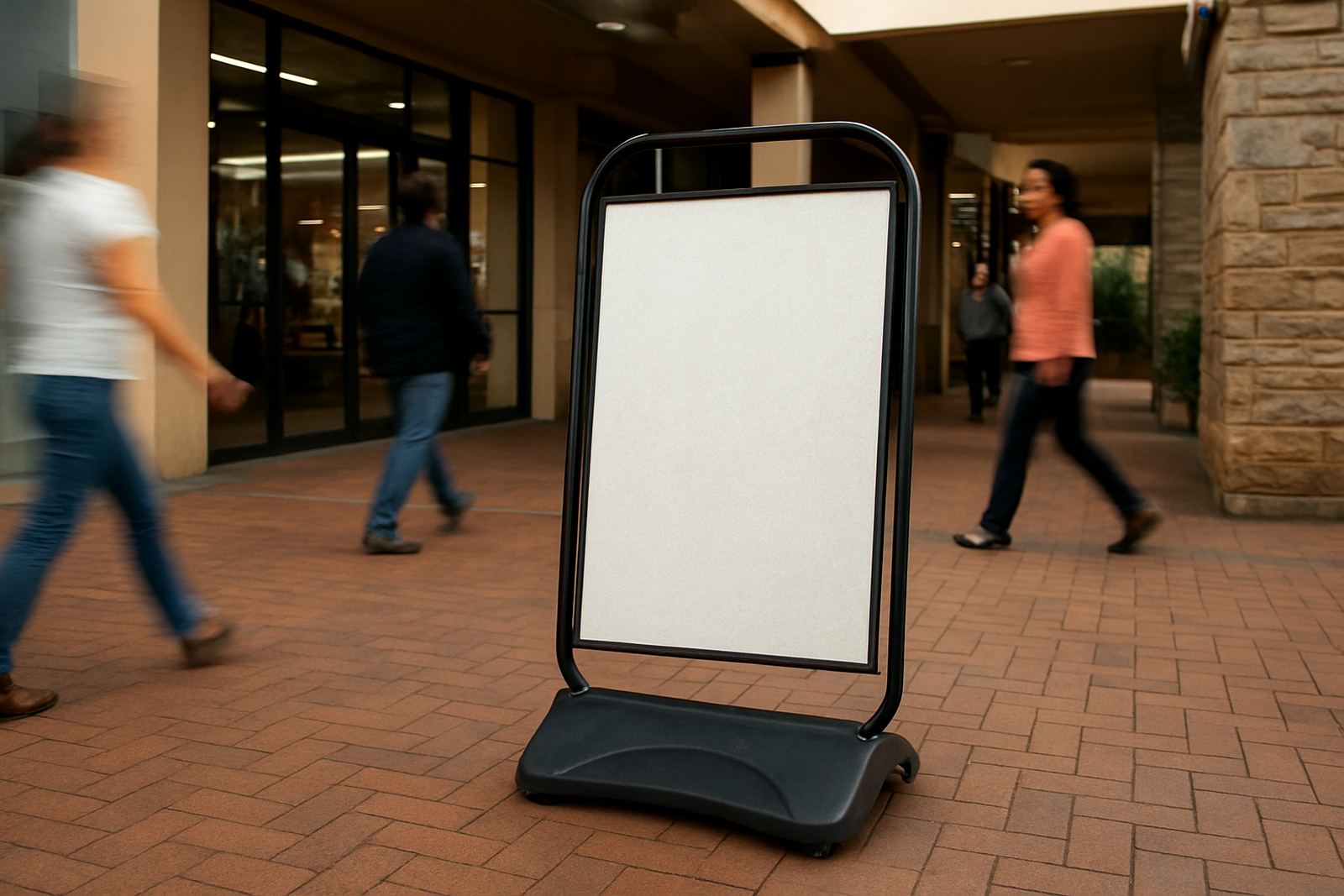
A pavement sign is a freestanding sign placed on the ground near an entrance, walkway or parking area. It is used to grab attention with a short message, a menu, a special offer, a directional note or a property viewing announcement. In Boksburg and across Ekurhuleni, these signs are common outside takeaway shops, estate agencies, builders yards, clinics, churches and event spaces where people need quick information at street level.
Most pavement signs are made with a frame and two sign faces, or a single panel with a weighted base. They are meant to be seen fast by people walking or driving slowly past. The message has to be simple, with large lettering and a clean layout, because nobody has time to read a long story at the kerb.
- Good for daily specials, menu highlights and trading hours
- Useful for open days, sales, parking directions and safety notices
- Easy to reposition when foot traffic changes during the day
Sizes, materials and display options
Pavement signs come in a few common sizes, and the right choice depends on where the sign will stand and how much space is available. A narrow pavement outside a café in Germiston needs a different footprint to a wide forecourt in Benoni or a showroom entrance in Midrand. We normally guide clients on panel size, base weight and whether one side or both sides should carry the message.
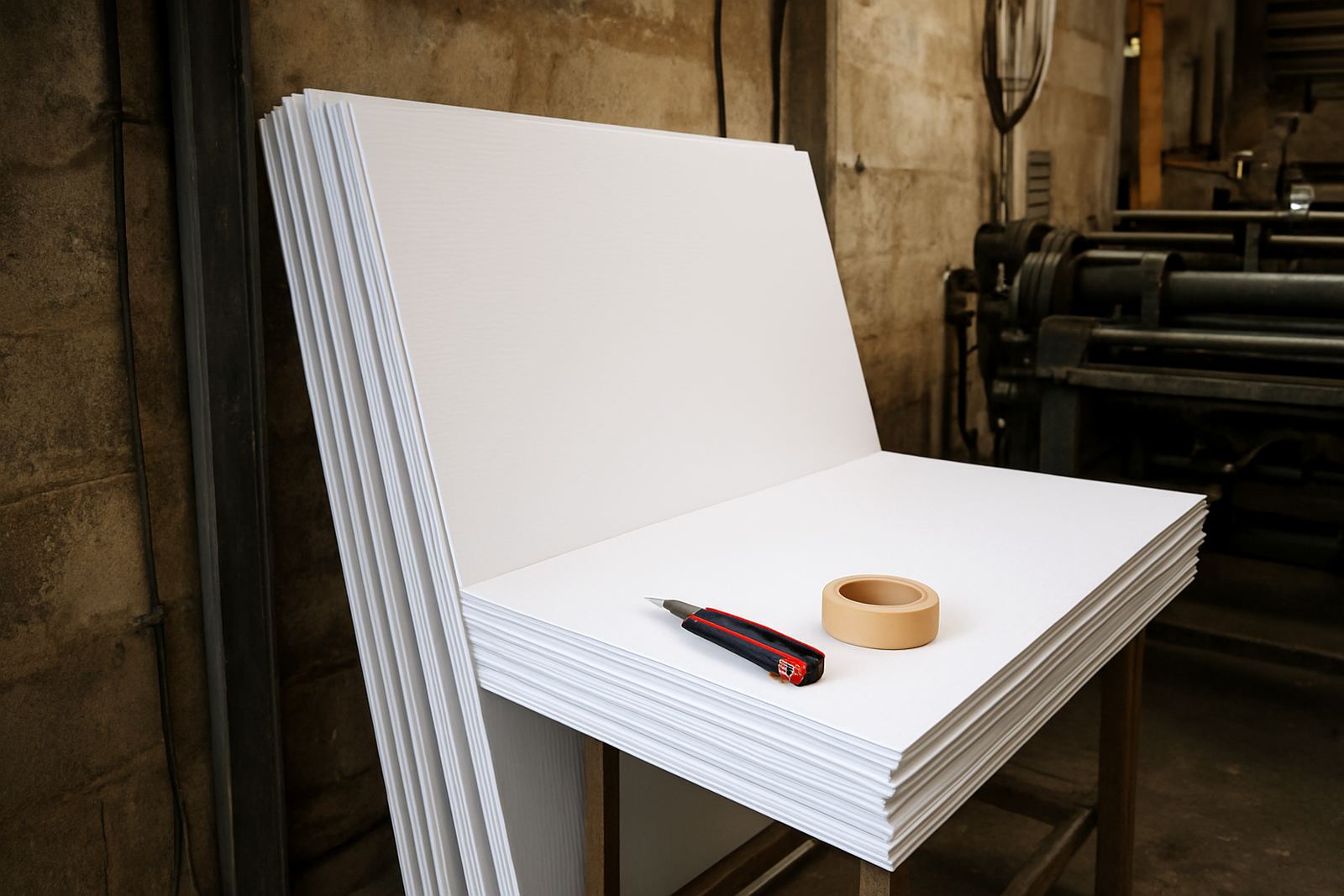
Panels can be made from rigid board, aluminium composite, or other suitable exterior sign material. For short-term promotions, a printed insert may be enough. For longer use, cut vinyl lettering or printed graphics give a cleaner finish and hold up better when handled daily. If the sign will be moved often, the frame and hinges should be strong enough to cope with repeated opening and closing without bending.
- Typical face sizes: 600 x 900 mm, 700 x 1000 mm, 800 x 1200 mm
- Single-sided or double-sided display
- Options for chalkboard style, printed panels or vinyl lettering
- Frames can be weighted, foldable or fixed depending on site conditions
Where pavement signs suit best
These signs suit places where people make decisions close to the entrance. A restaurant can use one for the lunch special, while a hardware shop may use one to point clients to the trade entrance or loading bay. Estate agents use them for show houses and property shows. Schools, churches and community halls often use them for event direction, parking or registration points.
They also work well in areas where the signage has to change often. A sign at a site gate in Springs can direct contractors one week and visitors the next. For street-facing businesses, the sign should not block the pavement or create a hazard. In some municipal areas you must keep the board within your own property line, so placement matters. If the sign is going outside a shop in a busy centre, make sure there is still enough space for wheelchairs, prams and delivery trolleys.
- Restaurants, cafés and takeaways
- Estate agencies, property launches and road shows
- Clinics, salons, churches and event venues
- Construction sites, factories and warehouse entrances
Installation, anchoring and any power or gas needs
Most pavement signs need no power and no gas at all. They are a manual, low-cost option and can be put into service quickly once the artwork is ready. For sign types that include lighting or electronic display, a proper power supply and safe routing of cable must be planned in advance, especially where the board sits near foot traffic or puddling water after rain. In Gauteng summer storms and coastal humidity do not mix well with loose wiring, so outdoor electrical work must be neat and protected.
Installation depends on the product. Some signs arrive ready to stand, while others need site fixing, mounting plates, ballast or brackets. On windy corners in Boksburg or near open forecourts in Alberton, extra weight or a wider base is often needed. If the sign is going on paving, tar or a shop apron, the surface should be level enough for stable standing. Uneven ground can cause the board to lean, and that shortens its life.
We can assist with delivery, setup and placement advice, and for more permanent locations we can arrange mounting or fitment as required.
Care, servicing and keeping the message readable
Pavement signs live outside, so dirt, rain, dust and sun all take their toll. A quick wipe with a soft cloth and mild detergent keeps the face readable. Avoid harsh solvents on printed graphics because they can dull the finish or lift the lettering. If the frame has hinges, check them now and then for stiffness, rust or loose fixings. A bit of maintenance goes a long way, especially near busy roads where grit builds up.
We also handle refurbishment, vinyl removal and maintenance visits when a sign starts looking tired. If the message changes often, it is worth choosing a system that allows the panel to be updated without replacing the whole frame. That saves money and keeps the business looking cared for. For trade sites and busy retail fronts, a clean sign is part of good housekeeping and customers notice it.
- Wash off dust and traffic grime regularly
- Check hinges, feet and fasteners after windy weather
- Replace faded inserts before the message loses impact
- Store fold-away signs under cover when not in use
What to check before you place an order
Before ordering, it helps to know exactly what the sign must do. Is it for a menu, a special, a warning notice or direction? Will it stand inside a mall entrance, on a pavement, or on a forecourt with strong wind? Do you need one side or two? The more detail we have, the better the final result. It also helps to measure the area where the sign will sit so the base does not interfere with foot traffic or doors.
Have your wording ready, along with logo files if you want branding included. If the sign must match other site boards or fleet marking, we can keep the style consistent. For Gauteng businesses with multiple branches, this is useful because customers recognise the same look in Boksburg, Benoni, Germiston and beyond. Our team can also help with artwork setup if the layout needs clean spacing and large readable text.
- Final wording and any pricing or dates
- Approximate space available at the site
- Whether the sign needs to fold, stand weighted, or be moved daily
- Any municipal or landlord rules about placing signs outside
Key facts
| Product type | Freestanding pavement sign for temporary or semi-permanent outdoor use |
|---|---|
| Common sizes | 600 x 900 mm, 700 x 1000 mm, 800 x 1200 mm |
| Material options | Rigid board, aluminium composite, printed inserts or cut vinyl faces |
| Display | Single-sided or double-sided, with foldable or fixed frame options |
| Installation needs | Usually no power or gas needed; weighted base, brackets or mounting may be required |
| Care | Regular cleaning, hinge checks, fade monitoring and occasional refurbishment |