What Bakkie Branding Is And Where It Works Best
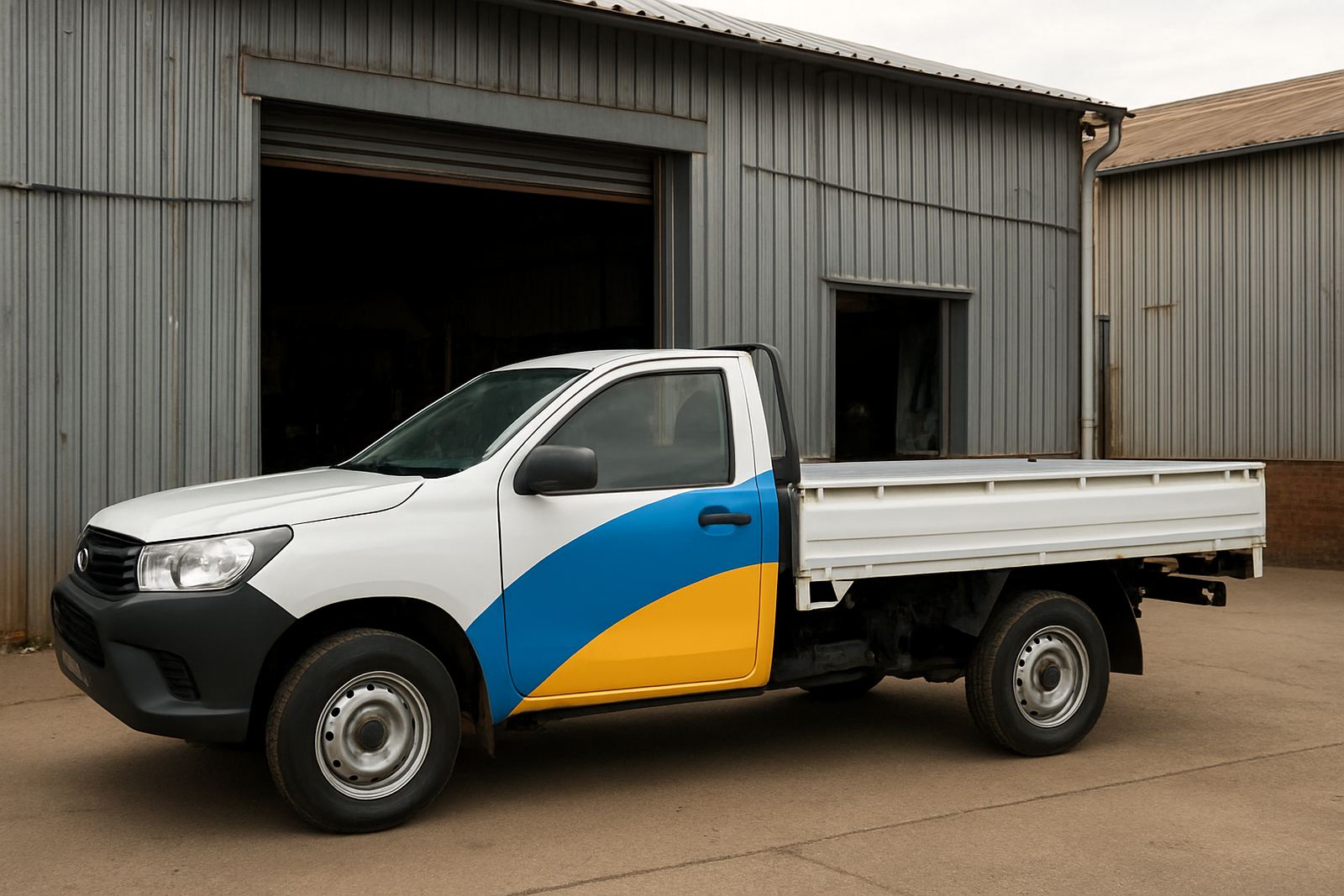
Bakkie branding is the application of cut vinyl lettering, full or partial panel graphics, contact details and service messages to a utility vehicle or light truck. It turns a working vehicle into a moving signboard, which is useful when your team is on the road all day and needs to be recognised quickly at depots, gates and sites.
It suits builders, electricians, plumbers, security teams, delivery operators, maintenance crews and municipal contractors. In Boksburg, Benoni, Germiston, Kempton Park and Alberton, we see these vehicles working in dusty yards, on tar roads, at retail parks and in estate access lanes, so the finish has to hold up to daily washing, sun and traffic grime.
- Cut vinyl lettering for names, phone numbers and services
- Partial wraps for doors, tailgates and side panels
- Reflective details for higher visibility after dark
- Temporary magnetic panels for seasonal or shared vehicles
Common Sizes, Coverage Options And Graphic Layouts
There is no single standard size because bakkies differ by cab style, canopy height and load bin length. We work from the actual vehicle or the body measurements so the artwork sits properly around handles, curves and fuel filler points. A small single-cab may need only door lettering and a tailgate panel, while a double-cab with canopy can carry side branding, rear branding and roofline text.
Typical coverage options range from simple identification to more visible commercial graphics. For a neat and practical result, many clients choose one of these setups:
- Front doors only for company name and contact details
- Doors plus tailgate for trade name, services and website address
- Half sides for logos, colours and a stronger road presence
- Full side panels for teams that spend most of the day travelling between jobs
We can also match colours to your existing corporate identity so your bakkie fits in with uniforms, stationery and other sign work. If the vehicle already carries old branding, we can advise what can stay and what should be removed first.
Material Choices For Harsh Sun, Dust And Frequent Washing
Bakkie graphics are usually made from outdoor sign vinyl selected for vehicle use. On commercial vehicles in Gauteng, the finish must cope with strong sun, daily dust, road spray and repeated washing. For long service life, we recommend cast or high-performance cut vinyl on curves and panels that flex, and a suitable lamination where printed graphics are used.
On farms, construction sites and industrial yards, we often suggest reflective accents or high-contrast lettering for quicker identification. If your vehicle parks outside, the adhesive and top layer need to handle heat and summer storms. Coastal humidity is less of a concern in Boksburg, but moisture still matters on washed vehicles and on panels that sit under rubber seals.
- Outdoor-rated cut vinyl for lettering and logos
- Printed vinyl for colour blocks, pictograms and larger panels
- Reflective film for safety marking and night visibility
- Removable options for leased or shared bakkies
Fitment, Site Work And Power Requirements
We fit bakkie branding in our workshop or on site where access allows. For a clean installation, the vehicle must be washed, dry and free of wax or silicone residue. If old graphics are being removed first, we allow for extra time so the adhesive can bond properly to the paint and the edges do not lift later.
Vehicle branding itself does not need power or gas. It is a manual signmaking and fitment process. If your order includes printed panels, reflective elements or other sign production items, those are manufactured in our workshop and then installed. For larger fleet work, we can plan fitment around your operating hours so the bakkies are not off the road longer than necessary.
- Workshop fitment for controlled, dust free application
- On-site installation for fleets and busy depots
- Old vinyl removal available before new branding goes on
- Clean panel prep for stronger adhesion and neater edges
Care, Cleaning And When To Book A Refresh
Good care keeps bakkie branding readable for longer. Use mild soap and water, a soft cloth or sponge, and avoid aggressive scrubbing on corners and seams. High-pressure washing is fine if kept at a sensible distance, but do not aim the nozzle at lifted edges, joins or badge areas. That is where damage usually starts.
If the vehicle works in building rubble, transport yards or service routes with a lot of overspray, check the edges every few weeks. Sun fade, stone chips and repeated loading can wear graphics faster on the rear quarters and tailgate. We can refurbish faded panels, replace damaged sections and remove outdated branding before a new logo goes on.
- Wash by hand where possible, especially on fresh fitments
- Avoid strong solvents and abrasive pads
- Book a maintenance visit if corners start lifting
- Replace faded or outdated details before the vehicle looks tired
What To Confirm Before You Place An Order
Before you order, check the exact vehicle model, cab type and year. A single-cab, extended-cab and double-cab all need different artwork proportions, and canopy fitments can change the usable panel space. It also helps to confirm the wording, spellings, contact number, colour references and whether you want branding on one side or both.
If your bakkie has existing decals, tell us whether they must be removed, covered or worked around. Also consider your operating conditions. A contractor doing site visits in Boksburg and Germiston may need tougher visibility and simple messaging, while a service team in Midrand or Edenvale may need a cleaner corporate look for client-facing work.
- Vehicle make, model, cab type and year
- Logo files, wording and preferred colours
- Which panels are to be branded or left clear
- Whether you need removal of old graphics first
Key facts
| Product type | Bakkie graphics and vehicle branding |
|---|---|
| Typical materials | Outdoor cut vinyl, printed vinyl, reflective film |
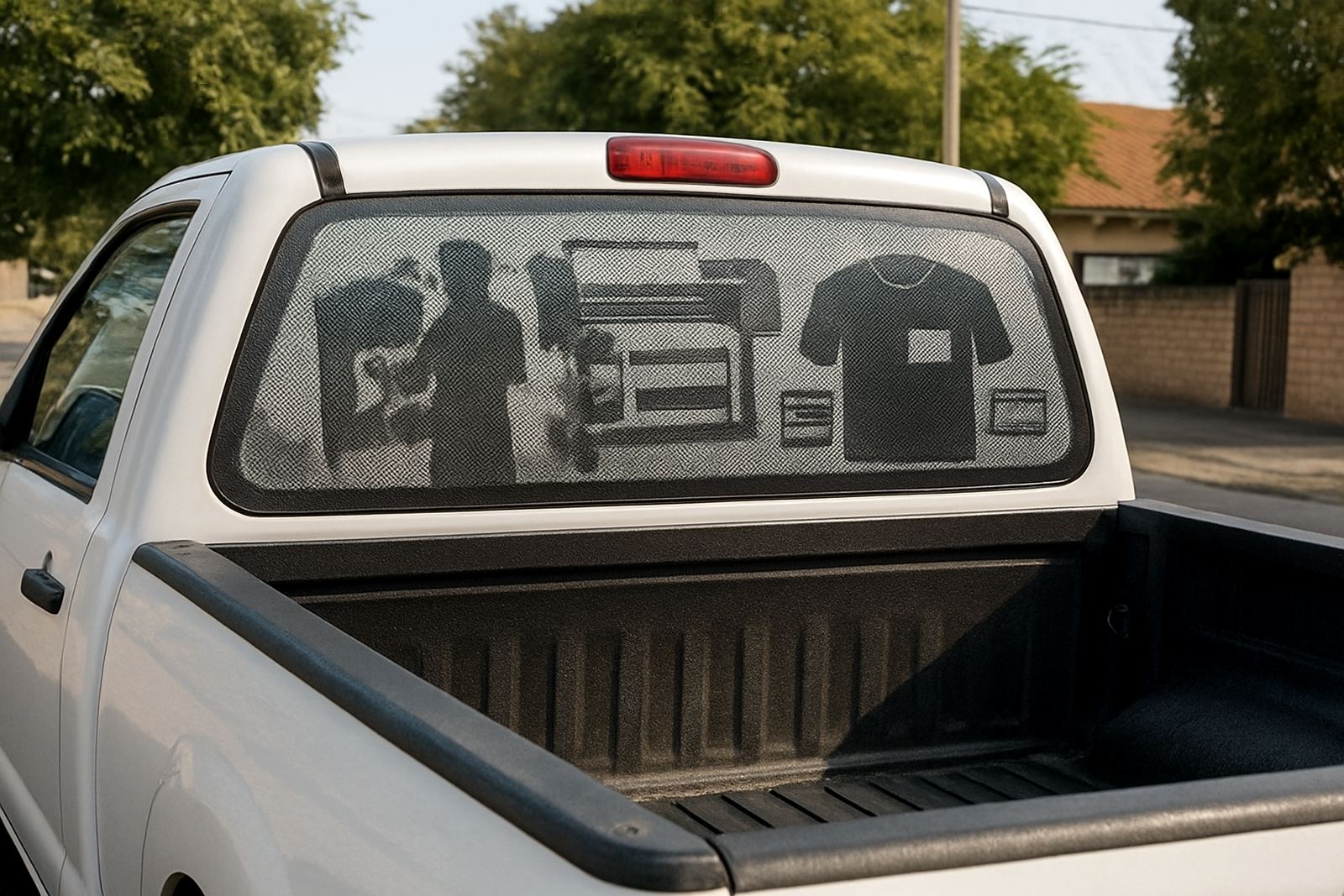
| Common fitment areas | Doors, tailgate, side panels, canopy, rear windows where suitable |
| Size basis | Custom measured to the vehicle body and panel layout |
| Installation | Workshop fitment or on-site installation |
| Maintenance | Mild wash, periodic edge checks, repair or replacement of worn sections |