
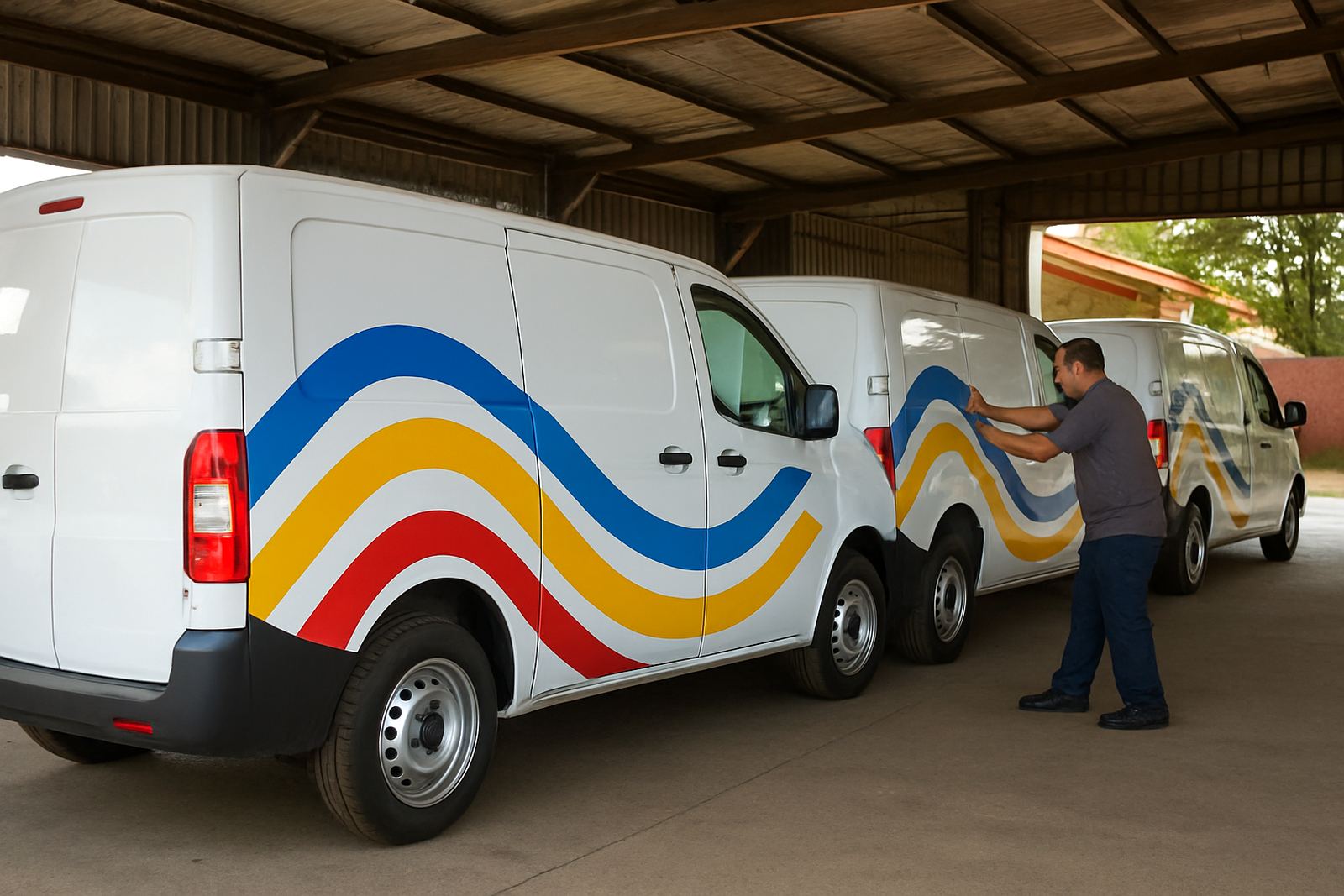
What Fleet Marking Covers
Fleet marking is the process of applying company identification, contact details and brand graphics to vehicles so they are easy to spot on the road and at client sites. We mark bakkies, panel vans, delivery vehicles, trailers, small trucks and service cars with cut vinyl lettering, printed panels, reflective elements and registration-friendly labels where needed.
Most fleets use a mix of details. That can be a logo on the doors, wording on the tailgate, emergency numbers on the rear, and brighter panels for quick recognition in traffic. For companies working in Boksburg, Benoni, Germiston, Kempton Park and further into Gauteng, the aim is plain: the vehicle must look orderly, read clearly and stay neat after long days on the road.
We can work from a single unit or a full fleet schedule. If you are adding vehicles over time, we keep the layout consistent so each one matches the next, even when the body shape changes a bit.
Sizes, Materials And Layout Options
Fleet graphics are sized to suit the vehicle body and the amount of text you want visible at a glance. Small door marks may be 300 x 300 mm, while full side branding can run from 1 200 x 600 mm up to several metres across a panel or wrap section. For trucks and larger vans, we often split the artwork into practical panels so it fits around handles, ribs and fuel caps.
Material choice depends on budget, exposure and how long the vehicle stays in service. Cut vinyl is ideal for names, phone numbers and simple logos. Printed vinyl works better for colour logos, gradients, larger messages and detailed artwork. Reflective film is useful for rear panels, roadside service vehicles and plant that moves at night or in low light.
- Cut vinyl lettering for names, branch details and registration numbers
- Printed panels for full colour logos and larger side graphics
- Reflective accents for visibility at night or in poor weather
- Optional magnetic panels for temporary or shared vehicles
We also allow for vehicle curves, rivets and panel breaks so the finish sits properly and does not peel at the edges. A clean install matters more than big artwork that is badly placed.
Where Fleet Marking Works Best
Fleet marking suits any business that sends vehicles out daily and wants the public to know who is arriving. It is common for plumbers, electricians, builders, courier teams, security services, cleaning crews, maintenance contractors, food delivery vehicles and site support fleets. It also works well for estate agents, project managers and companies with field staff moving between clients all day.
In Gauteng, vehicles spend long hours in traffic, parked in the sun and exposed to dust, rain and frequent washing. Good fleet graphics keep the brand visible without needing constant repainting or expensive custom work. On the East Rand especially, where municipal sites, warehouses and industrial yards often want quick identification, clear markings save time at the gate and help staff look organised.
For companies that split work between town, industrial areas and estates, we can keep the design restrained enough for corporate use but still readable from a distance. That balance is important when a vehicle must look professional at a head office, then practical on a building site a few hours later.
Installation, Fitment And Site Work
We handle vehicle fitment and sign installation from our Boksburg base, with work carried out in the workshop or on site when the job calls for it. Standard fitment needs a clean, dry vehicle, enough space to work around the unit, and time for the adhesive to settle before the vehicle goes back into hard service. In most cases, no power or gas supply is needed for basic fleet marking, only a suitable work area and access to the vehicles.
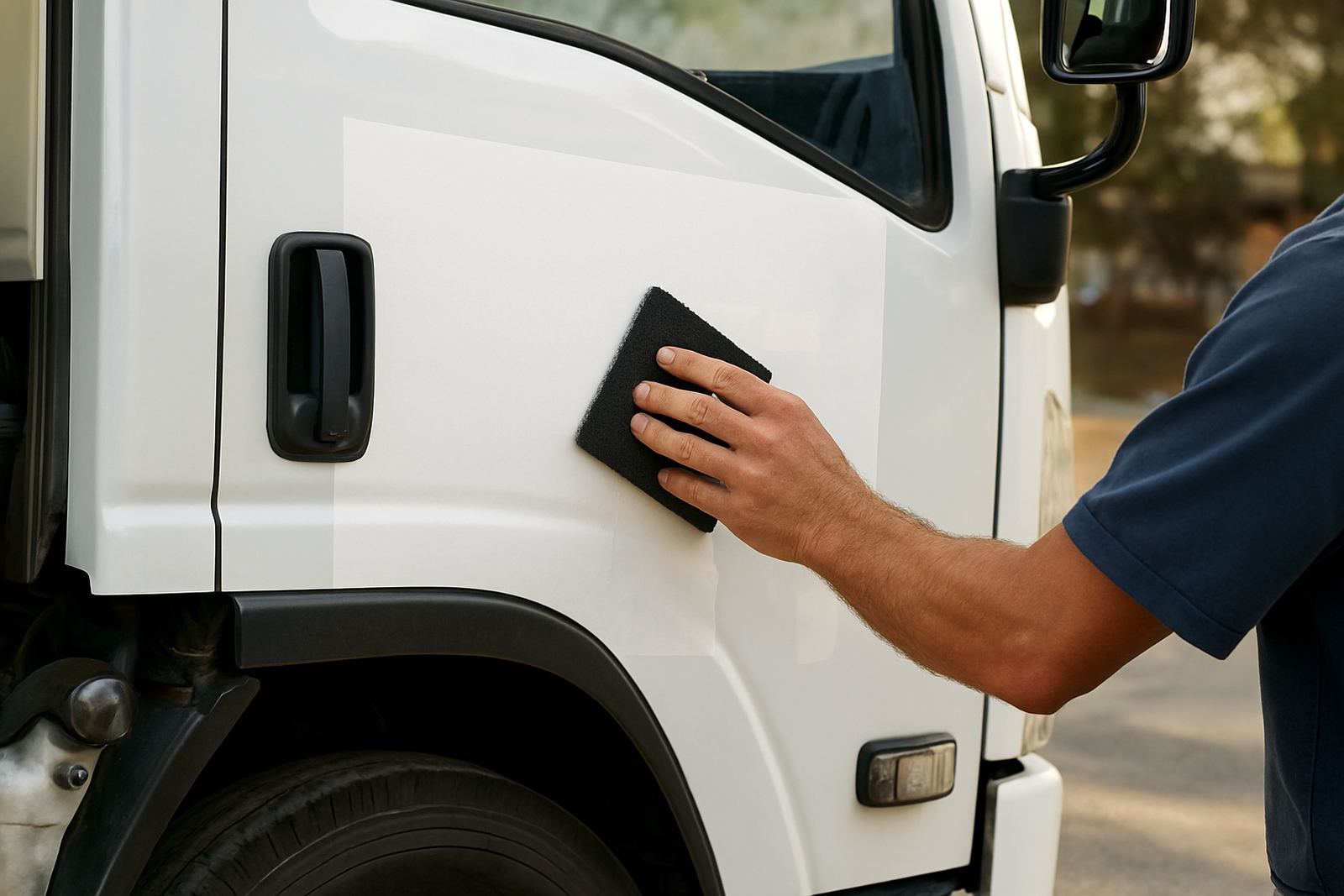
If the job includes larger printed panels, reflective strips or older graphics that need removal first, we may schedule extra time for prep. Vinyl removal is sometimes needed when a vehicle is changing ownership, changing route or moving to a new company identity. A proper strip and clean helps the new markings last longer and avoids glue showing through later.
- Workshop fitment for single vehicles and small fleets
- On-site installation for yards, depots and secure parking areas
- Vinyl removal and surface cleaning before rebranding
- Maintenance visits for damaged or missing sections
We work carefully around sensors, trims, door handles and loading points. If a vehicle is still in daily use, we can split the job so it causes less disruption to your operation.
How To Care For Fleet Graphics
Fleet markings last longer when the vehicle is washed by hand or with a gentle hose rinse rather than harsh scrubbing. Strong solvents, abrasive cloths and very hot water can shorten the life of printed vinyl and lift edges over time. In coastal humidity or dusty inland conditions, the film may need a little more attention around seams and corners, especially after long road trips.
Keep an eye on pressure washing, because a lance held too close can damage the edges. The same goes for vehicle wraps near badge lines and door seams. If one section is scratched or starting to lift, it is better to have that patch replaced early than leave it to spread. We do maintenance visits for fleets that want to keep a tidy appearance without pulling every vehicle out of service at once.
For companies using shared vehicles, a simple cleaning routine goes a long way. It keeps the branding readable and saves you from replacing parts that should have lasted longer in the first place, which is a waste.
What To Check Before You Order
Before production starts, it helps to confirm the vehicle list, colours, measurements and the exact wording for each unit. If you have different body styles in the same fleet, we need each one checked separately. A bakkie canopy is not the same as a panel van side, and a truck tailboard often has less usable space than people expect.
It is also worth deciding where the graphics must be seen from first. Some fleets need the sides to carry the main message. Others need the rear to be most visible in traffic. For site vehicles, the doors and tailgate are often the best places for company details, while larger trucks may need additional identification near the cab or load body.
- Vehicle make, model and year
- Number of units in the fleet
- Logo files and exact wording
- Preferred colours and reflective requirements
- Whether the vehicle is new, used or being rebranded
If you are not sure what will fit, we can do a site survey and measure the available panel space. That avoids guesswork and keeps the pricing and layout clear from the start.
Key facts
| Product type | Vehicle branding and identification graphics |
|---|---|
| Typical sizes | 300 x 300 mm decals up to full side panels and partial wraps |
| Materials | Cut vinyl, printed vinyl, reflective film and removable magnetic panels |
| Best suited to | Vans, bakkies, cars, trailers, light trucks and service fleets |
| Installation | Workshop fitment or on-site vehicle branding |
| Maintenance | Hand washing, edge checks, patch repairs and removal when rebranding |