What a site board does on a working site
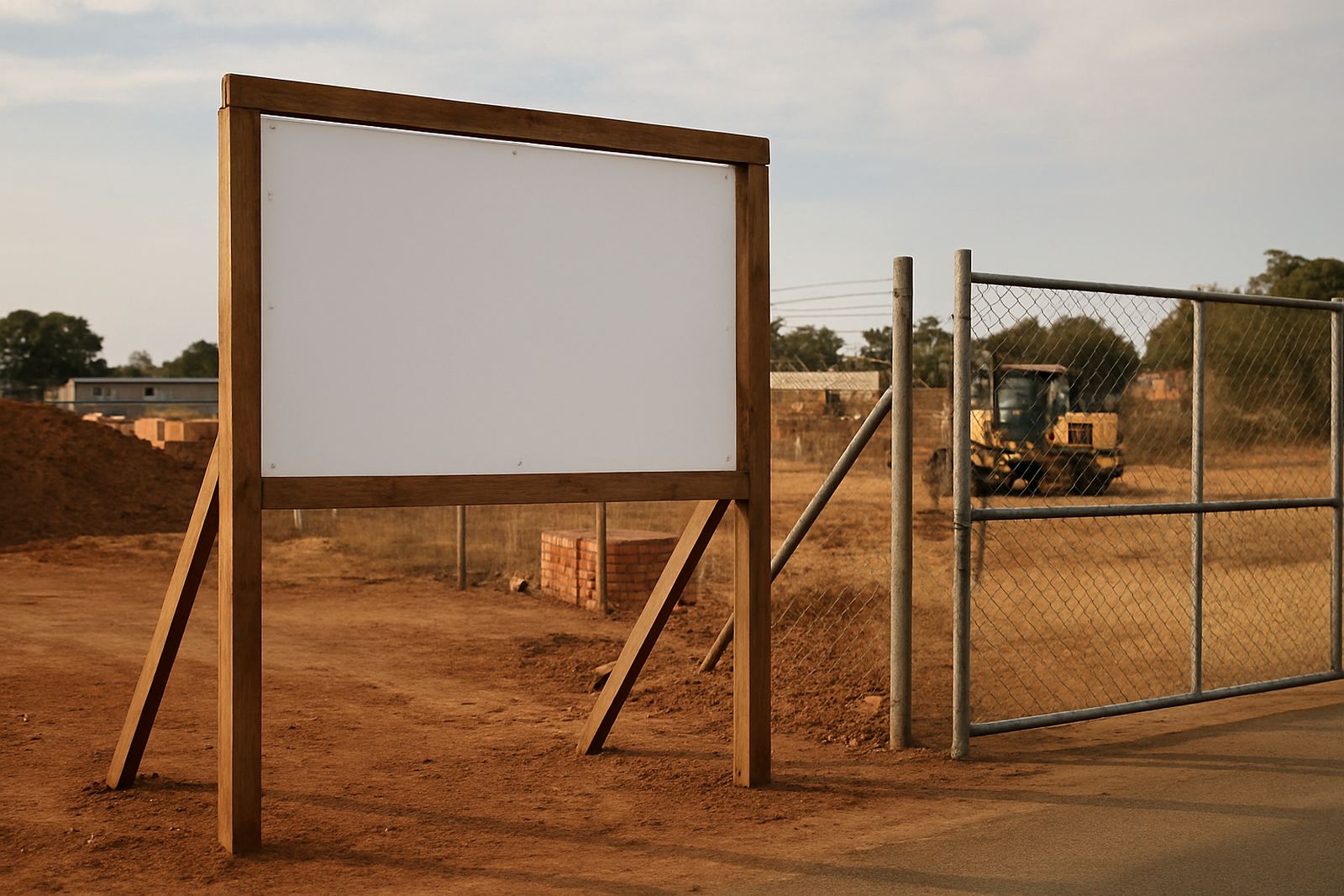
A site board is usually the first sign people see at a building, development or engineering project. It helps visitors, inspectors, neighbours and subcontractors identify who is on site, what is being built, and who to contact if there is a query. For many projects in Boksburg and the East Rand, it also supports access control and gives a more professional finish to the site perimeter.
We produce boards for commercial developments, housing projects, retail refurbishments, road works and industrial upgrades. The content can include the main contractor, client, principal agent, emergency details, site rules, municipal reference numbers and branding. If the board is going up near public roads or a boundary line, the layout needs to be clean and readable from a fair distance, not cramped with too much text.
Good site boards are practical. They must stay legible in sun, dust, rain and the occasional splash from curing concrete or wash-down water. In windy areas around Kempton Park, Germiston and Springs, the fixing method matters just as much as the print itself.
Board sizes, materials and print options
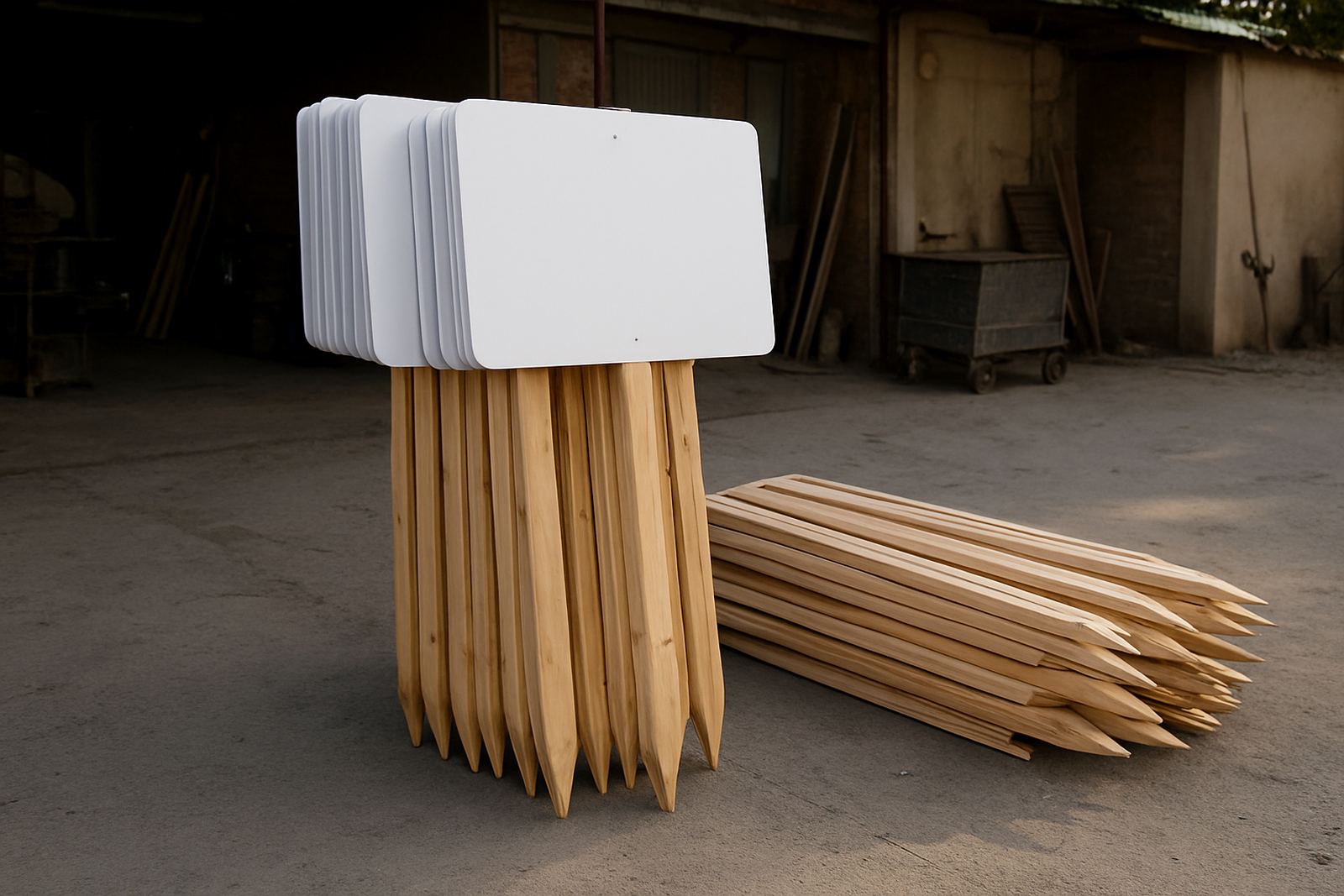
Site boards can be made in standard sizes or cut to suit your fence line, hoarding or temporary frame. Common sizes include 1200 x 1800 mm, 1500 x 2400 mm and 1800 x 2400 mm, but larger formats are often used on developments with road-facing visibility. For smaller jobs, a neat 600 x 900 mm board may be enough for a controlled access point.
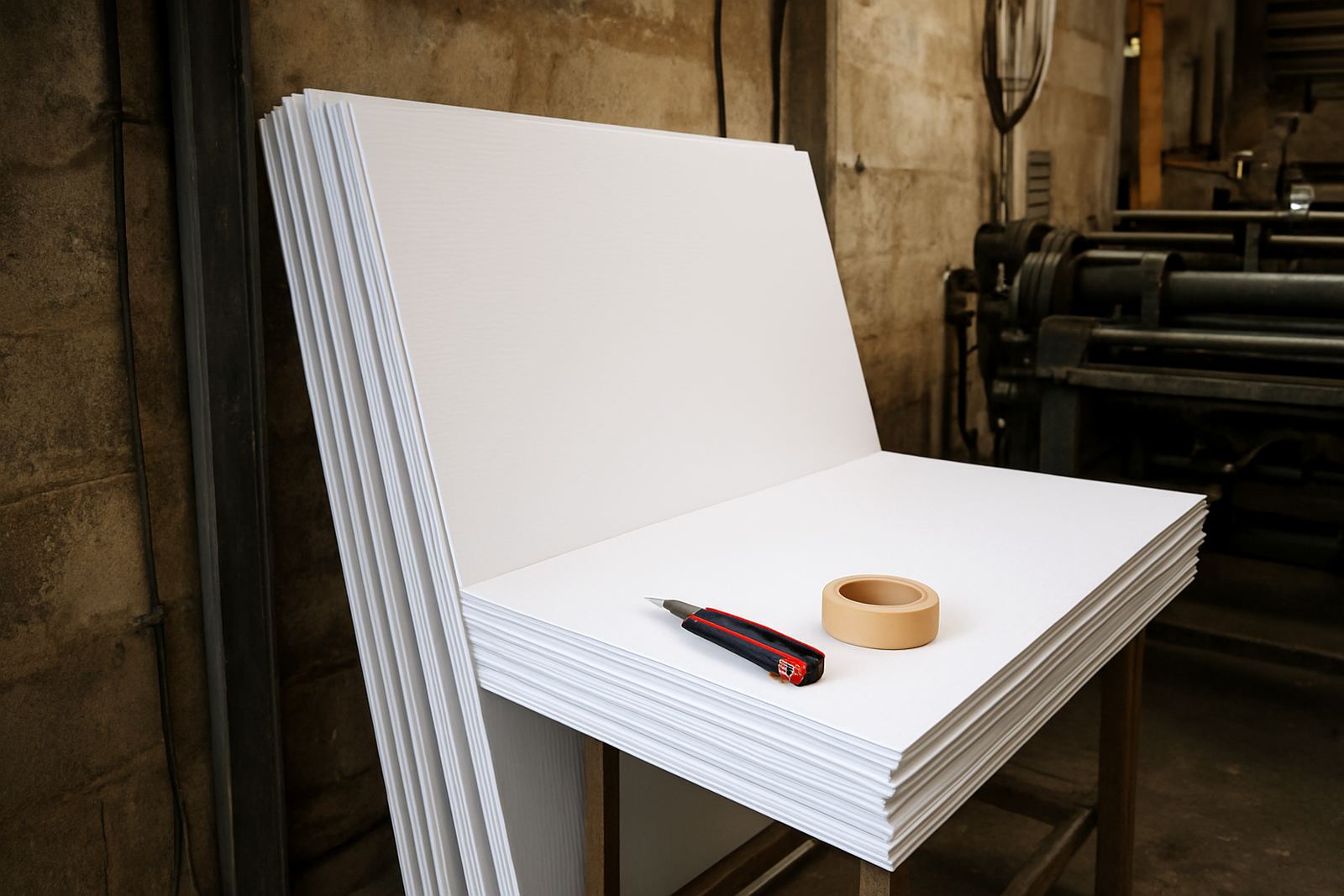
We work with rigid board materials suited to local conditions and the expected time on site. Options can include flat composite board, PVC board, corrugated plastic for temporary use, or laminated panels for longer exposure. Print can be full colour, cut vinyl text, or a mixed approach with a printed background and applied lettering. If the site is near a busy road or subject to strong sun, a UV-stable finish is worth specifying.
- Standard rectangle or custom cut shape
- Single-sided or double-sided print
- Matt or gloss finish depending on glare and viewing angle
- Pre-drilled fixing points or frame mounting
- Reflective elements where night visibility is needed
Where site boards suit best
These boards suit almost any project where people need clear identification and site information. They are commonly used on new builds, extensions, schools, factories, warehouse upgrades, residential estates and civils projects. Estate agent boards and development boards often follow a similar layout, although the messaging is usually lighter and more sales focused.
In municipal areas, especially where permits or temporary occupation rules apply, it helps to have the board ready before the first deliveries arrive. That way your name and contacts are visible from day one. For developers working across Alberton, Benoni, Edenvale and Midrand, we can match the board style to the site type so the same company looks consistent across multiple projects.
- Construction sites with contractor and client details
- Development sites for residential or commercial projects
- Access control points and boundary fences
- Roadside visibility for public-facing projects
- Temporary information boards during refurbishments
Installation, fixings and power or gas considerations
Most site boards are mounted to fencing, poles, frames or walls. The right fixing depends on board size, wind exposure and how long the board must stay up. On open ground or higher fences, we often recommend a stronger frame rather than simple cable ties, because a loose board can flap and tear, especially during summer storms. For longer term sites, we can arrange board mounting and refit work if the site layout changes.
Site boards do not normally need power or gas, unless they form part of a larger illuminated sign set or the project calls for lighting. If the board will be viewed after dark, we can discuss reflective print or a separate illuminated panel, but the basic product itself is non-electrical. This keeps installation simple and avoids extra maintenance during load-shedding, which is handy on active sites where power interruptions already affect tools and access control.
If the board is going near a boundary wall, roadside verge or public walkway, check local setback requirements and whether the wording must include mandatory safety or contractor details. Some sites also need a second board at the main gate for deliveries, so we can supply matching sizes and layouts in one order.
Care, cleaning and servicing over the project life
A site board should stay readable for the full project period, which may be a few weeks or several years. Dust from trucks, cement splatter, birds and sun exposure can dull the finish over time, so a simple wipe with mild soap and water is usually enough. Avoid harsh solvents or abrasive pads, as they can mark the print or cloud the laminate.
If the site changes contractor details, contact numbers or safety notices, we can update the board rather than replacing the whole panel. That is useful for phased developments where the site team changes or where the principal contractor needs to refresh information after a handover. Routine maintenance visits can also catch loose fixings, bent frames or faded edges before they become a problem.
For boards close to coastal humidity or on dusty industrial sites, longer lasting finishes are worth the extra spend. The goal is simple: keep the message clear, keep the board fixed, and keep the site looking orderly.
What to check before you order
Before production starts, it helps to confirm the basics. The board may look simple, but a missing line or wrong size can delay a handover or leave you with a board that is too small to read from the road. We usually check artwork, spacing, fixing method and the final wording before print, then confirm the install location and access on site.
- Exact board size and whether the layout is landscape or portrait
- Project name, contractor name and contact details
- Logo files or lettering style for the final artwork
- Required safety notices, permit text or site reference numbers
- Mounting surface, fence type and wind exposure
- Whether the board is temporary, long term or needs to be changed later
If you are ordering for more than one site, keep the wording consistent across all locations. That makes it easier for suppliers, inspectors and the public to recognise the project. We work from our Boksburg base and cover Ekurhuleni and greater Gauteng, so whether your site is in Germiston, Springs or Midrand, we can help with supply and installation without fuss.
Key facts
| Common sizes | 1200 x 1800 mm, 1500 x 2400 mm, 1800 x 2400 mm, custom sizes available |
|---|---|
| Material options | Composite board, PVC board, corrugated plastic, laminated panel |
| Print types | Full colour print, cut vinyl lettering, mixed print and vinyl |
| Mounting | Fence mount, pole mount, wall mount or frame mount |
| Finish | Matt or gloss, with UV-stable options |
| Use period | Temporary projects, phased developments or long term sites |