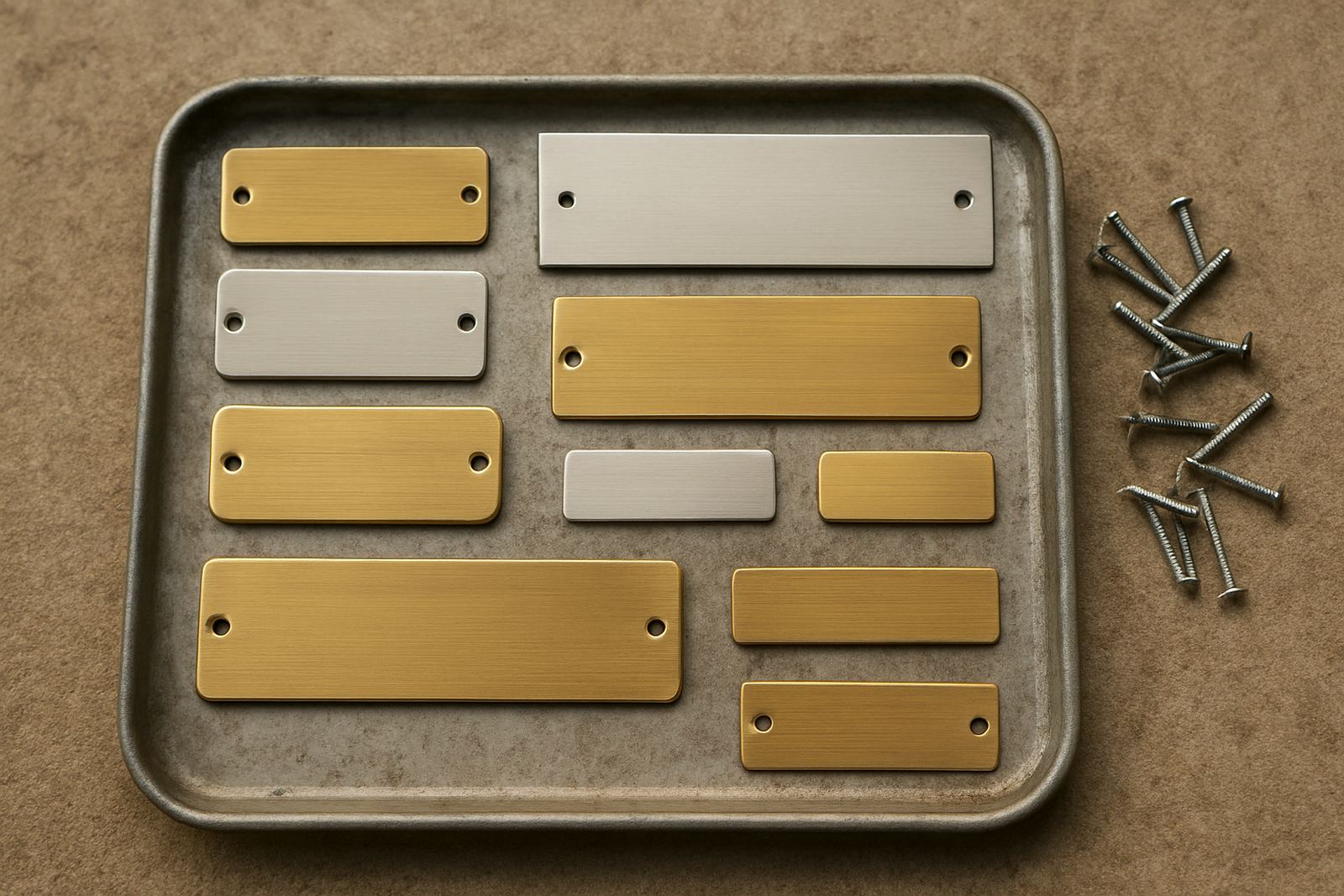
Neat identification for sites, offices and equipment
Name plates are a practical way to label people, places and assets without clutter. They can be used on control panels, cupboards, doors, machinery, shelves, electrical boards and fixed items that need a permanent identity. For many clients, the main aim is simple: make information easy to read at a glance and keep the site looking orderly.
We produce name plates to suit indoor and outdoor use, from small office identifiers to larger asset plates for factories, schools, warehouses and commercial buildings. In busy environments like Boksburg, Benoni and Germiston, clear identification saves time during maintenance, audits and handovers. It also helps when contractors or security staff need to find the right item quickly.
- Office door and room plates
- Asset and equipment labels
- Electrical and control panel plates
- Department, rack and shelf markers
- Industrial warning and instruction plates
Materials, finishes and sizes that suit the job
We supply name plates in a range of practical materials depending on where they will be used. For indoor office use, a clean engraved or printed plate often does the job well. For workshops, outdoor walls and humid areas closer to the coast, a tougher face with weather resistance is usually better. Where cleaning chemicals are used, we can advise on a finish that handles regular wiping better.
Common options include aluminium, stainless steel look material, engraved plastic, laminated face material and adhesive-backed plates for smooth surfaces. Sizes are made to order, from small 50 x 20 mm labels to larger 300 x 100 mm plates or bigger if the wording needs more room. Thickness is chosen according to the application, with thinner plates for light indoor use and heavier stock for long term mounting.
- Standard small plate: 50 x 20 mm to 80 x 30 mm
- Medium office plate: 100 x 25 mm to 200 x 50 mm
- Asset plate: 30 x 15 mm to 120 x 60 mm
- Custom large plate: up to 300 x 100 mm and beyond
- Finish options: matte, gloss, brushed or high-contrast print
Where name plates work best on real sites
Name plates are used across many parts of a business. On a manufacturing floor they help mark plant items, safety stations and service points. In an office they make reception areas, meeting rooms and work areas easier to manage. In schools, clinics and body corporate buildings they help with room control and asset tracking. For estate agents and site managers, they are useful for block numbers, tenant names and temporary notices.
We also supply name plates for fleet and vehicle use where a small fixed identifier is needed inside the cab or on a panel. On construction and service sites, they can be fitted to boards and brackets to show equipment codes or contact details. If your site is subject to municipal or building management rules, we can work from the wording and size that has been approved, so the final plate is ready for use without delay.
- Factories and workshops
- Offices, reception areas and corridors
- Schools, clinics and managed estates
- Plant rooms, switch rooms and service areas
- Vehicles, trailers and fixed assets
Installation, fixing methods and site requirements
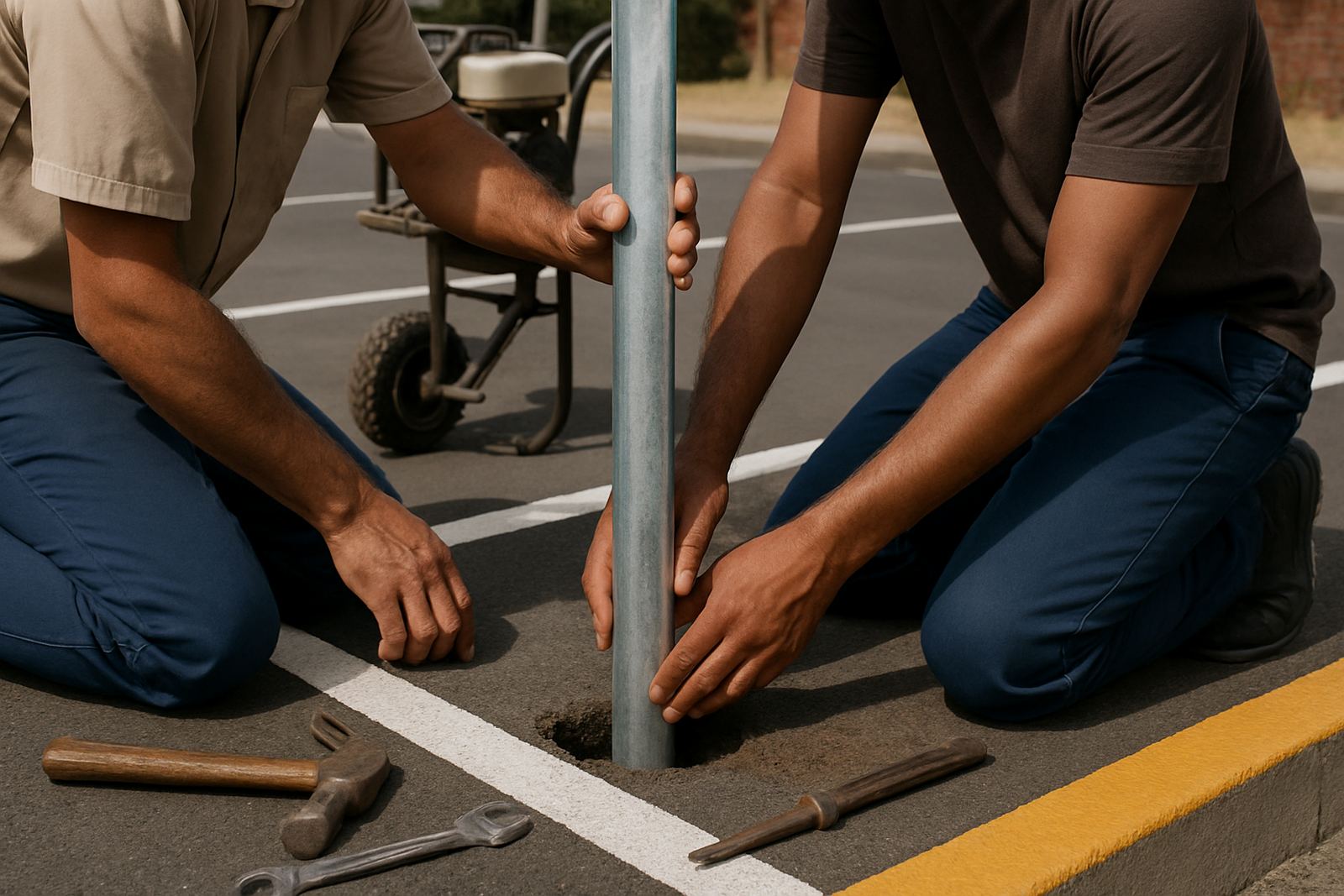
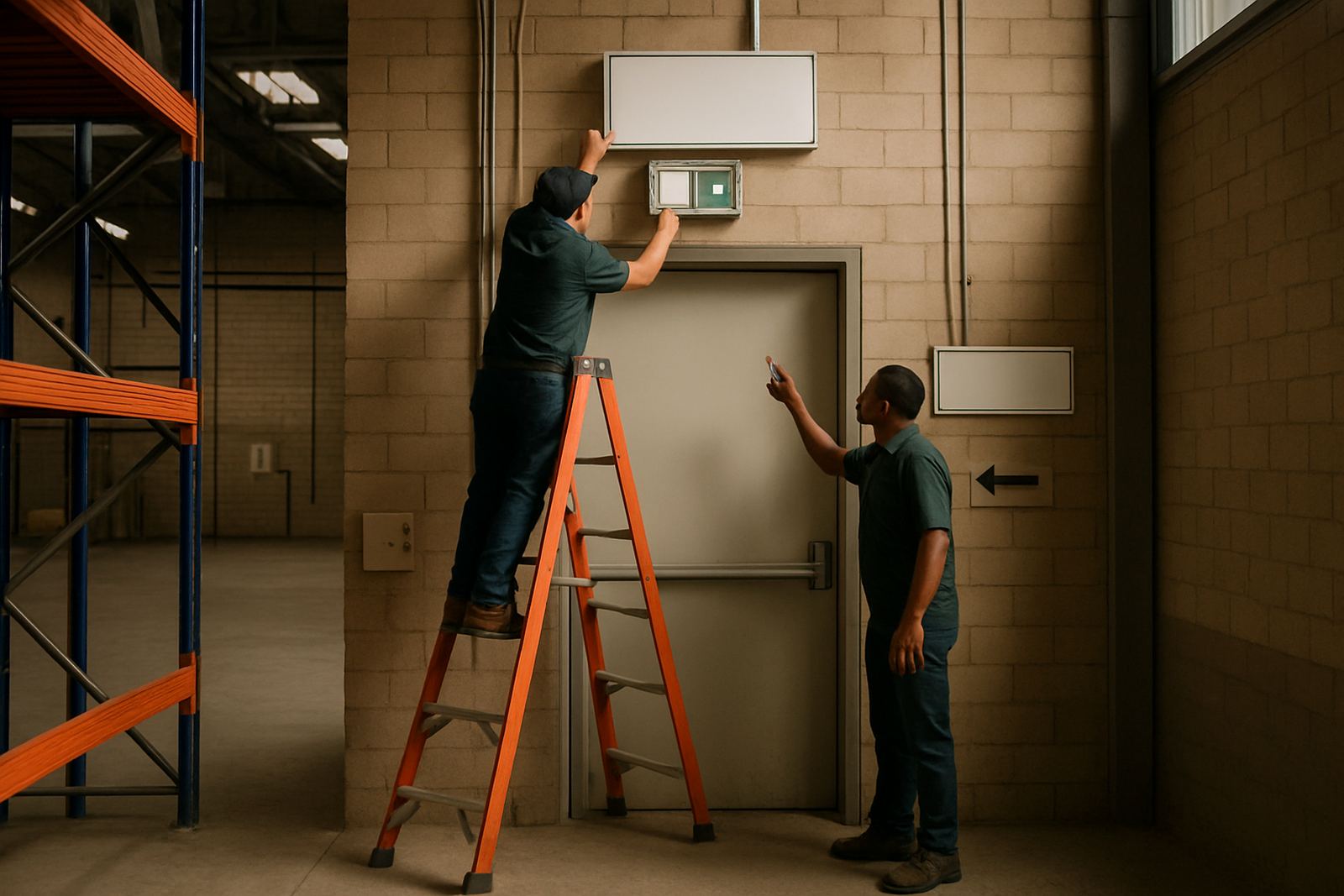
Installation depends on the surface and the environment. Small plates can be supplied with adhesive backing for smooth, clean surfaces. Larger plates may need screws, rivets, stand-off fittings or a frame mount. For exterior work, we recommend fixings that suit wind exposure, direct sun and regular rain. On coastal or high-humidity sites, the fixing method matters as much as the plate itself.
Our installation team can fit name plates on doors, walls, machinery, fences, gates and board assemblies. If the site is active, we can plan the visit around production hours or access restrictions. In some cases, especially on equipment or electrical panels, the area must be switched off before fitting and the relevant site permit arranged. For gas related areas, the plate must be placed so it does not interfere with warning labels, valves or inspection access.
- Adhesive fix for smooth indoor surfaces
- Screws or rivets for metal, timber or masonry
- Stand-off fix for a raised, tidy look
- Weather-safe mounting for outdoor exposure
- Careful placement around safety and service points
Artwork, wording and what to check before ordering
The most common problems with name plates come from missing information, wrong sizes or text that is too small to read. Before ordering, check the exact wording, spelling, job title, asset number, department name and any compliance text needed. If the plate will be seen from a distance, choose larger letters and fewer lines. If it is for a control cabinet or small item, the wording should be short and direct.
We can work from your list, drawing or sample, and our design coordinator will help with layout so the finished plate is practical. For serial numbers or asset codes, consistency is important across the full batch. If you need multiple plates for one site, it helps to group them by room, function or department so the installation team can fit them quickly on delivery day.
- Confirm wording, spelling and capital letters
- Check plate size against the mounting space
- Choose indoor or outdoor material
- Decide on colour contrast for easy reading
- State fixing method and quantity upfront
Cleaning, servicing and reorders over time
Name plates usually need very little maintenance, but they last longer if they are cleaned with a soft cloth and mild soap rather than abrasive cleaners. Harsh solvents can dull the surface or lift adhesive on some materials. In dusty industrial areas around Ekurhuleni, a quick wipe during routine cleaning keeps the text readable and the site looking organised.
If a plate is damaged, faded or needs updating after a staff change or asset change, we can remake it to match the original format. This is useful for businesses that want the same look across offices, workshops and branches. For larger sites, we can also assist with scheduled maintenance visits and delivery service, so reorders do not slow down the work on site.
- Wipe with a soft cloth and mild cleaner
- Avoid scraping tools and strong solvents
- Keep a record of sizes and wording for reorders
- Replace worn plates before they become hard to read
- Use the same format across all branches for consistency
Key facts
| Material options | Aluminium, engraved plastic, laminated plate, stainless steel look finishes |
|---|---|
| Common sizes | 50 x 20 mm up to 300 x 100 mm, custom sizes available |
| Thickness | Light indoor stock to heavier outdoor grade, selected to suit use |
| Fixing methods | Adhesive backing, screws, rivets, stand-off fittings |
| Use areas | Offices, factories, panels, vehicles, estates and service sites |
| Service area | Boksburg, Ekurhuleni and greater Gauteng |