
Trailer graphics that work while the load is moving
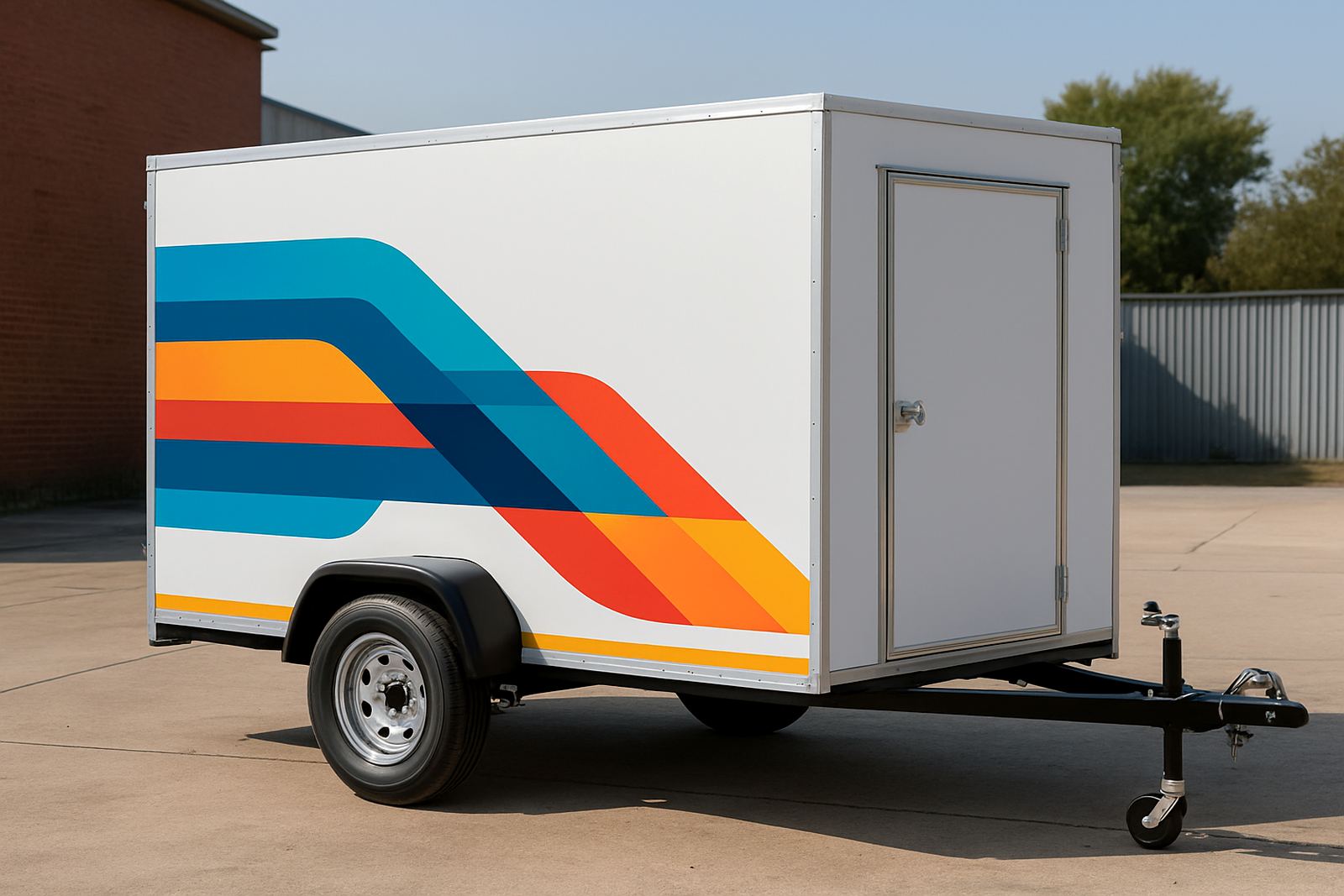
Trailer graphics are the printed or cut vinyl panels, lettering and markings fitted to the sides, rear and front of a trailer. They carry your logo, contact details, warning marks, fleet numbers or campaign artwork, so the trailer keeps promoting your business even when it is parked at a site or standing in a depot. For many companies in Boksburg, Benoni, Germiston and Kempton Park, a trailer is already on the road every week, so it makes sense to put that surface to work.
We supply trailer graphics for enclosed trailers, flatbeds, box trailers, plant tow units and small utility trailers used for deliveries or event work. Depending on the surface and the budget, the graphics can be full wrap panels, partial coverage, reflective striping, cut vinyl lettering or a mix of printed and cut elements. For short run promotion work we can also set up removable graphics that are easier to replace after a campaign. It is practical branding, not just decoration, and it needs to stand up to sun, dust and road grime.
Sizes, panel options and finish choices
Trailer bodies vary a lot, so we work from actual measurements rather than a standard size. Common side panel sizes range from small 600 mm high utility panels to full height panels on box trailers that can run 2.1 m high or more. Lengths often sit between 1.2 m and 4.5 m per side, with rear doors or drop-down tailgates needing separate treatment. We measure around hinges, lights, handles and rivets so the artwork lands where it should and does not get cut off by hardware.
Finish choice depends on the job. Matte film reduces glare for safety markings and works well on fleet units. Gloss finish gives stronger colour and is easier to wipe down after a wet week or a dusty haul through industrial areas. Reflective vinyl is useful for warning strips, rear chevrons and visibility on early morning or late afternoon runs. If the trailer surface is curved or ribbed, we may split the layout into sections so the vinyl settles properly. That approach saves trouble later, especially on trailers that spend time in the sun and get a lot of vibration on the road.
- Full side panel graphics for maximum branding area
- Rear door lettering for contact details and route safety markings
- Reflective corner tape and warning bands for visibility
- Removable campaign panels for short-term promotions
- Cut vinyl text for registration, fleet numbers and branding
Best uses for delivery, plant and promotion trailers
Trailer graphics suit any business that moves equipment or stock between sites. Delivery trailers benefit from clear contact details and service descriptions, so customers know who is arriving at the gate. Plant trailers often need numbering, mass warning notices and high visibility markings, especially where the unit is used on construction sites with traffic control. Promotion trailers can carry bold messages, event dates and brand colours for roadshows, sporting activations and municipal campaigns.
In Gauteng, trailers often travel between mixed conditions in one day: suburban roads, industrial yards, gravel access roads and busy municipal streets. The graphics must cope with dirt splash, heat, rain and frequent handling. We therefore plan the layout with your actual use in mind. If the trailer is parked outdoors near the coast, for example during a move through the southern parts of the province, we can specify materials and edge sealing that hold up better against humidity and general wear.
- Delivery fleets needing more brand exposure
- Plant and tool trailers used on building sites
- Event trailers used for promotions and roadshows
- Trade service trailers that park outside client premises
- Municipal and compliance trailers needing warning text
Installation, fitment and what the trailer needs
We handle fitment in our workshop or on site where practical, depending on trailer size and access. Before we install, the surface must be clean, dry and free from loose paint, grease and dust. On older trailers we may need vinyl removal, light surface cleaning or panel preparation first. If the trailer has corrugated sides, aluminium sheeting, painted steel or previously wrapped panels, we check the adhesion method before starting. That helps avoid lifting edges later.
Trailer graphics do not normally need power or gas. They are applied as a dry fitment or with controlled application tools, so there is no electrical supply requirement on the trailer itself. For workshops and maintenance areas, power is only needed for lighting or cleaning equipment, and we work around load-shedding schedules if site access is limited. If there are special reflective or illuminated add-ons, we will tell you exactly what is required before manufacture. We also confirm clearances so the graphics do not interfere with lights, latches, reflectors or load straps.
- Clean, dry panel surface before application
- Clear access around hinges, lights and handles
- Measurements checked on the actual trailer, not from memory
- No power or gas needed for standard vinyl graphics
- Optional on-site installation where access allows
Care, washing and when to book maintenance
Trailer graphics last longer when they are washed with mild soap and clean water rather than harsh chemicals or high-pressure spray held too close to the edges. Avoid dragging straps, ladders or loose cargo across the printed areas. If the trailer is used every day, check the corners, rear edges and around rivets once a month. Small lifts can be pressed back early if they are caught in time. If left too long, dust gets under the edge and the issue becomes bigger.
For fleets that move through construction sites, farms or dusty industrial areas, we can schedule maintenance visits and touch-up work. That may include re-sealing loose corners, replacing damaged panels, refreshing faded sections or removing old graphics before new branding goes on. Sun and road wear are the main causes of fading, especially on trailers parked outside all day. A quick check after heavy rain or a long haul can save a lot of rework later, and the trailer keeps looking presentable in front of clients. If you are updating a brand or changing a phone number, do the trailer at the same time as the rest of the fleet.
What to check before you order trailer graphics
Good trailer graphics start with good information. Send us the trailer type, approximate dimensions, clear photos of each side and any existing markings that must stay in place. If you need compliance text, warning panels or fleet numbers, tell us where they must appear. If the trailer is shared between different users, we can keep the layout simple and practical so it still works when the unit is hitched up in a hurry. A rushed brief can cost time later, so it helps to confirm the details before artwork starts.
It is also worth checking the condition of the paint and panels. If the trailer is rough, rusted or has old adhesive residue, say so upfront. That changes the prep work and the choice of materials. We will also ask how often the trailer is washed, where it is stored, and whether it spends time on site or on open roads. Those details matter. If you need one-off campaign graphics, permanent fleet marking or a mix of both, we can set up a layout that fits the actual use. The aim is a clean finish that lasts, without wasting material or covering features you still need to see.
- Trailer type and exact measurements
- Photos of all sides, plus close-ups of damage or old vinyl
- Logo files, wording and any compliance text
- Preferred finish such as gloss, matte or reflective
- Installation location and timing for the fitment
Key facts
| Material options | Printed vinyl, cut vinyl, reflective vinyl and removable campaign film |
|---|---|
| Common panel sizes | From small 600 mm high utility panels to full trailer sides above 2.1 m high |
| Surface types | Painted steel, aluminium sheet, flat panels, riveted panels and corrugated sides |
| Finish options | Gloss, matte and reflective |
| Installation method | Workshop fitment or on-site installation where access allows |
| Maintenance | Wash with mild soap, inspect edges monthly and book refurbishment when fading or lifting shows |