Signs That Work in a Rough Mining Support Yard
Mining support sites are busy places. You have bakkies, forklifts, tankers, deliveries, contractors and night-shift teams all moving through the same yard. Signs have to do more than look tidy, they must be easy to read in dust, low light and bad weather. That usually means larger lettering, strong contrast, fixed mounting and materials chosen for hard use rather than showroom use.
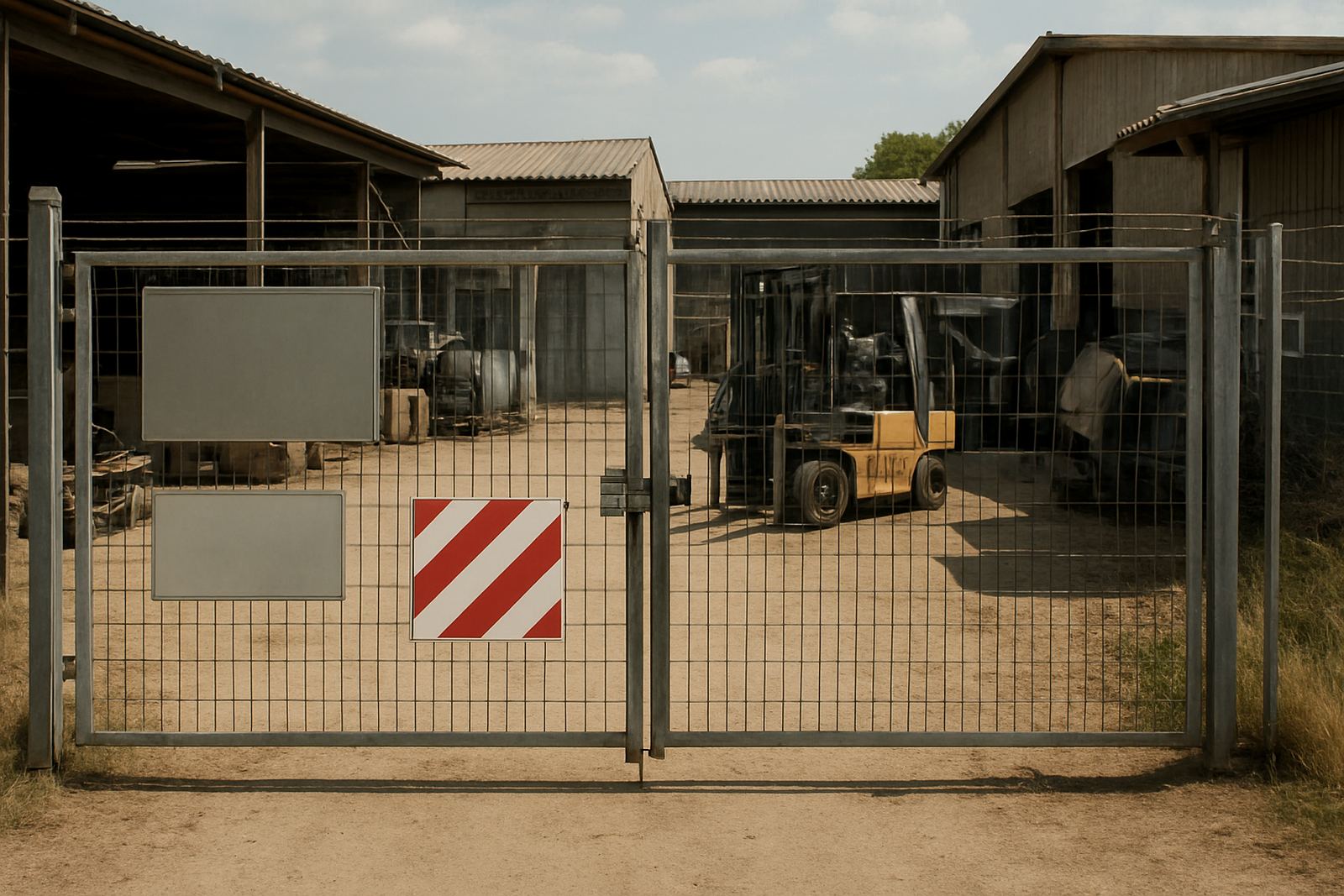
At Executive Screen Printers in Boksburg, we set out mining safety signs for access gates, loading bays, stores, maintenance sheds and walkways. We also make directional boards for entrance roads, visitor parking, weigh points and restricted areas. In many cases the first job is simply to reduce confusion, because one wrong turn can slow down a shift and put people at risk.
For support sites in places like Germiston, Benoni, Kempton Park and Springs, we often recommend signs that are visible from a moving vehicle at 10 to 30 metres. That changes the size, wording and placement quite a bit. A small sign near a pedestrian door is not enough where plant and trucks are moving. The setup needs planning from the gate to the back yard.
Typical Set of Mining Safety Signs
Every site differs, but most mining support operations need a mix of warning, mandatory, directional and identification signs. We can produce these as flat boards, wall signs, post-mounted boards or cut vinyl on smooth surfaces. If the surface is corrugated sheeting, painted steel or concrete, we advise on the fixing method before the work starts.
- PPE mandatory signs for hard hats, safety boots, gloves and eye protection
- Speed limit and vehicle movement signs at gates and internal roads
- Pedestrian route and no entry signs around workshop areas
- Fire equipment location signs and assembly point boards
- Hazard notices for slip risks, overhead work, chemicals and noisy zones
- Direction boards for receiving, dispatch, stores and visitor sign-in
- Equipment ID plates, room labels and asset tags for clear control
Where needed, we also supply reflective finishes for early morning starts and after-dark visibility. This helps on sites with load shedding, poor yard lighting or long internal roads. If your team works shifts, reflective signage is often worth the extra spend because it stays readable when the lights go off.
Planning the Layout Before You Print
Good signage starts with a proper site survey. We look at entrances, turning points, loading zones, pedestrian paths, blind corners and wall space. A sign can be perfectly made but still fail if it sits behind a parked truck or faces the wrong way. We also check the mounting height and whether there is enough clearance for doors, gates or forklifts.
For mining support yards, the layout usually works best when signs are grouped by purpose. Entry signs belong at the gate. Safety instructions belong where the action happens. Directional signs should be placed before the decision point, not after it. If a visitor has already overshot the turn, the sign has arrived too late.
We can help with artwork setup too, especially when there are exact wording rules, site codes or colour requirements. If your operation has a standard safety format, we can work from that. If not, we can help clean up the wording so it is brief, direct and easy to read. A sign that tries to say too much often becomes ignored.
Materials That Hold Up to Dust, Sun and Rain
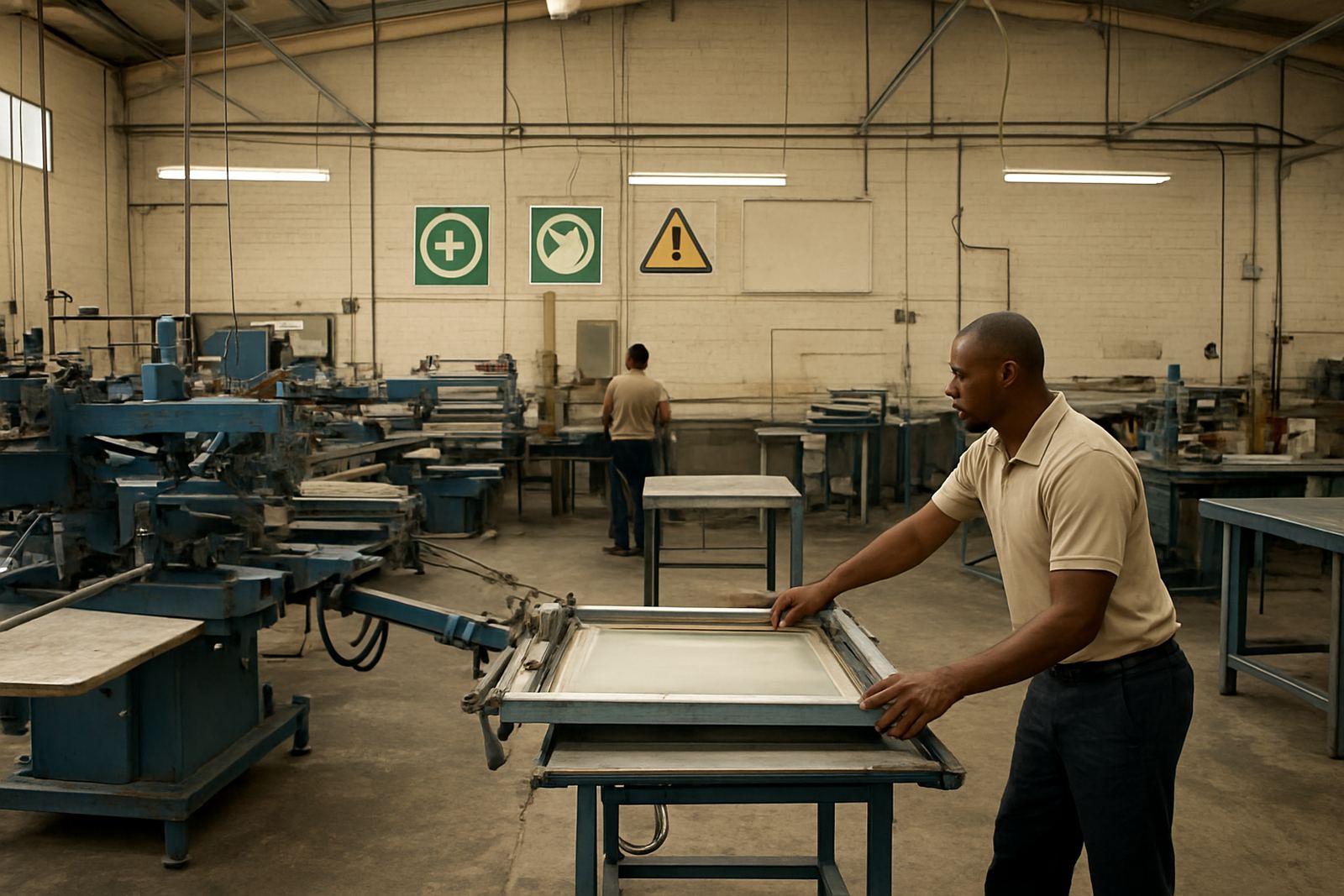
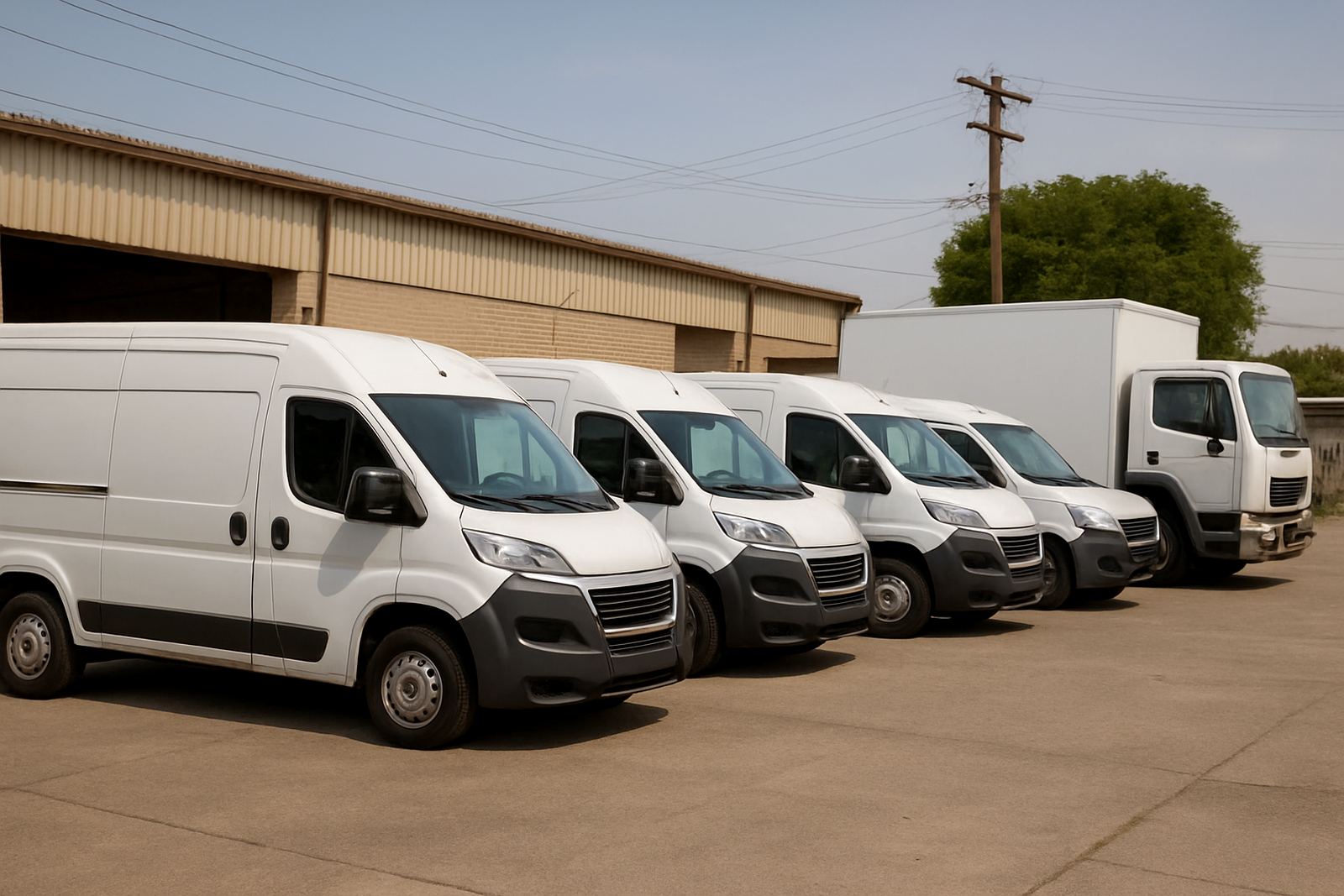
Mining support signs face dust, UV, wind and constant handling. For that reason, the material choice matters as much as the wording. In our workshop in Boksburg, we often use rigid board for general safety signs, cut vinyl for smooth doors and windows, and heavier panels where the sign needs to stay straight in the weather. For vehicle identification and fleet marking, we use fitted vinyl that follows the panel properly and stays readable.
Where the site is coastal or exposed to damp, we take extra care with fixings and edge sealing because moisture gets into the back of a sign faster than many people expect. In harsh inland conditions, sun and dust are the bigger issue, so colour choice and finish matter. White on dark, yellow on black, or red on white are common because they stay clear from a distance.
We also make name plates, workshop labels and numbered signs for stores and offices. These small items save time when teams are moving between buildings and need to find the right bay fast. It sounds simple but it cuts down on interruptions. A lot of sites dont realise how much time is lost in one week just from poor direction.
Common Mistakes We See on Site
The most common mistake is using signs that are too small. The second is placing them where they cannot be seen from the normal line of travel. On a mining support site, a sign has to work for a driver who is turning, a visitor who is nervous and a shift worker who may be reading it in poor light. If any of those people miss the message, the sign has failed.
- Using too many words and too little contrast
- Mounting signs too low behind vehicles or pallets
- Mixing too many colours so the message gets lost
- Putting warning signs after the hazard instead of before it
- Using indoor materials outside, where they fade or warp quickly
- Skipping maintenance after cleaning, repainting or yard changes
Another mistake is forgetting to update old boards when a route changes. A sign that points to a closed gate can cause confusion for months if nobody checks it. We can handle vinyl removal and refurbishment when your layout changes, so you do not end up with conflicting instructions on the same site.
Budget Ranges for Mining Safety Signage
Budget depends on size, quantity, mounting method and whether we are supplying installation. A single small safety board may only need a modest spend, while a full yard package with gates, buildings, directional boards and vehicle marking will be a larger project. As a guide, simple cut vinyl labels or small name plates can start in the low hundreds of Rand each. Larger rigid safety boards often sit in the mid-hundreds to low thousands, depending on size and finish.
For a basic support site package, many clients budget from about R3 500 to R12 000 for a focused set of essential signs. A fuller layout for a busy yard can run from about R15 000 to R45 000 or more, especially if there are several entrance points, reflective boards, vehicle fitment and site installation included. The best way to control cost is to group the work properly, rather than ordering signs one by one as problems come up.
We work across Boksburg, Alberton, Edenvale, Midrand and the wider Gauteng area, and we can arrange delivery or fitment depending on the site. If the yard needs a phased rollout, we can stage the work so the highest-risk areas are dealt with first. That keeps the budget under control and gets the critical signs in place sooner.
How to Start a Mining Site Sign Order
If you are setting up a new support site or fixing an older one, start with a list of the main risks and the main movement routes. Then count the gates, buildings, bays and vehicle points that need signs. From there we can advise on sizes, wording and mounting. When needed, our team can do a site survey, confirm the best locations and handle the installation as well.
Our Boksburg team includes Lerato Mokoena in Sales, Johan Pretorius in Production, Nokuthula Dlamini in Client Care, Sibusiso Khumalo on installation, Ayesha Patel on design and Pieter Erasmus in the workshop. Michael Johannes van der Merwe oversees the business and keeps the work practical. If you need a sign package for a mining support yard, send the details through the enquiry form on our contact page and we will take it from there.