Reception Signs That Set the Tone
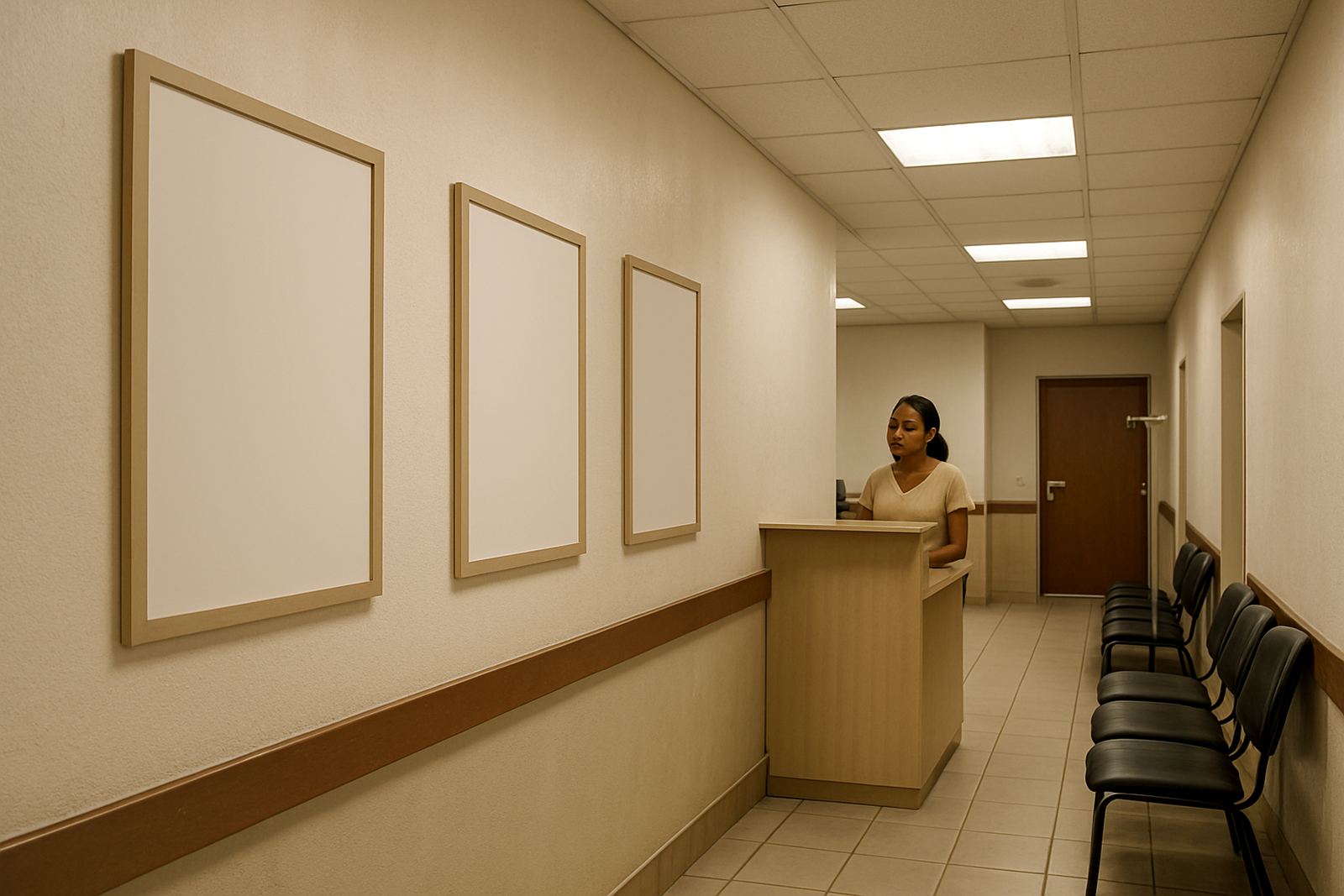
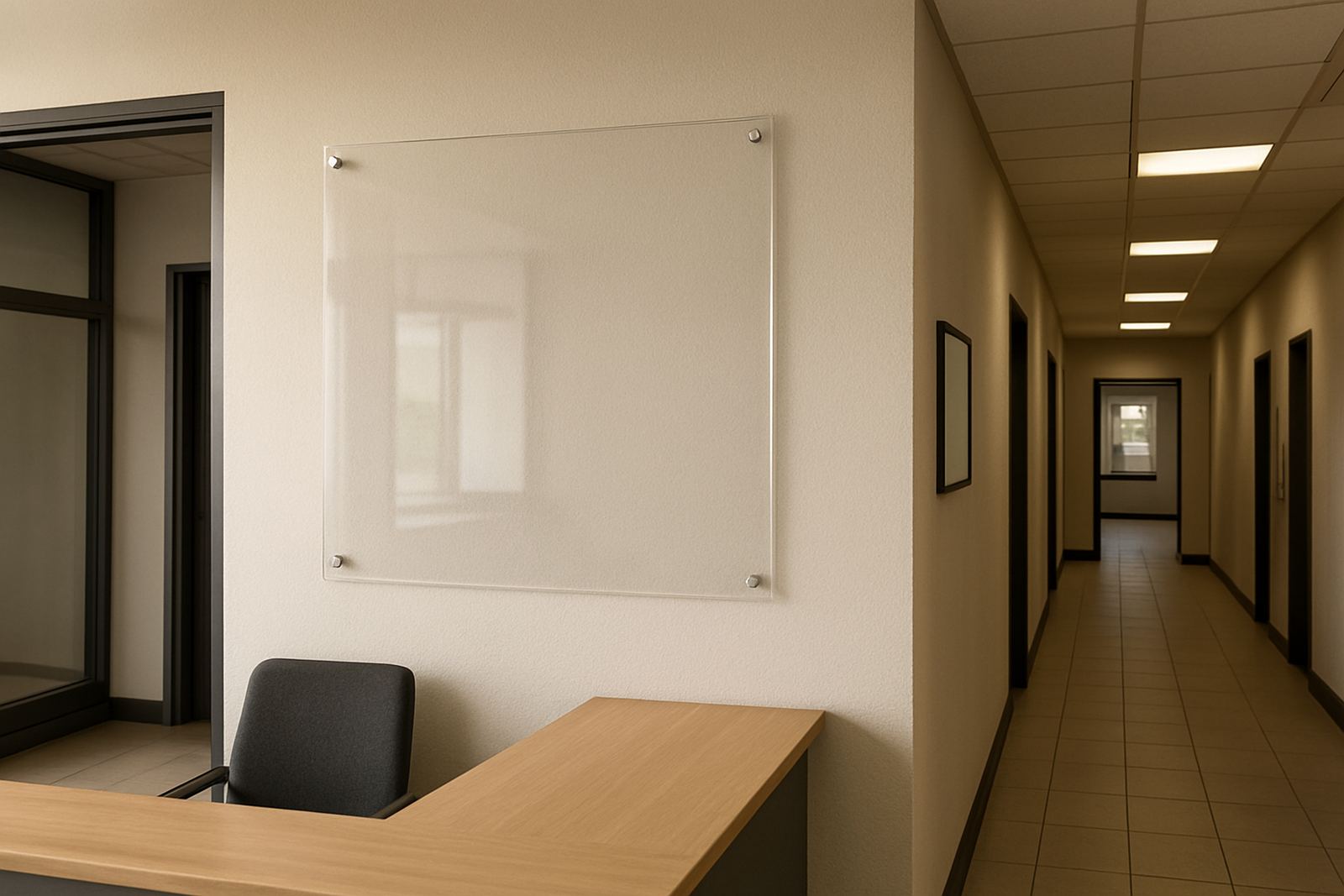
A reception sign is usually the first item a visitor sees, so it has to do two jobs well: show the company name clearly and fit the space without clutter. In offices around Boksburg, Germiston and Midrand we often make raised lettering, flat cut vinyl, brushed-look panels, and printed acrylic faces for reception walls, counters and security entrances. The right choice depends on wall finish, lighting and how much traffic the reception area gets.
For a small practice or admin office, a simple panel with clean lettering can be enough. Larger corporates often ask for layered signs with logos, department names and a visitor welcome panel. If the office has glass partitions, frosted vinyl and wayfinding text can be used instead of heavy boards, which keeps the space open while still giving clear direction.
- Common materials: acrylic, aluminium composite board, foam PVC and vinyl on glass
- Typical sizes: from 600 x 400 mm to full wall branding
- Best for: reception walls, foyers, security points and lobby branding
Door Signs, Room Names and Department Labels
Door signs are easy to overlook until staff and visitors start getting lost. A good office layout needs clear labels for boardrooms, toilets, storage rooms, server rooms, managers offices and shared spaces. We supply simple engraved or printed signs, magnetic labels for changing room names, and replaceable inserts for growing teams. In busy buildings and municipal offices, this saves a lot of time and stops people knocking on the wrong door.
For glass doors, smaller vinyl text works well and keeps the area neat. For painted doors or timber finishes, a slim panel mounted above handle height is often better because it stays visible when the door is open. We also plan for accessibility where needed, with clear lettering and sensible positioning at eye level. If a business has many visitors, we usually recommend using the same font family and size system throughout the building so the signage feels consistent.
- Useful for: rooms, toilets, archives, boardrooms and private offices
- Options: fixed panels, interchangeable inserts, frosted vinyl, engraved plates
- Planning tip: keep all door labels at the same height for a tidy look
Wayfinding That Helps People Move Without Asking Twice
Internal wayfinding is the part of office signage that saves time every single day. It includes arrows, floor directories, corridor signs, lift notices and small markers that tell people where to turn next. In larger offices, especially where several tenants share a building, this signage reduces confusion at reception and in passages. It also helps after hours when the security team has fewer people on site.
We normally plan the route from the entrance to the final destination before anything is made. That means checking where people naturally walk, where sight lines break, and whether a sign needs to be read quickly from 2 metres or 10 metres away. In bright office parks or spaces with heavy daylight, contrast matters more than fancy finishes. Dark text on a light background is often the safest choice, especially for visitors who are in a hurry.
- Include directions for lifts, stairwells, toilets and fire exits
- Use arrows and room numbers sparingly so the message stays clear
- For multi-storey offices, floor directories are worth the spend
Planning the Layout Before Anything Goes to Production
The best office signage jobs are planned around the building, not around the artwork file. We look at wall surfaces, glass thickness, available fixing points and whether the office is in a high-traffic business park or a municipal building with stricter fitting rules. If the office gets load-shedding often, any illuminated sign or light box must be checked for backup power and safe cable routing. Coastal humidity in some Gauteng-based clients with satellite offices can also affect adhesive life and metal finishes, so it is worth choosing materials carefully.
Artwork should be set up with the final sizes and exact wording from the start. A common mistake is approving a logo on screen and only later realising the hallway board is too small or the contrast is poor against the wall colour. Another issue is trying to fit too many messages on one panel. Keep reception branding separate from wayfinding. That way the office looks calmer and visitors read each sign faster. If the building is leased, get permission before drilling into walls or sticking vinyl on glass in shared areas.
When we do site surveys in Boksburg, Benoni or Kempton Park, we also check access for installers, parking for the crew and whether the work needs to be done after hours to avoid disruption.
Typical Office Signage Set for a Growing Business
Most office projects start with a practical set rather than one big statement piece. A growing company usually needs the basics first, then adds internal signs once staff move in and the layout settles down. For a professional office in Ekurhuleni, a sensible package may include a reception logo, door labels, one or two directories and a set of directional arrows through the corridor.
Typical office signage set:
- Reception wall sign with logo and company name
- Door plaques for meeting rooms, offices and service rooms
- Directional signs for passages, lifts and stairs
- Floor or wall directory for multiple tenants
- Safety and compliance signs where required
- Vinyl graphics on glass partitions for privacy or branding
Some offices also add staff notice panels, quote boards, visitor instructions and printed name plates. If your office handles public traffic, it is useful to include basic compliance signs and fire route notices at the same time so the whole environment is covered in one visit.
Budget Ranges and What Affects the Price
Office signage budgets vary a lot because a small law office in Boksburg needs something very different from a four floor corporate space in Sandton or Midrand. As a rough guide, simple door signs can start from about R150 to R450 each, depending on material and size. Reception signs often range from about R1,500 to R8,000 for standard indoor work, while more detailed layered or large format pieces can move higher. Directory boards and full wayfinding packages are usually quoted as a set because layout and fixing time matter as much as the material.
Price is influenced by the type of surface, number of signs, height of installation, whether old signage must be removed, and if the job needs after-hours work. If the office is in an operational building with security controls or weekend access only, labour can rise slightly. Delivery and installation across Ekurhuleni and greater Gauteng are normally handled as part of the project plan, so the final figure is clear before work starts.
If you want to keep costs manageable, start with the signs people use every day, then add secondary items later. That approach works well for expanding offices and does not force you to replace everything at once.