Start with the purpose of the board
Before you choose a site board, work out what the board must do on site. Is it there to advertise a new development, direct traffic, show contractor details, or meet a municipal notice requirement? The answer changes the size, wording, height and fixing method. A board for a busy road in Boksburg will need stronger contrast and bigger lettering than a notice placed inside a controlled access area.
Site boards are commonly used for building projects, estate launches, contractor identification, warehouse entrances and temporary wayfinding. For sites across Ekurhuleni, the board must often cope with dust, wind, rain and long hours of direct sun. On the East Rand, a board that looks fine in the workshop can become hard to read if the type is too small or the colours blend into the background.
- Decide if the board must inform, advertise or comply with a notice rule
- Confirm who will read it first: pedestrians, drivers, security or inspectors
- Choose the viewing distance before you finalise the artwork
Measure the viewing distance before choosing the size
The best site board size is based on how far away people will see it from. If motorists are passing at speed, your message must be short and the lettering large. If people are standing near the entrance, you can include more detail. A common mistake is trying to fit too much onto one panel which makes the board busy and hard to read.
As a rule, keep the main message simple. A site board should usually show the project name, key contact details if required, and one clear line of direction or warning. More text often means less impact. If your site is on a narrow street in Germiston or near a busy intersection in Kempton Park, a clean layout will be read faster and with less confusion.
- Use larger lettering for roads with moving traffic
- Keep logos and secondary text smaller than the main heading
- Leave enough white space so the board does not feel cramped
Choose materials that can handle South African conditions
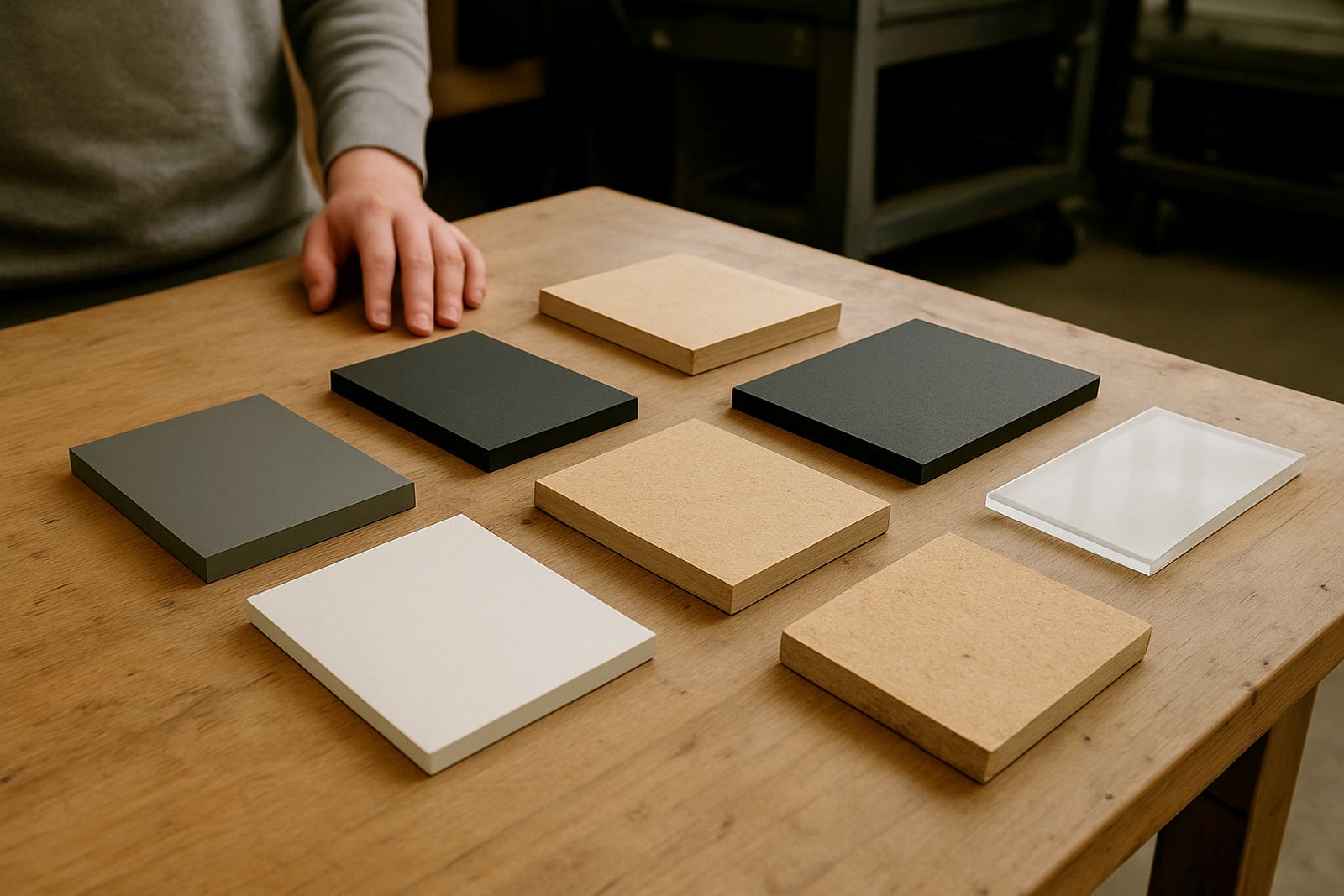
Site boards take a beating from weather, handling and transport. In Gauteng, strong sun can fade poor quality print while summer storms put pressure on fixings. Near industrial areas and coastal freight routes, dust and humidity can also affect finishes over time. The right material will depend on how long the board needs to last and whether it is temporary or semi permanent.
For short term use, lighter board material can be practical and cost effective. For longer installations, a stronger substrate and weather resistant print finish are better. If the board must stay up for months, ask about edge sealing, mounting holes and wind loading. That matters especially on open stands and roadside plots around Boksburg, Benoni and Springs where the board can catch the wind.
- Temporary boards are often lighter and easier to move
- Long term boards need better weather resistance and mounting support
- Ask for drilled fixing points and sealed edges where needed
Make the support structure part of the plan
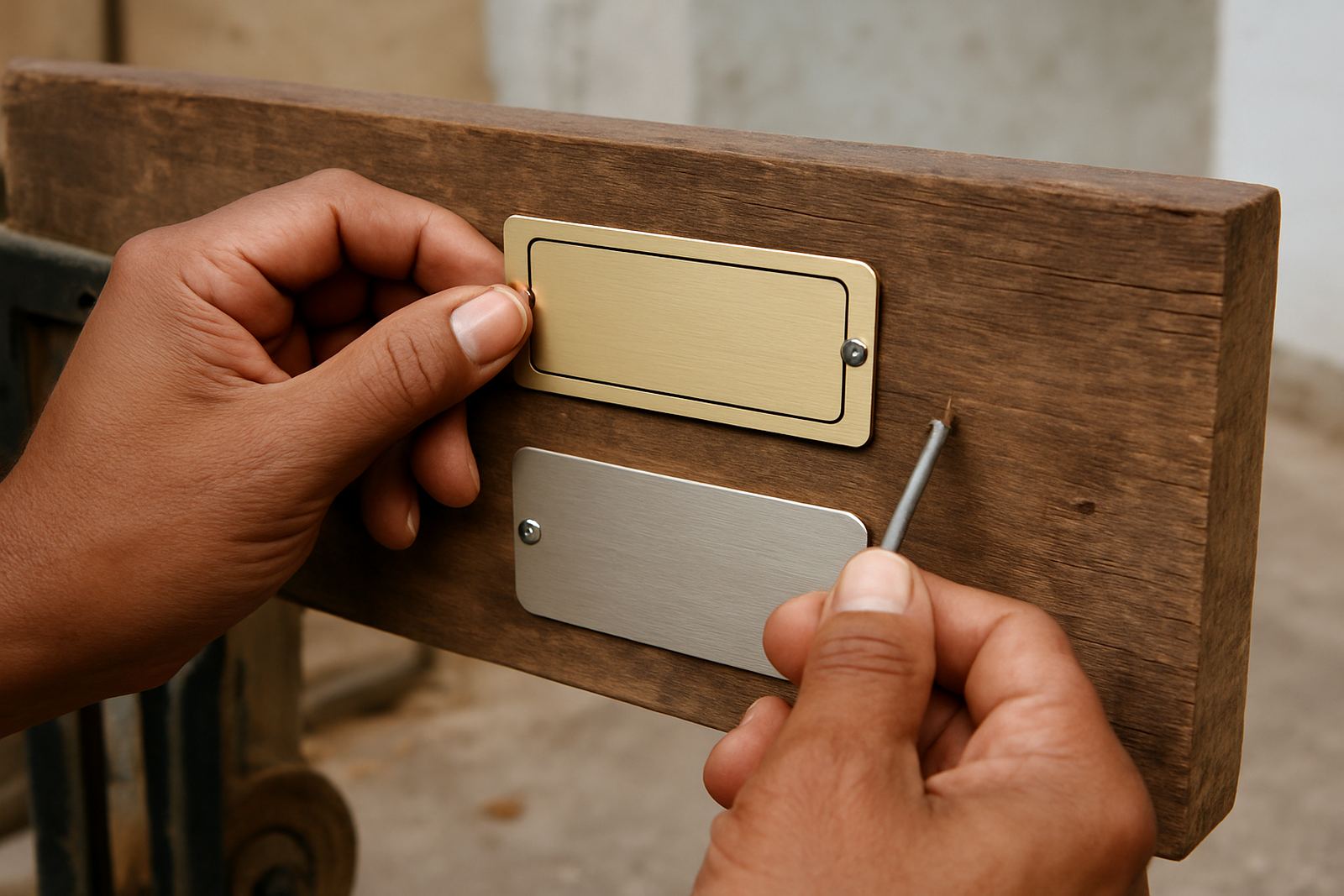
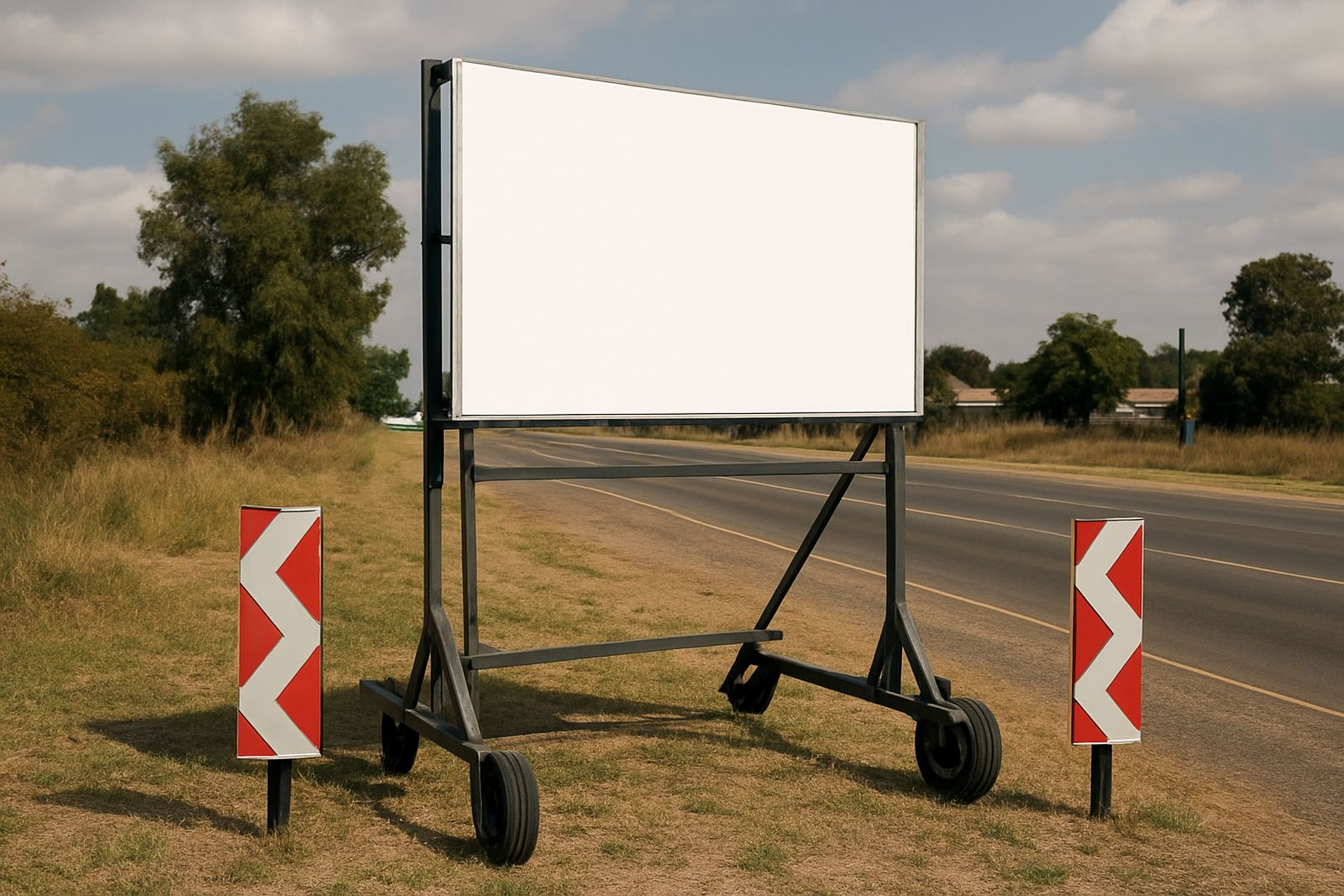
A site board is only as good as the structure holding it. A panel mounted on the wrong frame can rattle, bend or fail in bad weather. The support structure should match the board size, ground conditions and installation height. For larger boards, especially along main roads or on open sites, the frame needs proper footing and secure fixings.
Our team checks ground conditions, access and the final position before installation. That helps avoid problems like boards placed too low, blocked by planting or hidden behind vehicles, piles of sand or fencing. In some areas, municipal rules and property owner requirements will also affect where a board can be fixed and how far it may project from the boundary.
- Confirm ground condition before choosing posts, frame or wall fixings
- Allow for wind load on large exposed boards
- Check that the board will not be blocked once vehicles or materials arrive
Use wording that people can read in one glance
The wording on a site board should be direct and useful. The main line must be visible at a glance from the road or entrance point. If a board is meant to attract enquiries, the most important details are the project name, what is being built or sold, and how people should respond. If it is a safety or compliance board, clarity matters even more than appearance.
Keep the text to the point and avoid long sentences. Use strong contrast between text and background so the message stands out in bright daylight or under artificial site lighting. Good artwork setup makes a big difference here because even a well printed board can fail if the spacing and hierarchy are wrong. We see this often on sites where the board must work at dawn, late afternoon and during load-shedding driven lighting changes.
- Lead with the most important information first
- Use high contrast colours for better legibility
- Check spelling, phone numbers and trading names before manufacture
Plan for fitting, maintenance and future changes
A site board should be easy to install and simple to maintain. If the project is temporary, the board may need to come down and move to a new site later. If the board is longer term, it should allow for cleaning and periodic checks. Road dust, rain marks and faded vinyl can all make a board look neglected long before the project is finished.
We often recommend a maintenance plan for boards that will stay up for several months. That can include tightening fixings, checking posts after heavy wind, replacing damaged vinyl and doing vinyl removal or refurbishment when details change. For clients across Ekurhuleni and greater Gauteng, this keeps the site looking cared for and easier to find.
- Ask how the board will be removed or reused when the project ends
- Plan for maintenance visits if the site stays active for months
- Keep a record of artwork details for later updates
A practical site board checklist before you place the order
Before you go ahead, confirm the basics in writing. This avoids delays, rework and extra cost once the board is in production. A proper check at the start saves time on site and helps the finished board do its job properly.
Our Boksburg team handles site surveys, artwork setup, sign manufacture and installation across Boksburg, Benoni, Germiston, Kempton Park, Alberton, Springs, Edenvale and Midrand. If your board also needs vehicle fitment, vinyl cutting or a matching printed item for the project office, it helps to keep everything under one supplier. That way the look stays consistent and the handover is simpler.
- Board purpose confirmed
- Viewing distance measured
- Artwork approved
- Material and size selected
- Fixing method and support structure confirmed
- Site access checked
- Installation date booked
If you want help choosing the right site board for your project, send an enquiry through our contact page and we will take it from there.