A roadside board for a busy Springs development site
The client was a property development team working on a new build site in Springs, with traffic passing the entrance throughout the day. Their main need was simple enough: a board that could be seen from the road, give the public the right contact details, and present the project in a professional way while work on site was still underway.
We were asked to keep the layout clean and easy to read from a moving vehicle. That meant bold lettering, strong contrast and a board size that would not get lost against fencing, earthworks and temporary site activity. The location sat close to the road edge, so the board also needed to handle dust, rain and the usual knocks that come with active construction sites.
- Client type: development site contractor
- Area: Springs, East Rand
- Use: roadside identification and contact board
- Viewing distance: short to medium range from passing traffic
The brief, and the site constraints we had to work around
The brief came with a few practical limits. The site access point was narrow, which meant installation had to be done without holding up vehicles or delivery trucks. The board also needed to be fixed high enough to stay clear of mud splash and site material, but low enough to remain readable from the road. In Springs, weather can turn quickly and the sun is hard on printed surfaces, so we planned the job around materials that would stay firm and legible rather than buckle or fade too soon.
We also had to account for the fact that construction sites often change fast. Temporary fencing moves, earth gets shifted and access points can be altered with little notice. Because of that, we kept the board layout adaptable, with the main details set in a way that could be updated later if needed. That saved the client from redoing the whole sign if a contact number or project line changed.
- Limited access at the entrance
- Exposure to dust, rain and direct sun
- Need for quick, safe installation
- Future update flexibility built into the layout
What we supplied and how the board was made
We supplied a single large-format site board using a rigid outdoor panel suited to roadside use. The face was printed with high-contrast graphics and then finished for outdoor durability. The contractor name, project wording and contact details were set out in a clear hierarchy so the most important information would be read first. We kept the branding restrained and practical, with no clutter that might distract from the message.
The board was manufactured in our Boksburg workshop, where we prepared the print, trimmed the panel and checked the layout against the final installation point. We also made sure the lettering stayed sharp at distance, because site boards fail most often when the text is too small or too busy. For this job, we used weather-resistant print work and fixed the board with proper support points so it would not rattle loose in wind.
- Rigid outdoor board panel
- High-contrast printed face
- Large, legible contact details
- Support fixing for roadside wind conditions
Installation day in Springs and the finish on site
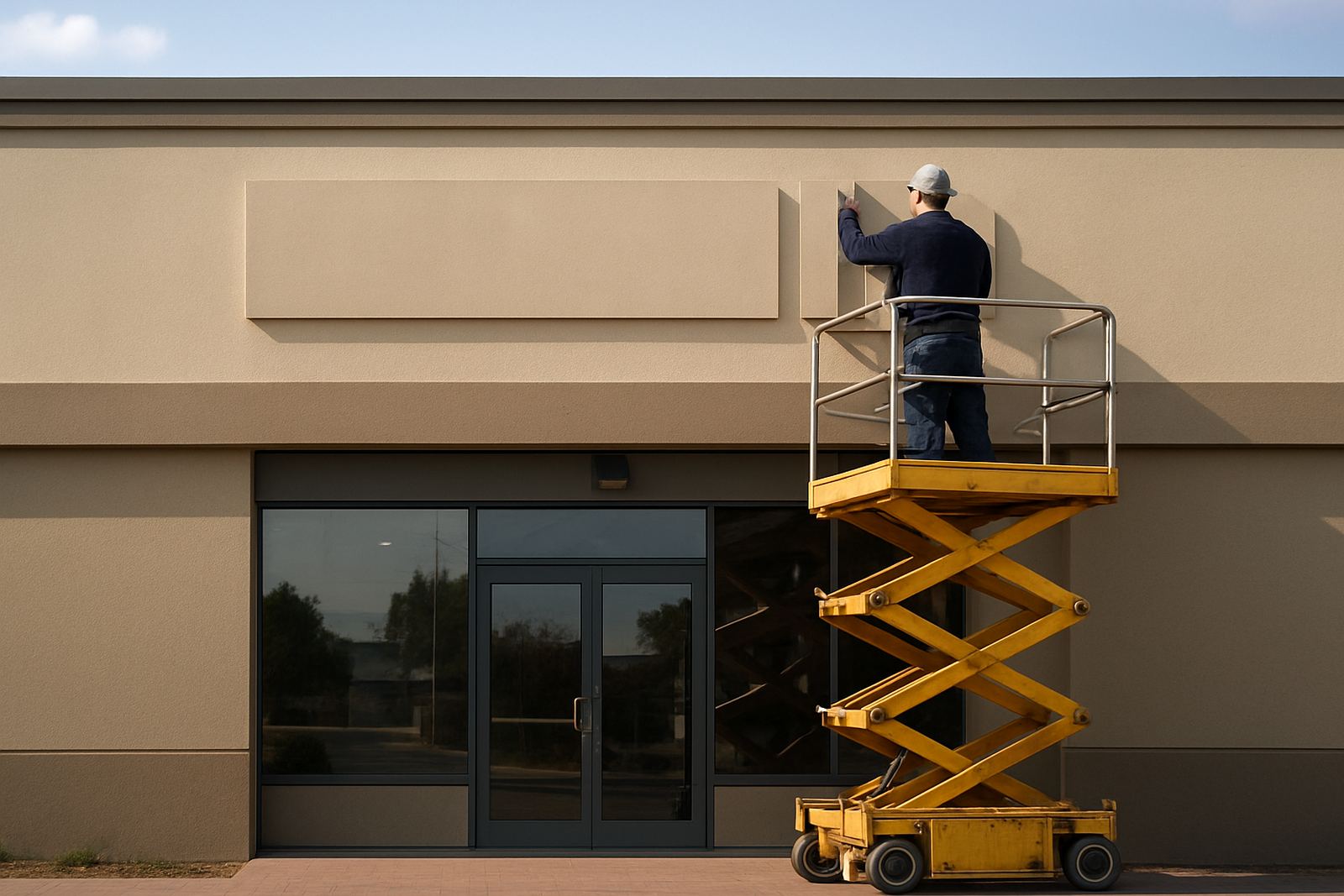
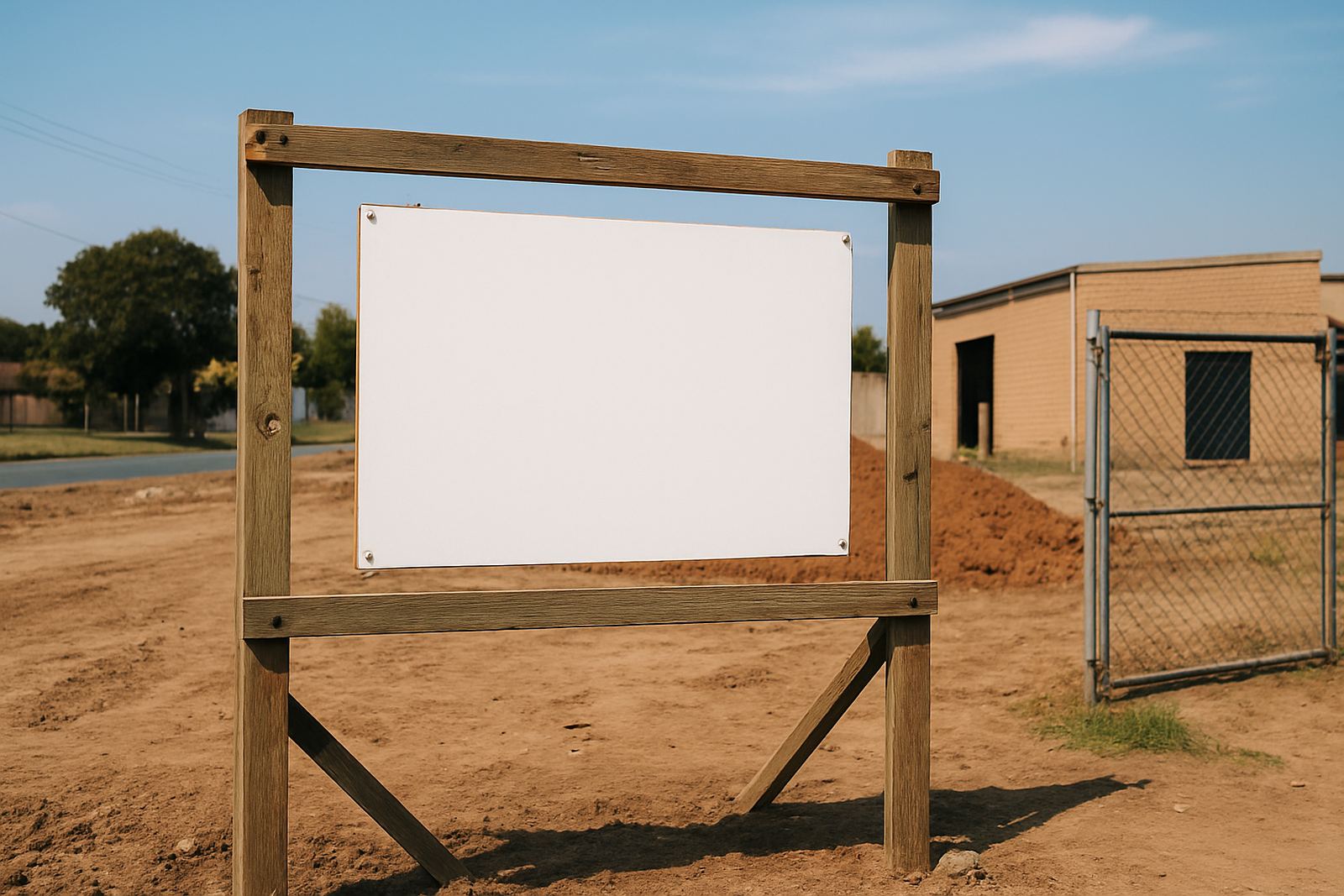
Our installation team completed the fitting on site after the board had been checked and prepared at workshop level. The mounting was done neatly, with the board set straight and secured to suit the fence line and roadside angle. We paid attention to the viewing direction, because a board can look fine up close but lose impact if it is turned the wrong way for passing traffic.
The finished result was a clean roadside marker that gave the site a proper presence. It helped visitors and delivery drivers identify the development quickly, while also giving the project a more orderly public face. On a busy Springs route, that matters. A site with clear signage is easier to find, easier to manage and less likely to cause confusion for people trying to get in or call the right contact person.
We completed the job over 1 to 2 weeks from brief through to installation, allowing time for layout approval, production and site fitting. That turnaround suited the pace of the development and kept the sign ready before the site traffic increased further. The board has been positioned to remain visible through daily movement on site, and it sits well against the entrance without crowding the access area.
Why this type of sign works well for Springs developments
Springs has its share of open ground, active build sites and road-facing developments, so a proper site board does more than carry a name. It gives directions, confirms who is responsible on site and presents the project in a way that looks intentional rather than temporary. For developments along busy roads, that clarity is worth having from day one.
We would approach a similar job the same way again: confirm the viewing distance, keep the wording short, use strong contrast and install the board on a fixed line that does not get in the way of access. Where needed, we can also produce matching boards for multiple entrances or add smaller directional signs inside the site. That helps keep contractors, visitors and suppliers moving in the right direction without confusion.
- Clear public identification for an active site
- Better visibility for visitors and suppliers
- Cleaner professional presentation from the roadside
- Easy to update if project details change later
What we would repeat on the next site board job
If we were asked to do this same type of project again, we would keep the same practical steps: a site survey, a simple and bold layout, production in the workshop and secure fitting on site. That sequence works because it reduces errors and gives the client a board that is ready for real world use, not just for a photograph. It is especially useful in Gauteng, where conditions can shift fast and a sign needs to stay readable through heat, wind and general site wear.
For clients in Springs, Benoni, Boksburg, Germiston, Kempton Park and the surrounding areas, this is the kind of board we know well. Whether it is a new development, a contractor notice, or a temporary roadside identifier, the aim is always the same: make it readable, keep it neat and make sure it lasts long enough to justify the spend. That is the sort of work our team handles every week, from planning through to fitting and aftercare.