What Makes a Board Last Outdoors
A short-term board can get away with light material and simple fixing. A long-term board cannot. Once a board is meant to stay up for months or years, the structure behind the print becomes just as important as the message on the face.
In practical terms, the board needs to stay flat, hold colour, resist moisture and keep its fixings tight. That sounds basic, but it is where many outdoor signs fail first. Warping starts at the edges, coatings peel near drilled holes, and the sign begins to look tired long before the message itself is outdated.
For businesses around Boksburg, Benoni and Germiston, that means choosing a board that suits the site. A sheltered wall near a shopfront is one thing. A freestanding board on a windy corner near a main road is another. The fixing method, board thickness and edge protection all need to match the location.
Board Thickness and Rigidity Matter More Than Most People Think
The bigger the board, the more important rigidity becomes. A thin sheet can be fine for a small indoor notice, but outdoors it will start to move with heat, wind and moisture. Once the board flexes, the print and fixing points take strain too.
For long-term use, we usually look at the size of the board, where it will be mounted and how often it will be exposed to direct sun or rain. A narrow name panel on a wall needs different support from a large estate agent board on poles at a vacant stand. The same applies to corporate directional boards in parking areas, where vehicle wash splash and dust can wear on the lower edge.
- Small wall signs can often use lighter boards if the surface is flat and well supported.
- Larger boards need extra rigidity, especially where wind can catch the face.
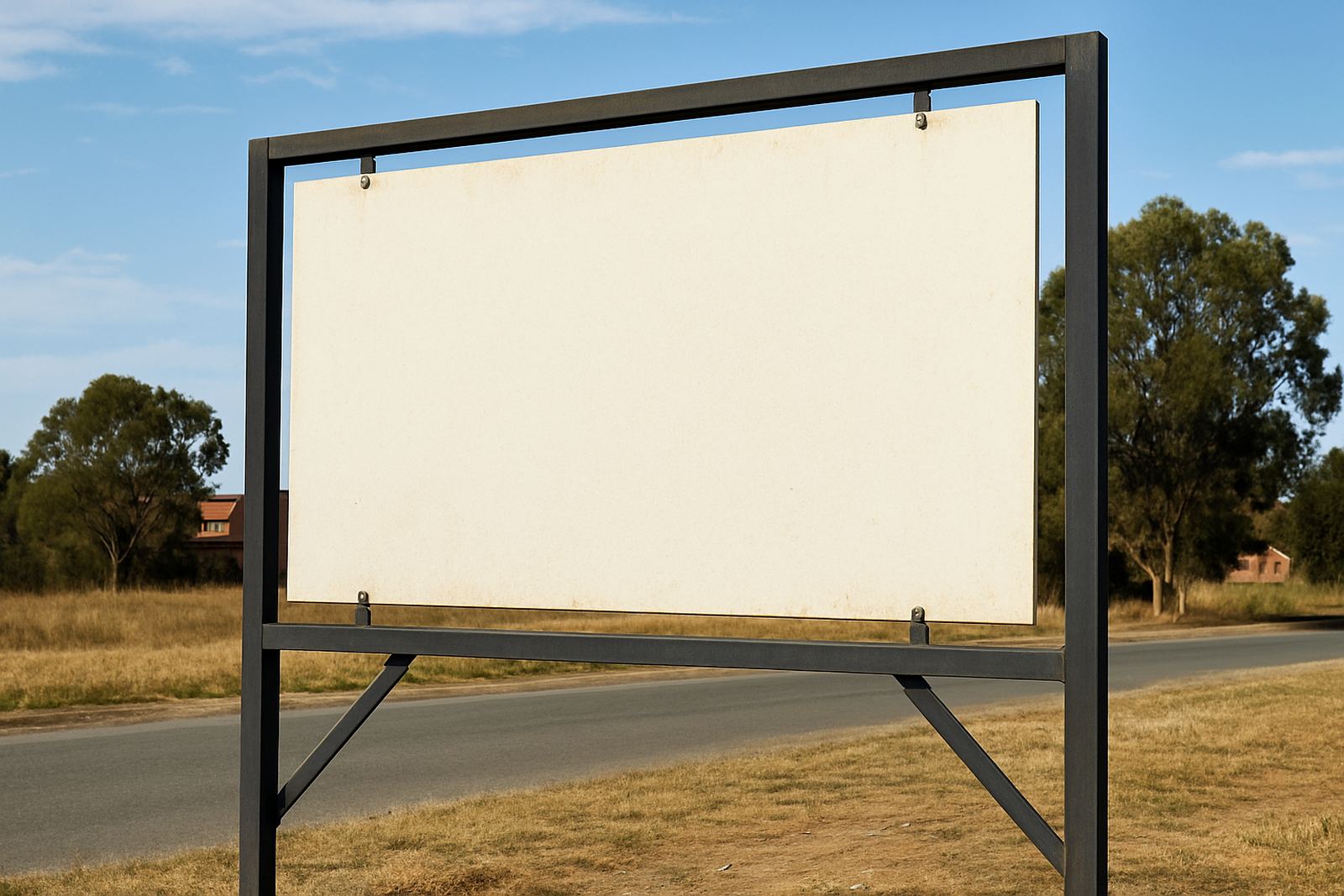
- Freestanding boards benefit from stronger framing and careful fixing spacing.
- Any board with drilled holes should be sealed properly to reduce water entry.
It is not only about thickness, either. A well-supported board can last far longer than a heavy one that was mounted badly. One loose corner can start a ripple effect that shows up in the finish and the lifespan.
Coatings and Print Finishes for Sun, Rain and Dust
Gauteng sunlight is hard on outdoor graphics. Coastal humidity is not the issue here, but heat, UV and dust are. Over time, unprotected print can fade, chalk or crack. The board face and the print finish should work together to slow that down.
For longer use, a coated surface is usually worth the extra cost. It gives the print a better base and helps the board clean more easily. On site boards and fleet-related signage, a finish that wipes down well makes a real difference because dirt builds up quickly near roads and building sites.
We also look at how the artwork will be handled. Fine detail, bold lettering and solid colour blocks all wear differently in the sun. If the message needs to stay readable from a distance, the contrast must still hold up after a few seasons outdoors. Light colours can show grime sooner than darker ones, while some bright inks fade faster if they are left in full sun all day.
- Choose a surface that accepts printing cleanly and stays flat.
- Use coatings that reduce water ingress and edge damage.
- Keep critical text large enough to remain readable as the sign ages.
- Plan for cleaning and maintenance, especially on roadside boards.
Fixing Detail Is Where Many Long-Term Boards Fail
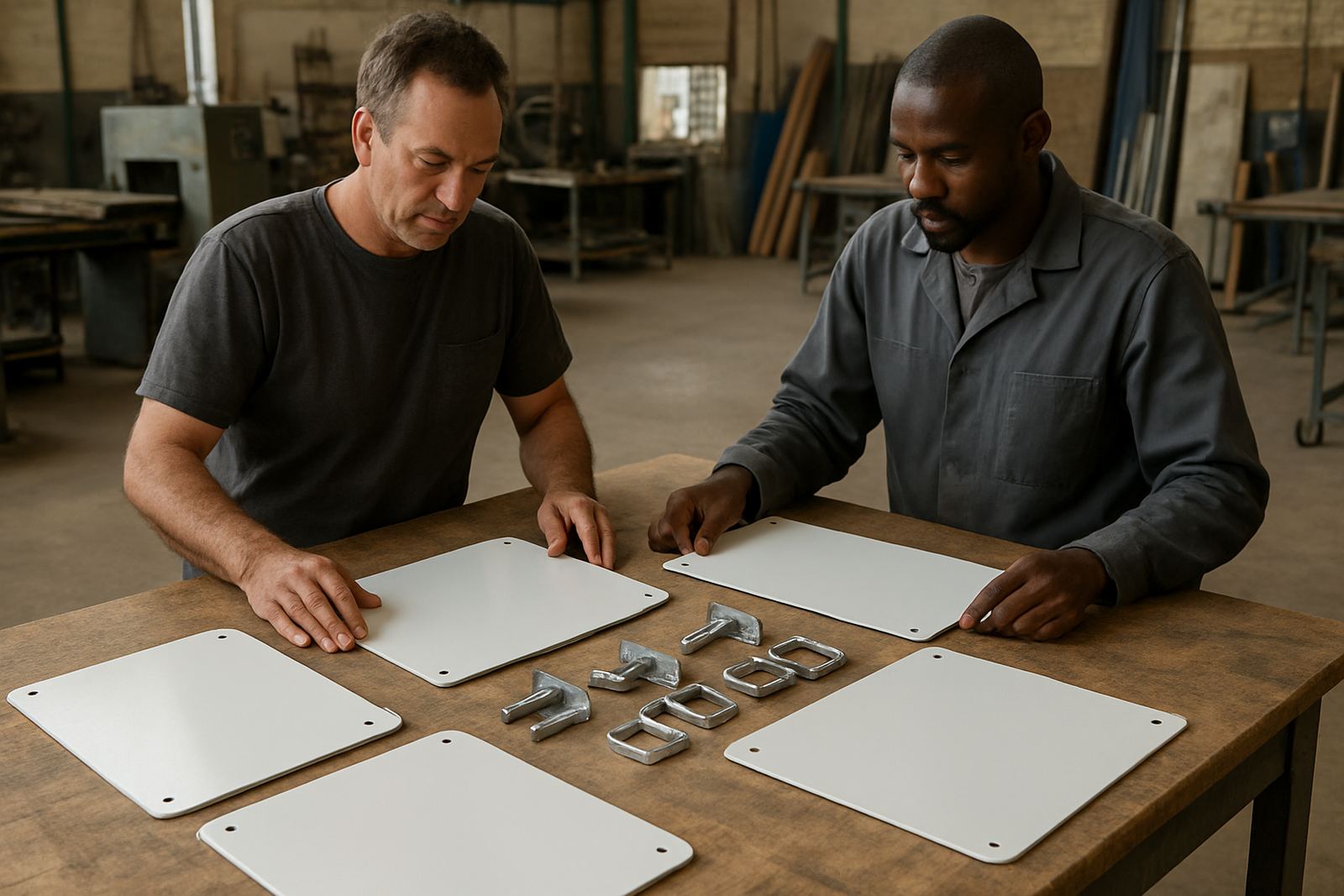
The board itself may be right, but the fixing can still let it down. Screws, bolts, brackets and wall plugs all need to suit the surface and the load. If the board is too close to the wall, moisture can get trapped behind it. If the fixings are too far apart, the middle can bow. If the fixing points are weak, the sign can rattle loose in wind.
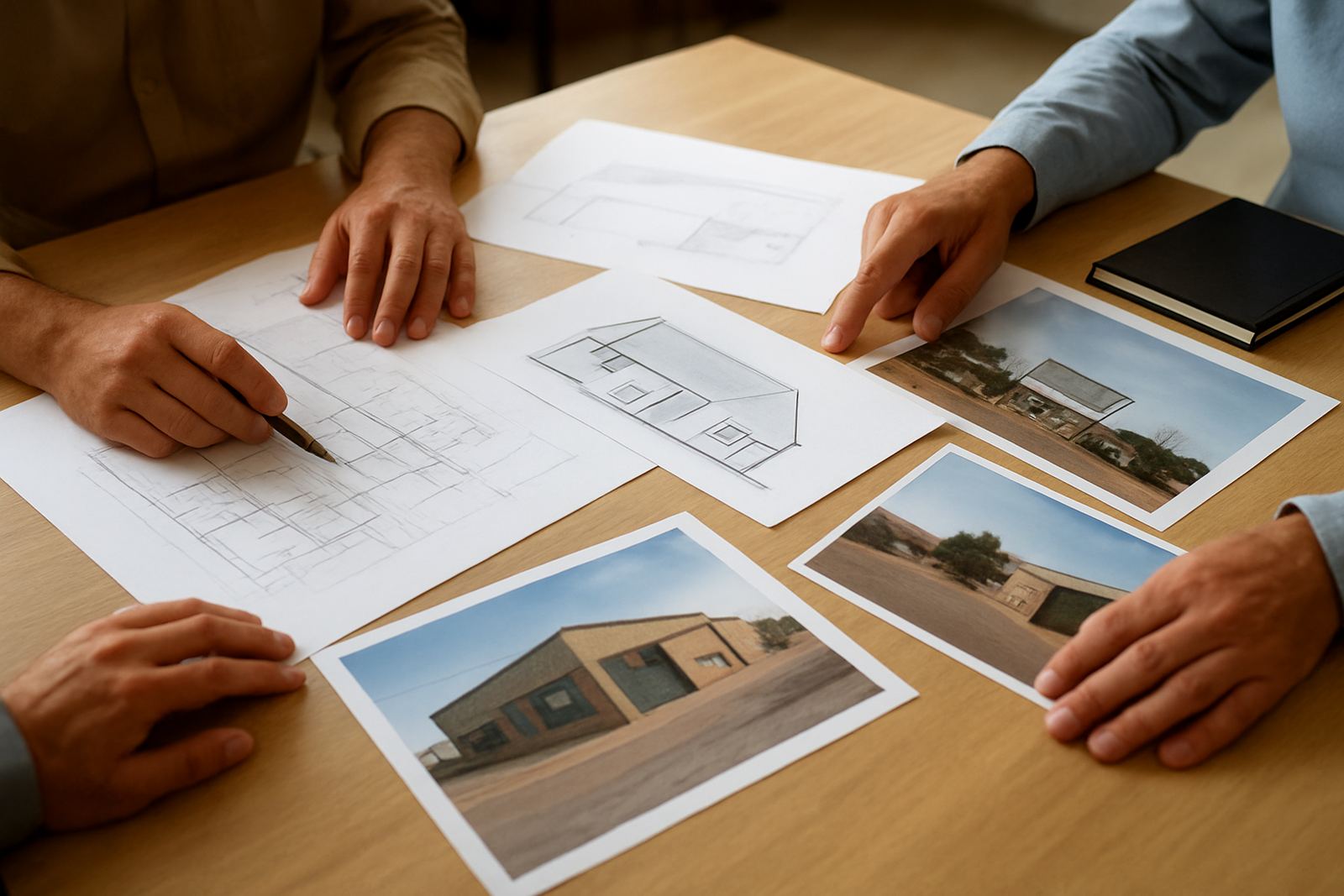
For brick walls, steel frames and posts each need a slightly different approach. In industrial areas around Boksburg and Germiston, we often see boards mounted on uneven walls or steelwork that has seen a few repairs over the years. That means measuring properly before manufacture, not after the board arrives on site.
Good fixing detail also helps with maintenance. A sign that can be removed and refitted without damage is easier to keep in service. If a board needs a vinyl refresh or a change of trading hours, the mounting should allow for that without cracking the face or chewing up the board edges.
Local Conditions Around Boksburg Change the Spec
Boards in Ekurhuleni deal with real local conditions, not ideal ones. Sun on a west-facing wall can be fierce in summer. Dust from nearby roads settles fast. On building sites, boards may be exposed to vibration, splash and the odd bump from vehicles or delivery traffic.
A practical example is an estate agent board fitted on a stand in Boksburg South. It may look simple, but if the site is open to wind, the board needs proper rigidity and clean edge finishing. Add in municipal rules, visibility requirements and the chance of the board being moved or reused, and the mounting plan starts to matter just as much as the print.
For sites in Alberton, Edenvale, Kempton Park or Springs, the same principle applies. A board that looks acceptable on day one should still be straight and readable after a few wet weekends and a few months of hard sun. That is why we look at each location before manufacture when possible.
- Open sites need stronger support than sheltered walls.
- Busy roadside positions need better legibility and cleaner mounting.
- Boards near construction work should allow for quicker replacement or refurbishment.
- Local weather and dust patterns can shorten the life of weak finishes.
When Refurbishment Makes More Sense Than Replacing the Whole Board
Not every old board needs to go into the scrap pile. If the frame is sound and the face is still flat, refurbishment can save time and money. That might mean replacing the printed face, removing old vinyl, touching up fixings or changing the message for a new tenant or promotion.
This is often the smart option for landlords, estate agencies and businesses with changing site details. A board used for a property listing, a road directional sign or a temporary project notice can be reworked if the base is still in good condition. The trick is knowing when the structure is still serviceable and when the damage has gone too far.
Refurbishment also helps with consistency. If a business has multiple sites across Gauteng, keeping the same size and fixing style makes future updates simpler. It also reduces wasted material, which is worth considering when a board only needs fresh artwork rather than a full rebuild.
A Simple Spec Checklist Before You Order
If you want a board that lasts, do not start with colour choice alone. Start with the site, the size and the expected service life. Once those are clear, the rest becomes easier to plan.
Here is a straightforward checklist we use when advising on longer-term boards:
- Where will the board be fixed and how much wind will it take?
- How long does it need to stay up before any change is likely?
- Will it face direct sun, dust, rain or regular cleaning?
- Does it need to be removable for future updates or tenant changes?
- What size text is needed for reading from the road or walkway?
- Is there enough support behind the board to keep it flat?
Once those questions are answered, the right board choice usually becomes obvious. A little more attention at the start often means fewer repairs, less fading and a cleaner look down the line. And for a business that wants its sign to keep working, that is the point.