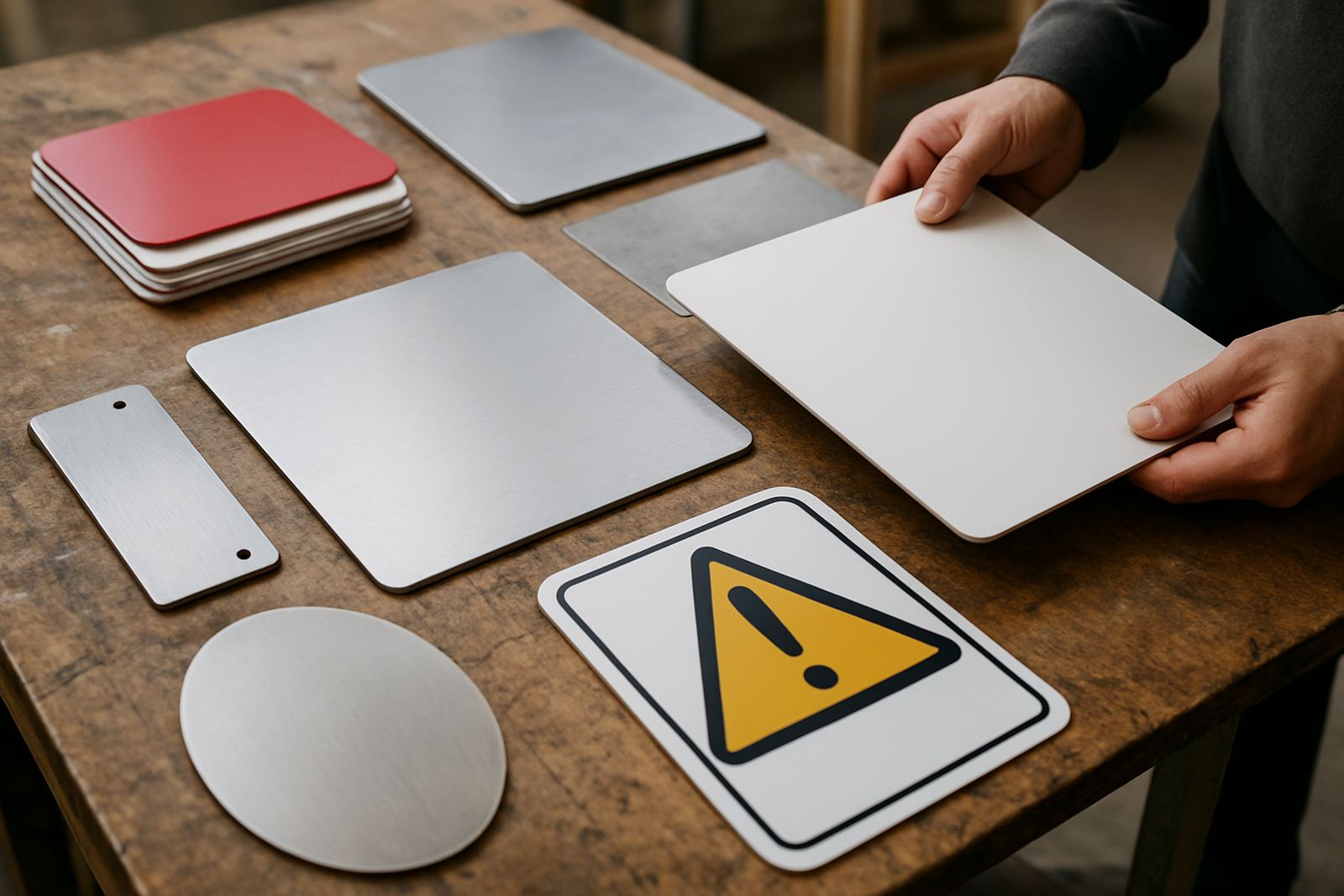
Start with the job, not just the board
Before anyone orders a panel, it helps to be clear on what the sign must do. A board for a roadside development, a factory entrance, a shop front or a temporary promotion all face different conditions. In Gauteng, strong sun, summer storms and dust can shorten the life of the wrong material, while coastal moisture is not the issue inland but humidity and wind still matter on exposed sites.
We usually ask three basic questions: how long must it last, where will it be mounted, and who needs to read it. A board at street level can be smaller and lighter. A highway-facing sign needs stronger fixings and better reflectivity or contrast. If the site is close to trees, road spray or heavy traffic, the finish should be chosen with cleaning and wear in mind. That saves money later and avoids the usual problem of a cheap panel going dull or warping before the project is finished.
Plywood, PVC and foam board for short-term use
For temporary notices, promotional site boards and indoor-outdoor crossover use, lighter panels can be the practical choice. They are easier to move, quicker to fit and usually easier on the budget. These materials work well for estate-agent boards, short-term event signs and changeable notice panels where the content may be updated often.
- Plywood is useful when you need a firmer board and do not mind a bit more weight.
- PVC sheet is light, moisture resistant and suited to clean-cut graphics.
- Foam board is best for sheltered areas or shorter durations because it can dent more easily.
- All three need proper edge finishing and secure fixing, otherwise wind will find the weak point.
If a board will face full sun all day, a protective finish and quality print are worth the extra spend. Otherwise the sign can chalk, curl or fade long before the campaign is done. For a temporary site in Boksburg South, for example, a durable printed PVC panel with good mounting can last through a full build phase without the replacement headaches.
Correx and fluted panels for fast, budget-conscious jobs
Fluted plastic panels are popular for short runs because they are light, quick to print on and easy to install. They suit development notices, directional boards, event signage and short-term safety messages. On sites where boards may need to be moved or replaced often, this is a sensible option. It is not the toughest material, but it does the job well when the brief is clear.
That said, fluted panels should not be chosen for every application. In strong wind, they can flex if the fixings are wrong or the board is too large. They also show wear sooner than heavier boards. For a message that only needs to stand for a few weeks or a couple of months, that is usually acceptable. For a long-term street-facing sign, something more rigid is normally better.
- Best for short-term promotions and site notices
- Quick to produce in standard sizes
- Light enough for fast installation
- Not ideal for long-term exposure or high-wind corners
Aluminium composite and metal panels for longer service
When a sign must look clean for years, rigid metal-faced panels are often the better call. These boards hold shape well, take vinyl neatly and cope better with heat and weather than many lighter alternatives. They are commonly used for company signage, business parks, workshop fronts and building identification where a neater finish is expected.
Metal-backed boards also help when the sign needs a more polished appearance without going overboard on cost. They are strong enough for larger formats and can be mounted on walls, poles or frames with proper support. In busy areas such as Kempton Park or Germiston, that extra rigidity matters because vibration, wind and roadside dirt all test the board over time. If the sign must stay readable from a distance, a flatter surface usually gives a cleaner result.
Face material matters just as much as the panel
A good board can still underperform if the face is wrong. For outdoor signs, the printed or applied surface has to cope with UV, rain and regular cleaning. Cut vinyl lettering, printed graphics and laminated finishes all have their place, but they must suit the job. On a fleet sign or a directional board, for instance, the colour consistency and edge adhesion need to stay tidy even after months of sun.
There are also practical choices around visibility. Light backgrounds work well for simple notices, while high contrast lettering helps on roadsides and in dim industrial areas. Reflective accents can help safety signs and access boards, especially where load-shedding has left an area darker than usual at night. For sites near the East Rand industrial belt, we often recommend finishes that can be wiped down without damaging the print.
Mounting, wind load and maintenance are part of the material choice
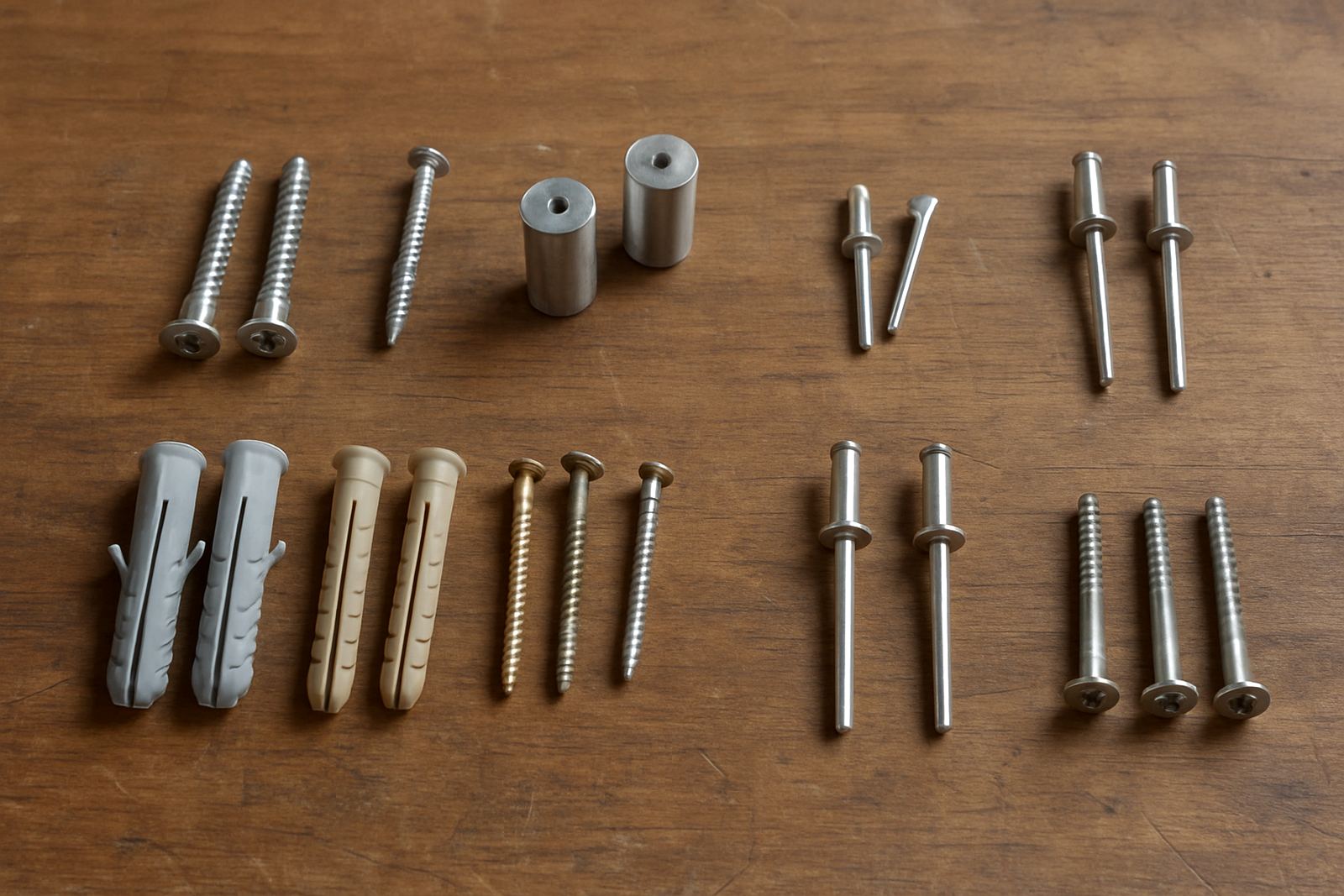
People often compare board prices and stop there, but the fixing method and ongoing upkeep are just as important. A cheaper material can become expensive if it needs replacing after the first storm. The frame, screws, rivets and wall type all affect how the sign performs. On exposed corners, elevated sites and roadside fences, the wrong installation can twist a panel or pull it loose.
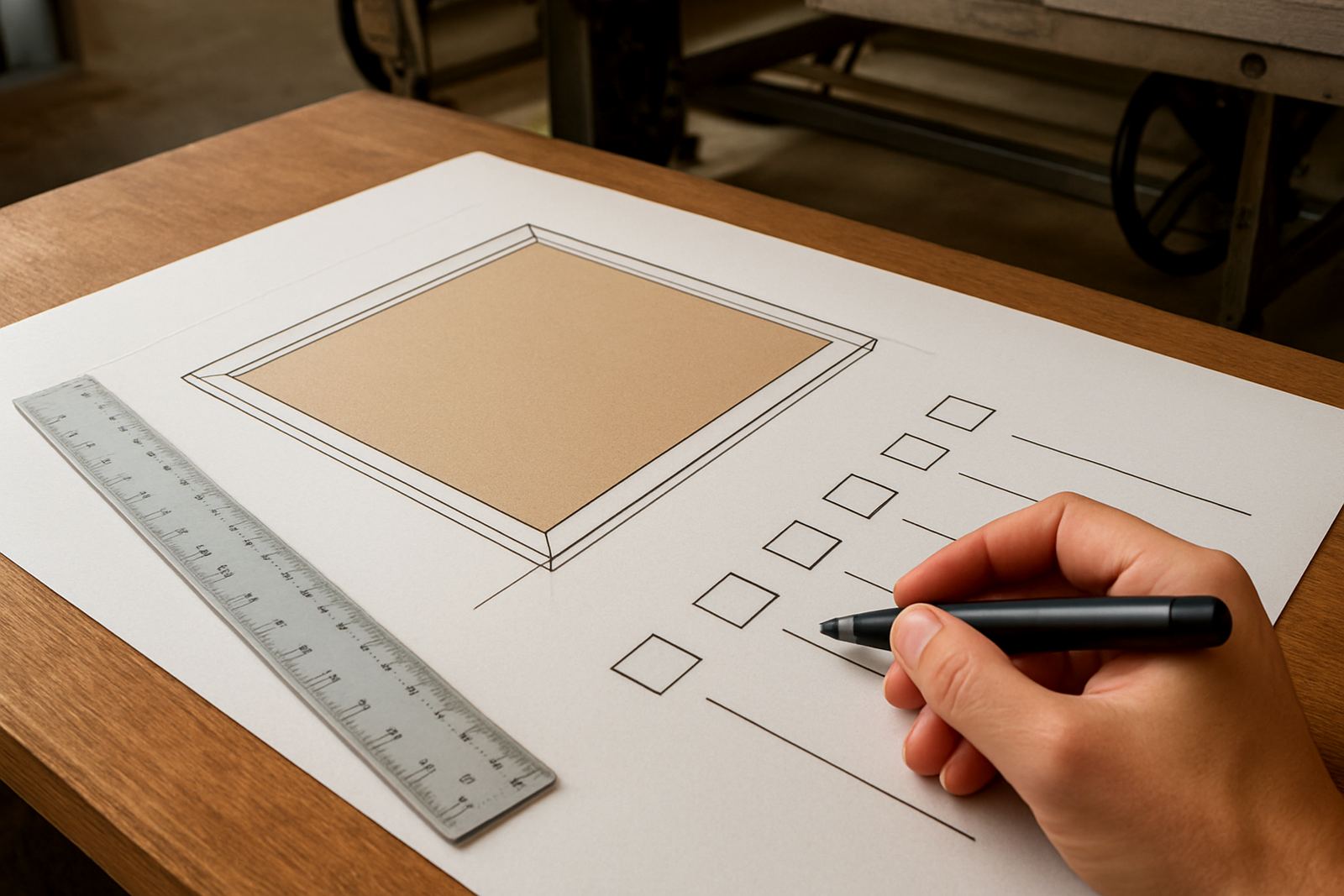
For this reason, our site surveys look at more than size and wording. We check the surface, the height, the wind exposure and whether maintenance access will be needed later. A sign for a factory in Boksburg East might need a different approach from one going onto a retail wall in Edenvale. If the board will be serviced regularly, we plan for that from the start so the client is not forced into unnecessary replacements.
- Check the wall or frame before choosing the board
- Allow for wind, vibration and heat expansion
- Plan for cleaning and future updates
- Use the same care for brackets and fixings as for the panel itself
A practical Boksburg example from brief to finished sign
A local example makes the choice easier to picture. A client in Boksburg needed outdoor boards for a new commercial site, with one sign for the entrance and another for temporary directions during the first few months of operation. The entrance board needed to last, stay neat and hold up in full sun. The direction board only had to serve until the site layout was settled.
We used a heavier, rigid panel for the entrance sign and a lighter panel for the temporary board. The first was planned for long-term weather exposure and cleaner visual impact. The second was chosen for speed and value. That split saved the client money without compromising on the part of the site people see first. It also meant the temporary board could be removed later without leaving a mess or damaging the main sign.
That is usually the right way to think about outdoor sign materials. Match the board to the task, not just the quote. If the job is short term, use a material that fits the timeline. If it is permanent, allow for sun, rain, dust and proper fixing from day one. That approach keeps the sign readable, safer and better value over time, which is what most businesses actually need.