Start With the Board's Job On Site
Before anyone starts on artwork, decide what the board must do. A site board for a residential development is not the same as a municipal notice board or a contractor board on an industrial site in Boksburg. One may need planning details and contact names, another may need warning messages, directional arrows, or tenancy information. The purpose sets the layout, size and wording.
We often see delays because the customer knows they need a board, but not exactly what it must say. That can lead to extra revisions, and on a busy site every extra day matters. If the board is going near a road or pavement, also think about visibility from a moving vehicle. Lettering that reads well at 5 metres may be too small for passing traffic.
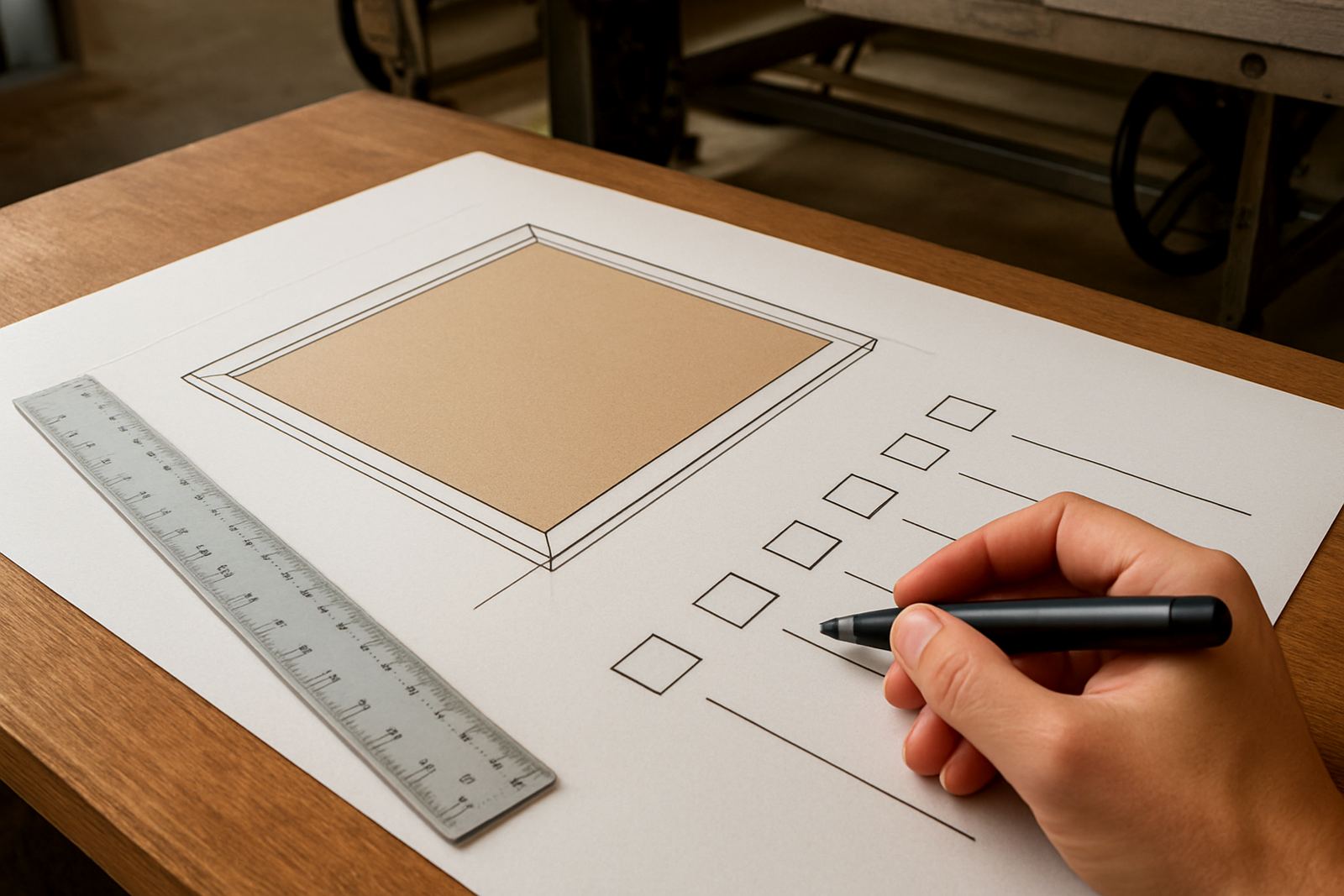
A practical starting point is to write the board's job in one sentence. If that sentence is clear, the rest of the checklist gets much easier.
Check the Wording Before Artwork Starts
The most common mistakes are spelling errors, missing registration details and the wrong contact name. On a site board those small errors stand out, and once the board is mounted they are more costly to fix. It is worth confirming every line of text with the project manager or owner before production.
For a checklist, ask for the exact wording in a single document. Do not rely on messages copied from different messages or forwarded notes. If the wording includes legal or compliance details, confirm which version must appear on the board. This matters for developers, contractors and estate agents working in Ekurhuleni where multiple parties may want input.
- Project name as it must appear on the board
- Company name and registration details if required
- Contact person and title
- Phone numbers, message or website text
- Site address and suburb
- Warning or instruction wording
If the board will be used for several months, keep the wording plain and direct. Short lines are easier to read in sun glare and dust. Long sentences often get broken badly, which makes the board harder to follow.
Measure the Space and Confirm the Mounting Point
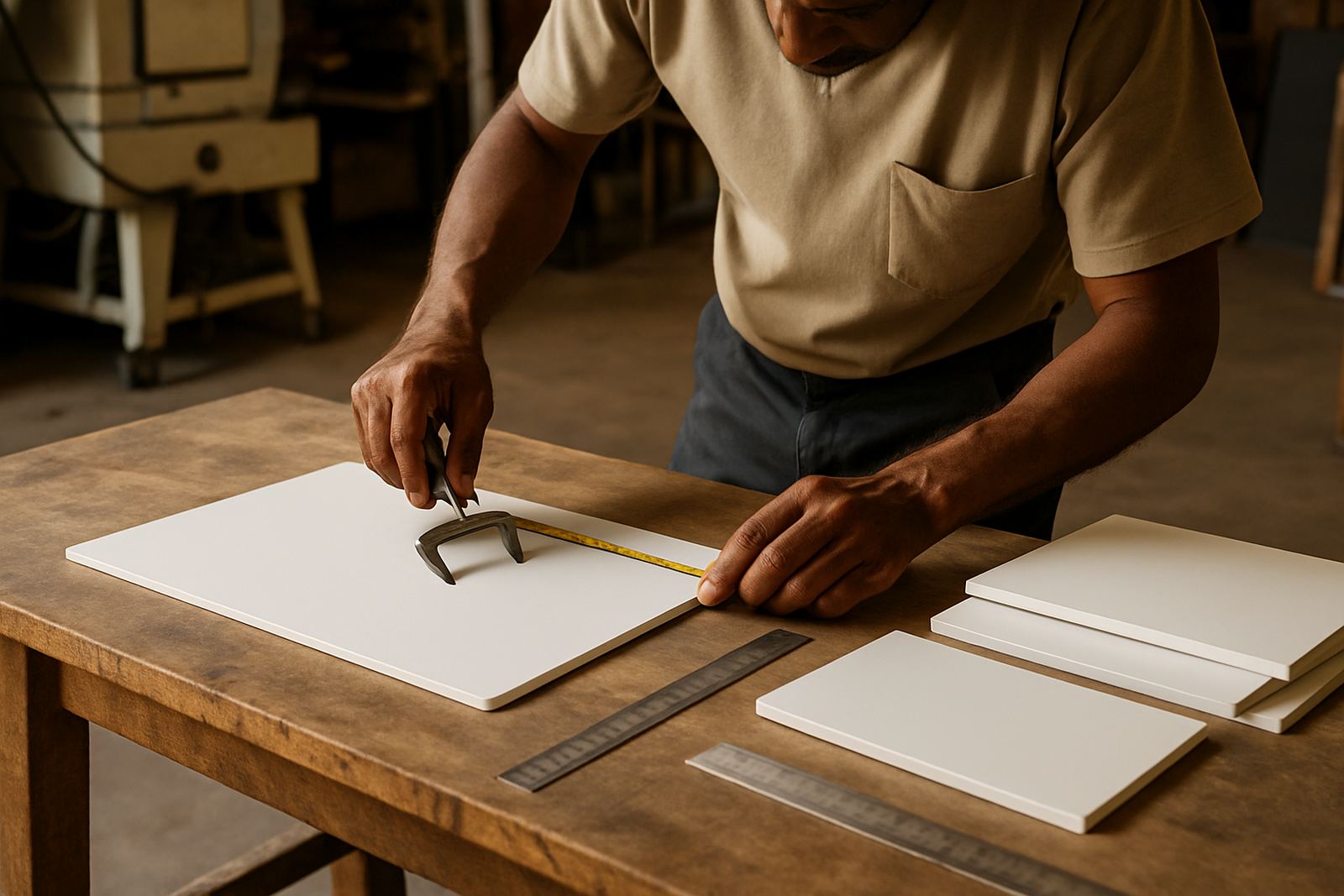
Site boards fail when the size was guessed instead of measured. A board may look fine in the workshop, then end up hidden behind a fence post, too low for clear viewing, or too high for secure fixing. Measure the actual space on site and note the available width, height and any obstacles such as brick pillars, steel palisade, temporary fencing or electrical boxes.
Also check the surface the board will be fixed to. A board on brick may need different fixing points from one mounted to steel frame or timber posts. In areas like Kempton Park and Germiston, wind exposure can change from one corner of a site to the next, so mounting has to be planned properly. If the board is going onto a perimeter fence, ask whether the fence will remain in place for the full project period.
Do not forget to confirm the viewing distance. A board for a roadside site in Benoni needs different sizing from one placed at a gate guard house. That one detail can save a lot of rework.
Choose Materials That Suit Gauteng Conditions
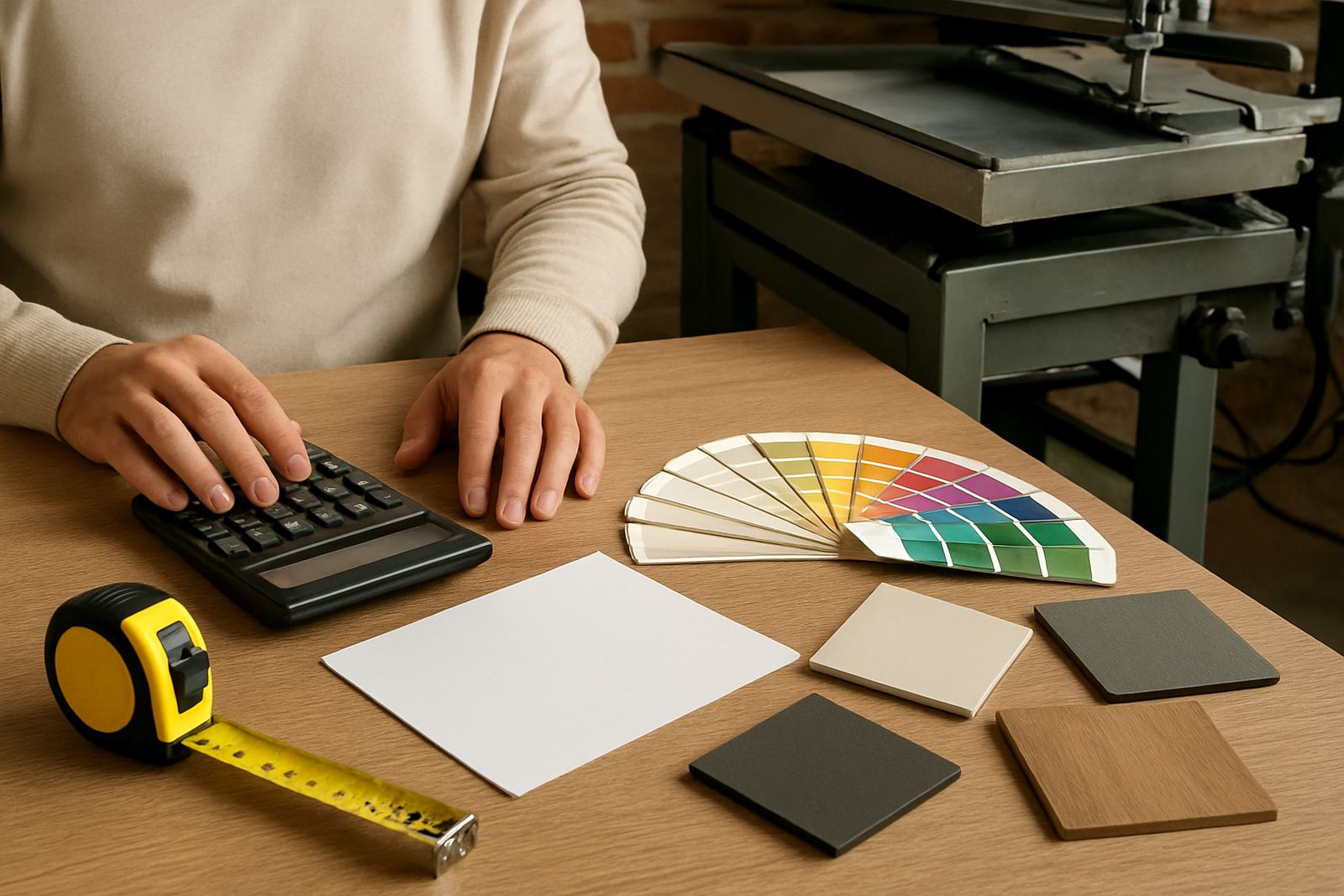
Materials should match the site and the length of time the board must stay up. In Gauteng, direct sun can fade poor-quality print quickly, while summer rain and dust can affect exposed edges. If the site is in a busy industrial area or near a loading bay, the board may also need to cope with knocks, forklift movement or repeated cleaning.
Ask what finish is needed. Some boards are for short-term promotions and others need a longer life. A temporary estate board might use a lighter board material, while a contractor board at a construction site may need something thicker and better fixed. If the site is coastal side or exposed to heavy moisture, ask about edge sealing and corrosion on fixings. That simple question can save trouble later.
- Board size and thickness
- Indoor or outdoor use
- Expected lifespan
- Exposure to sun, rain or dust
- Fixing method and frame type
- Whether the board may need future updates
If the board has to be reused, consider whether the artwork can be changed later without replacing the whole panel. That is often useful for multi-stage developments and tenant changes.
Confirm Approvals, Site Rules and Timing
Many site boards get held up because the site owner, body corporate, municipality or main contractor has a rule that was not mentioned at the start. Some places need approval for size, placement or wording before the board can be installed. Others want reflective elements, safety notices or specific branding limits. Get those details before production begins.
Timing matters too. If a board has to be mounted during business hours, access and security clearance need to be arranged. In parts of Midrand and Alberton, access windows can be tight, especially on shared commercial sites. If the board is going near a road reserve or municipal boundary, it is safer to confirm the placement early rather than move it after installation.
Make sure the checklist includes a sign-off step. One person should approve the artwork and one person should approve the final site position. When too many people approve different parts separately, details get missed and the job can stall.
Prepare for Printing, Fitment and Future Changes
Once the wording and measurements are confirmed, check the practical details that affect production. Does the board need cut vinyl lettering, full print or a mix of both? Will it be fitted by our installation team or delivered for site staff to mount? If it is a vehicle or contractor board, plan for vehicle fitment or fixed mounting points before the print is cut.
It also helps to think ahead. Site boards often need refurbishment, vinyl removal or small maintenance visits after the first round of use. That is normal on active sites. A good checklist notes whether the board should be easy to update later, and whether the same layout must be repeated across several branches or plots.
For local example, a new site board in Boksburg for a residential development might need the developer name, emergency contact, opening date and safety line. If the board is placed on a dusty fence along a busy road, larger lettering and a stronger fixing method will usually be needed. That kind of detail is easy to miss if the checklist is too thin, and then you are making changes under pressure.
What to Send Through Before We Start
To keep a site board moving, send through a clear brief with the essentials in one place. That makes artwork setup, sign manufacture and installation easier to plan. It also reduces back-and-forth, which is useful when the job has to fit around load-shedding, site access or a tight handover date.
- Exact wording for the board
- Board size or available space on site
- Site address and suburb
- Preferred material or finish
- Approval contact name
- Installation date or deadline
- Any site rules or permit details
At Executive Screen Printers in Boksburg, we use this kind of checklist every day because it keeps the job practical and clear. Lerato Mokoena in sales, Ayesha Patel on design, Johan Pretorius in production and Sibusiso Khumalo on installation all need the same facts to keep things moving without confusion. The more complete the brief, the fewer surprises later.