Why clean artwork matters before production starts
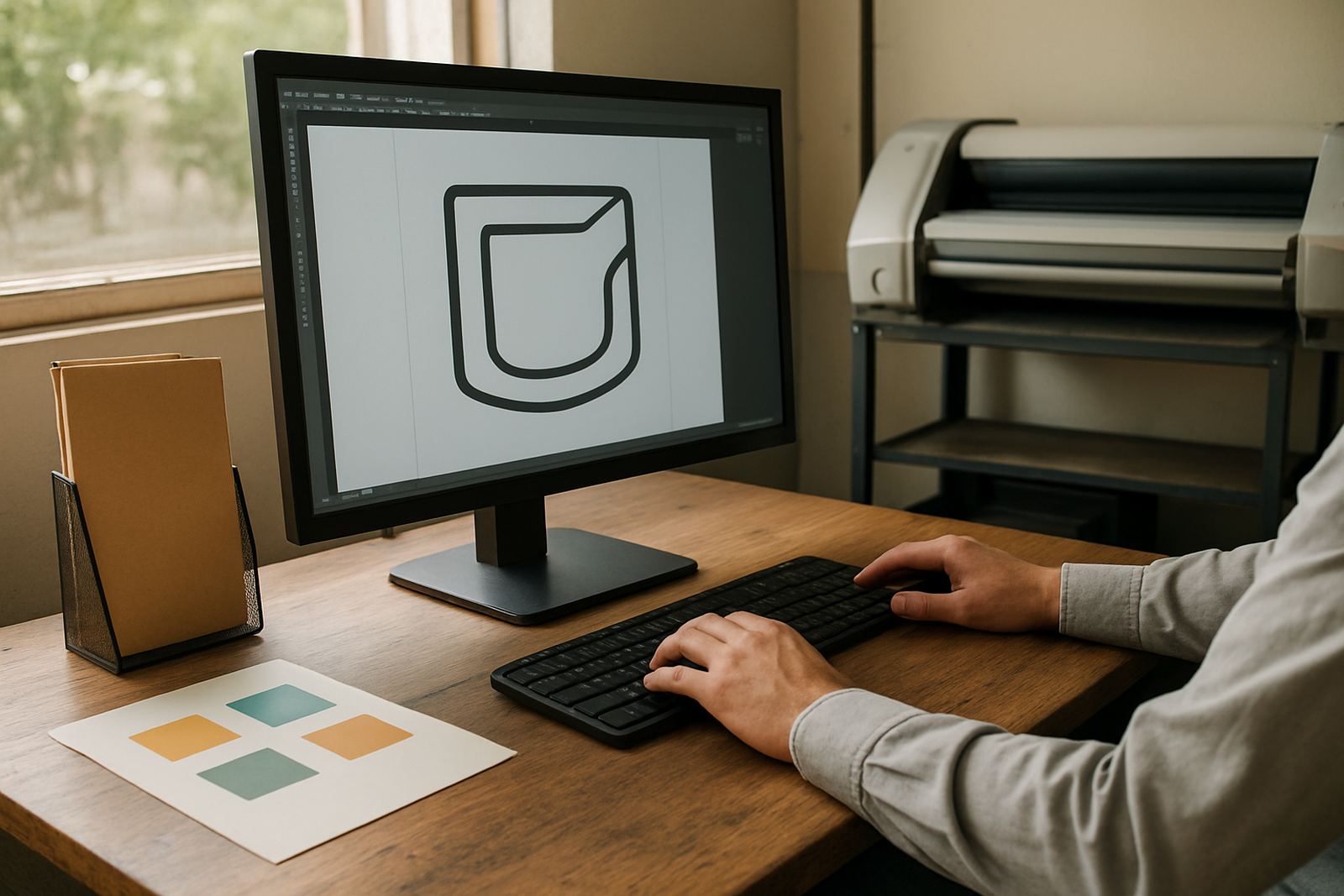
When a logo file is unclear, low resolution or built from the wrong format, production slows down very quickly. A sign, vehicle graphic or silkscreen job can only be as good as the file supplied, so poor artwork often leads to redraw fees, delays and avoidable mistakes.
For a business in Boksburg or anywhere in Ekurhuleni, that matters when you are working around opening dates, vehicle fitment slots or a site handover. If the artwork is sorted early, the rest of the job can move through site survey, manufacture and installation with far less friction.
What to send us first so we can quote properly
The best starting point is the original logo file from the designer or marketing person who created it. We can work with the right file types more easily when the artwork is supplied in a format that keeps lines, curves and text sharp at any size.
- Vector artwork such as AI, EPS, PDF or SVG is best for signs and cut vinyl
- High resolution raster files such as PNG or TIFF can work for some print jobs
- Send the version with the correct colours, spelling and layout
- Include any font names if the logo uses custom lettering
- Tell us where the logo will be used, such as a board, vehicle or T-shirt
If you only have a photo of a business card or a small image from social media, that can help as a reference but it is usually not enough for production. The cleaner the source file, the better the quote and the quicker the turnaround.
File problems that cause redraw charges and production delays
Most artwork issues are simple, but they still take time to fix. A logo saved from a website or copied from a WhatsApp image often arrives too small, fuzzy or compressed. On a large shopfront sign that can mean jagged edges and weak detail. On a T-shirt print it can mean soft lines and poor colour separation.
Common problems include missing fonts, missing links, unsupported effects and text that has not been converted to outlines. If a logo contains tiny details or very thin strokes, those may need adjusting so they do not disappear on a cut vinyl panel or weathered board.
- Low resolution files become blurry when enlarged
- RGB colours may shift when converted for print or paint matching
- Drop shadows and gradients may not suit vinyl cutting
- Embedded low quality images can break up during enlargement
- Fonts that are not outlined can substitute on another computer
How to prepare a logo for signs, vehicles and boards
Different products need different artwork treatment. A fleet marking job in Midrand is not prepared the same way as an estate agent board in Springs or a safety sign for a workshop in Germiston. That is why it helps to tell us the final use before the file is opened.
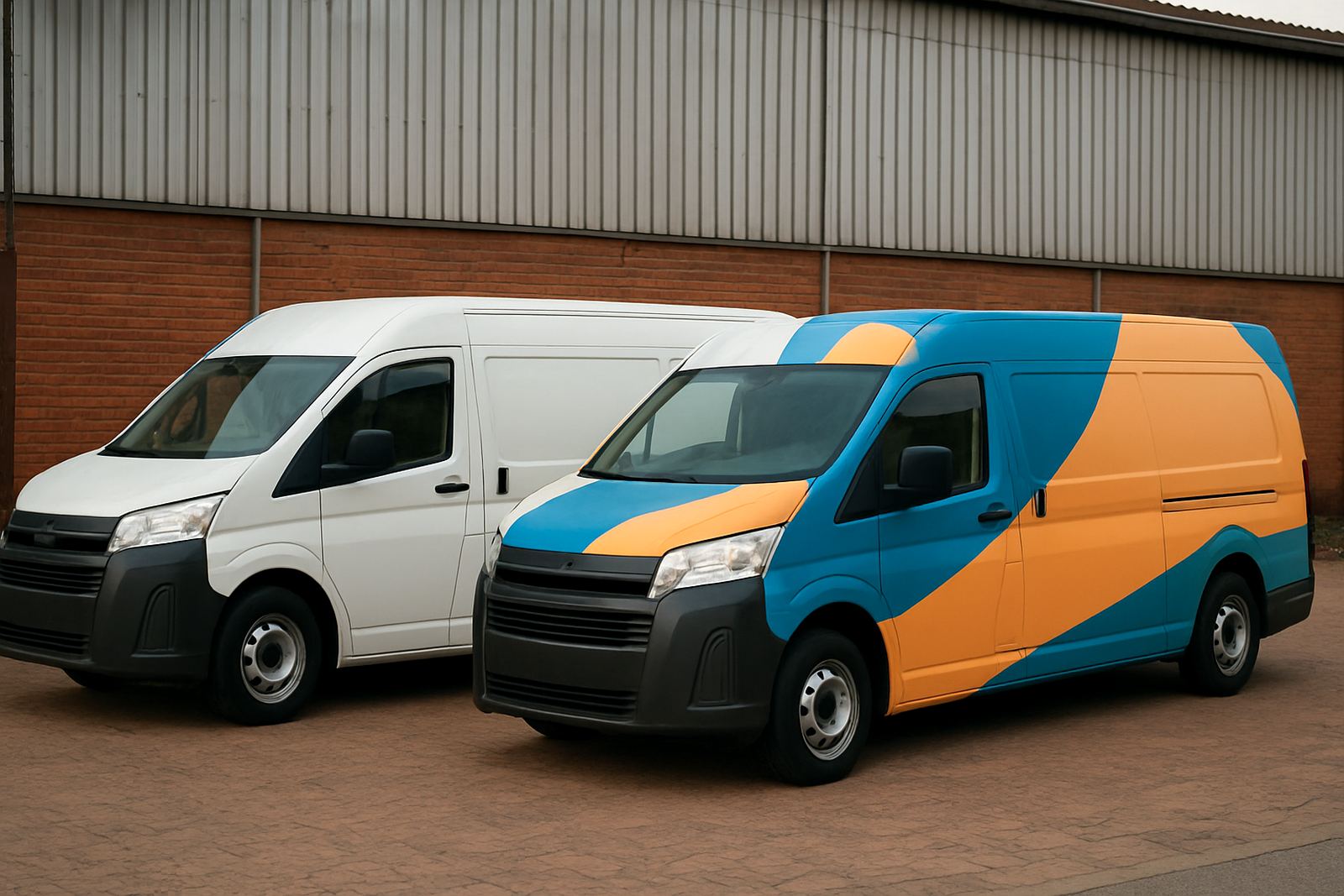
For cut vinyl lettering, simple vector shapes work best. For printed boards, we check image clarity, bleed and colour balance. For vehicle graphics, the logo may need to be stretched over curves, door handles or panel gaps so the sizing must be accurate from the start. For site boards, we also factor in viewing distance, weather exposure and mounting method.
- Supply the final wording exactly as it must appear
- Check phone numbers, registration details and opening hours carefully
- Give approximate sign sizes in millimetres or metres
- Let us know if the sign will face sun, rain or coastal humidity
- Flag any municipal or estate requirements before production starts
In some areas, especially where signs sit on street boundaries or commercial parks, permissions and size limits can matter. It is easier to adjust the artwork before printing than after a board has already been made.
A practical local example from Boksburg to Bedfordview
Take a small contractor based in Boksburg that needs a site board, a bakkie tailgate logo and a set of overalls for the crew. If the logo comes in as a sharp vector file, we can size it for each use without rebuilding it from scratch. The board stays legible from the road, the vehicle lettering fits the panel cleanly and the silkscreen print keeps the edges tidy.
If the same business sends only a cropped image from a flyer, we may need to redraw the mark, match colours by eye and clean up the text. That adds time and can affect the final result. For a team working on tight deadlines, especially where a site opening or new vehicle handover is involved, that extra step is often the difference between a smooth install and a last-minute rush.
What our team checks before manufacture begins
Before any sign, print run or fitment starts, the artwork gets checked for clarity, size and suitability. Our team in Boksburg looks at how the logo will perform on the chosen material and whether the file needs cleanup before production. Lerato Mokoena handles sales planning, Ayesha Patel checks layout details, Johan Pretorius oversees production and Sibusiso Khumalo manages installation details on site.
That process helps reduce rework, especially on jobs where the same logo must appear across several items such as a shopfront sign, delivery vehicle and clothing. Nokuthula Dlamini also helps clients keep track of updates, while Pieter Erasmus handles workshop prep when the file needs careful conversion for print or vinyl.
- We confirm size, spacing and legibility
- We check whether the file suits print, cut vinyl or both
- We flag missing elements before manufacture starts
- We keep the artwork matched across all items in the job
The easiest way to keep your next job moving
If you are sending a logo for the first time, gather the best version you have and include a short note on where it will be used. Mention the size, material and whether it is for indoor or outdoor use. If you are unsure about the file quality, send it anyway with the enquiry form on our contact page and we will advise what can be used as is and what may need attention.
A clean file saves redraw costs, protects the look of your brand and makes the whole job easier to manage. That applies whether you need signage in Boksburg, fleet marking in Kempton Park or a print run for staff clothing in Alberton. Better artwork at the start usually means better results at the end.