
Why reflective signs matter after dark
In many parts of Boksburg and the East Rand, signs are read at dawn, after sunset, or in shaded loading areas where light drops quickly. Reflective vinyl and reflective sheeting return light from vehicle headlights and torches, so the message stays visible when plain painted boards start to disappear. That matters for security, delivery traffic and people moving through a site in the early morning.
For industrial yards, schools, estates and busy trade entrances, reflective signs are not only about looking neat. They help drivers slow down sooner, spot the correct gate and see warning messages before they reach the turning point. On sites with shift work, they also support staff who arrive before sunrise or leave after dark. In our experience, a clear reflective sign often prevents the small mistakes that turn into delays, vehicle damage or access problems.
Reflective material works best when the sign face is kept clean and the layout is simple. Long sentences and too many colours can be hard to read once light bounces back. A short instruction, strong contrast and correct placement usually do the job better than a crowded board.
Where reflective signs earn their keep
Reflective elements can be used across many parts of a business property. They are especially useful where moving vehicles and people share space, or where there is no strong fixed lighting. Sites around Jet Park, Wadeville, Alrode and the airport side of Kempton Park often ask for this kind of visibility because trucks, couriers and visitors arrive at all hours.
- Entrance gates and pedestrian access points
- Loading bays, reversing zones and delivery routes
- Fire exits, muster points and no entry areas
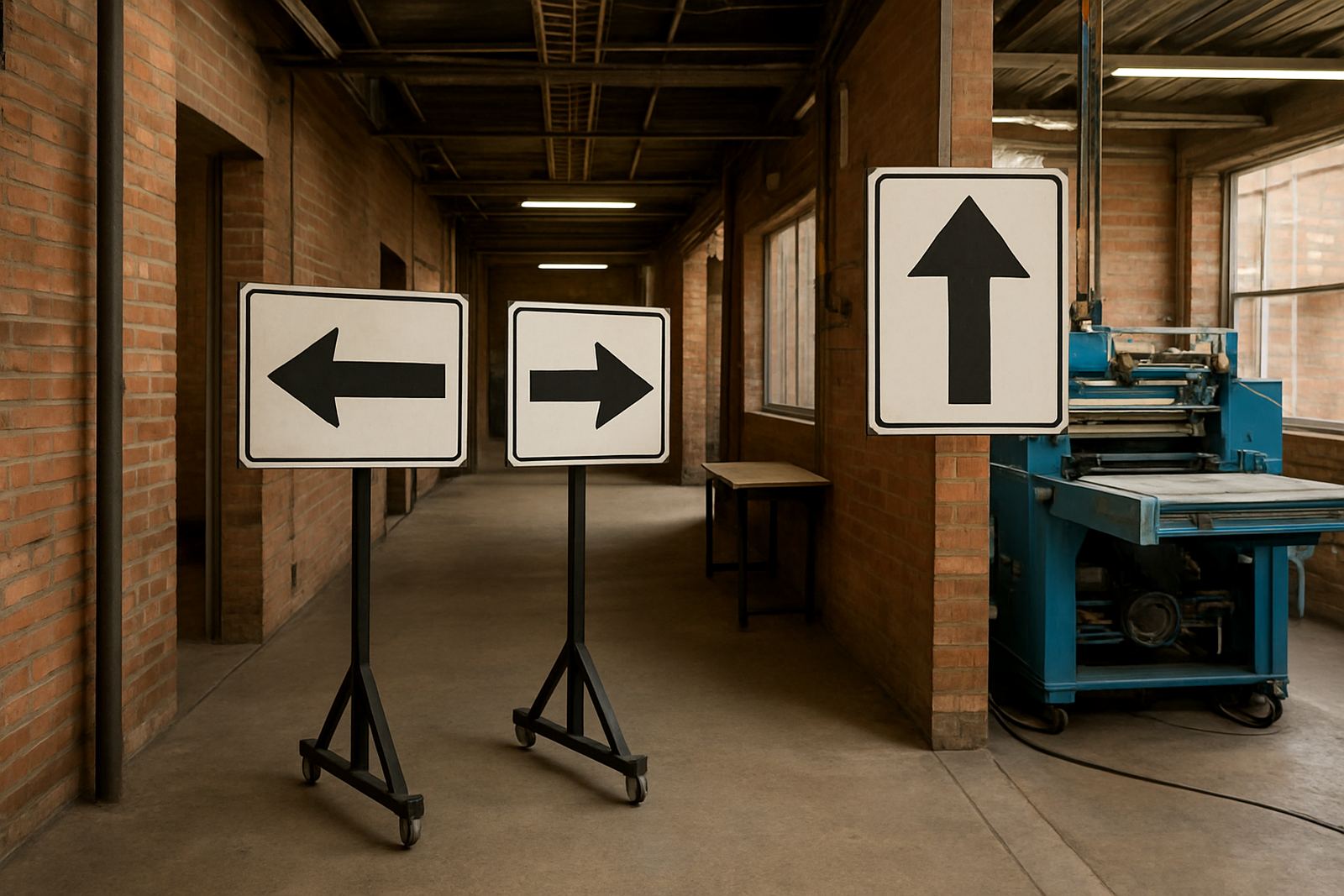
- Speed limit boards, stop signs and one way instructions
- Parking bays, bay numbering and reserved spaces
- Temporary access routes during maintenance or construction
Reflective signs also work well on boundary walls and freestanding boards where a driver needs to read the message from a distance. If a site is large, reflective numbering can help security staff, contractors and delivery teams find the right section without phoning around or driving back and forth. On estate boards, it can make contact details and directional information stand out after dark too.
Choosing between reflective vinyl and reflective boards
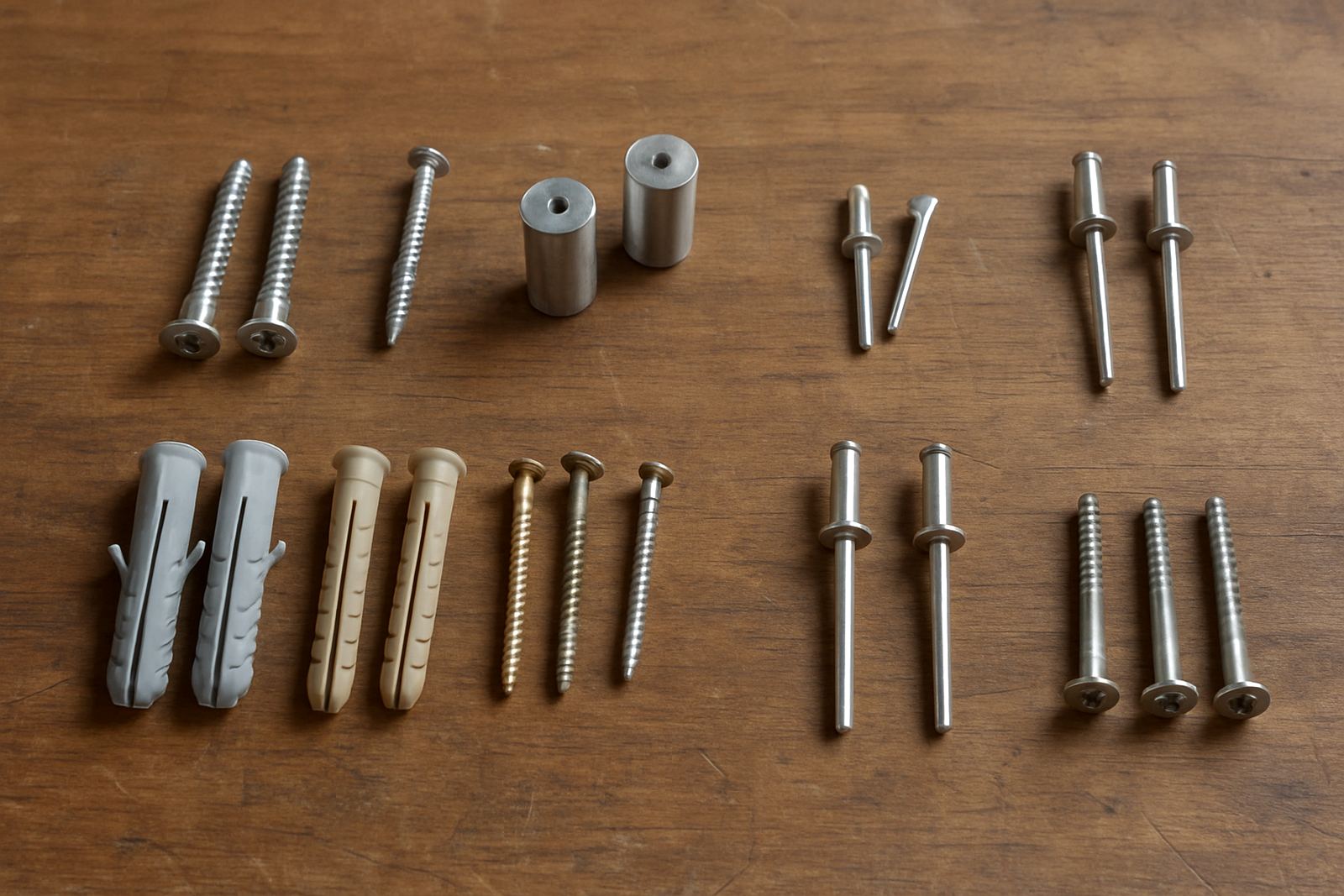
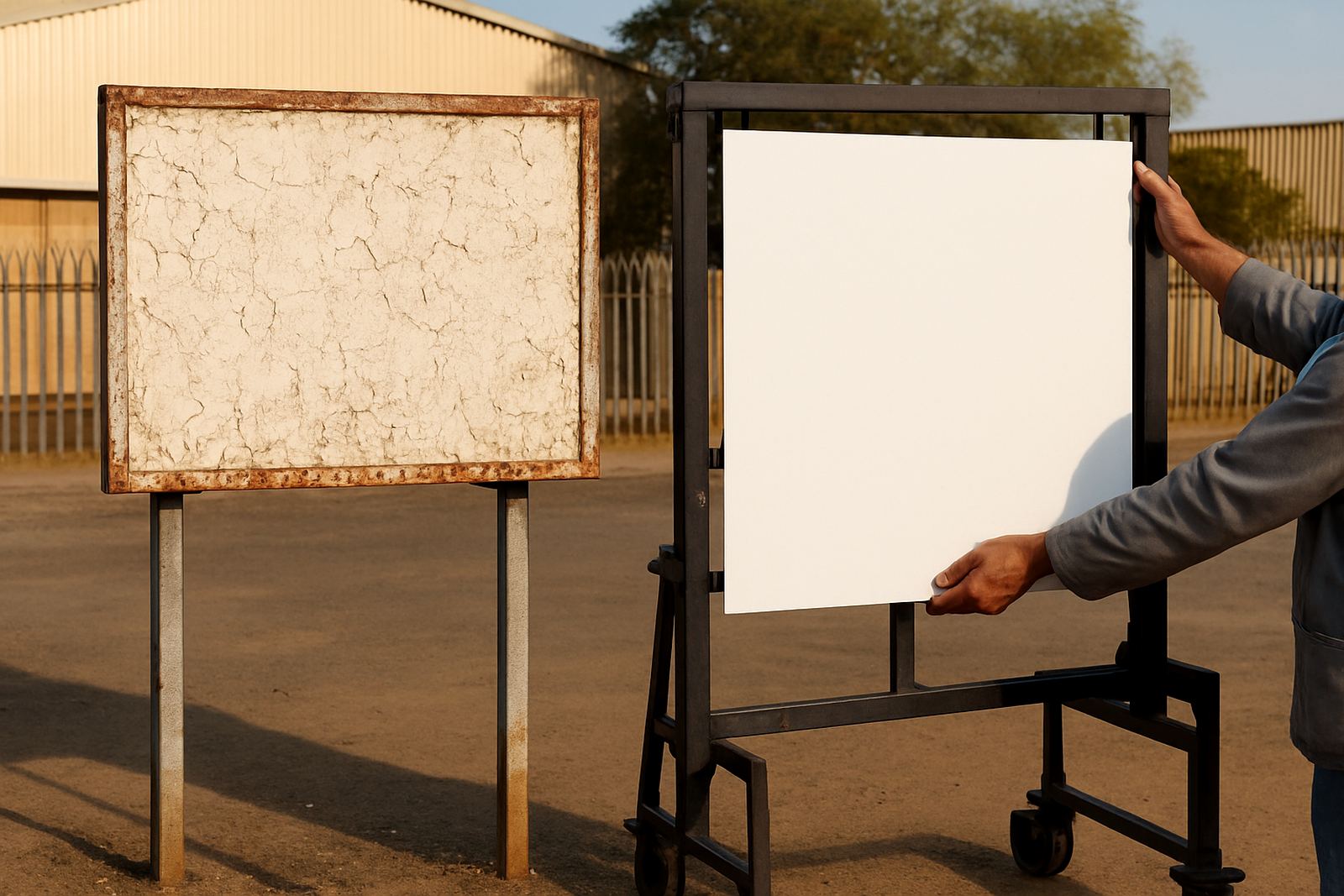
Not every reflective job needs the same material. For short-term notices, cut reflective vinyl can be applied to an existing board, gate or flat metal panel. For longer life, a purpose-made sign board with reflective face material is usually the better choice, especially where sun, rain and dirt are part of daily use. In coastal humidity or on dust-heavy industrial sites, the edge finish and mounting method matter as much as the print itself.
We normally look at the site conditions before recommending a finish. A sign facing direct sun in Boksburg South will age differently from one under shade in a warehouse yard in Germiston or an open stand in Springs. If the sign must stay legible through load-shedding and power failures, reflective material gives you a practical layer of visibility without needing electricity.
- Cut reflective vinyl suits letters, arrows and simple symbols
- Reflective face material suits full boards with more detailed wording
- High contrast colours improve legibility at longer distances
- Rounded corners and proper sealing help the sign last longer outdoors
For vehicle markings, reflective film can be added to company names, striping and warning panels. That is useful for bakkies, trucks and delivery fleets that work in low light or around busy yards. The trick is to keep it clear and compliant, not overloaded with text.
Practical design rules that improve night visibility
Good reflective signage is usually simple. The aim is to let the driver understand the message in a second or two. That means fewer words, bigger lettering and a layout that does not fight with itself. Small type may look neat on screen but it is not friendly on a gate pillar at night.
We advise clients to think about viewing distance first. A security notice read by a person standing 2 metres away can use smaller text than a driveway warning that must be read from 15 or 20 metres. The size of the board, the height on the wall and the angle of the approach all affect how well the sign works.
- Use bold wording and keep the message short
- Leave enough clear space around letters and symbols
- Place the board where headlights will catch it early
- Avoid clutter from too many logos, borders or slogans
- Test the sign from the approach route before final mounting
If a business needs both branding and instruction, the instruction should always come first. A visitor is more likely to notice a reflective arrow or warning panel than a decorative line of copy. For safety signs, clarity beats style every time, especially in dim yards and rainy weather.
A local example from a busy East Rand yard
A typical local case is a distribution yard in Boksburg where trucks arrive before sunrise and staff enter on foot from a separate gate. The owner may already have ordinary painted signage, but the problem is that the first driver in the morning cannot see the bay numbers clearly and misses the correct turning. After a few near misses, the site needs better visibility.
In that kind of setting, reflective bay numbers at the entrance, reflective direction arrows on the wall and a reflective stop notice near the boom gate can change how the yard works. The signs do not need to be large, but they do need to be placed where headlights hit them directly. If the site has a night security team, reflective muster point signs and fire exit markers also help during after-hours checks.
We often see the same issue at estate gates, contractor entrances and school drop-off areas. Once reflective signs are installed, people stop asking where to go and start following the layout properly. That saves time, and it lowers the chance of confusion when several vehicles arrive together.
Maintenance, cleaning and replacement planning
Reflective signs need basic care to keep working well. Dust, exhaust film, bird droppings and road grime can reduce how well the material returns light. On busy sites, a quick wipe during routine maintenance is often enough, but the sign should also be checked for fading, peeling edges or impact damage. If a board is knocked by a reversing vehicle, the reflective layer may still be visible but the message can be lost.
For most outdoor applications, it is wise to inspect reflective signage before winter, after heavy rain and after any site change such as a new delivery route or parking layout. If a sign is no longer matching the way people move through the property, it should be updated rather than left in place. A faded sign is worse than no sign because it gives the impression that the site is managed when it is not.
For businesses across Ekurhuleni and greater Gauteng, reflective signage is a practical investment rather than a decorative extra. It supports safer movement, clearer access and better control after dark, especially where the power goes off or the yard lights are not enough on their own.