When a sign can be reused instead of replaced
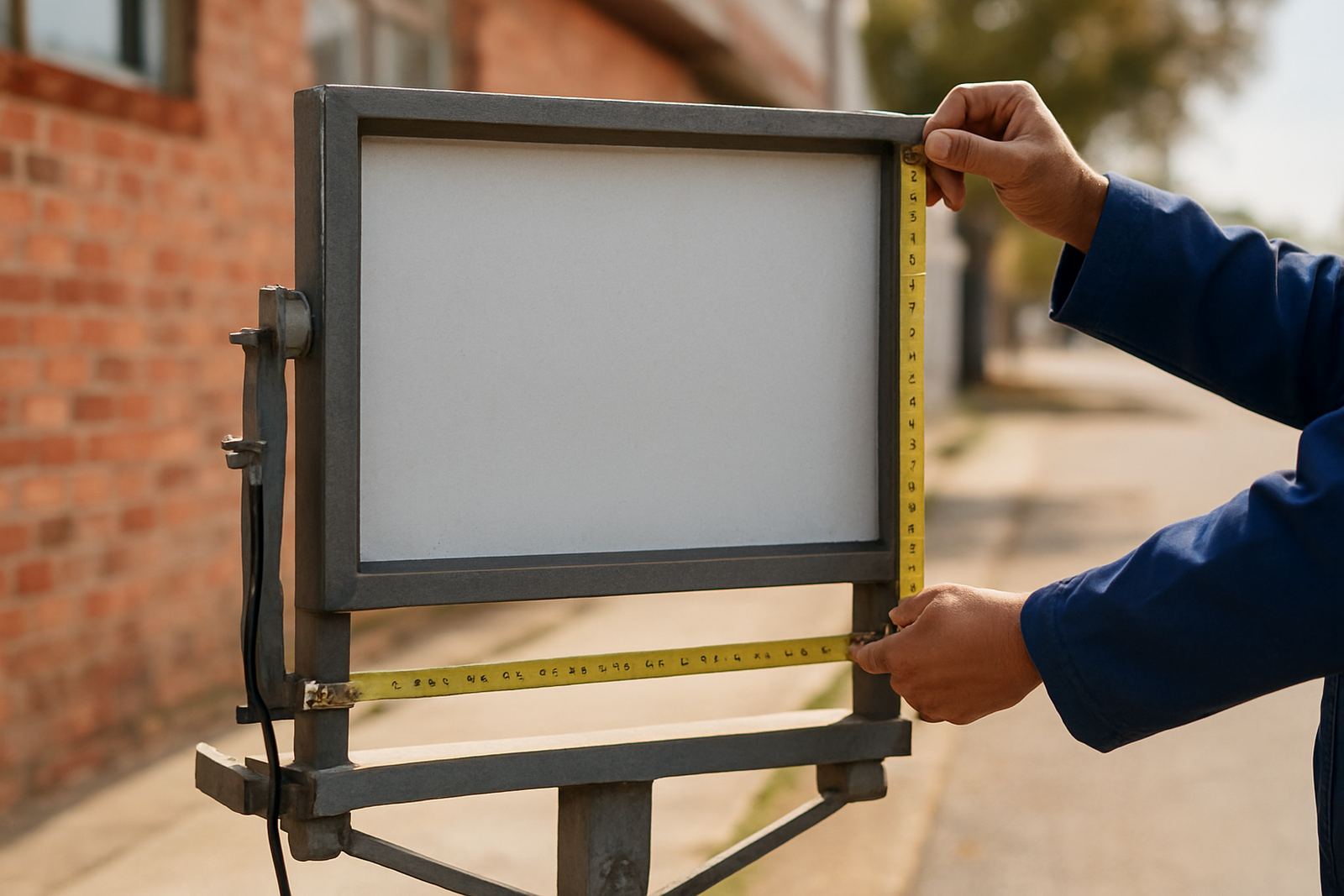
Not every tired sign needs a full rebuild. In many cases the face, wording and finish can be changed while the main structure stays in place. That is usually the best option when the poles are straight, the frame is still firm and the board is not warped by weather or water ingress.
At our Boksburg workshop we start with a practical check. We look at whether the structure is safe, whether the mounting points can take new panels and whether the old material can be cleaned off properly. If a board has rust at the fixings, cracked ACM, or rotten timber behind the face, it may still be partly reusable but not without repairs.
- Good candidates: steel frames, pylon signs, site boards and shopfront fascias with sound structure
- Best for: name changes, new branding, updated contact details and compliance wording
- Not ideal for: badly bent frames, loose footings, moisture damaged boards or unsafe installations
The key question is simple: can the existing sign do its job for another few years, or will keeping it only lead to repeated call outs and patch jobs?
What gets changed during a rebrand
Rebranding can be as light as fresh cut vinyl on an existing panel, or as detailed as stripping the old face, remaking new graphics and fitting updated safety notices. The right approach depends on the size of the sign, the condition of the surface and how visible the site is from traffic or footfall.
For many businesses across Boksburg, Germiston and Kempton Park, the job includes a mix of removal, preparation and new application. We often work on estate agent boards, industrial signage, fleet panels and retail fascias where the message has changed but the structure is still worth keeping.
- Vinyl removal and adhesive clean-up
- Artwork setup for new trading names, logos and layout changes
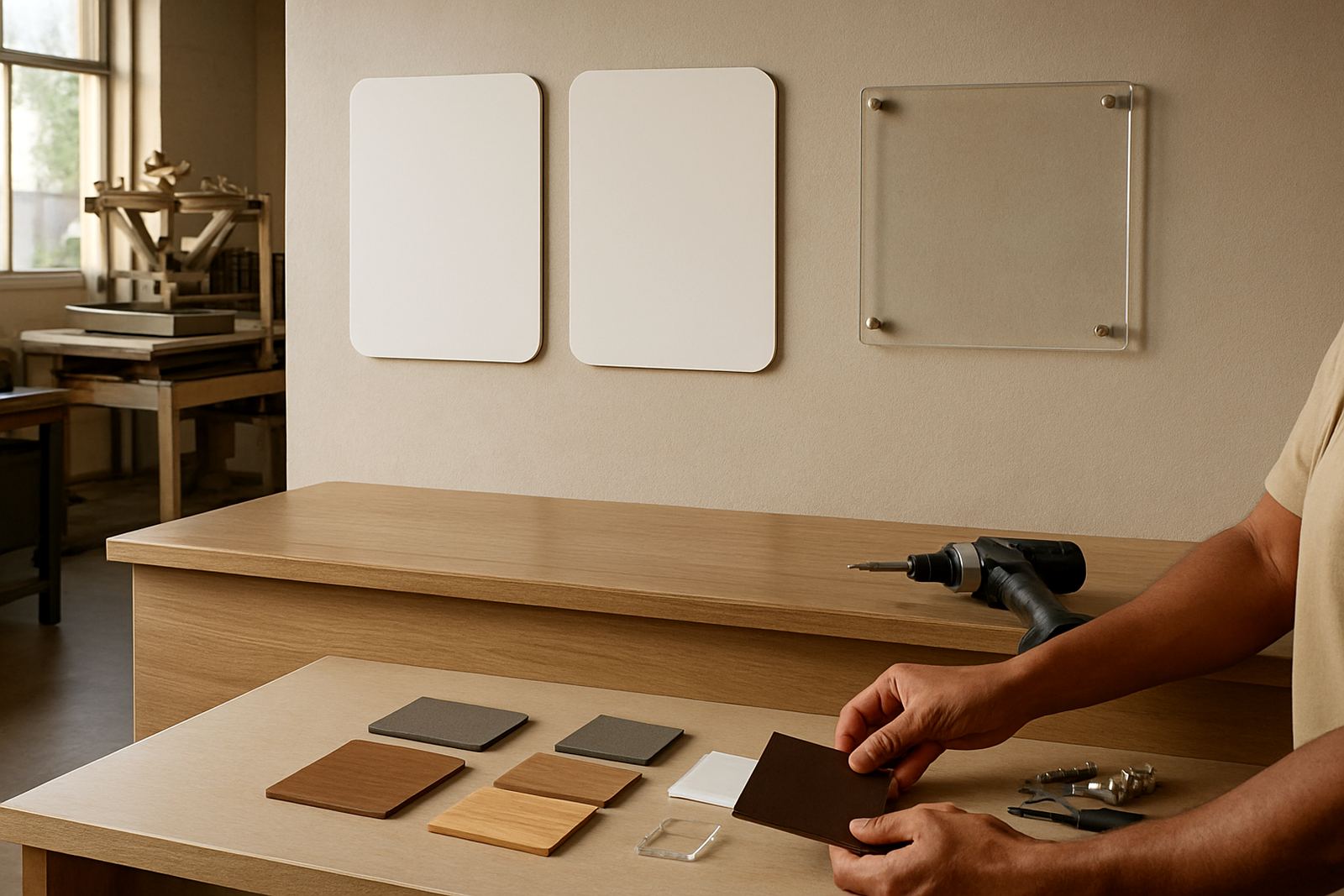
- Replacement panels or fresh paint on suitable surfaces
- New cut vinyl lettering, directional text or safety wording
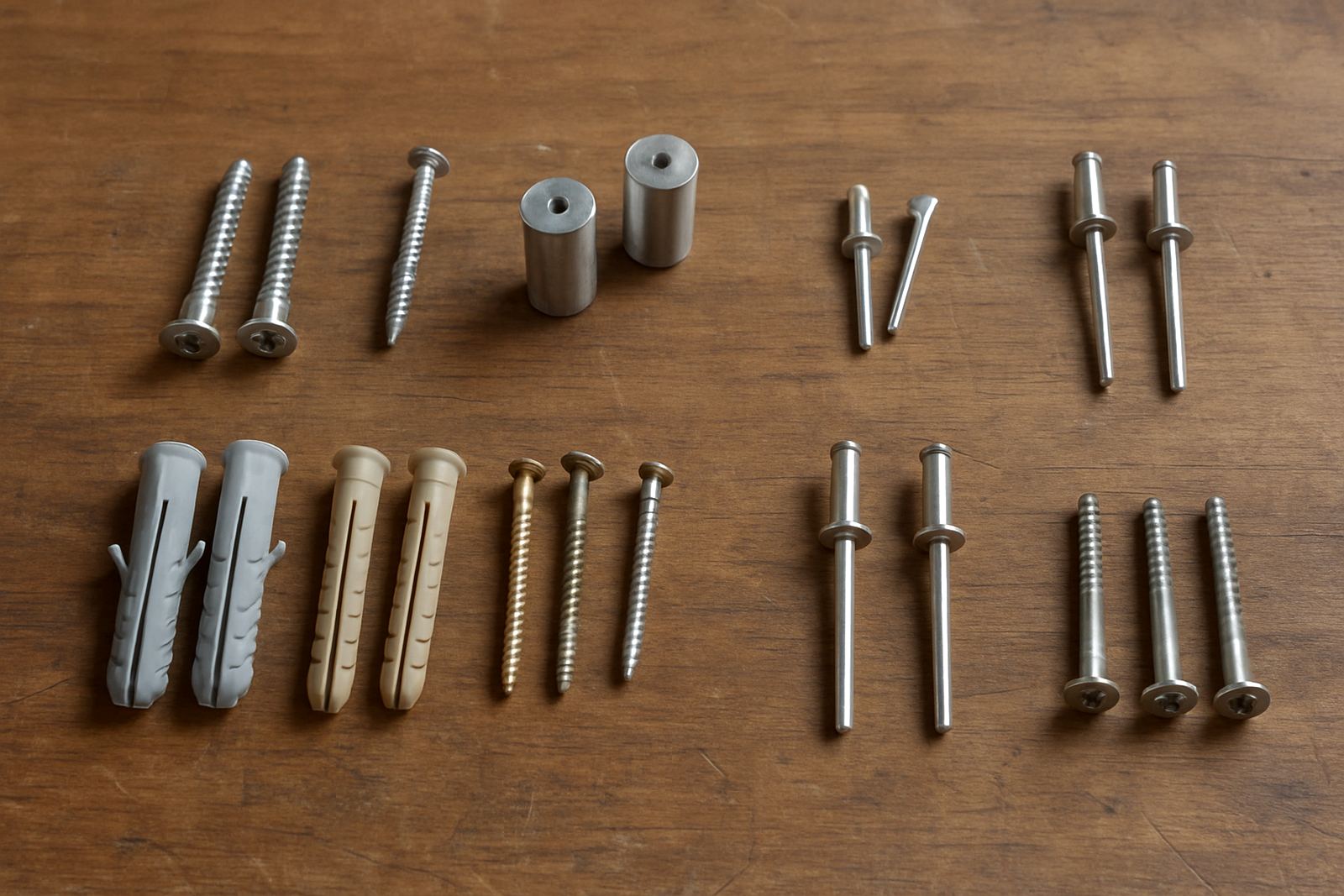
- Refitting where needed, with proper fixings and alignment
A good rebrand should look like a fresh start, not like old text has simply been hidden under a new layer. That means proper surface prep, correct colour matching and clear sightlines from the road or entrance.
Why reuse can save time and Rand
Reusing a good structure normally reduces material costs and shortens downtime. That matters when a business cannot afford to have its premises looking unfinished for long, or when access is limited by operating hours, security controls or municipal restrictions.
On a practical level, the savings come from less fabrication, less steel work and fewer new foundations. If the sign face only needs new graphics, the turnaround can be much quicker than commissioning a full replacement. It also helps in busy industrial areas where trucks are coming and going and a prolonged installation would get in the way.
There is also less waste. If the old frame is still serviceable, there is no reason to scrap it just because the name has changed. For many property managers this is especially useful when budgets are tight and multiple sites need attention at once.
- Lower material spend compared with a full new sign
- Less time on site, which reduces disruption
- Faster changeover for leasing, ownership or naming updates
- Better value on repeat maintenance visits
Sometimes rebranding is the difference between a professional reset and an expensive rebuild.
Checking safety before any new face goes on
Before we apply new graphics or mount fresh panels, the structure must be checked properly. A sign can look fine from the road and still have loose brackets, rust inside the support or weak fixings at the base. In Gauteng, strong wind and heavy summer rain can expose those faults quickly.
This is where site surveys matter. We inspect access, height, footing condition and the overall stability of the frame. If the installation is near a driveway, pedestrian path or boundary wall, the set-out has to be right. On larger sites we also look at electrical issues where illuminated components are involved, though many rebrands are non-illuminated and simple to manage.
For businesses along busy routes in Ekurhuleni, safety checks are not optional. A neat sign that is unsafe is still a problem, and in some cases a municipal inspector or landlord may ask for changes before work can continue.
- Check corrosion at brackets, welds and base plates
- Confirm the footing is stable and level
- Make sure the surface is clean, dry and suitable for new material
- Plan access for ladders, lifts or the right install method
A Boksburg example: changing a site board without starting again
A practical example is a warehouse off North Rand Road that changes occupants. The old site board may still be structurally sound, with good posts and a usable frame, but the branding, contact details and safety wording all need to change. Rather than scrapping the whole setup, the board can be cleaned, repaired where needed and refaced with new artwork.
That approach works well for industrial parks and logistics yards where the bones of the sign are fine. If the site faces load-shedding concerns or after-hours visibility issues, we can also advise on reflective vinyl, higher contrast colour choices and cleaner type sizing so the message stays readable at a glance.
For estate agents, contractors and property managers, the same idea applies to temporary boards and directional signs. If the stand is still good, then only the content needs to move with the business.
- Ideal for tenant changes and updated property details
- Useful where the board position is already approved
- Helps keep the frontage neat during transition periods
It is often quicker to update a known structure than to begin a fresh approval and fabrication cycle.
How we handle rebranding from first look to final fitting
Our process is straightforward. We start with a site survey, confirm what can be saved and then quote on the work that is actually needed. That might include vinyl removal, panel replacement, new lettering, minor repairs or a full remount of the existing structure. Once the artwork is approved, the job moves through production and then installation.
The team includes people who handle the practical side every day, from artwork setup through to workshop preparation and final fitting. Michael Johannes van der Merwe oversees the business, while Lerato Mokoena, Johan Pretorius, Nokuthula Dlamini, Sibusiso Khumalo, Ayesha Patel and Pieter Erasmus each play their part in keeping jobs moving in order.
That matters on rebrand work because timing is everything. A shopfront cannot sit half-finished for a week longer than planned, and a fleet vehicle with removed graphics needs to get back on the road promptly.
- Site Surveys
- Artwork Setup
- Sign Manufacture
- Vinyl Removal
- Maintenance Visits
- Delivery Service
From Boksburg to Benoni, Alberton, Springs, Edenvale and Midrand, we handle rebranding work with the practical realities of local sites in mind.