What goes into a sign quote
At Executive Screen Printers in Boksburg, we price signs by looking at the full job, not only the face size of the board. A small shop sign can cost more than a bigger board if it needs special materials, careful cutting, night work or difficult access. That is why two signs that look similar from the street can land at very different prices.
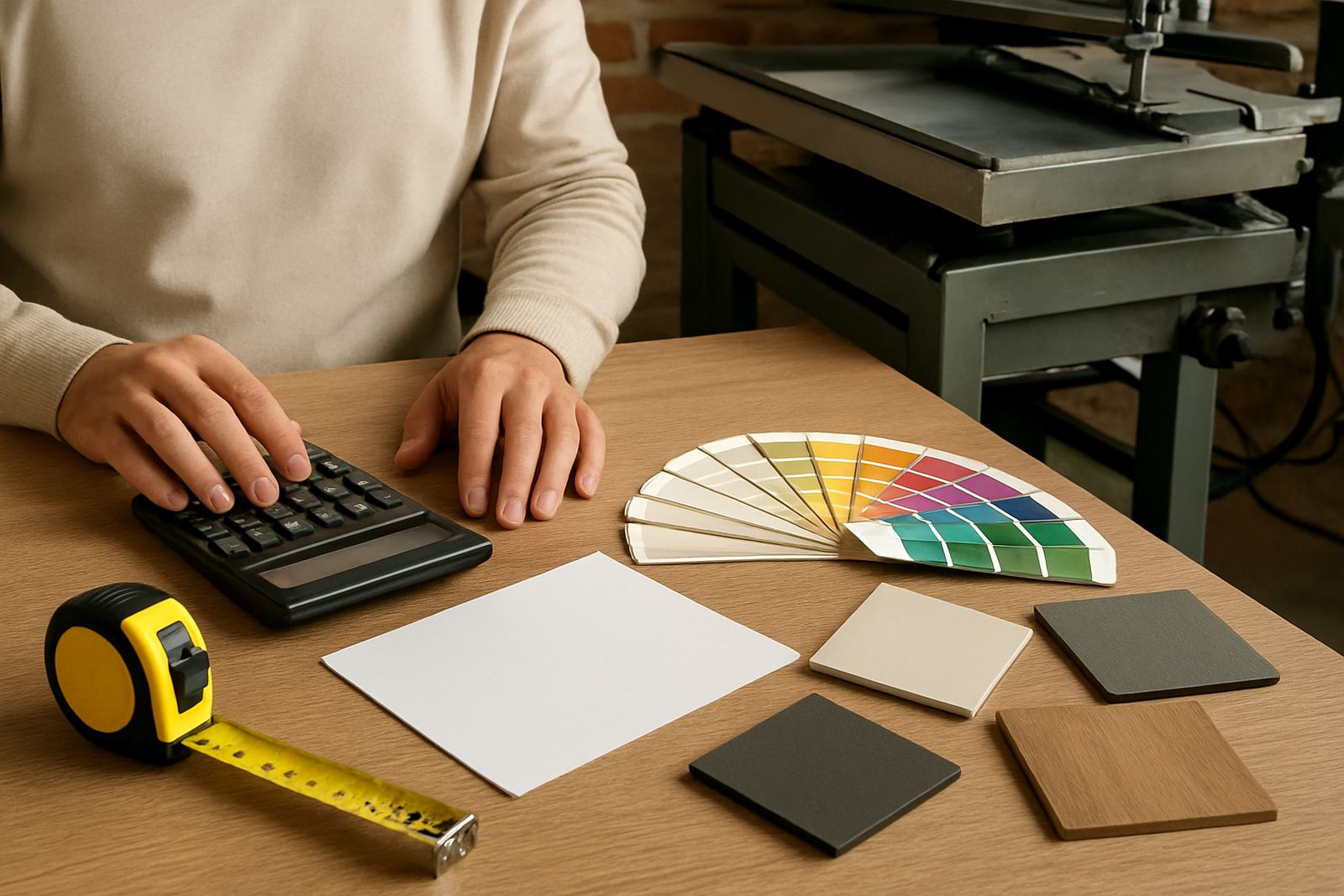
The main cost drivers are size, material, finishing, artwork readiness and installation access. For example, a simple cut vinyl name on a flat panel is quicker to produce than a multi-colour board with raised elements, laminated print and a custom frame. If the site is on a busy road in Germiston or needs work above a shopfront under load-shedding conditions, we must also plan labour and equipment more carefully.
- Board size and quantity
- Material type, such as PVC, ACM, perspex or steel
- Print method, vinyl cutting or silkscreen printing
- Finishing, lamination, edging and mounting
- Installation height, access and safety needs
Material choice changes the final price
Material is one of the biggest pricing factors. A temporary site board for a property development in Boksburg North will usually cost less than a long-life sign for an exposed corner site in Benoni or Edenvale. Coastal humidity is not the issue here, but dust, sun and stormy summer weather still matter. If a board is going outdoors for years, it needs better substrate and fixing.
Different materials also suit different jobs. We often guide clients toward the most sensible option for the lifespan they want and the budget they have. A cheaper board can end up costing more if it warps, fades or needs replacing soon after installation.
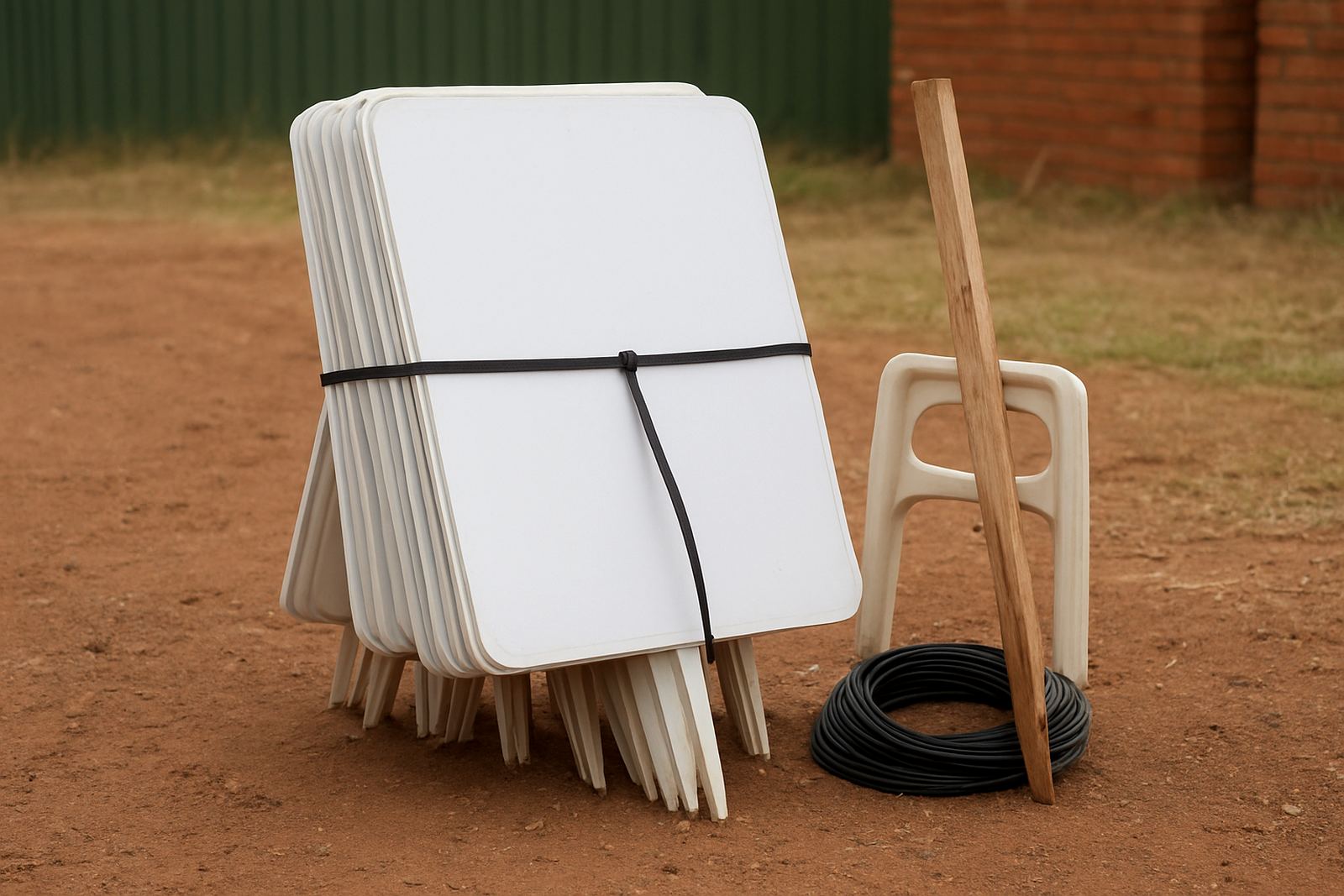
- Foam board and corflute suit short-term or indoor use
- PVC and ACM suit most shopfront and estate boards
- Perspex is useful for name plates and directory signs
- Steel and angle frames suit larger outdoor boards and site hoardings
Artwork readiness can save time and money
If artwork is ready, clean and sized correctly, the job moves faster. If files must be redrawn, amended or rebuilt for print, that adds to the cost. A clean logo, correct spelling and clear layout instructions can save a client money straight away. It also avoids delays when the production team, including Ayesha in design and Johan in production, starts setting the job up.
Artwork problems are common on reprints. We see old scans, low-resolution logos, missing fonts and faded photos. Those issues are fixable, but they take time. The more work we must do before manufacture, the more the quote will shift.
- Supply a logo in vector format if possible
- Confirm wording, telephone details and opening hours before print
- Choose final colours early, especially where matching matters
- Allow extra time for approvals on larger fleet or estate work
Installation access is often the hidden cost
Many clients focus on the board itself and overlook the instalation. Yet fixing a sign to a flat wall is a very different job from installing one above a canopy, across a courtyard or over a road-facing façade. If a site needs ladders, scaffolding, a cherry picker, traffic control or out-of-hours work, those items affect the final figure.
We also factor in whether the site is easy for our team to reach and whether the wall or frame is ready for mounting. In places like Kempton Park, Alberton and Midrand, access rules at malls, office parks and gated estates can add time. Sibusiso and the installation team plan for safety, permissions and the right fixings, because a sign that is poorly mounted is a problem for everyone.
- Ground-level installs are generally quicker
- High-level installs may need access equipment
- Busy roads can require traffic awareness or after-hours fitting
- Old walls may need repairs before mounting starts
Printing methods have different pricing layers
Not every sign is manufactured the same way. Some are cut from coloured vinyl, some are printed, and some use silkscreen printing for garments, ribbons or corporate gifts. Each process carries its own setup time, consumables and finishing steps. That is why a simple one-colour name plate is not priced in the same way as a multi-part promotional package.
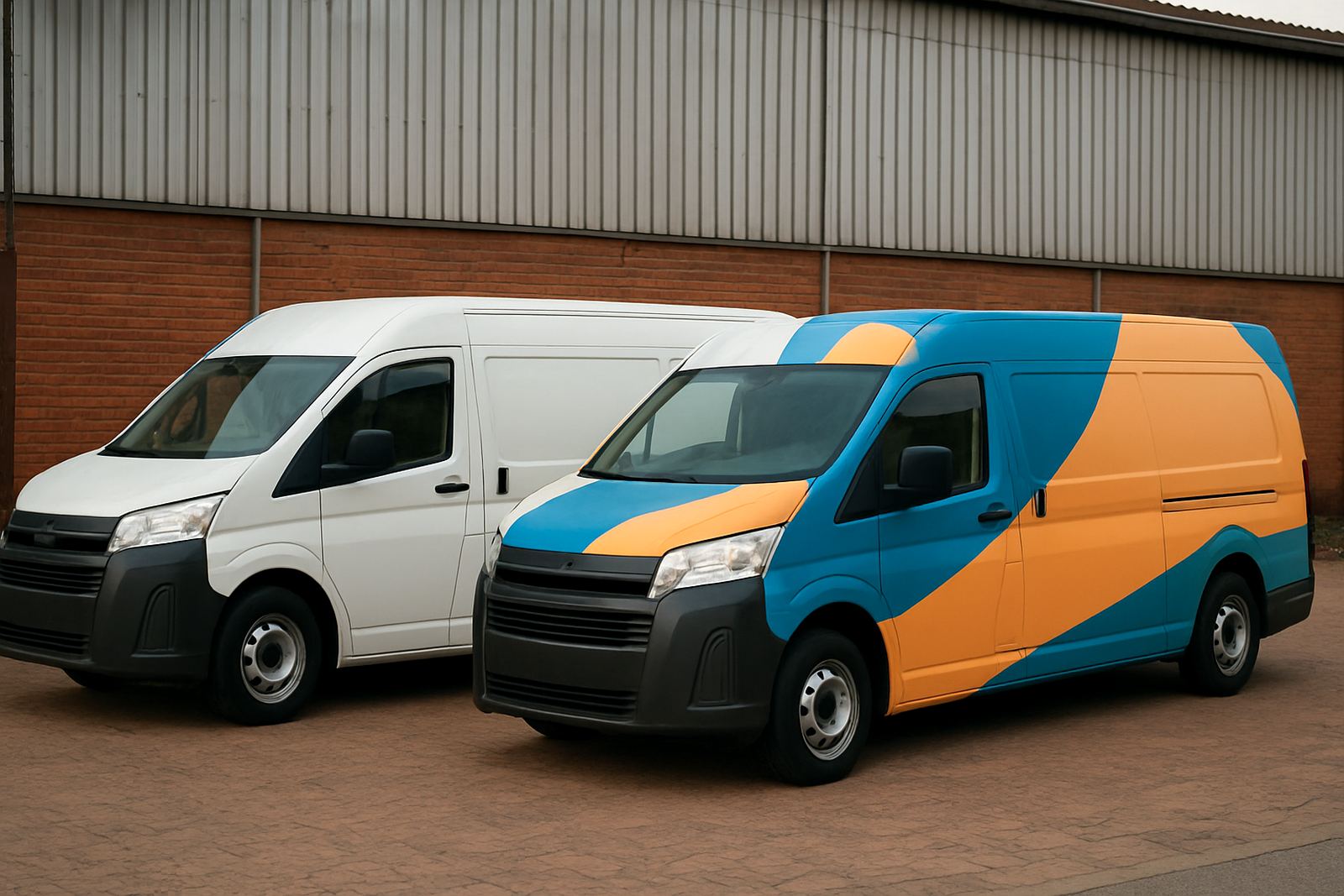
For example, fleet marking on a bakkie in Springs may include clean-up, measurement, print, cut, application and a follow-up visit if panels need rechecking. Silkscreen printing on overalls or T-shirts adds screen setup and colour separations. Larger quantities can lower the unit price, but only after the setup cost is spread across more items.
- Vinyl cutting suits lettering, hours and directional signs
- Printed graphics suit full-colour branding and imagery
- Silkscreen printing suits repeated designs on garments and gifts
- Refurbishment and vinyl removal are priced separately from new work
A local example from Boksburg
Take a small business in Boksburg wanting a front-facing shop sign, one directional board for the parking area and three vehicle magnets. The quote will reflect the shopfront board size, the material chosen, whether the artwork is ready, and if the parking sign needs pole mounting or wall brackets. Add after-hours fitting because the business cannot stop trading during the day, and the total changes again.
Now compare that with an estate agent in Germiston needing several boards, fast turnaround and delivery to more than one branch. Even if the artwork is simple, the project cost rises through quantity handling, coordination and installation planning. Pricing is not guesswork, it is a working estimate based on real time, real materials and real site conditions.
That is why Michael Johannes van der Merwe and the team prefer to see the site or at least get clear measurements before pricing. It helps us keep the quote honest, and it helps the client understand where the Rand is going.
How to get the most accurate quote first time
The easiest way to avoid surprises is to give full information from the start. If you are in Boksburg, Benoni, Germiston, Kempton Park or nearby, send the measurements, a photo of the wall or vehicle, the wording you need and the kind of finish you want. If you need maintenance visits, delivery or refurbishment, say so in the first enquiry. That way we can price the whole job instead of piecing it together later.
A clear brief also helps if your sign needs to meet municipal rules, estate guidelines or landlord approvals. A plain board with correct dimensions may be approved quickly, while a larger roadside sign may need more detail. The more information we have at the start, the better we can match budget to purpose.
- Measure the space carefully
- Take photos from a few angles
- List the exact wording and logo use
- Say whether installation, delivery or removal is needed
For a practical price, think in terms of use, life span and site conditions. A sign is not just a board, it is a working item that has to survive weather, traffic and daily business use. Get those details right and the quote makes sense from the beginning.