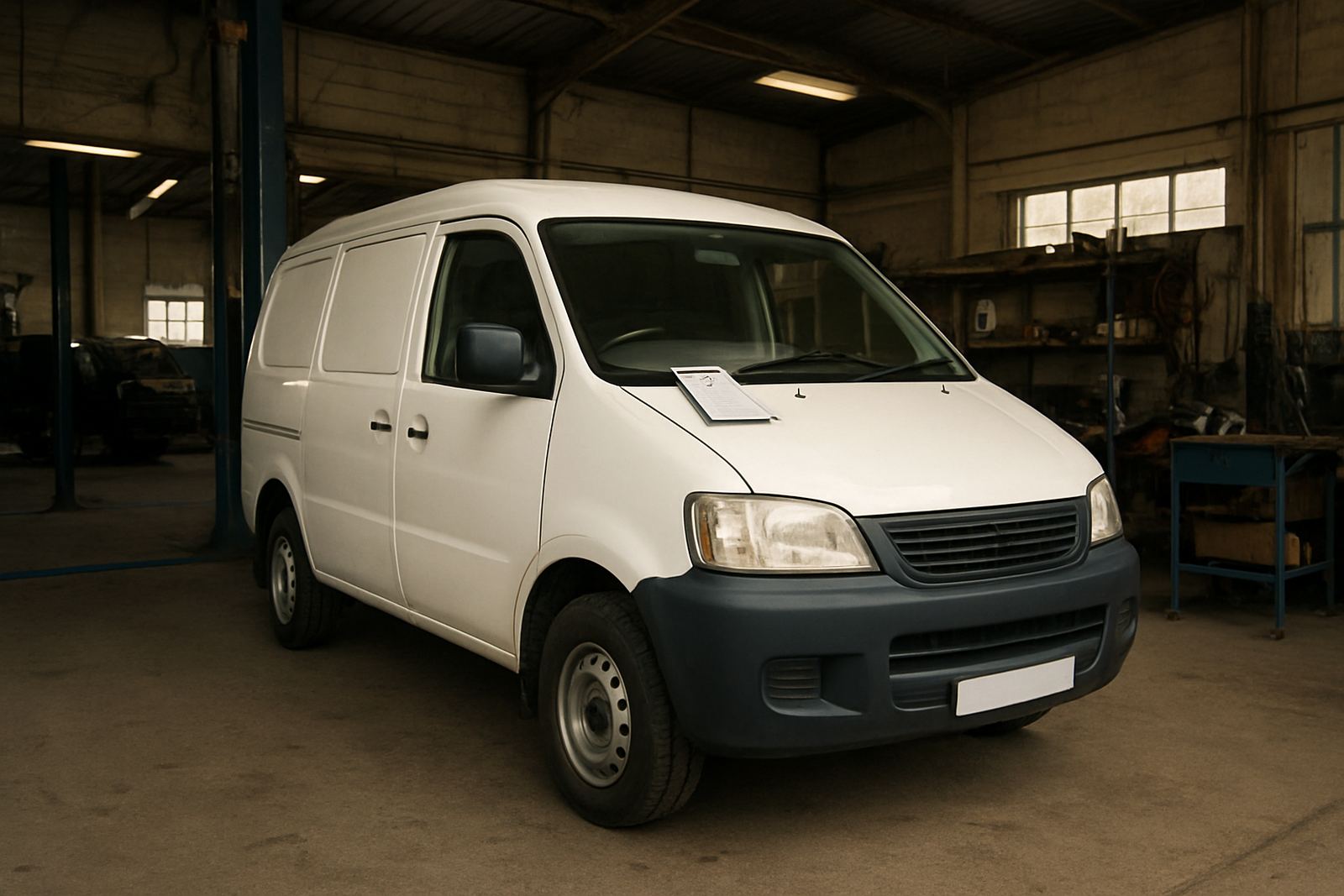
Why fitment timing matters for working vehicles
For many businesses, a vehicle is not just transport. It is a sales tool, a delivery unit and sometimes the only way a technician gets to site. If that vehicle sits in the workshop for too long, the cost is not only the graphics job itself but the lost time on the road. That is why fitment windows need to be planned around the actual way the vehicle is used, not just when it is available.
At Executive Screen Printers in Boksburg, we see this often with fleets that run between Ekurhuleni, central Johannesburg and the wider East Rand. A one-day stop on a courier van or service bakkie can affect several appointments. Michael Johannes van der Merwe and the team usually start by looking at the vehicle's route, daily mileage and whether it can be spared overnight or only for a few hours. That simple step keeps the job realistic from the start.
Build the graphics job around your route and shift pattern
The best fitment plan is one that matches your operation. A sales vehicle that is in the yard after 4 pm can often be fitted after hours. A contractor's bakkie that leaves early from Boksburg for a Kempton Park site may need to be booked in the previous afternoon, with collection the next morning. If you work on shifts, the handover time becomes just as important as the installation time.
Load-shedding also changes the picture. Cutting vinyl and preparing panels is easier when the workshop schedule can absorb power interruptions, but fitment may need to move if there is no safe lighting or if the vehicle needs washing and drying before application. On humid or dusty days, especially near industrial areas and along busy roads, surfaces need more prep time. A rushed install can trap dirt under the film and shorten the life of the graphics.
- Book fitment for the quietest period in your week, not the busiest.
- Allow extra time for cleaning, decontaminating and drying the vehicle panels.
- Plan for weather, heat and wind, especially on open yards and exposed premises.
- Make sure the vehicle comes in with all damage noted before work starts.
What causes delays on the day
Most delays are avoidable. The biggest one is a vehicle arriving dirty, waxed or still carrying road film from a long week of use. Vinyl and printed graphics need a clean surface. If the vehicle has been recently polished, especially with silicone-heavy products, the adhesive may not bond properly. Another common delay is small body damage that was not mentioned earlier. A dent, cracked trim or peeling paint can change how the graphics are fitted and where seams must sit.
It also helps when the client sends the correct vehicle details before booking. A fleet with mixed body styles, canopy sizes or twin cabs may need different panel layouts. If there are three identical looking vans, but one has extra rivet lines or a different rear door shape, the cutter setup and install time will change. Lerato Mokoena and Nokuthula Dlamini often ask for photos from both sides, the rear and a close-up of any problem areas so the workshop can plan properly.
- Bring the vehicle clean and dry, with no fresh polish or wax.
- Share clear photos before the booking, including any damage.
- Remove loose accessories where possible, such as old magnets or fading stickers.
- Confirm whether the vehicle needs simple lettering, full panels or a mixed application.
How to reduce vehicle downtime without cutting corners
The quickest job is not always the best job. Good vehicle graphics need correct measuring, careful positioning and enough time for adhesion to settle. A rushed install may look fine on collection, but edges can lift later if the panels were not prepared correctly. The aim is to shorten downtime without compromising the finish.
One way to do that is to split the job into stages. Artwork setup can be approved before the vehicle arrives. Vinyl can be cut and sorted in advance. If the fleet is large, the work can be phased so that only one or two vehicles are off the road at a time. This approach works well for businesses that rely on daily deliveries or site visits across Germiston, Benoni and Alberton. It keeps the brand visible while the vehicles are still earning their keep.
For sign and graphics teams, maintenance visits and follow-up checks also matter. A small edge repair, a re-pressed corner or a quick replacement panel is far cheaper than a full rework later. Sibusiso Khumalo usually checks installation access as well, because a vehicle parked too close to a wall or under a tree can slow the process down more than people expect.
A practical Boksburg example from fleet work
A local service company based near Boksburg asked for graphics on four bakkies and two panel vans. The vehicles were used every weekday, mostly between workshops, sites and suppliers across Ekurhuleni. Instead of taking all six units in at once, the team booked two vehicles per evening, with collection the next morning. That meant the business kept working while the branding was installed in stages.
The first pair arrived clean but one van had a faded old logo and adhesive residue along the rear panel. That was removed before the new graphics went on. The next pair needed minor trim adjustments because the side mouldings were deeper than expected. Because the schedule had a bit of breathing room, the installation could be done properly without holding up the whole fleet. The result was neater, and the business did not lose a full day of vehicle use.
This is the kind of planning that matters most for working fleets in and around the East Rand. The workshop is busy, so a little planning goes a long way.
How to plan your next fitment window
If you are booking vehicle graphics for a single car or a full fleet, the simplest way to avoid disruption is to decide three things before you confirm the job: when the vehicle can be spared, what state it will arrive in, and who will approve the artwork on the day. That removes last-minute confusion and keeps the fitment moving.
At Executive Screen Printers, the process usually starts with an enquiry through the contact page, followed by a site survey if needed, artwork setup and a clear fitment plan. Depending on the vehicle type and the amount of coverage, the work can include vinyl cutting, sign installation style panel application, vehicle fitment and a check after installation. Delivery service is also available where needed, which helps when a vehicle cannot be left idle for long.
- Choose a slot that matches your route schedule or after-hours availability.
- Approve artwork before the vehicle comes in.
- Keep one backup vehicle if the fleet is tight on capacity.
- Ask for a staged plan if you are branding more than one unit.