Why the finish looks different up close
Painted lettering is made by hand or by stencil, so the edge depends on the surface, the weather and the skill of the applicator. On a smooth board or metal panel it can look very smart, but the finish starts to struggle when there are thin strokes, small logos, shadow lines or repeated words. Vinyl graphics are cut or printed first, then applied to the surface, which gives a more even edge and better repeatability across several boards or vehicles.
For customers comparing the two, the key question is not whether paint is old fashioned. It is whether the job needs crisp detail. If you want fine contact details, arrows, small safety wording or a logo with tight spacing, vinyl usually gives cleaner results. Paint can be the better choice for large block lettering on a simple wall, but once the design gets busy, vinyl tends to hold the shape better.
- Vinyl suits small lettering, logos, arrows and repeated text.
- Paint works well for large, simple wording on stable surfaces.
- On rough plaster or weathered metal, both may need proper surface prep first.
Cost, turnaround and the real difference in labour
Most people think about material cost first, but labour is where the difference shows. Paint often needs masking, priming, drying time and sometimes a second coat. If the job is on a wall in Boksburg or Germiston and the weather changes, the schedule can stretch out. Vinyl generally takes less site time because the lettering is prepared in the workshop and fitted in one visit, or two if the board is large.
For one-off signs, paint can be cost effective when the design is simple and the surface is already in good condition. For a rollout across several branches, or a fleet that needs consistent numbering and branding, vinyl is usually easier to budget because each unit can be matched from the same artwork. That consistency matters when a client wants ten boards for sites in Benoni, Springs and Alberton with no variation in letter size or spacing.
- Paint may need more site time and more drying time.
- Vinyl usually reduces labour, especially on repeat jobs.
- For multiple signs, vinyl often gives better consistency from board to board.
When vinyl wins on maintenance and updates
Signs do not stay unchanged forever. Tenants move, phone numbers change, site names are updated and fleet details get replaced. This is where vinyl has a clear advantage. A name plate or directional sign can be changed without repainting the whole surface, and vehicle lettering can be removed later with far less disruption than a painted panel. If you are managing property, retail units or site access boards, that flexibility saves time and money.
In practice, this matters for businesses that update notices often. Safety wording, opening hours, contractor boards and estate-agent signage all change more often than people expect. With vinyl, a section can be replaced without starting from scratch. Paint is harder to revise neatly, especially when the old wording needs to be covered and matched to the existing background.
- Vinyl is easier to remove or replace when details change.
- Paint is harder to update without redoing the full area.
- For short-term boards or changing tenant details, vinyl is usually the practical choice.
Where painted lettering still makes good sense
There are jobs where paint remains a solid option. Large text on a textured wall, a rustic effect, or a durable colour block on masonry can suit paint well. It can also be useful where a client wants a very specific hand-finished look. If the surface is permanent and the wording will stay the same for years, painted signage can look neat and tidy when done properly.
Even so, the surface must be right. Old plaster, cracked paint, uneven corrugated sheeting and dusty cement all create problems. In the East Rand, sun and dust can age a painted sign quickly if the prep is poor. On exterior jobs we often look at the wall condition, the exposure to rain and afternoon sun, and whether the site sits near traffic that throws dust back onto the surface. A good result starts with the right substrate and proper preparation, otherwise the sign will show faults early.
- Paint can suit large wall lettering and simple wording.
- It is best on permanent surfaces that are properly prepared.
- It may not be the best choice where the wording changes often.
Local conditions in Boksburg and Gauteng matter
In Boksburg, Benoni and the rest of Ekurhuleni, signs have to cope with strong sun, summer storms, dust from roads and the stop-start wear that comes from local traffic. On a site board near a construction area, paint can chip if the surface takes a knock. On a fleet vehicle, painted markings are not common because repairs and panel work later can be difficult to match. Vinyl gives more flexibility when a bakkie is re-registered, sold or moved into a different division.
We also look at practical issues like load-shedding, installation access and municipal rules for size, placement and visibility. A sign that sits correctly on the first day is easier to maintain later. For example, a business in Kempton Park may need a board that reads clearly from the road at 30 to 40 metres, while a factory in Germiston may need safety notices that remain legible inside a shaded loading area. The method should match the job, not just the budget.
- Vehicle branding usually favours vinyl for repair and replacement.
- Road-facing signs need strong contrast and readable text at distance.
- Site conditions, sun and dust all affect long-term appearance.
A practical example from a mixed-site job
One of the common calls we get is from a business with more than one need at the same time. For example, a small contractor in Boksburg may need a wall sign, safety notices, branded overalls and fleet markings for two vehicles. In that case, the clearest route is often a mix of methods. The large wall logo can be vinyl for sharp edges, the safety wording can be cut and applied quickly, and the clothing can be silkscreen printed for durability and repeat supply. Trying to paint every item would take longer and make future changes harder.
A mixed approach also helps when the first version must go up quickly and the final layout may still change. A vinyl sign can be adjusted before fitment if the wording changes, while paint would need more rework. That matters for businesses growing across Midrand, Edenvale and Springs, where a branch might open sooner than planned and the sign order has to move with it.
- Use vinyl for the parts that need precision and quick changes.
- Use paint only where the surface and design really suit it.
- Mixing methods can keep the job neat and the budget under control.
How to decide before you place the order
The easiest way to choose is to ask three questions. First, how often will the wording change? Second, how fine is the detail? Third, what is the surface doing over time? If the answer points to frequent updates, tight lettering or a vehicle, vinyl is usually the sensible option. If the answer points to a single large wall sign with simple wording, paint may still be worth considering.
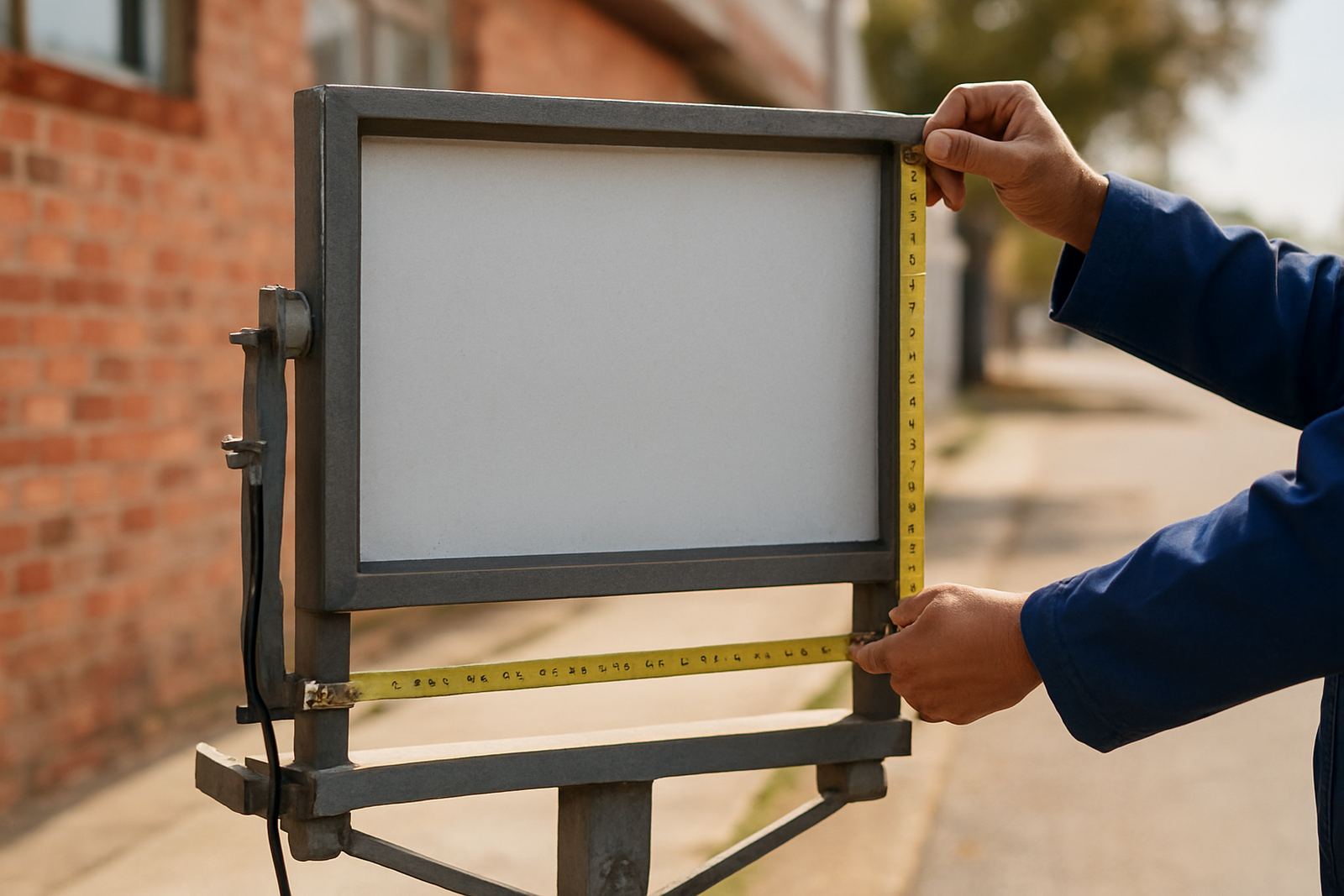
At Executive Screen Printers in Boksburg, we look at the site, the material and the intended use before we recommend a method. That includes site surveys, artwork setup, manufacture, installation, maintenance visits and vinyl removal when needed. The right choice is the one that fits the sign's purpose, the local conditions and how long you want it to stay neat without extra work.