Why Gauteng weather shortens sign life
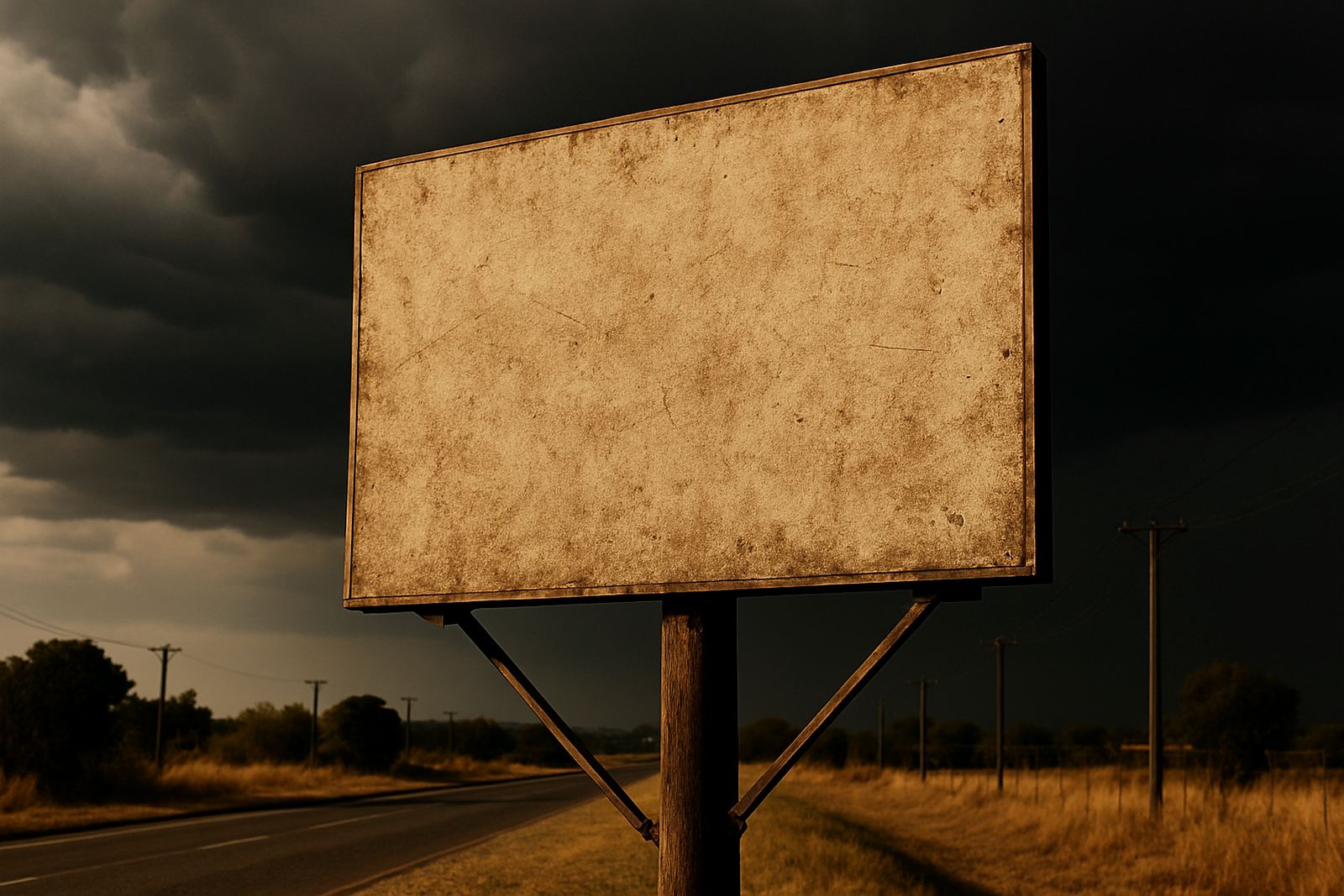
Outdoor signage does not fail in one big moment. It slowly fades, curls, chalks, rusts or loosens as the weather works on it day after day. In Boksburg and the wider Ekurhuleni area, signs deal with strong summer sun, sudden rain, dust, winter dryness and the odd storm that comes through with hard gusts. A sign near a busy road can look tired long before its wording has worn out.
Sunlight is usually the main culprit. UV light breaks down inks, plastics and protective coatings, which is why bright colours fade first and dark colours can start looking flat or patchy. Heat also expands some materials during the day and contracts them at night, so poor fixings or thin boards may start to warp or crack over time.
Rain is not only about wet surfaces. Water gets into tiny holes, edges and joins, then sits there and slowly lifts vinyl, stains boards or rusts fittings. Wind adds movement, which is what turns a small problem into a loose panel, a flapping corner or a sign that starts making noise every time the weather changes. On exposed sites, that movement can become a safety issue if the board is not mounted properly.
What sun, rain and wind do to common sign materials
Different materials cope differently with weather, and the choice matters more than many people think. A sign for an office park in Midrand may need a very different build from a site board in Springs or a fleet marking that spends all day on the road. If you pick the wrong material, the sign can age badly even if the artwork is neat.
- Vinyl lettering and graphics: Good for clean, sharp branding, but the adhesive and face film need proper preparation and sealing. On hot panels or oily surfaces, vinyl can lift at the edges if the substrate was not cleaned and primed correctly.
- ACM and similar board types: These hold up well in many outdoor settings, but the edges, fixings and joins need attention. Water entry at the edge is where trouble often starts.
- PVC foam board: Useful for shorter term work or sheltered areas, but prolonged heat and direct sun can cause bowing and surface wear.
- Steel and metal signs: Strong and practical, but if the coating is damaged, rust can appear quickly, especially in wetter or more humid conditions.
- Printed fabric and event items: These look good for displays and promotions, but they need to be stored dry and checked after heavy use, because moisture and UV can both shorten their life.
Coastal humidity is a different story, but even inland sites around Gauteng can trap moisture under sign faces, around poles or behind mounted boards. That is why good edge sealing and correct installation matter as much as the printed face itself.
A Boksburg site example: what happens after one storm season
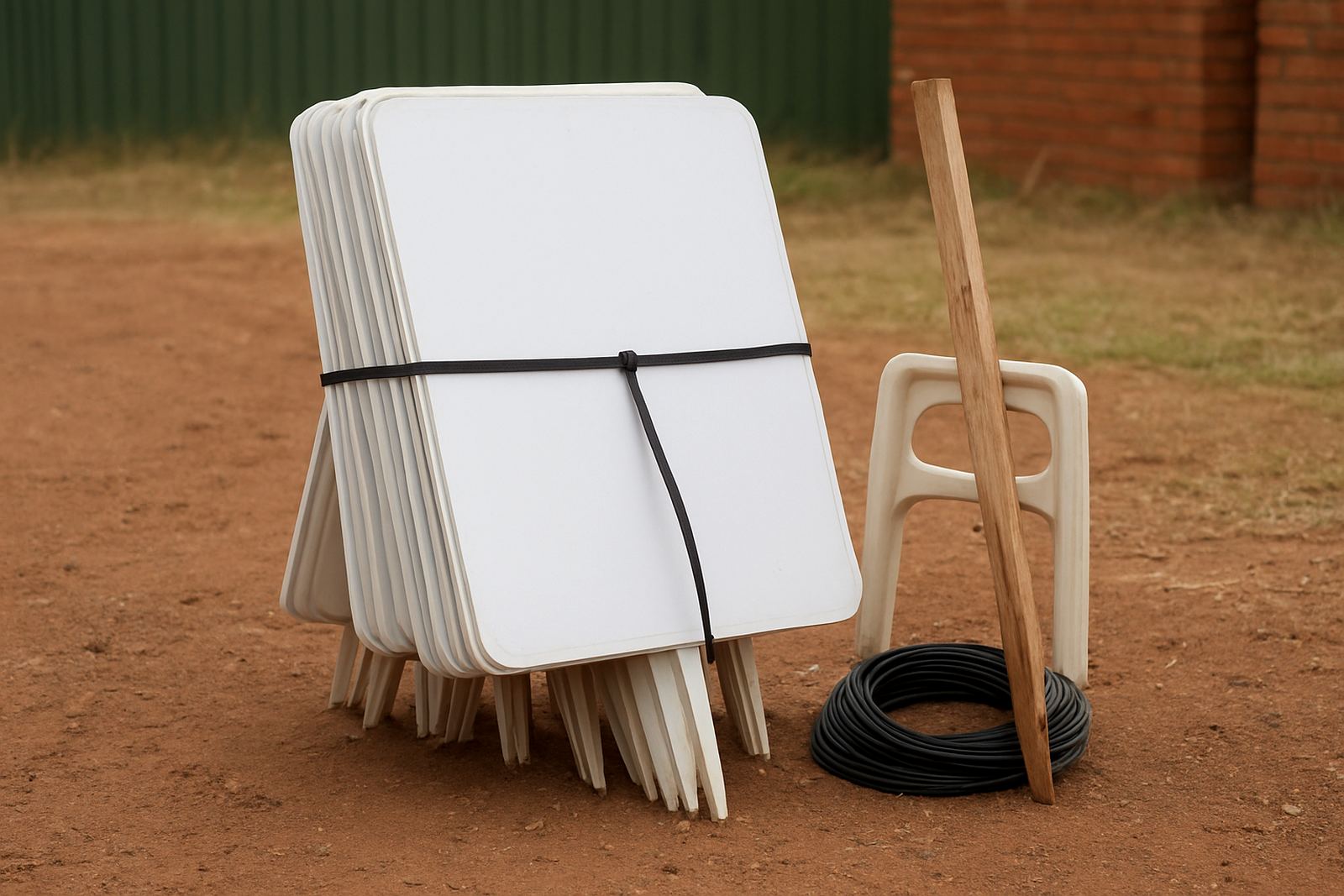
Take a typical business yard in Boksburg East, where a board faces the road and the afternoon sun. In summer the board gets hard UV exposure, then a thunderstorm comes through and drives rain into the open edges. The next day the wind shakes the panel again. After a few months, a cheap board may start to bow, the colour on the sunny side may fade unevenly, and the first sign of water entry shows as staining or lifted corners.
We often see the same pattern on estate boards and site boards in exposed positions. The message is still readable, but the sign already looks older than it should. That is not only an appearance issue. A faded board can make a business look unmanaged, and a loose sign can create a risk for staff, visitors and passing vehicles. Michael Johannes van der Merwe and the team see this often when clients ask for maintenance visits or a refurbishment after months of weather damage.
The fix is not always a full replacement. Sometimes a proper clean, re-application of vinyl, fresh mounting hardware or a new board face is enough. The key is to act before the structure starts failing. Once rust, delamination or cracking spreads, repairs become less cost effective.
How to make outdoor signs last longer
There are a few practical steps that make a real difference, whether the sign is for a warehouse in Germiston, a retail site in Alberton or a fleet of vehicles working across Gauteng. The aim is simple: reduce exposure, seal weak points and keep the sign easy to read.
- Choose materials suited to the site, not only to the budget.
- Make sure boards are fixed securely and checked after strong winds.
- Use proper edge sealing where water could enter.
- Keep the face clean so grime does not hold moisture or dull the print.
- Position signs where possible to reduce direct afternoon sun and water pooling.
- Inspect fixings, brackets and mounts during routine maintenance visits.
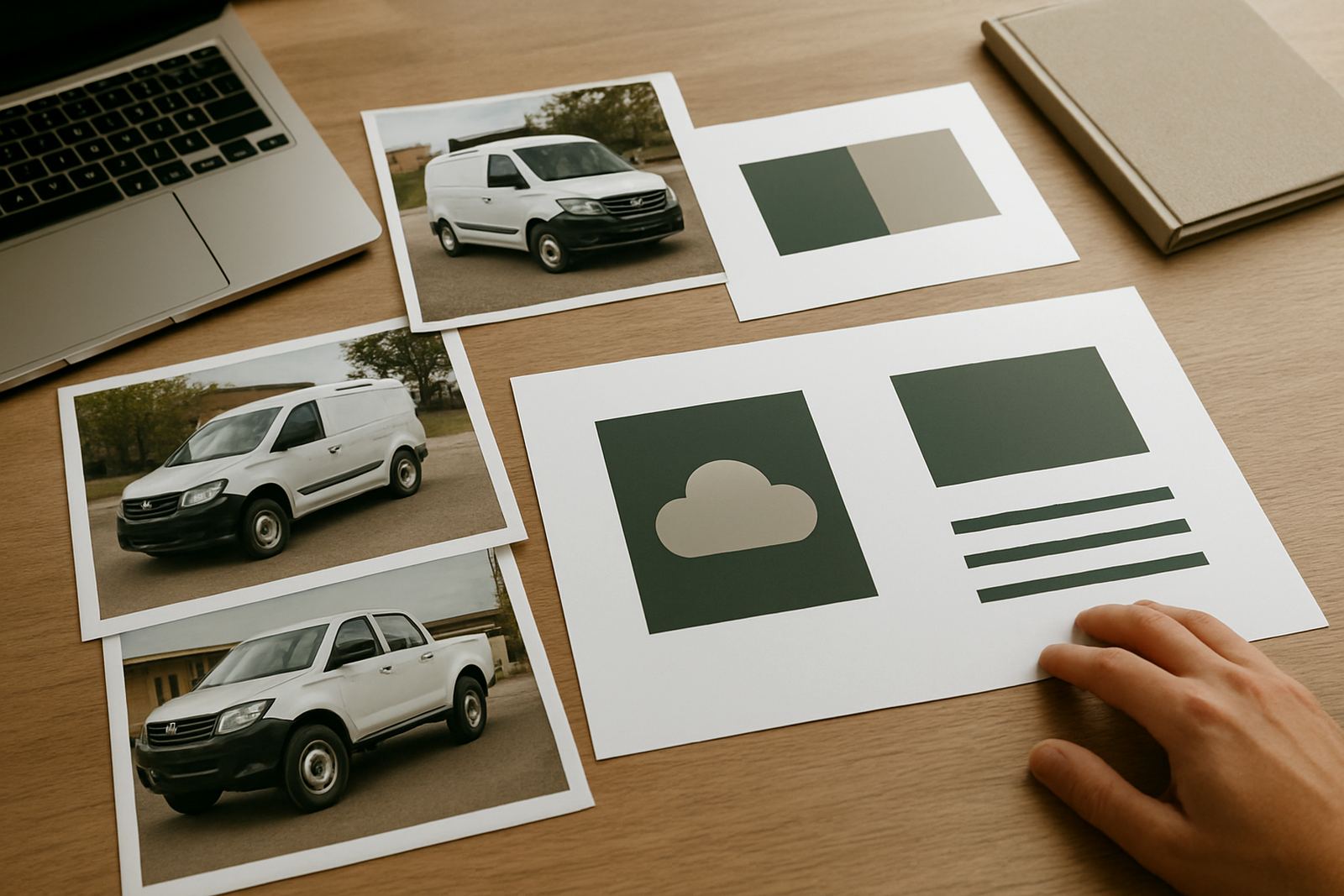
For vehicles, the same rule applies. Fleet markings need careful fitment and proper surface prep, because heat from the sun, road grime and regular washing all work against the adhesive. If the vehicle is used for site work or long distance deliveries, a small edge lift can quickly become a larger peel.
When to repair, refurbish or replace
Not every weathered sign needs to be thrown out. If the board is sound, the message is still correct and the damage is mostly cosmetic, refurbishment may be enough. That can include vinyl removal, fresh print, repainting, replacement of fixings or a new face on the existing frame. This often makes sense for business premises that need to stay presentable without spending more than they need to.
Replacement is usually the better call when the structure has rust, the board has warped badly, or the sign no longer meets current site requirements. Municipal rules, estate guidelines and access control standards can all affect what you may put up and where. A sign that was fine five years ago may no longer suit the property or the layout.
As a practical guide, ask three questions before deciding:
- Is the wording still clear from the distance it was meant for?
- Has the weather damaged the structure or only the printed face?
- Will a repair give you another proper service life, or just a short delay?
Getting weather-ready signage across Ekurhuleni
Good signage planning starts before manufacture. A site survey shows where the sun hits hardest, where wind funnels through, and whether the board will face standing water, dust or vehicle spray. That helps with material choice, mounting method and position. It also helps avoid the usual mistakes, like placing a sign where trees drip on it all day or where a wall creates an unexpected wind pocket.
Executive Screen Printers works from Boksburg and handles signs across Ekurhuleni and greater Gauteng, including Benoni, Germiston, Kempton Park, Alberton, Springs, Edenvale and Midrand. That local experience matters because a sign in one part of town may face very different conditions from another. A board under shade cloth at one site may last well, while a roadside sign a few kilometres away may need more frequent checks.
Weather is not the only thing that ages a sign, but it is the part you cannot control. What you can control is the material, the mounting, the finish and the upkeep. If those are right from the start, the sign keeps doing its job for longer and it stays presentable through sun, rain and wind.