Why temporary boards need a different approach
Temporary signage is not just a cheaper version of a permanent board. It has a different job. A board for a property launch, road closure, school event or short-term promotion must be quick to produce, easy to fit, and simple to remove when the job is done. In Boksburg and across Ekurhuleni, that matters because many sites are exposed to strong sun, sudden rain and busy roadside conditions.
The material choice should match the time on site. A two-week event at a retail centre does not need the same build as a construction notice that must stay up through a few months of wind and dust. If the board is too heavy or too rigid, it becomes harder to mount and more costly to shift. If it is too thin, it starts curling, cracking or looking tired before the campaign is finished.
At Executive Screen Printers, we look at where the board will be used, who needs to see it, and how often it will move. That keeps the job practical from the start, not just neat on paper.
Lightweight board materials that still hold their shape
For short-run work, a few materials come up often because they balance cost, weight and finish. The best choice depends on whether the board will be hung, tied, mounted to a frame, or fixed to a wall. In some cases, a simple printed panel is enough. In others, the board needs a backing or added edging to keep it straight.
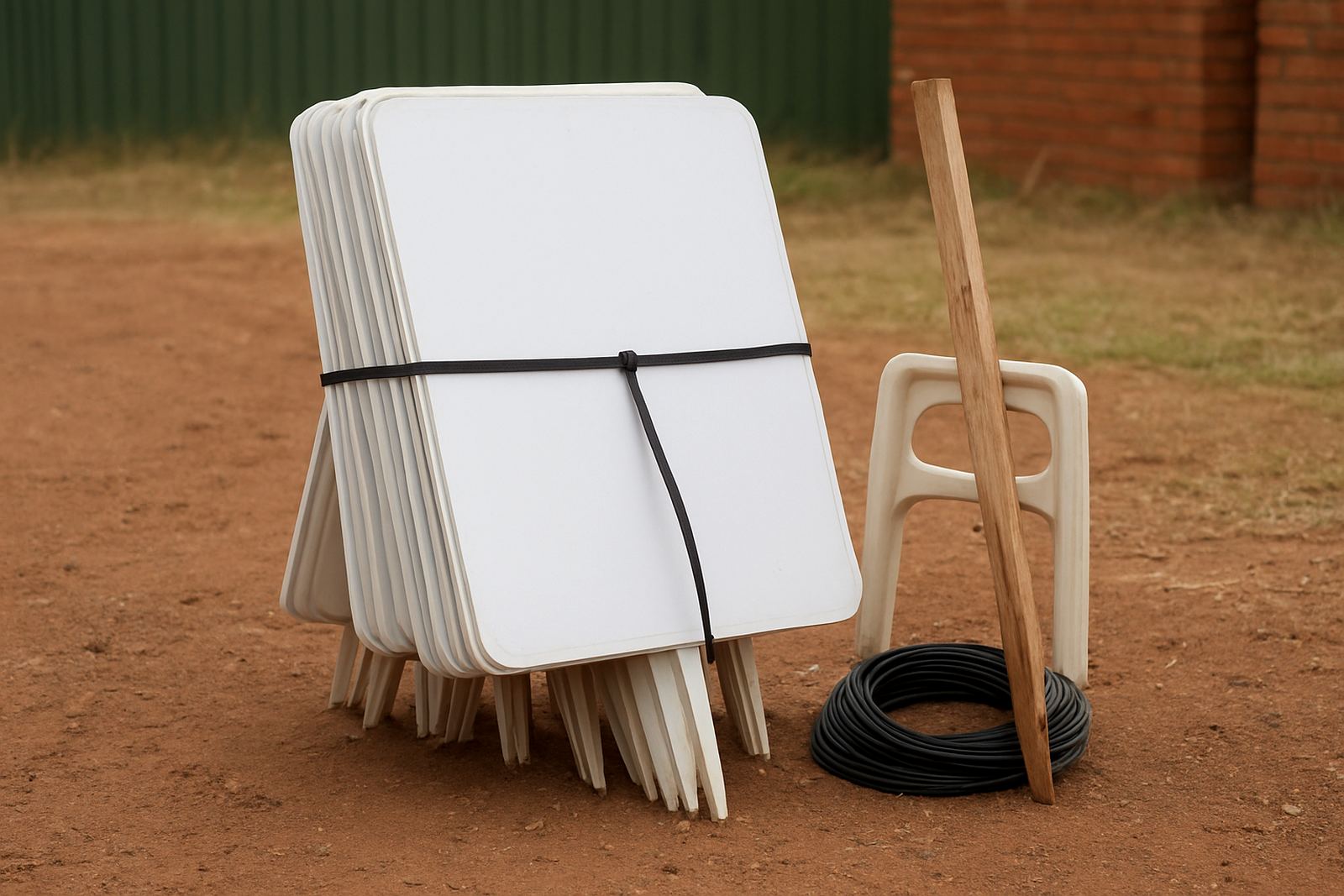
- Corflute-style fluted board: Useful for election signs, estate-agent boards, directional signs and brief promotions. It is light, easy to move and works well for short periods.
- Foam PVC board: Better for indoor use, events, exhibitions and clean wall mounts. It gives a neater finish but needs more care in heat and direct weather.
- Thin aluminium composite: Suited to temporary signs that still need a firmer feel, especially where the board must last a little longer.
- Vinyl on existing panels: Handy when a sign frame or board already exists. This can be a cost-effective choice for a quick campaign change.
We often suggest the material after seeing the site, because a board that works in a shaded foyer may behave very differently in full afternoon sun outside a warehouse gate.
What works best for events, launches and short campaigns
Temporary boards often need to answer a very specific need. A trade show in Midrand, a church event in Germiston, or a weekend sale in Benoni may all need signs that are clear from a distance and simple to take down afterwards. The message should be direct and the layout should be large enough to read while moving past, especially from a vehicle.
For short campaigns, we normally keep the wording tight and the branding clear. Too much text makes a board hard to read, which defeats the point. A strong headline, a direction, a date or contact point, and the right colour contrast usually does the job. If the board will be viewed at speed, such as along a main road in Boksburg or on a busy corner in Alberton, then fewer words are better.
- Keep the message short and visible from 10 to 20 metres where possible.
- Use bold lettering and simple colour contrast for fast reading.
- Choose mounting points before printing so the board size fits the frame or wall.
- Allow for wind load if the board will stand outdoors, especially on open sites.
Short-run signs are often tied to a deadline, so production timing matters as much as the board choice. When the start date is fixed, the sign must be ready and fitted on time, otherwise the whole event feels underprepared.
Site signs, safety notices and municipal basics
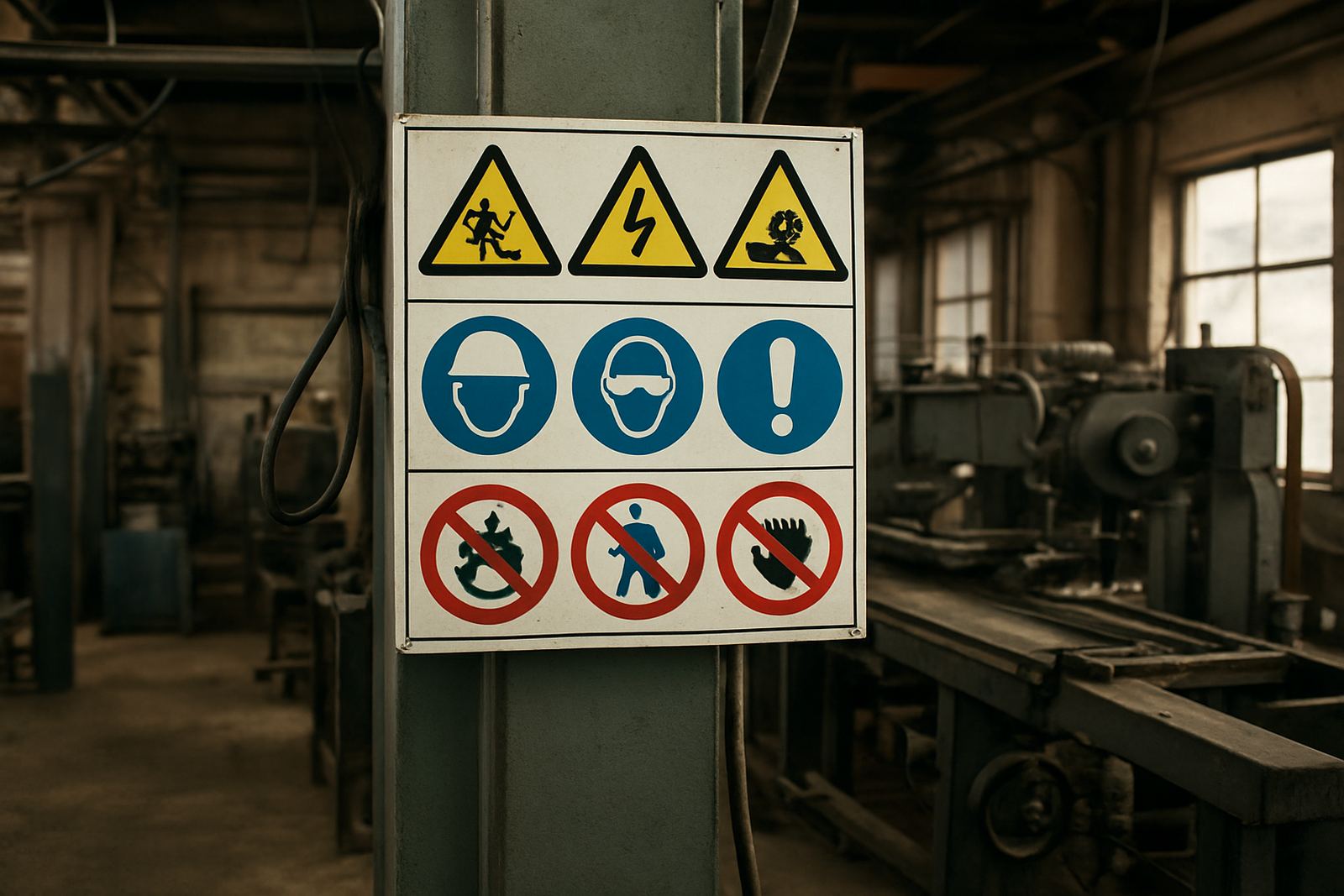
On building sites, temporary boards are not just for branding. They may need to carry safety instructions, access rules, PPE reminders or contractor details. In some areas, the sign must also be placed so it does not block sight lines, walkways or entrances. That is especially important where local municipal rules or site regulations apply.
A temporary board for a site in Ekurhuleni should be durable enough to stay legible in dust, glare and rain. Reflective elements can help where the sign is viewed early morning or at dusk. For safety signs, clarity is more important than decorative detail. The wording must be easy to understand at a glance, and the board should be mounted securely so it does not flap loose or become a hazard.
We also advise clients to think about removal before installation. If a board will be taken down after a few weeks, the fixing method should allow clean removal without damaging the wall, fence or gate. That saves time later and keeps the site tidy.
Fleet boards, estate boards and vinyl removal after the job
Temporary signage often includes more than standalone boards. Fleet markings for short campaigns, estate-agent boards for show days, and site direction signs all rely on similar practical thinking. The artwork must be readable, the fixing must be secure, and the finish should still look smart after being handled a few times.
When the campaign ends, clean removal matters. Adhesive vinyl should come off without tearing paint or leaving too much residue. Boards that were mounted for a short run should be inspected before being stored or reused. If a board is worth keeping, it should be cleaned, wrapped and put away flat so it can be used again on the next job.
- Plan for removal during the original brief, not after the sign is already up.
- Use fixings that suit the surface, whether steel, timber, brick or mesh fencing.
- Store reusable boards flat and dry to prevent warping.
- Schedule maintenance visits if the board must remain up for a longer run.
That is often the difference between a sign that gets a second life and one that ends up scratched, bent or dumped.
A practical Boksburg example for short-run boards
Imagine a contractor in Boksburg taking on a six-week fit-out at a light industrial unit near the airport side of town. They need a temporary board at the entrance, a few safety notices at the gate, and directional signs for delivery vehicles. The site gets morning traffic, afternoon heat and some wind off the open yard. A heavy board would be awkward, while a flimsy one would start looking rough before the job is half done.
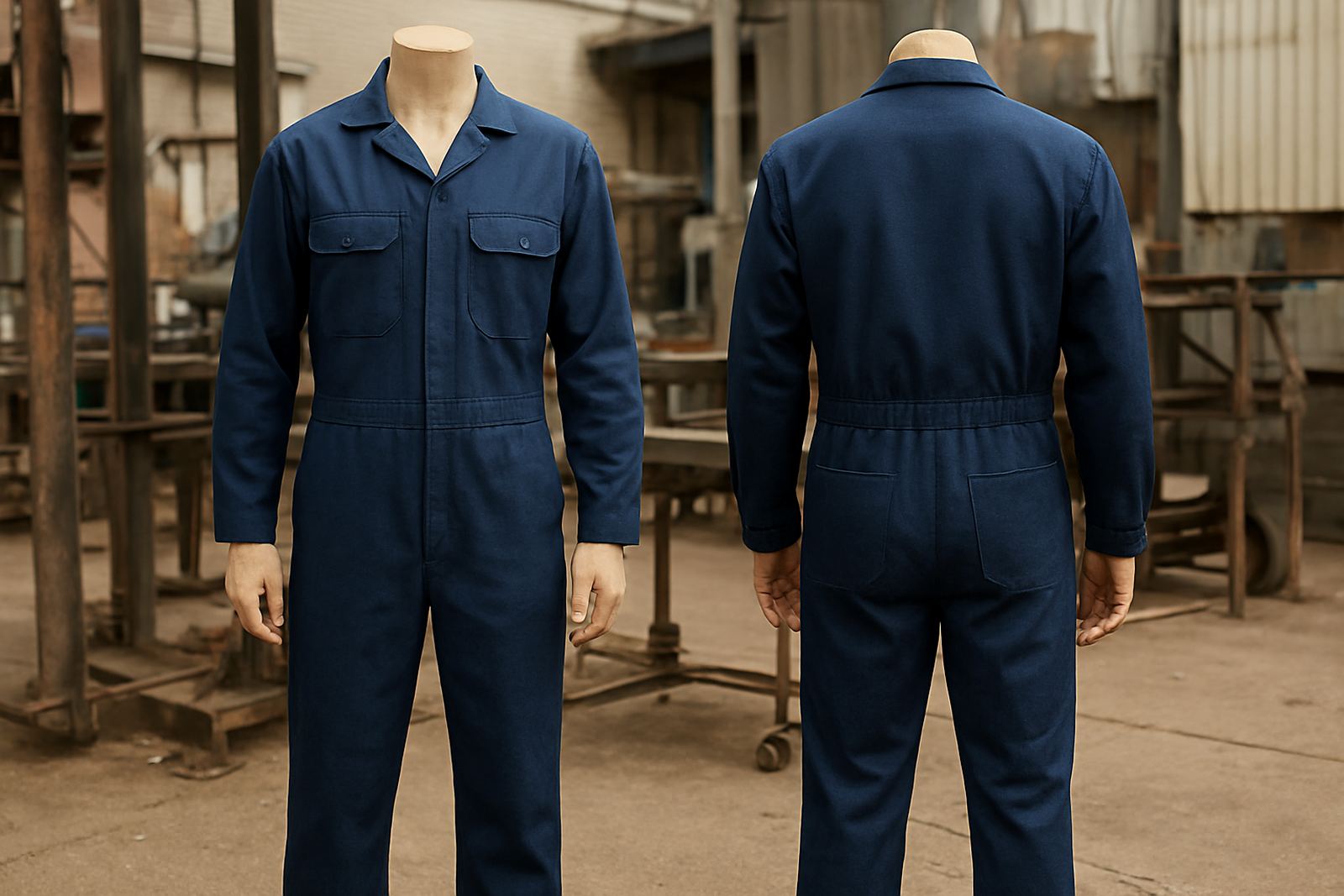
In that case, a lighter board with clear graphics and secure mounting is usually the sensible choice. If the same client also needs branded overalls for the crew, or a few event signs for the handover day, we can keep the artwork consistent across the job. The point is not to over-spec the board, but to make sure it lasts long enough for the purpose. That keeps costs in check and avoids last-minute scrambling.
For temporary boards across Boksburg, Benoni, Germiston, Kempton Park, Edenvale, Alberton, Springs and Midrand, we handle site surveys, artwork setup, manufacture, delivery and installation from our East Rand base. Clients contact us through the enquiry form on our contact page, and we work through the detail before the first board is cut.
How to choose the right temporary board without wasting money
The smartest way to choose is to work from the job, not the material. Start with how long the board must last, where it will be fixed, who needs to read it and whether it must come off without damage. Then match the board to the task. That is usually more cost-effective than ordering a one-size-fits-all option that is too heavy for one job and too light for the next.
For short-run signage, good planning saves money in three ways: less waste, fewer reprints and less time spent on installation and removal. If the board is right the first time, it looks better, stays legible and does its job without fuss.
That is the standard we work to at Executive Screen Printers, where temporary boards are treated as working tools, not throwaway items. When the sign has a clear purpose, the choice becomes much easier.