What directional signs do on a busy site
Directional signs are there to take the guesswork out of movement on larger properties. They point people to reception, loading areas, security gates, parking, receiving, dispatch, toilets, fire exits and internal roads. On industrial sites in Boksburg, Germiston, Benoni and Kempton Park, good direction signage helps cut down on missed turns, delivery delays and people walking around the wrong block.
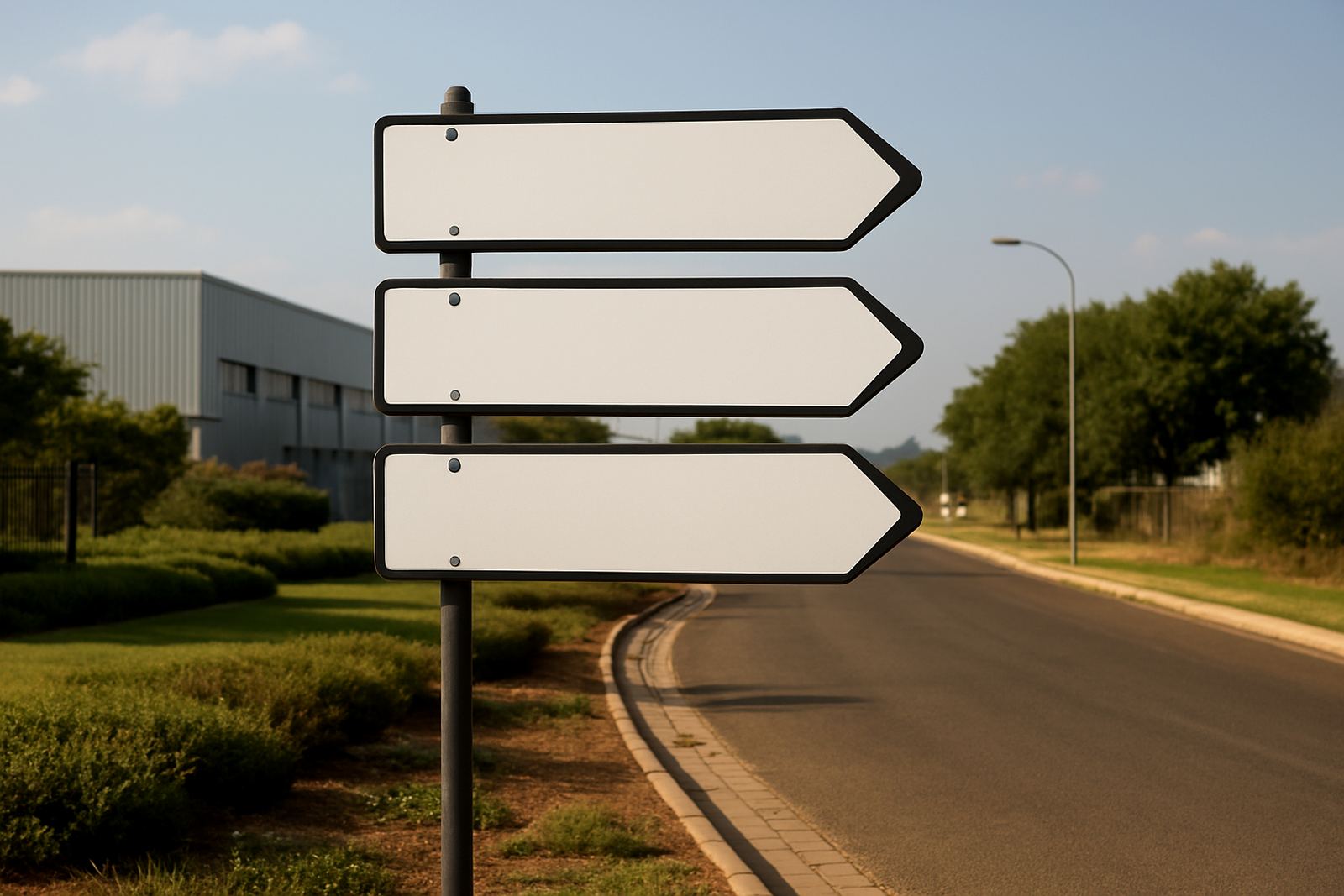
We make directional signs for indoor and outdoor use, from simple arrow boards to multi-panel signs with unit numbers, street names or section names. They can be fixed to walls, poles, fences, gates or free-standing posts depending on the site layout. For estates and business parks, we can group several directions on one board so the sign is easy to read from a moving vehicle and still tidy enough for the front entrance.
As a rule, the sign must be clear before someone gets to it. That means strong contrast, simple wording and a size that suits the viewing distance. For example, a pedestrian sign at a doorway can be smaller, while a vehicle sign for a long driveway or yard needs larger letters and arrows that stay legible in daylight, rain and early-morning low light.
Common sizes, materials and fixing options
Directional signs are not one-size-fits-all. We make them to match the site, the mounting surface and the amount of information you need to show. Most signs are produced as flat panels, but we can also make layered boards, folded edge panels and arrow signs with multiple faces. For larger premises, directional boards often work best when the main message is kept short and the sub-directions are listed below it.
Typical options include:
- Aluminium composite panels for outdoor use and a neat finish
- Perspex or acrylic faces for internal areas and reception routes
- Powder-coated steel frames for added strength on exposed sites
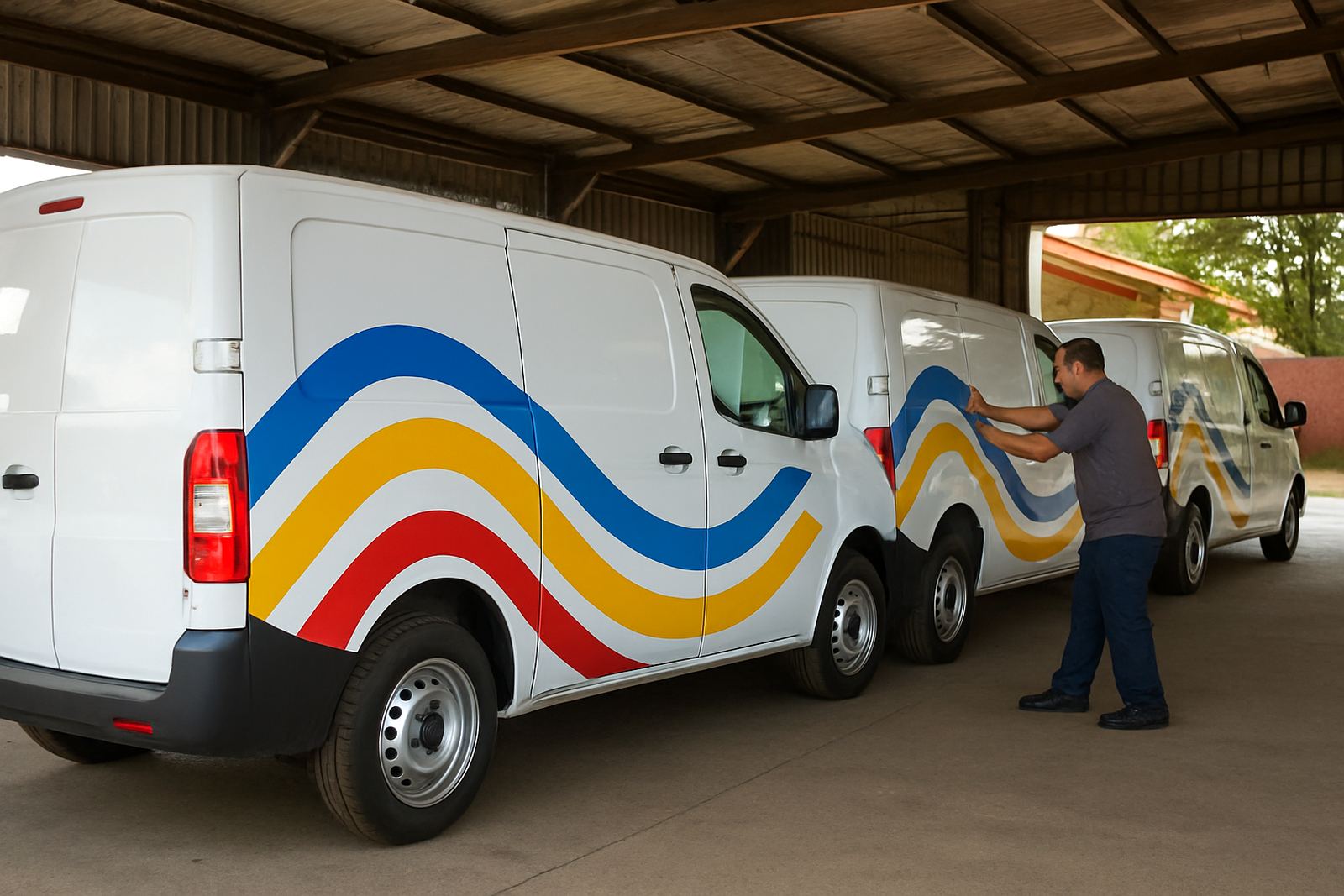
- Vinyl lettering on panels for sharp text and arrows
- Reflective or high-contrast finishes for low-light visibility
- Post and panel mounting for road-side or yard entrances
We normally work in custom sizes, but common panels range from 300 x 450 mm for simple door or corridor directions, up to 1200 x 600 mm or larger for parking areas, gates and roadway directions. If the sign is mounted high up, we allow for bigger text and cleaner spacing. On windy sites or where the board faces weather, we will often recommend a stronger mounting system so the sign does not rattle loose over time.
Where directional signs work best
Directional signs suit almost any site where people need to find a place quickly. We fit them for factories, warehouses, office parks, schools, clinics, churches, retirement estates, body corporates, retail centres and transport yards. They are also useful on temporary sites, construction compounds and event grounds where access changes often and visitors need clear guidance.
For delivery drivers, a well placed arrow board can save a lot of time at the boom, guardhouse or dispatch bay. For visitors, it means fewer wrong turns and less pressure on security staff. For staff, it helps new people settle in faster and keeps movement more orderly around entrances, ablution blocks and parking rows. In a large yard, one sign at the wrong place can create confusion, so we look at the flow of movement before recommending the final positions.
- Vehicle entrances and security gates
- Loading bays and receiving doors
- Parking areas and visitor bays
- Internal roads and junctions
- Reception, offices and after-hours access points
- Fire exits, muster points and service areas
Installation, fixings and site conditions
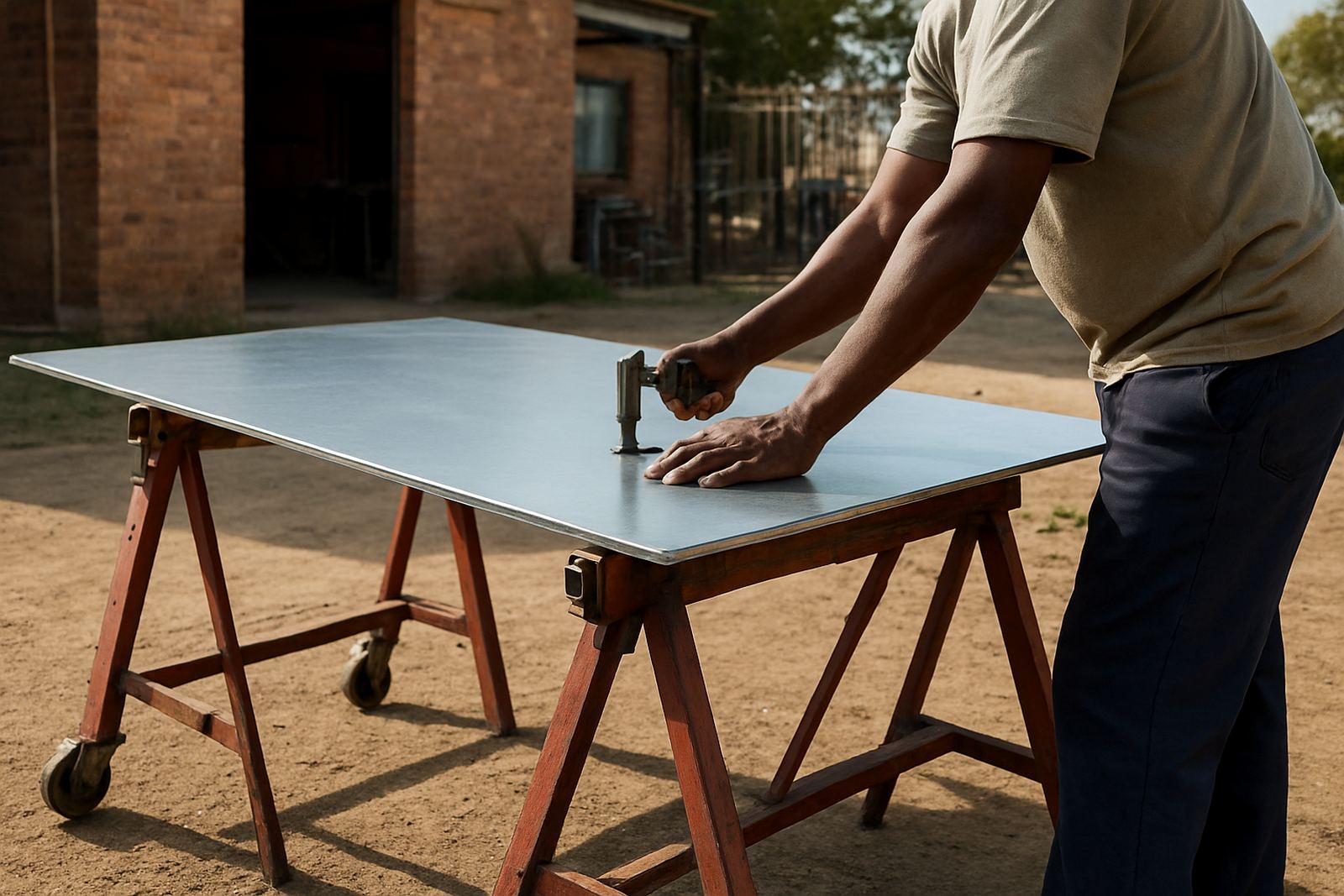
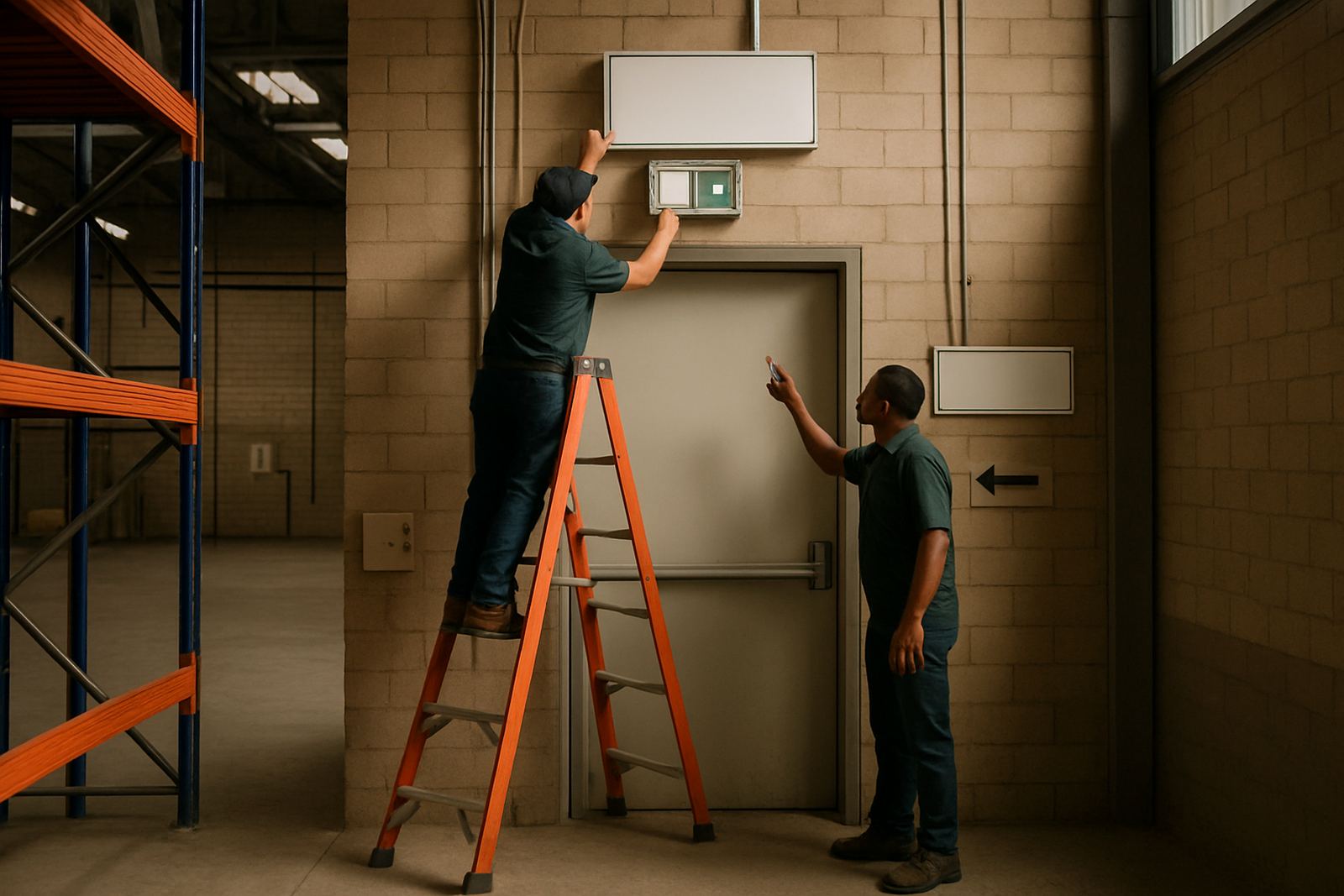
Directional signs need to be installed properly if they are going to stay readable and safe. We handle site surveys, measurements, board fabrication and fitting. Depending on the surface, we use masonry fixings, stand-off brackets, rivets, frame mounts or pole sets. For brick, concrete, steel sheeting or palisade fencing, we choose the fitting method that holds best and looks tidy.
Some sites need extra care because of heat, dust, coastal humidity in Gauteng-adjacent routes, or harsh sun. Metal parts can be treated to reduce corrosion, and panels can be sealed so the edges stay neat. If your site has power nearby, we can discuss illuminated direction signs or backlit panels for night access. Those need proper electrical supply, weather-safe fittings and correct mounting by a qualified installer. Most standard directional boards do not need power or gas, which keeps them simple and cost effective.
We also check visibility from the driver’s seat and from walking height. A sign may look fine on the wall yet still be hidden by a pole, tree, boom arm or parked vehicle. That is why the mounting position matters just as much as the board size.
Artwork, wording and practical ordering checks
Before you order directional signs, it helps to confirm a few basics so the board works first time. The wording should be short, the arrows must be consistent, and the layout must match the route people actually use. If the site has more than one entrance or separate public and staff access, we can help break the information into sensible sections. Keep the wording simple enough that a driver can read it in a few seconds.
Useful checks before we manufacture:
- Exact destination names, building numbers or bay numbers
- Arrow direction for each route, left, right or straight ahead
- Preferred sign size and mounting height
- Indoor or outdoor placement
- Any branding, colour rules or corporate fonts
- Whether the sign must be reflective or visible at night
If you are replacing old boards, we can also remove faded vinyl, repair damaged panels and refresh the wording on existing frames. That is often the simplest option when the structure is still sound but the message is no longer clear. A good directional sign should be easy to read, easy to keep clean and easy to update when the site changes.
Care, maintenance and when to replace a board
Directional signs do not need much day-to-day care, but they do need a quick check now and then. Dust, road grime, bird droppings and sun fade can make a sign harder to read, especially on open sites and near main roads. A light wash with mild soap and water usually keeps the face in good condition. Avoid harsh scourers that can scratch the surface or dull the finish.
It is worth inspecting the fixing points after strong winds, heavy rain or work on the surrounding fence line. If a sign has loosened, tilted or started to rust, it should be repaired before it becomes a hazard. We offer maintenance visits, board refurbishment and vinyl removal when routes or tenant names change. On busy commercial sites, updating the signage before the confusion starts is cheaper than dealing with lost deliveries and frustrated visitors later on, that much is certain.
If your site has changed traffic flow, added a new block or switched the receiving entrance, we can help rework the direction boards so the layout makes sense again. Clear signage saves time every single day.
Key facts
| Product type | Directional signs for indoor and outdoor wayfinding |
|---|---|
| Typical sizes | 300 x 450 mm up to 1200 x 600 mm or custom sizes |
| Materials | Aluminium composite, acrylic, powder-coated steel and printed panels |
| Mounting | Wall mounted, pole mounted, fence mounted or free-standing |
| Finish options | Vinyl lettering, printed graphics, reflective or high-contrast layouts |
| Service area | Boksburg, Ekurhuleni and greater Gauteng |