
Clear identification for offices, rooms and passages
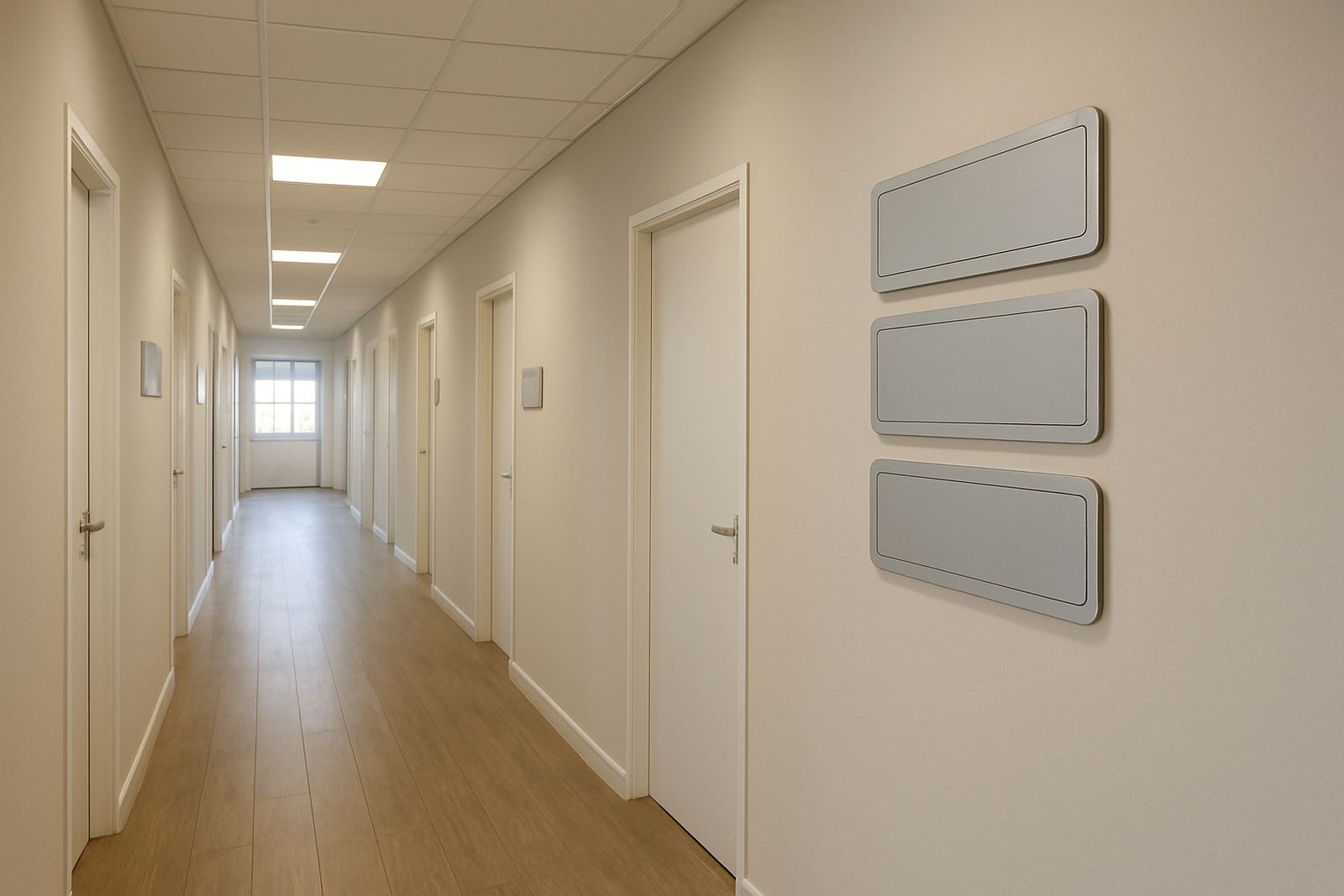
Door name signs are used to identify staff members, departments, meeting rooms, private offices and shared spaces. They keep movement simple in places where people come and go all day, from schools and clinics to factories, medical suites, estate agencies and admin blocks. A neat sign on the door cuts confusion and gives the place a more ordered feel.
Most clients choose these signs for internal wayfinding, but they also work at reception areas, storerooms, washrooms and controlled access doors. In a multi-tenant building, consistent door naming helps visitors and delivery drivers move faster, which matters when the lift is busy or the power is off and everyone is using the stairs.
Materials, sizes and finish options that suit daily use
We make door name signs in a range of practical sizes, usually from 200 x 50 mm for compact labels up to 300 x 100 mm for clearer room identification. If a corridor is wide or the doorway is set back, a larger face can help the sign read properly from a few metres away. For most office interiors, a slim rectangular format is the usual choice, though square and custom shapes are also possible.
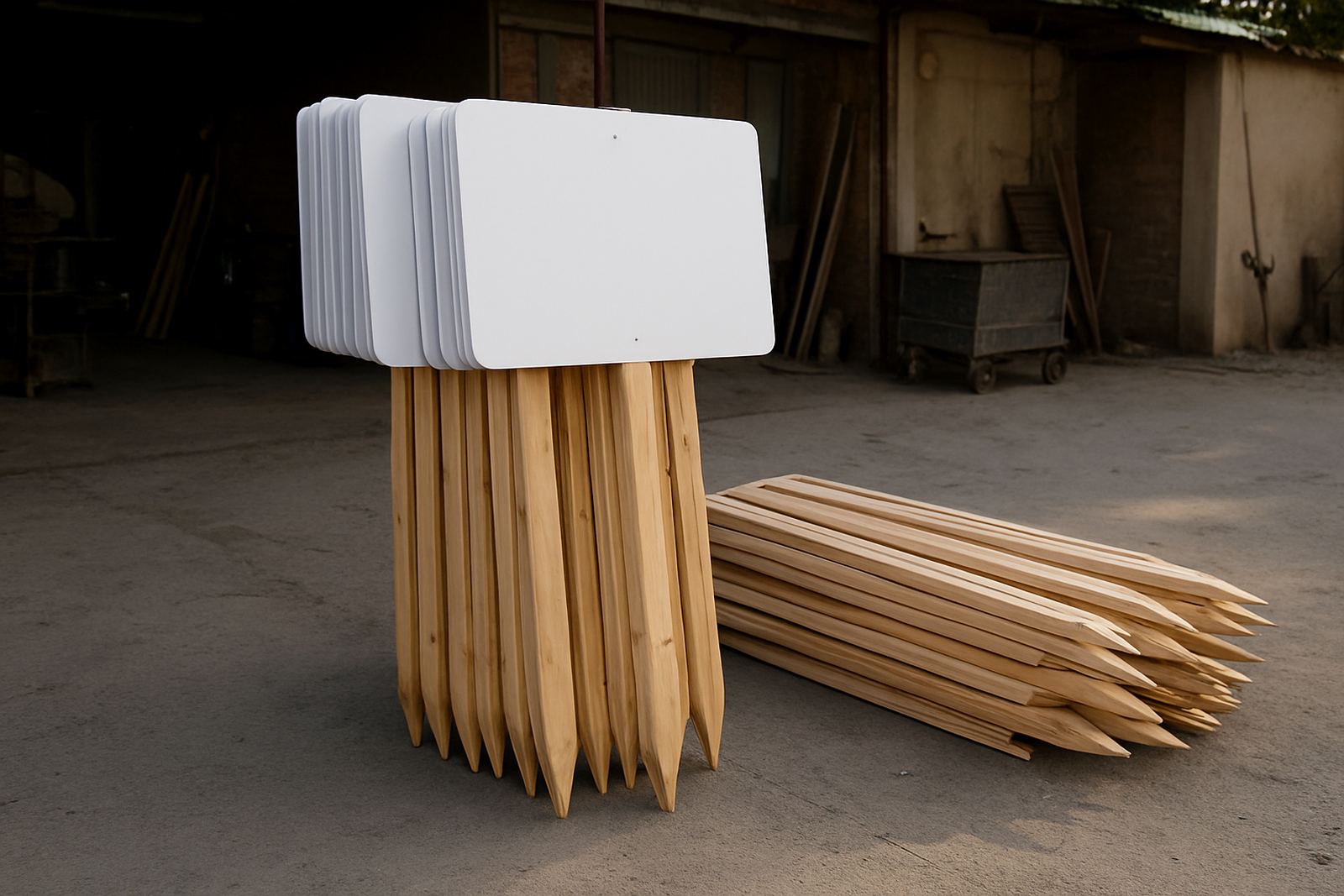
- Perspex, PVC, aluminium composite and other rigid sign boards
- Printed or cut vinyl lettering on a plain backing
- Full colour print for department names, icons or numbering
- Matt or gloss finish depending on the light and glare in the passage
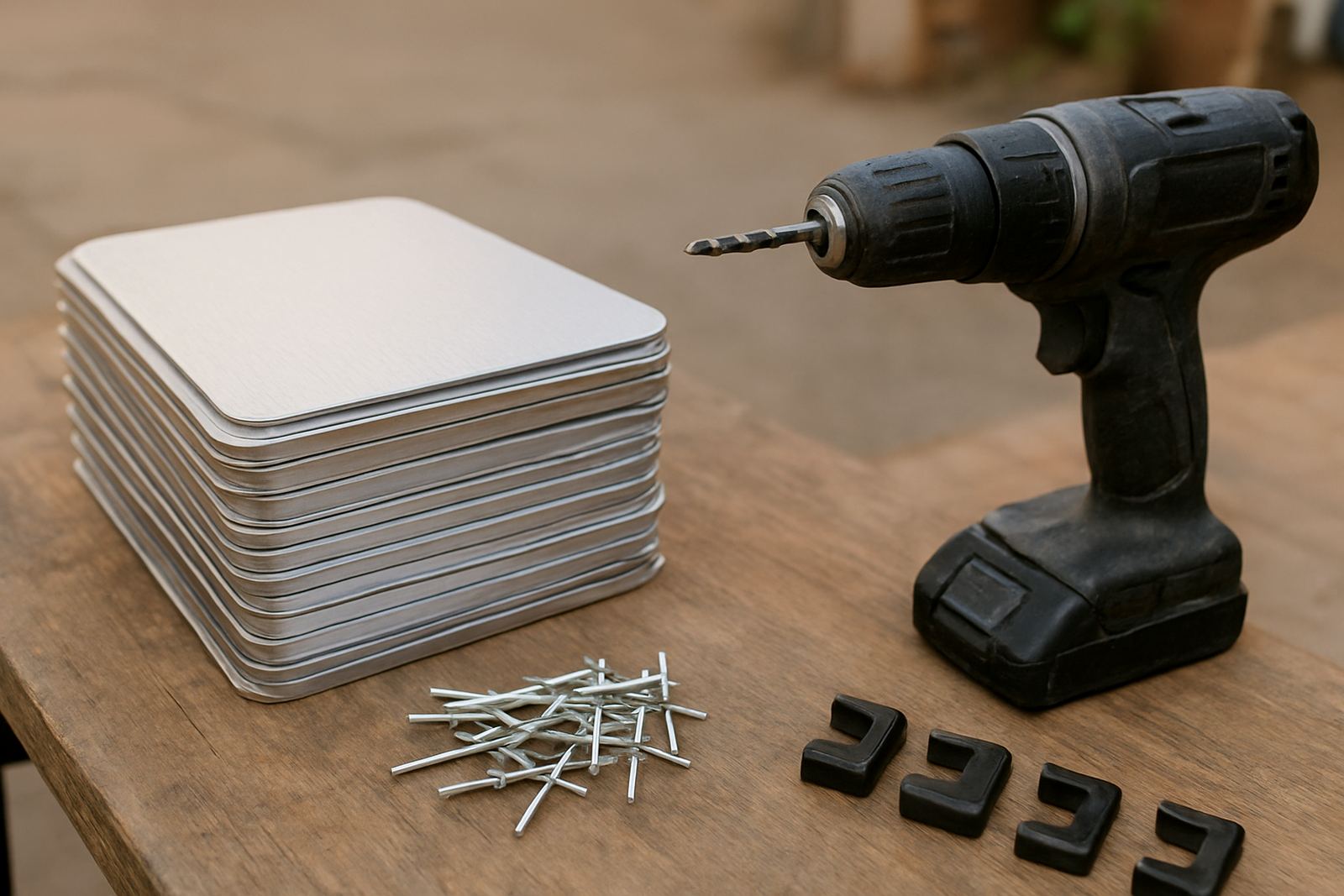
- Rounded corners, drilled fixing holes or adhesive backing
Where a polished look is wanted, we can add engraved or layered details. For practical spaces, plain black text on white or brushed silver remains easy to read and works well in both natural light and fluorescent lighting.
Where door name signs work best
These signs suit offices, consulting rooms, boardrooms, classrooms, shared work areas and back-of-house spaces. They are also useful for directional labels on passage doors, store rooms, archive rooms and staff-only areas. In busy Gauteng buildings, clear naming reduces interruptions at reception and helps staff get on with their work.
Door signs are often paired with corridor direction boards, wall signs and reception branding so the whole site feels consistent. If your premises have multiple tenants or departments, it helps to keep one naming style across the building, rather than mixing sizes, fonts and colours from door to door.
- Offices and reception suites
- Doctors rooms and consulting practices
- Schools, training centres and colleges
- Warehouses, workshops and site cabins
- Body corporate and sectional title buildings
Fitting methods and site conditions to plan for
Door name signs are normally fixed with double-sided tape, stand-off fittings or small screws, depending on the door surface and the look you want. Aluminium and steel doors hold fixings well, while glass or timber may need a different approach. We check the site before fitting so the sign sits level and the door still opens freely.
Most door signs do not need power or gas. They are a simple non-electrical product, which makes them easy to place and easier to maintain. If the sign includes a lightbox, illuminated panel or special display insert, then power requirements must be confirmed in advance, but standard name signs are fitted without any electrical connection. In dusty industrial areas or coastal humidity, the fixing method should suit the surface so the sign stays put and does not lift at the edges.
- No power needed for standard flat signs
- No gas or plumbing required
- Check door material before choosing adhesive or screws
- Allow for handles, vision panels and locksets
- Confirm if the sign must be removable later
What to check before you place an order
The most common delays happen when the name, room number or wording is not final yet. Before ordering, check the exact text, spelling, capital letters, title style and whether the sign should show a person’s name, a department name or just a room function. If several doors are being labelled, it helps to send one list with all wording in the right order.
You should also confirm whether the signs must match an existing company style, whether the background should be transparent or solid, and whether the door surface is flat, textured or curved. If the premises are on a landlord-controlled site, ask about fixing rules, especially where drilled holes may not be allowed. We can assist with artwork setup, site surveys and a sample layout before manufacture, which saves time and avoids rework later.
Care, cleaning and ongoing servicing
Door name signs usually need little maintenance. A soft cloth and mild soap are enough for routine cleaning. Avoid strong solvents on printed faces because they can dull the finish or lift the lettering. In high-touch areas such as shared corridors and public access doors, it helps to wipe the sign during normal cleaning rounds so finger marks do not build up.
If a name changes, a department moves or a sign gets damaged, we can assist with replacement, refurbishment or vinyl removal. This is useful for growing businesses, sectional title blocks and rented premises where staff changes happen often. With proper care, a quality door sign stays neat for years and keeps doing its job without fuss. That matters when the building is busy and no one wants to guess which door is which.
- Wipe with a soft damp cloth
- Avoid abrasive pads and harsh thinners
- Check fixings after strong door movement
- Replace signs promptly when names or room use change
Key facts
| Common sizes | 200 x 50 mm, 250 x 75 mm, 300 x 100 mm, custom sizes available |
|---|---|
| Materials | Perspex, PVC, aluminium composite and vinyl-faced sign boards |
| Fixing options | Double-sided tape, drilled screws, stand-offs or adhesive pads |
| Finish options | Matt, gloss, brushed silver look, clear face and colour print |
| Use areas | Offices, rooms, passages, washrooms, reception suites and controlled access doors |
| Service area | Boksburg, East Rand, Ekurhuleni and greater Gauteng |