Clear safety boards for daily site control
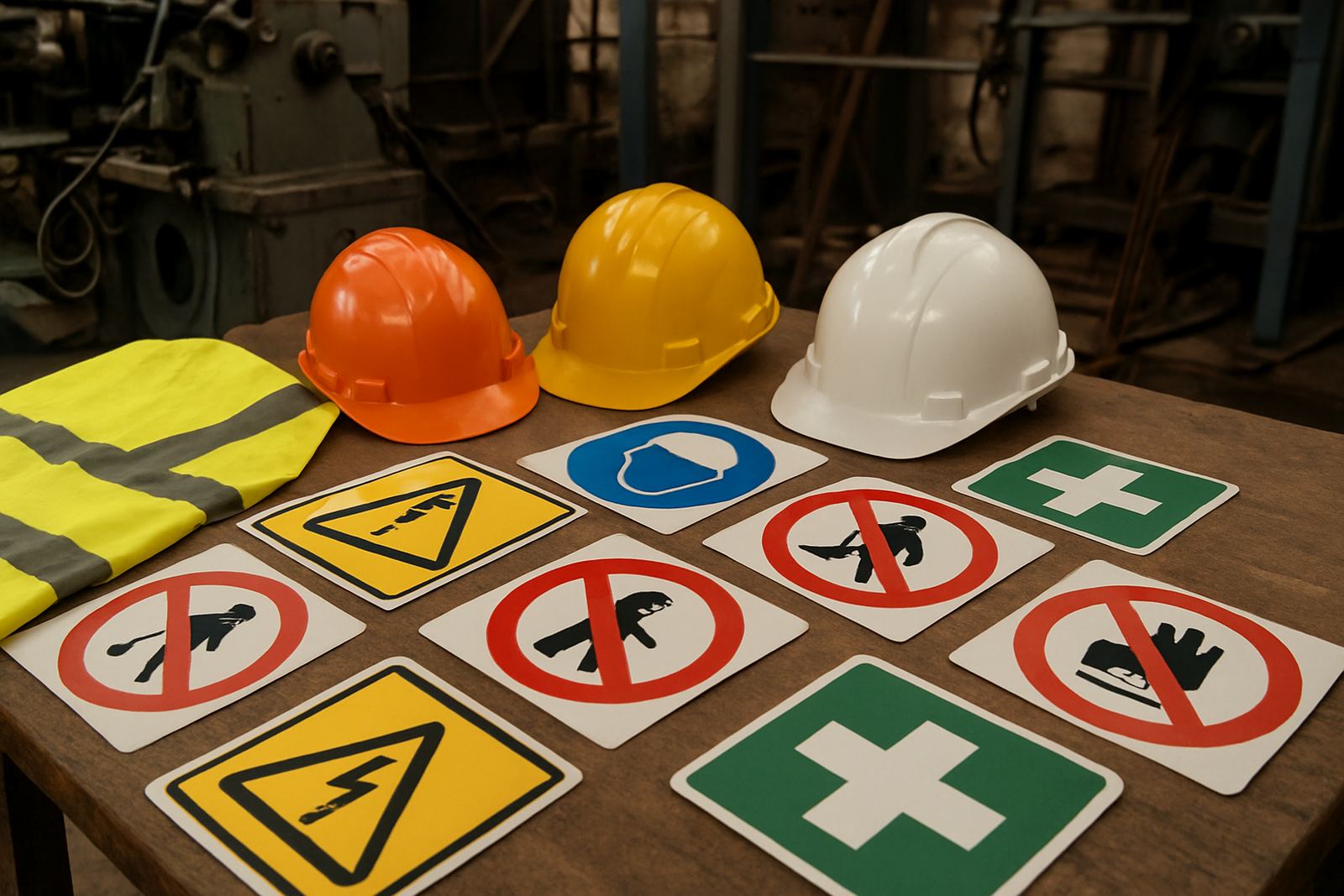
Safety signs tell people what to do, what not to do, and where danger is present. In a busy plant or warehouse that can mean the difference between a clean route and a costly incident. We make mandatory, warning and prohibition signs for factories, depots, workshops, schools, retail back rooms and construction sites where people need clear direction at a glance.
Most signs are produced as rigid boards or self adhesive labels, depending on where they will be fitted. We supply small notices for plant rooms and electrical cupboards, through to larger boards for entrances, loading areas and fence lines. Our team in Boksburg can also match a site’s existing signage set so replacements stay consistent across the property.
- Mandatory signs: PPE, hand washing, helmet, eye protection and access control notices
- Warning signs: forklift routes, high voltage, uneven floor, overhead hazard and hot surface signs
- Prohibition signs: no smoking, no entry, no unauthorised access and no mobile phone use in controlled areas
Sizes, materials and fixing options
We supply safety signs in practical sizes that suit South African workplaces. Common board sizes include 100 x 150 mm, 150 x 200 mm, 210 x 297 mm, 300 x 450 mm and 600 x 900 mm for larger outdoor viewing distances. Where needed we can produce custom sizes for narrow passages, machine guards or wall spaces with fixed dimensions.
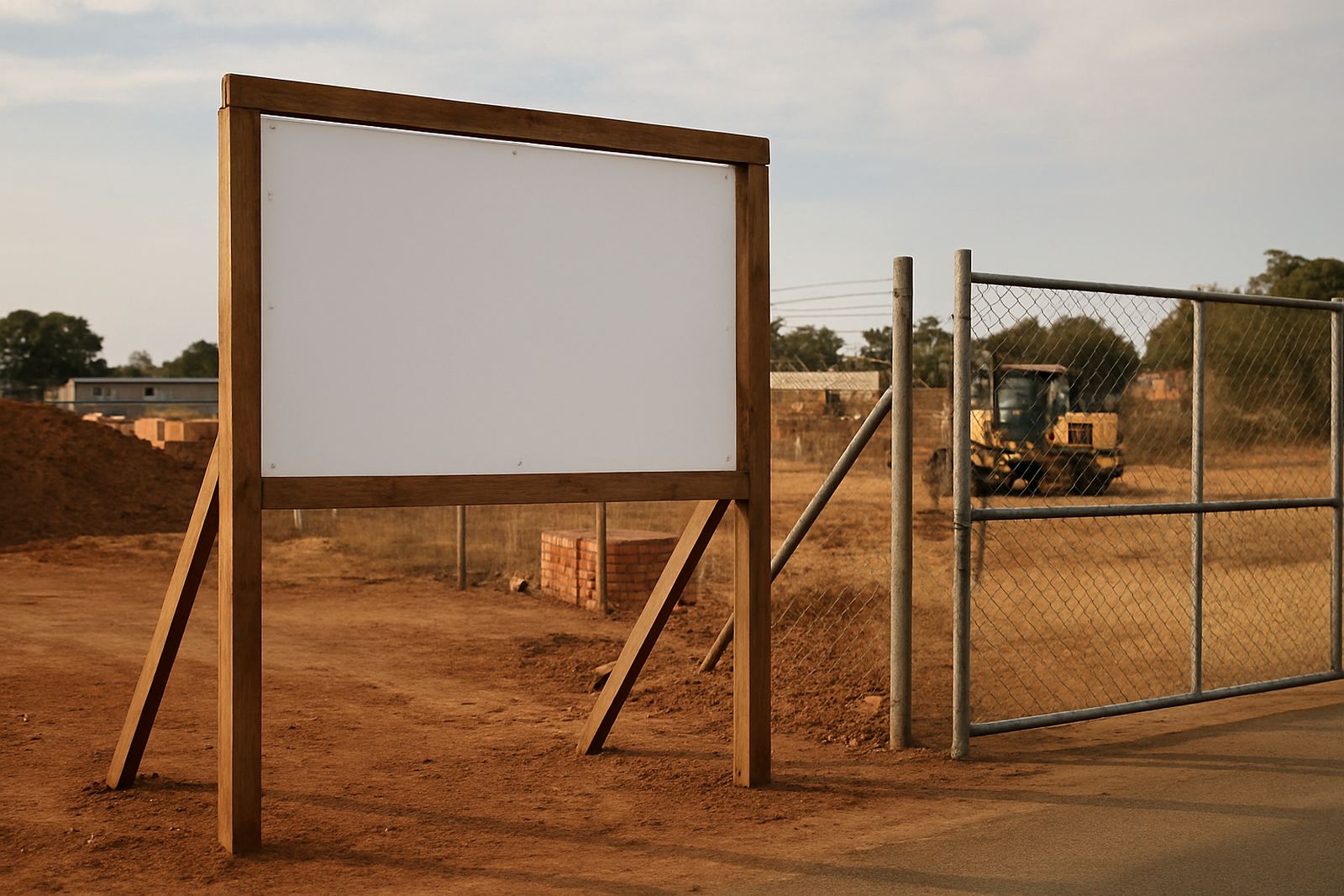
Material choice depends on the location and exposure. Inside a workshop, a printed rigid board or adhesive vinyl panel is usually enough. For outdoor use, especially around the East Rand where wind, dust and summer rain can be hard on signage, we often recommend sturdier board with drilled holes or strong adhesive backing. For coastal routes and long term exposure to sun, extra care is needed on finishes and fixing points.
- Rigid board for walls, gates, columns and fence lines
- Self adhesive vinyl for smooth internal surfaces and machine panels
- Reflective or high visibility finish for low light areas and night viewing
- Drilled holes, double sided tape or adhesive mounting, depending on the site
Where safety signs work best
These signs suit places where staff, visitors and contractors move through changing risk areas. Warehouses need route markers near racking, dock doors and pallet staging. Factories need notices near moving equipment, chemical stores and electrical panels. Building sites need temporary boards at entry points, scaffold zones and material drop areas. They are also useful at body corporates, farms, schools and transport yards where access must be controlled.
In and around Boksburg, Benoni, Germiston and Kempton Park, many sites deal with early starts, load shedding and mixed traffic on shared yards. A good sign system helps keep people moving the right way even when the lights are not ideal. It also helps with contractor control, because clear notices reduce confusion at gates, in passageways and around plant rooms. If your site changes often, we can plan a layout that is easy to update bit by bit, not all at once.
- Factories and manufacturing plants
- Warehouses, logistics yards and cold rooms
- Construction sites and contractor compounds
- Schools, clinics, estates and multi tenant buildings
Installation on site, indoors and outdoors
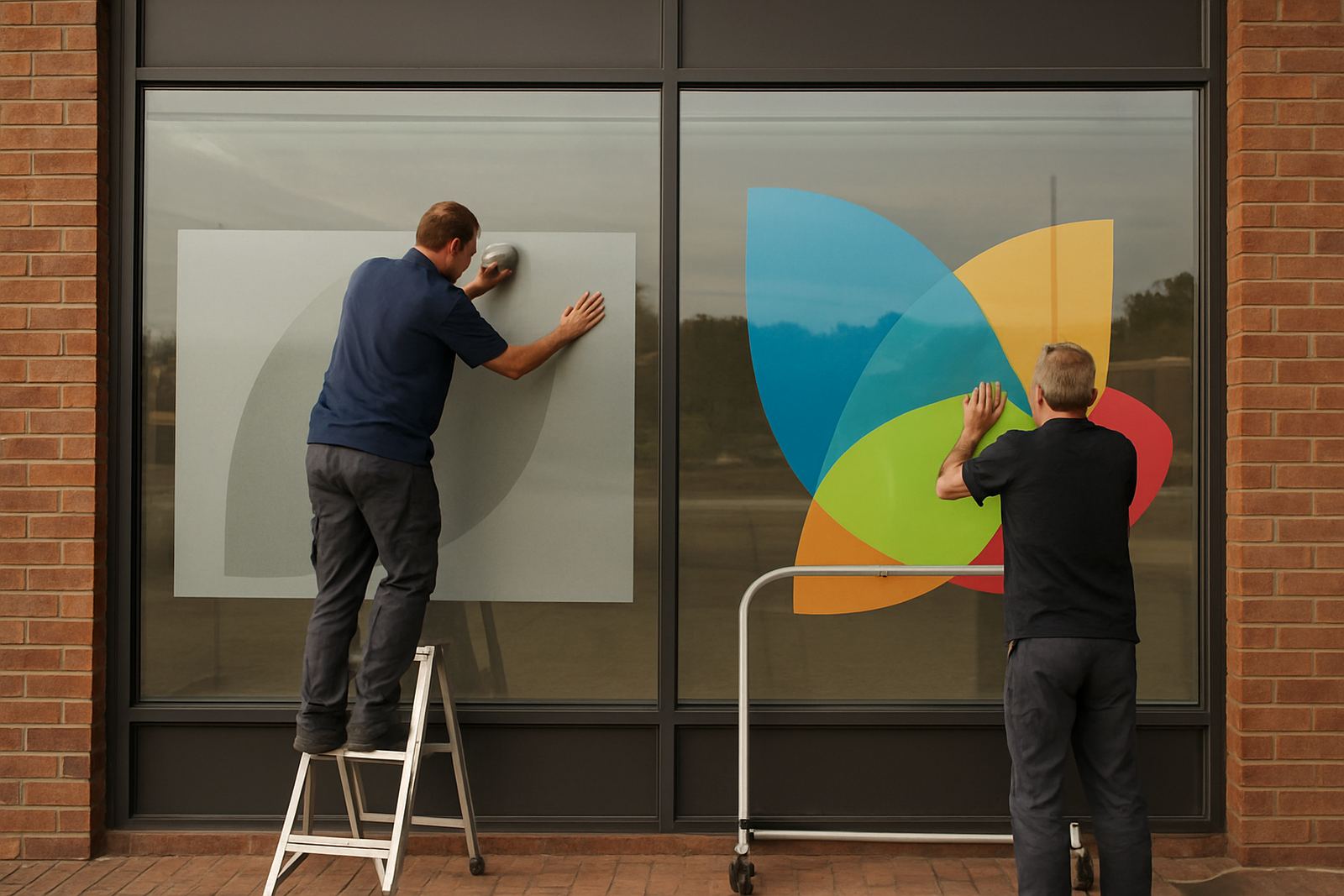
We handle sign installation across Ekurhuleni and greater Gauteng. Some signs are fixed to brick or concrete walls, while others go onto steel gates, posts, fence panels or machine guarding. Our installation team checks the surface, the height and the viewing angle before fitting, so the sign can be read without strain. In most cases, power is not needed for standard safety signs because they are non illuminated.
If a site needs a lit or coded safety board near electrical equipment, then power supply and safe routing must be checked first. That can include cable entry, mounting height and protection from moisture. For gas related areas, such as boiler rooms or storage zones, we make sure the sign is suitable for the environment and placed where workers will see it before entry. A little planning upfront avoids having to move signs later and that saves time.
- No power required for standard printed safety signs
- Power only needed for illuminated or specialist warning systems
- Fixing methods depend on wall type, wind load and access at height
- Can be installed during site shutdowns, after hours or in stages
Maintenance, replacement and refurbishing
Safety signs should stay clean, readable and correctly placed. Dirt, oil mist, sun fade and forklift impact can all reduce how well a sign works. We offer maintenance visits, replacement boards and vinyl removal when an old notice is no longer compliant or is simply worn out. In warehouses, a faded sign is often ignored, which defeats the point. It is better to replace it early than wait for it to crack or peel.
For outdoor signs, check for loose fasteners, lifted corners and fading after strong sun or heavy rain. In high traffic areas, vinyl marked signs may need renewing every few years depending on exposure. If your site has changed layout, product flow or access rules, the sign set should be updated at the same time. A small repair now can stop bigger damage later, especially on sites that run through winter dust and summer storm conditions.
- Wipe down with a soft cloth and mild cleaner
- Check mounting points after wind or vibration
- Replace damaged signs before they become hard to read
- Update signs when routes, hazards or access rules change
What to check before you order
Before ordering, it helps to know what message the sign must carry and where it will be seen. The best safety sign is the one people can understand quickly from the right distance. Please check the wording, icon, size, background colour and fixing method before we produce it. If the sign must match an existing set, bring a clear photo or sample so the new item sits neatly with the rest of the site signage.
We also need to know whether the sign is for indoor or outdoor use, and whether it will be fitted to wall, steel, glass or a freestanding post. If your site has hazards around moving vehicles, gas lines, overhead work or restricted entry, tell us up front so we can recommend the right format. Accurate information on the order saves time and keeps the final sign useful. It also cuts down on rework, which is always a nuisance.
- Exact wording and symbol needed
- Indoor or outdoor location
- Approximate viewing distance
- Mounting surface and fixing preference
- Any colour or format already used on site
Key facts
| Product type | Mandatory, warning and prohibition safety signs |
|---|---|
| Common sizes | 100 x 150 mm, 150 x 200 mm, 210 x 297 mm, 300 x 450 mm, 600 x 900 mm |
| Materials | Rigid board, self adhesive vinyl, reflective or high visibility finish |
| Use locations | Factories, warehouses, loading bays, construction sites, schools and yards |
| Installation | Wall, gate, fence, post, machine guard or adhesive mounted fitting |
| Service area | Boksburg, Ekurhuleni and greater Gauteng |