Start with the site, not the quote
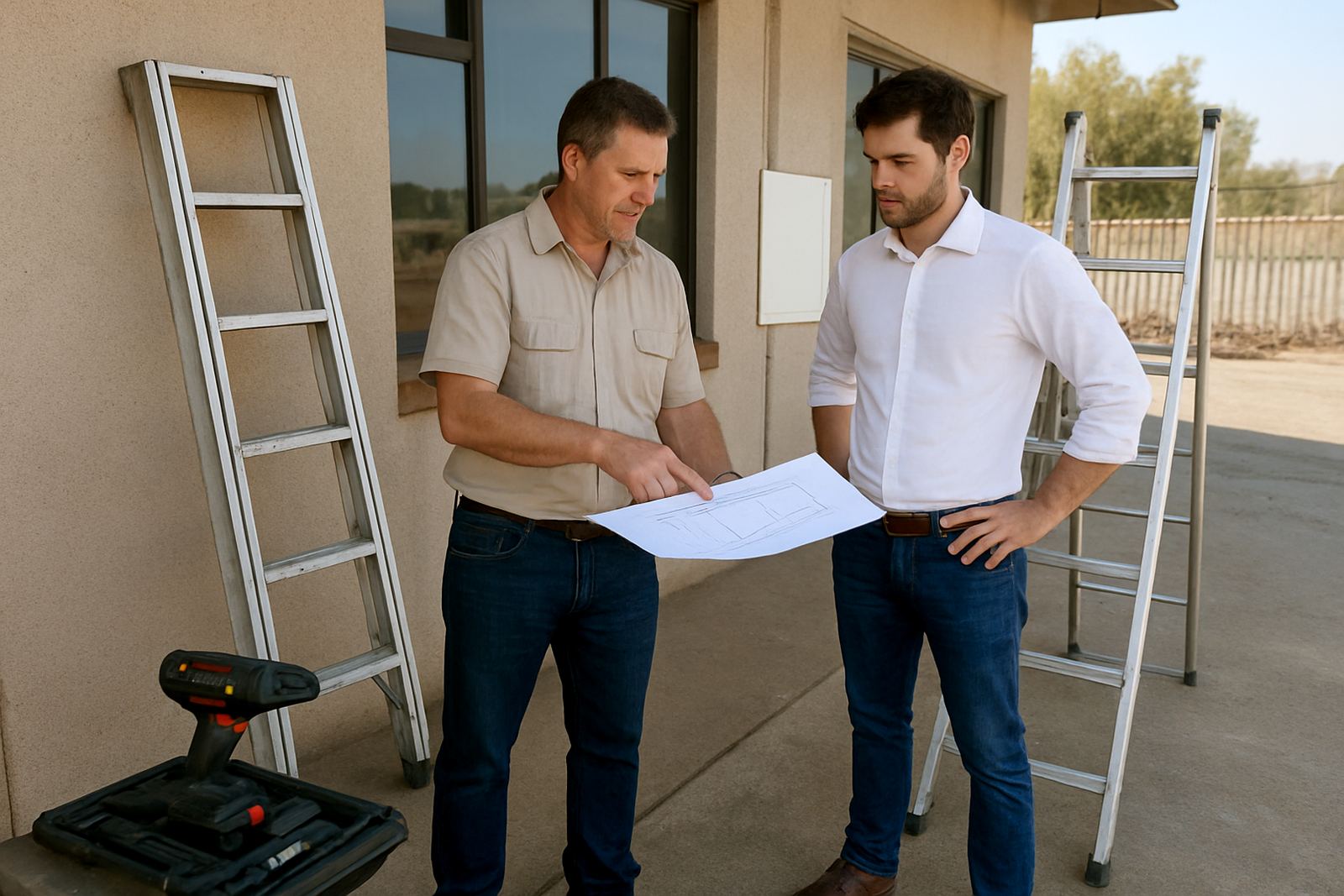
A proper sign job starts with a site survey. That means measuring the wall, checking the driveway or yard access, looking at overhead obstructions, and noting whether the area is brick, cladding, concrete, glass or steel. In Boksburg, Benoni and Germiston, we often find older buildings with uneven walls, painted surfaces that powder off, or restricted loading bays that change the installation plan completely.
Ask the installer how they will assess the site before manufacture begins. A quick phone estimate can be useful, but it should not replace an on-site check where the sign is large, high up or exposed to traffic. It is also worth asking about municipal rules for pavement signs, illuminated signs or boards near a road reserve, because some areas need permission before fitting starts.
- Measure the available space, not just the sign panel size
- Check access for ladders, lifts or scaffolding
- Confirm if the wall can support the final weight
- Ask what happens if the site conditions are different on the day
Ask how the surface will be prepared
Surface prep is where many problems begin or end. A clean, sound surface gives the fixing method a fair chance. A poor surface can cause peeling vinyl, loose boards, rust marks or failed adhesive. For steel gates and warehouse cladding, preparation may include degreasing, rust treatment, light sanding or priming. On painted plaster, the installer should check for chalking, flaking paint and damp patches before fitting anything.
For vehicle fitment, the same care applies. Panels need to be clean and dry, and fresh paint must cure properly before graphics go on. On coastal jobs or sites with heavy dust, the installer should allow for extra cleaning and inspection time. It sounds basic, but a few extra minutes here saves a lot of call-backs later. Good work shows before the first rainy week, not after it.
- Ask whether the surface needs cleaning, priming or repairs
- Find out if the sign will be mechanically fixed, bonded or both
- Check whether the material is suitable for sun, rain and heat
- Confirm if the existing paint or cladding is stable enough
Choose for the way the sign must perform
Different signs need different fixing methods and materials. A small office name plate has different needs from a large factory board on the N12 side, or a fleet marking job that must last through daily washing and sun. Ask the installer what material they recommend, why they recommend it, and how long it should last in Gauteng conditions.
In our area, strong sun, summer storms and load-shedding all matter. If a sign includes lighting or any electrical components, the installer should plan for safe routing, neat cable runs and realistic servicing access. If it is a board near a high-traffic entrance, it should be fixed so it does not rattle, bow or loosen over time. Performance is not about making the sign look good on day one only. It is about how it behaves after a few hot weeks and one hard storm.
Check the installer’s process from artwork to fitting
A reliable installer should be able to explain the whole process clearly, from artwork setup to final installation. If the sign includes cut lettering, printed panels or vehicle graphics, the layout must be checked carefully before production. That includes spelling, sizes, logo placement, colour match and whether any content will still be readable from the road or from a moving vehicle.
Good process also means planning the day of installation. Who arrives first, what equipment is needed, how waste is removed, and whether the site must be cleared. If the job involves a factory floor, retail frontage or a complex access route, the team should know it in advance. A careful installer will ask questions others skip, and that usually saves time and avoids last-minute changes.
- Confirm approval of artwork before manufacture
- Ask who is responsible for measuring and final checking
- Find out if the job includes delivery, mounting and clean-up
- Make sure the installer can explain the full sequence clearly
Do not skip maintenance and aftercare
Signs are not fit and forget items. Dust, sun, vibration and weather all take a toll. A sensible installer will tell you how to clean the sign, how often to inspect fixings and what signs of wear to watch for. For fleets and site boards around Ekurhuleni, regular checks help you catch loose corners, faded print, rust around fixings or damaged vinyl before they become a bigger job.
If a sign is in a windy spot or close to busy roads, plan for maintenance visits. That is especially useful for estate-agent boards, contractor boards and temporary safety notices. A good installer should also be willing to remove old vinyl properly before applying new graphics, because leftover adhesive and torn backing can affect the finish. Small issues left too long can turn into bigger costs, and nobody wants that.
Use a simple checklist before you appoint anyone
Before you give the work the go-ahead, use a short checklist. It keeps the decision practical and makes it easier to compare quotes fairly. Do not choose only on price. Look at what is included, what is excluded, and whether the installer has asked the right questions about your site and your time frame.
For businesses in Boksburg, Kempton Park, Alberton, Springs, Edenvale and Midrand, a local team that understands access limits, municipal requirements and day-to-day commercial sites can make the process much easier. If the installer can handle survey, manufacture, fitment and follow-up, you spend less time coordinating and more time getting the sign up properly.
- Has the site been inspected properly?
- Are the fixing method and materials suitable for the surface?
- Does the installer explain the maintenance plan?
- Have access, working hours and safety requirements been discussed?
- Is the finish likely to hold up in sun, rain and wind?